8 Easy Decisions for a Low-Maintenance Garden
Low-maintenance gardening starts with deciding what work fits the site and the household, not with filling a cart with plants. These eight checks help shape a garden that can be watered, pruned, reached, and reviewed without turning every season into a large project.
As an Amazon Associate I earn from qualifying purchases.
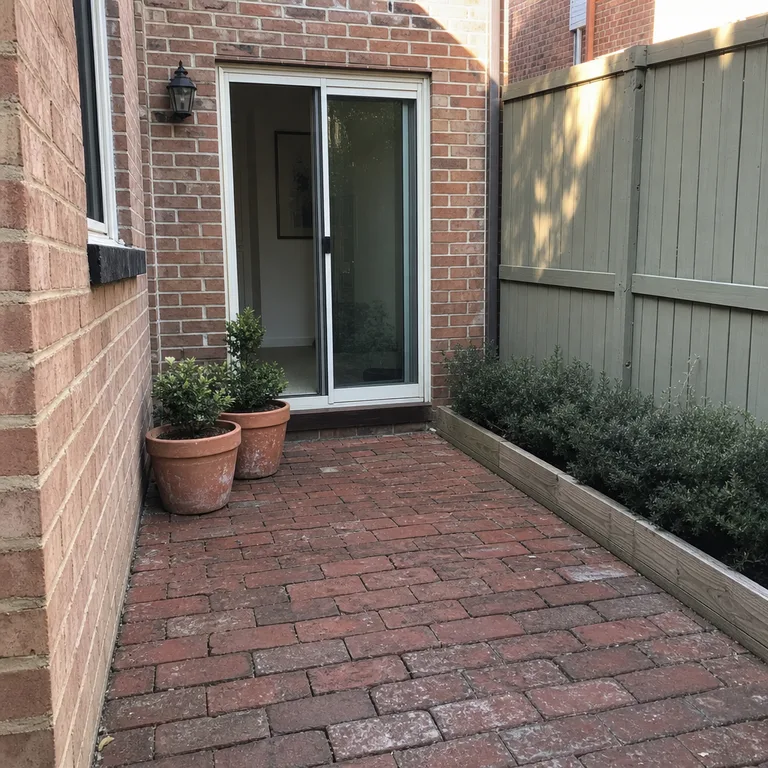
1.Set a Care Schedule You Can Keep
Choose a realistic garden rhythm before choosing plants. A short weekly walk-through for weeds, water checks, and fallen branches may be manageable, while a garden that needs frequent deadheading, trimming, or hand watering may not be.
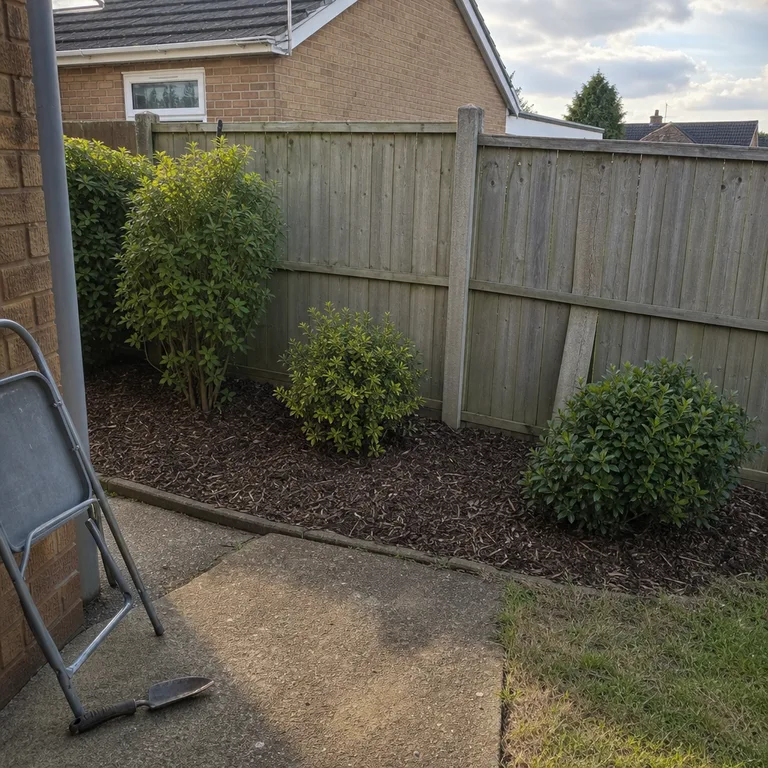
Build the planting plan around that rhythm. For example, a few well-spaced shrubs with mulch beneath them are easier to inspect than a packed bed full of plants with different needs. Expect to adjust the routine after heat, storms, or extended wet weather.
Worth knowing: A simple routine still needs flexibility when weather creates urgent watering, cleanup, or plant-health work.
2.Map Sun and Shade Across the Yard
Watch the yard at more than one point in the day and note where direct sun, filtered light, and deep shade fall. The area beside a sunny path may suit very different plants than the ground under a mature tree or along the shaded side of the house.
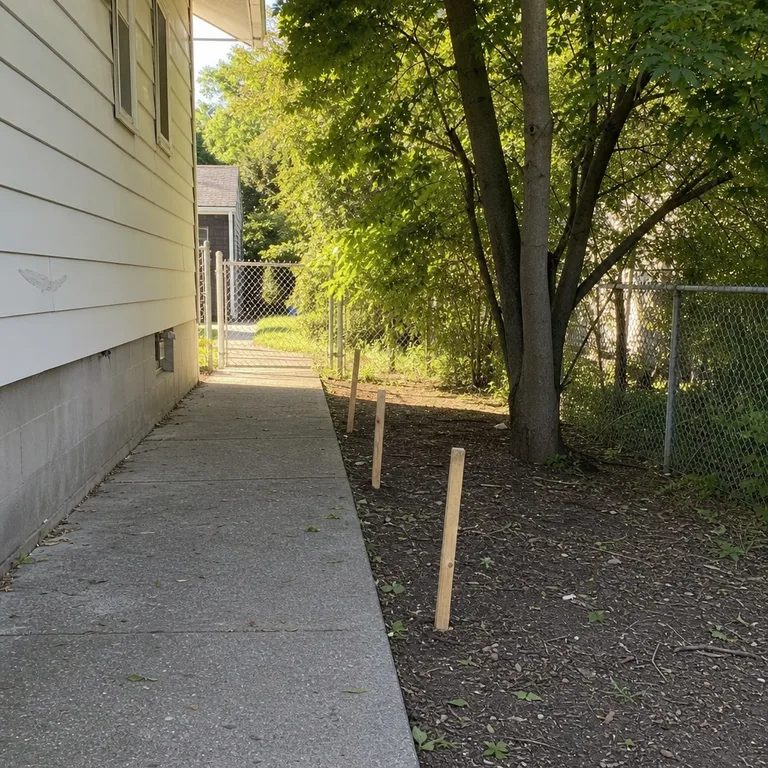
This avoids buying plants that need constant help to survive in the wrong conditions. Mark the changes with simple stakes or notes, then choose plants suited to each zone instead of trying to make every bed follow one planting plan.
Worth knowing: Sun patterns can shift through the year, especially where deciduous trees shade the garden after leaf-out.
Related: 10 Shade Garden Ideas for a Small Yard on a Budget
3.Trace the Watering Route From the Tap
Follow the route from the outdoor tap to every proposed bed and container area. A hose that reaches along a patio edge is far easier to use than one that repeatedly crosses a doorway, walkway, or lawn.
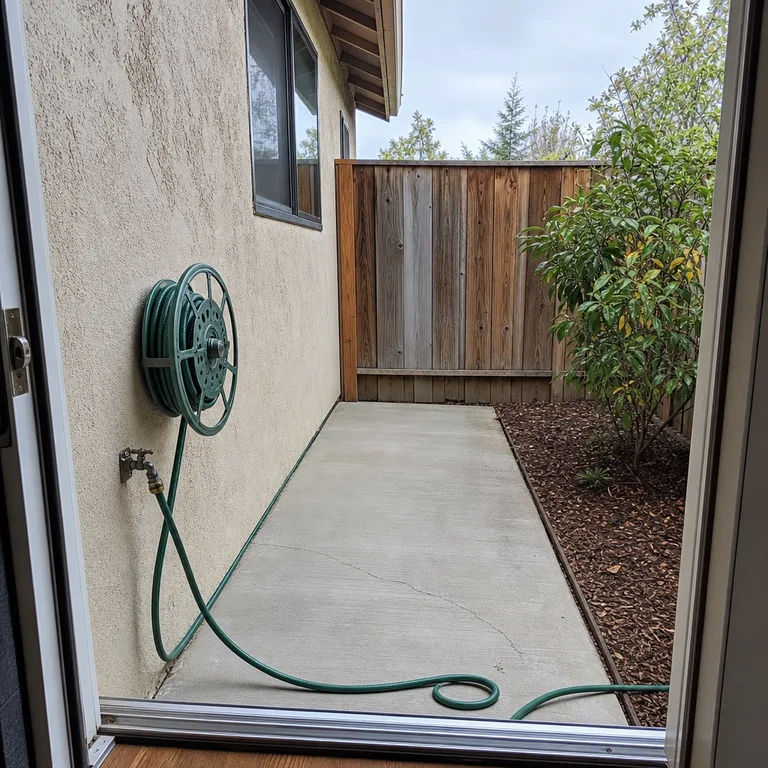
Put thirstier containers and newly planted areas where water is easy to reach, and reserve distant spots for plants that suit local rainfall once established. Check local watering restrictions and plan for winter hose storage where freezing weather is a concern.
Worth knowing: An accessible hose makes watering easier, but it does not remove the need to monitor plants during dry spells.
Related: 10 Garden Hose Storage Ideas for a Small Yard
4.Leave Room for Mature Plant Size
Use the mature width and height on a plant label as a planning tool, not an afterthought. Outline that future footprint with twine or a few markers, especially beside paths, windows, gates, and neighboring properties.
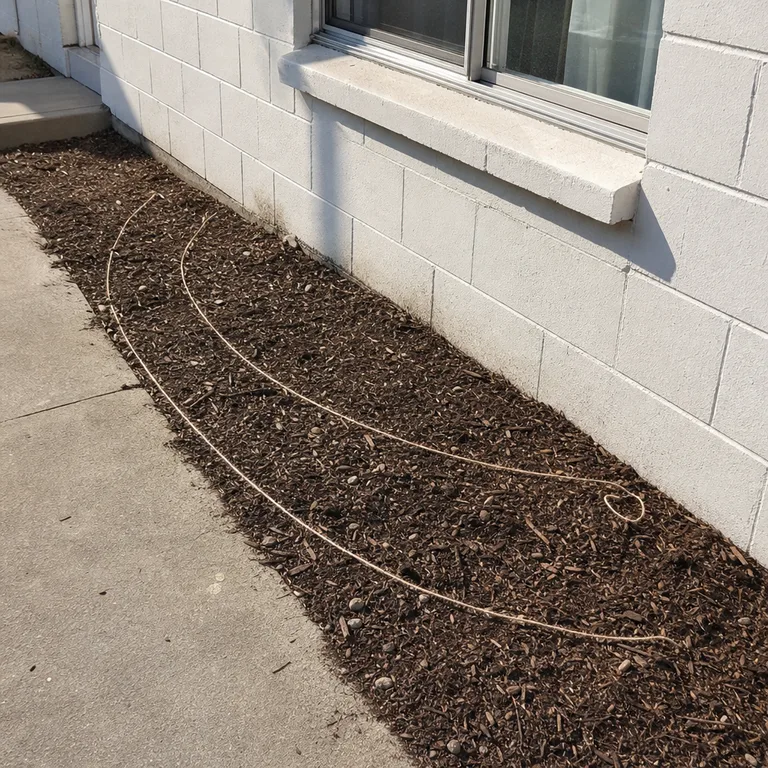
A shrub that looks small at planting can crowd a narrow foundation bed within a few seasons. Leaving open space now reduces later pruning, transplanting, and blocked access, and it makes the garden look less cluttered from the start.
Worth knowing: Plant growth varies with soil, climate, light, and care, so mature-size information is a guide rather than an exact prediction.
5.Limit Seasonal Beds That Need Replanting
Decide whether there is one small spot worth refreshing each season, rather than making every bed depend on replacement plants. A pair of pots by a door can provide a changing display while permanent planting handles most of the garden structure.
This approach keeps seasonal work contained to an area that is easy to clear, replant, and water. It also works well for renters who need a flexible garden element without altering a shared or restricted outdoor space.
Worth knowing: Even a small seasonal container display needs regular watering and cleanup during its growing period.
Related: 8 Steps to Clean and Reuse Empty Garden Pots Before Replanting
6.Put High-Care Areas Near the Door
Place plants that need frequent attention close to the route used every day. Containers, herbs, cutting plants, or anything likely to need checking are easier to maintain beside a back step than at the far end of the yard.
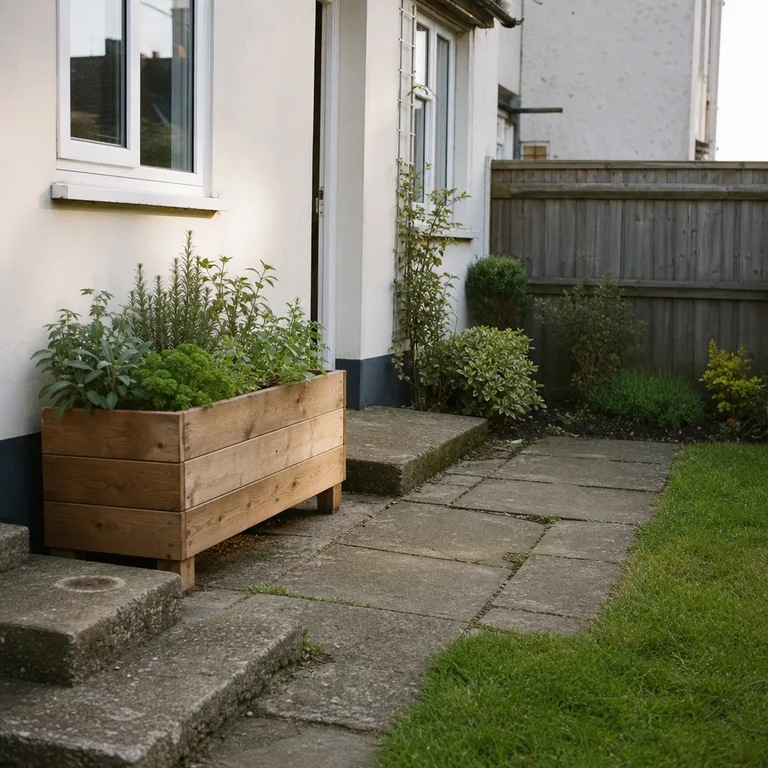
Use farther corners for lower-intervention planting that does not need constant harvesting or trimming. Keep a clear path around the high-care area so carrying water, removing debris, and reaching plants does not become an awkward task.
Worth knowing: A convenient location will not solve poor light, drainage, or crowding around the entry.
7.Group Plants With Similar Needs
Keep plants with similar light, moisture, and pruning needs together so one routine can serve an entire area. A sunny, drier bed and a shaded, leaf-mulched corner can each be cared for more simply than a single bed with conflicting conditions.
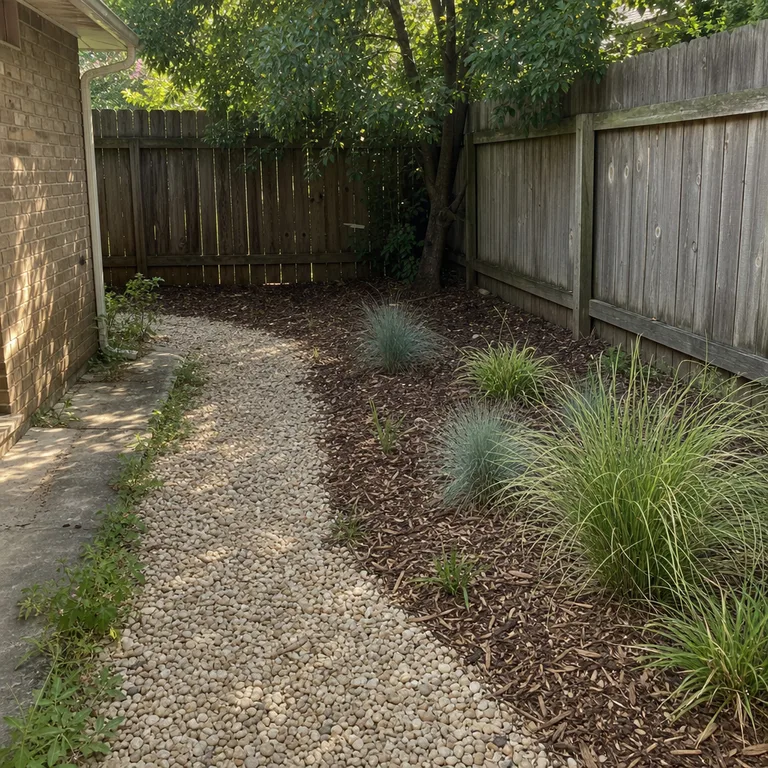
Use paths, edging, or the shape of the yard to separate those zones if needed. This makes it easier to see what needs water, what can be left alone, and which plants should be reviewed at the same time.
Worth knowing: A single bed may still contain small differences in soil moisture or shade that require separate care zones.
8.Plan One Simple Seasonal Garden Review
Set aside one seasonal walk-through to notice crowding, damaged branches, path obstructions, drainage problems, and plants that are struggling. A clipboard or phone note is enough to record what needs attention later rather than turning the review into a major garden overhaul.
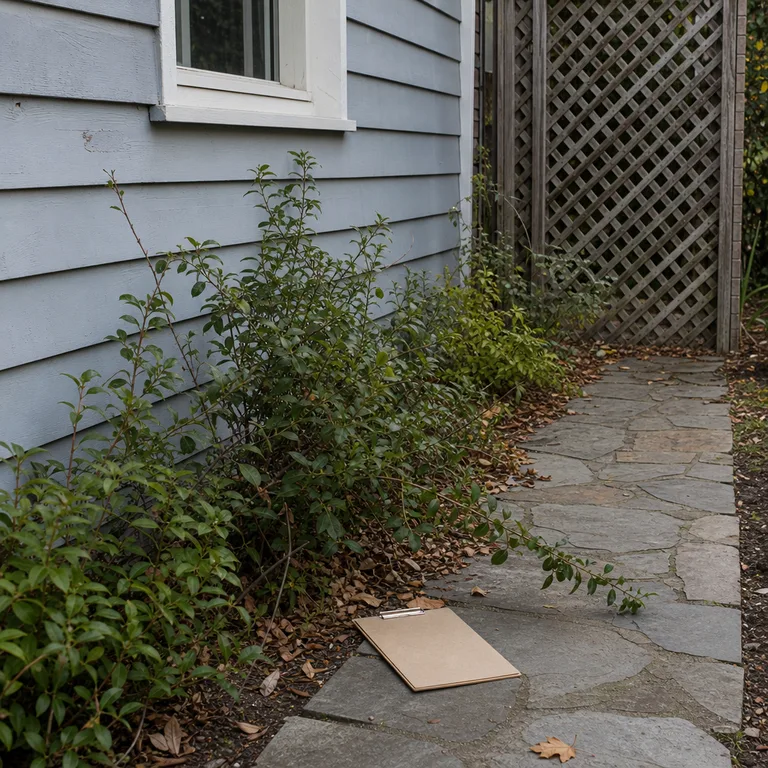
Look for practical changes such as a shrub leaning into a path or mulch washing away after rain. Pruning and division should follow the needs of each plant and the local climate, rather than a universal cut-back schedule.
Worth knowing: Some plants need attention outside the seasonal review, and pruning timing varies by species.
About the author
Dana Ruiz, Senior editor
Dana writes about small-space living, storage and low-cost decorating.
Keep reading
7 Easy Ways to Host Outdoors With Indoor Furniture
November 5, 2026
9 Easy Ways to Refresh an Overgrown Garden Bed
November 5, 2026
8 Budget Driveway Border Ideas for a Finished Front Yard
November 4, 2026
9 Budget Ways to Make Open-Plan Rooms Feel Connected
November 5, 2026