9 Mulch Choices for One Small Garden Bed on a Budget
One small garden bed can be covered with very different mulch materials, depending on what is already available nearby and what the plants need. These nine options compare upkeep, moisture behavior, and site limits while keeping mulch away from plant crowns, trunks, and house siding where it could hold unwanted moisture.
As an Amazon Associate I earn from qualifying purchases.
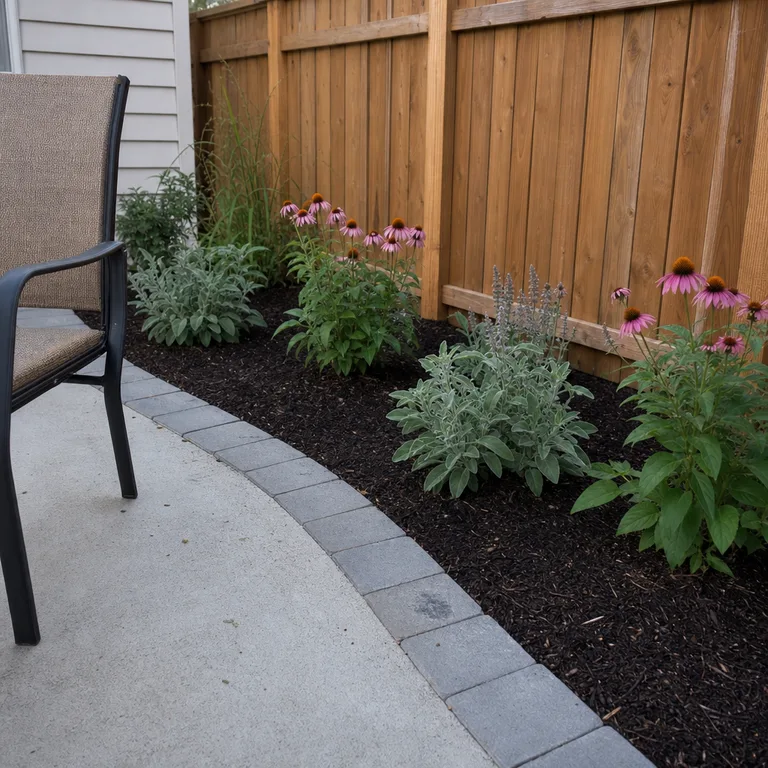
1.Use Clean Shredded Leaves for a Woodland-Style Bed
Shredded dry leaves are a natural fit below deciduous shrubs, shade perennials, and small trees. They soften the look of exposed soil while breaking down into organic matter, making them useful for a bed that already has a loose, woodland character.
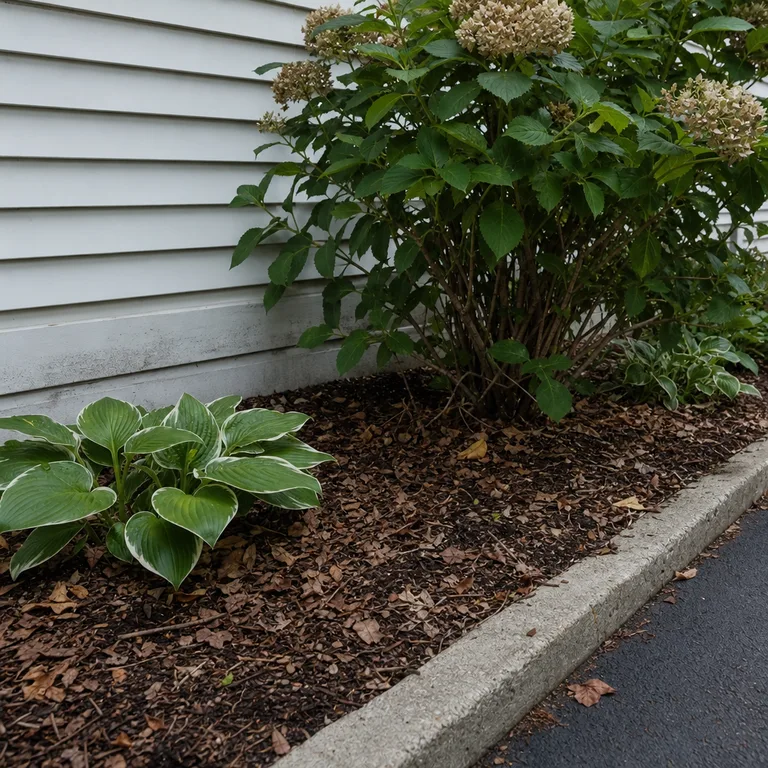
Run leaves through a shredder or mow over a dry layer before spreading them, since whole leaves can mat together and shed water. Apply a loose organic mulch layer at roughly 3 to 4 inches, then pull it back from stems and crowns; leaves will usually need topping up after wind, rain, and seasonal decay.
Worth knowing: Leaves are short-lived and can blow or clump in exposed, windy beds.
Related: 15 Budget Landscaping Ideas That Make a Small Yard Feel Finished
2.Choose Untreated Wood Chips for Shrubs and Paths at the Bed Edge
Coarse, untreated wood chips work well around established shrubs and along the outer edge of a bed beside a path. Their larger pieces stay visible longer than finer materials, giving a simple planted area a more defined boundary without changing the layout.
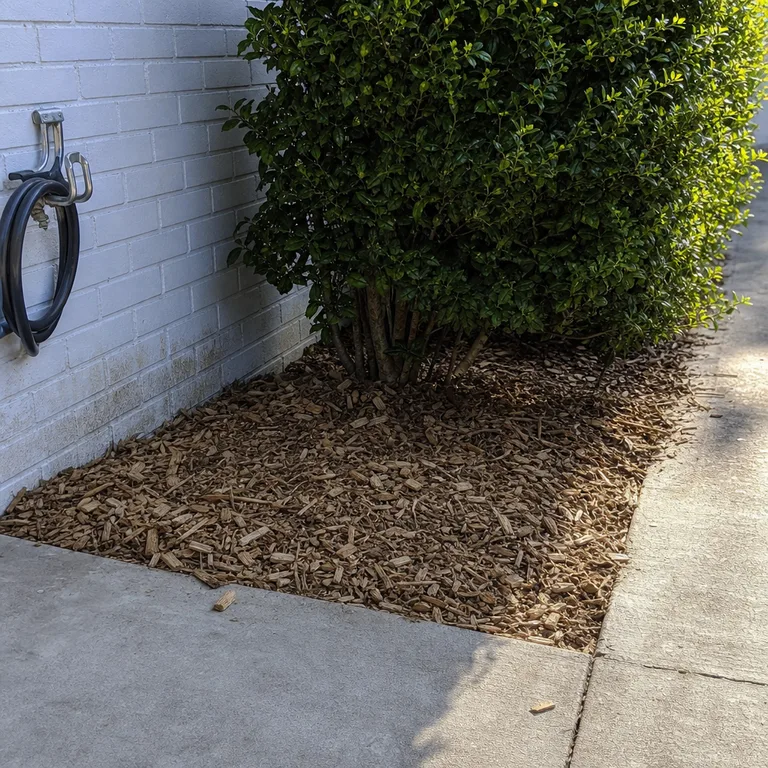
Use chips from a known untreated source, and rake them into an even layer rather than piling them against shrub bases. They are easy to refresh only where the soil starts showing, and a narrow chip strip can also reduce muddy splash along a walkway.
Worth knowing: Coarse chips can overwhelm tiny seedlings and look too rough in a tightly planted flower bed.
3.Use Shredded Bark Where a Neater, Longer-Lasting Surface Matters
Shredded bark gives an established ornamental bed a darker, more uniform surface than mixed wood chips. Its fibrous texture tends to knit together, which can help it stay put on a gentle slope or around compact evergreen shrubs.
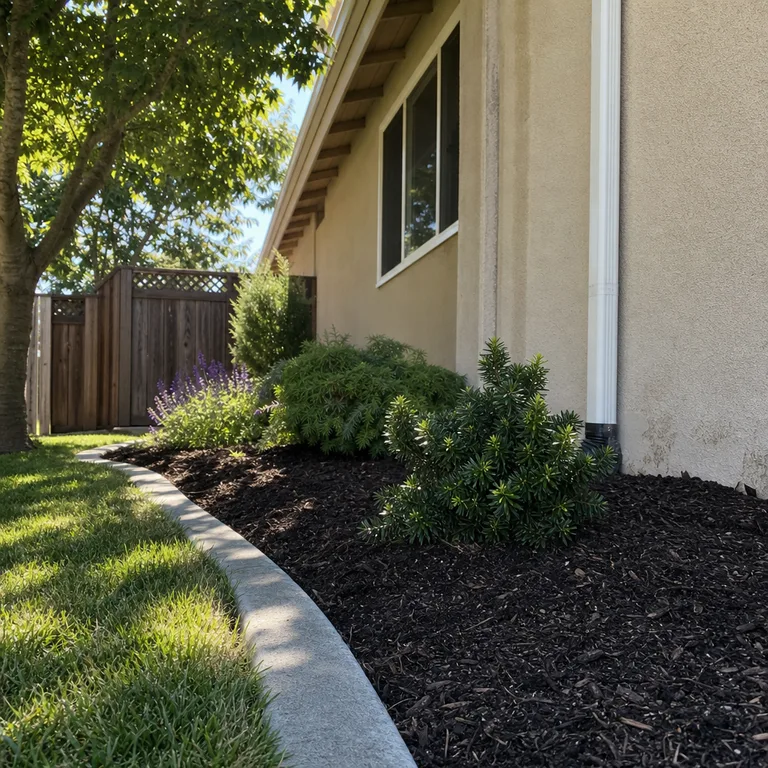
Choose bark that is free of added colorants if a natural finish is preferred, and spread it across bare soil at a moderate, even depth. Check how water moves through the bed during heavy rain, especially near downspouts, because flowing water can still shift bark and expose soil.
Worth knowing: Bark can move downhill where drainage runs directly through the bed.
4.Lay Clean Straw Around Annual Vegetables and Strawberries
Clean straw is light enough to move aside when planting, harvesting, or checking soil moisture around annual vegetables and strawberries. It helps keep fruit and lower leaves off damp soil while leaving the bed easy to rework as the growing season changes.
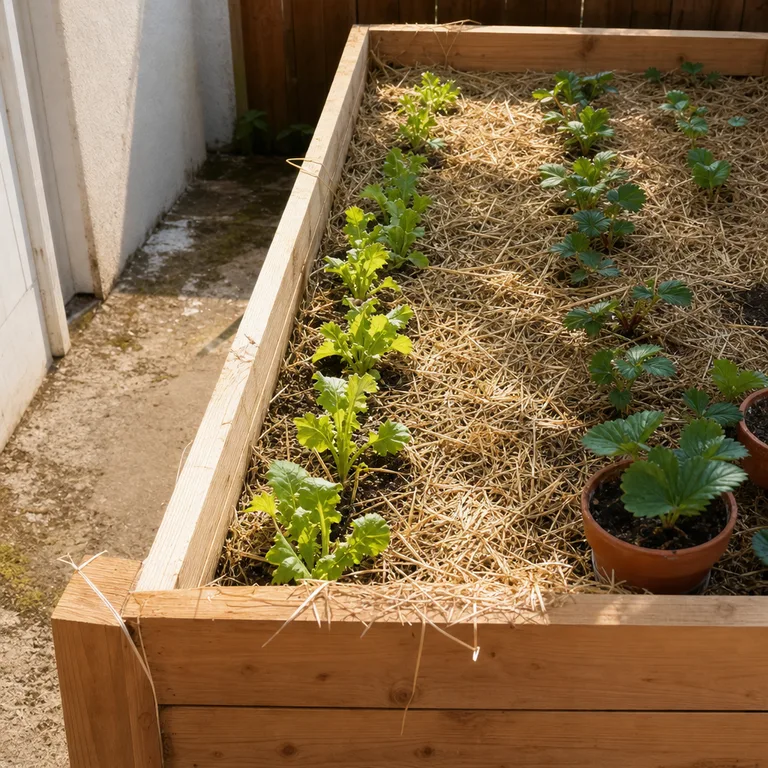
Use straw sold or described as clean and weed-free when possible, then tuck it loosely between plants rather than over their crowns. Add it after soil has warmed for warm-season crops, based on local planting conditions, and replace scattered sections as wind or watering shifts the layer.
Worth knowing: Straw can carry weed seeds if the source is uncertain, and it may blow out of an open bed.
5.Spread Finished Compost as a Thin Feeding Mulch
Finished compost is useful where the bed needs a light surface cover and added organic matter at the same time. Its dark color makes a perennial bed look cared for, but it is better treated as a thin feeding layer than as a deep, long-lasting mulch.
Use compost that is fully decomposed, crumbly, and free of heat or obvious weed growth. Spread it lightly between plants and leave open space around crowns, then expect to renew it as it settles into the soil and disappears faster than bark or chips.
Worth knowing: Compost does not suppress weeds or conserve moisture as long as a deeper wood-based mulch.
Related: 6 Compost Station Ideas for a Small Yard Without a Large Pile
6.Use Pine Needles Under Acid-Loving Plants Where They Are Abundant
Pine needles make sense in beds where they are already plentiful and the plants suit a pine-like setting, including certain acid-loving shrubs. Their loose texture lets rain and irrigation pass through readily, and the needles create a quiet, natural finish beneath shrubs.
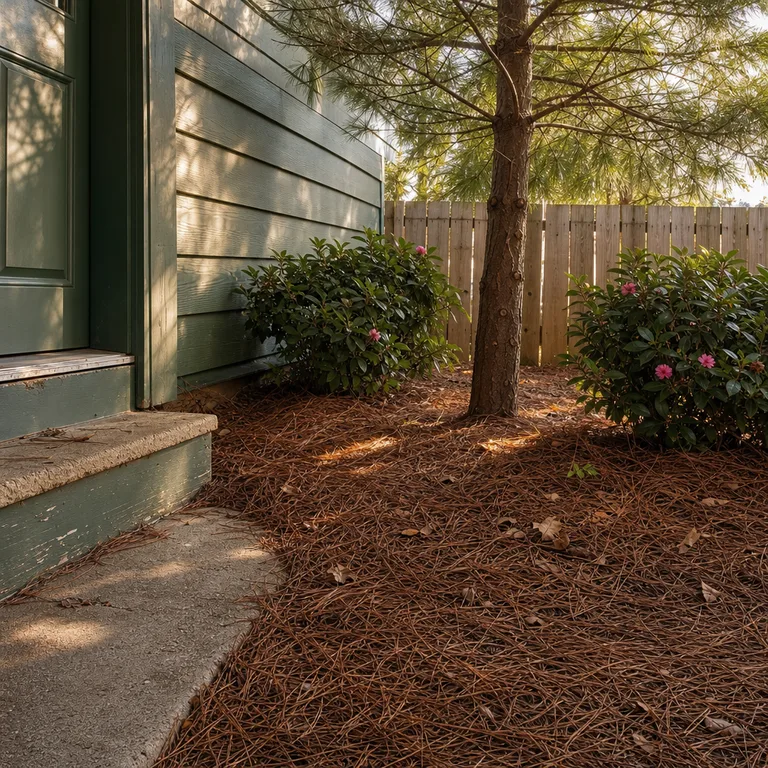
Gather only clean needles from an area not treated with lawn chemicals, and spread them loosely rather than packing them around plant stems. They are especially practical beneath existing pines, where matching the surrounding ground cover can make the bed feel less patched together.
Worth knowing: Pine needles are not equally available in every area and may be too informal for a formal flower border.
7.Dry Untreated Grass Clippings Before Using Them in a Thin Layer
Dry, untreated grass clippings can cover small gaps between peppers, marigolds, and other warm-season plants. This option uses a common yard material, but it works only when applied in very thin, scattered layers rather than wet piles.
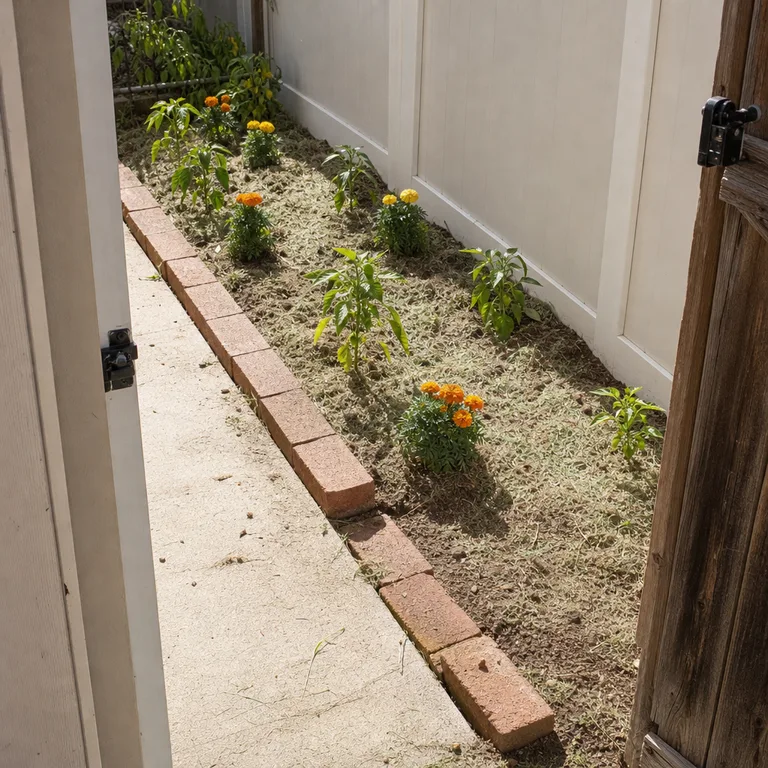
Let clippings dry first, especially after mowing damp grass, and add new light layers as earlier ones settle. Avoid clippings from turf treated with herbicides or other products that could affect garden plants, and keep the material clear of shallow plant crowns.
Worth knowing: Wet or thick grass clippings can mat into a dense layer that holds too much moisture and smells unpleasant.
Related: 10 Small-Yard Lawn Alternatives You Can Try One Patch at a Time
8.Ask Local Tree Crews for Fresh Arborist Chips for Larger Shrubs
Mixed arborist chips can be a practical local material for a broader shrub bed, particularly around established lilacs, small trees, and tough perennials. The mixed bark, wood, and leaf pieces look less uniform than bagged mulch but provide a useful, natural-looking cover over a larger patch of soil.
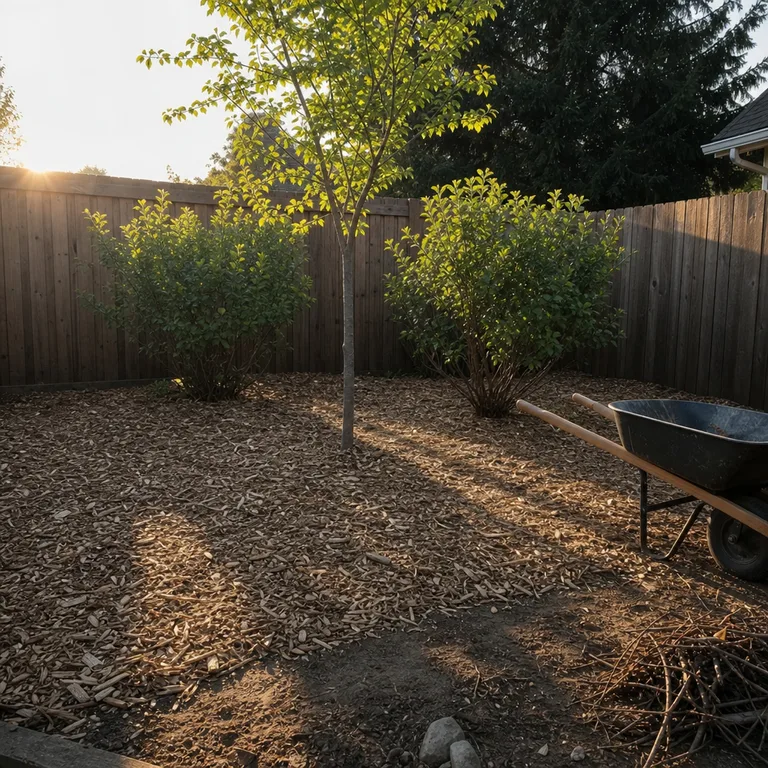
Ask about the source before accepting chips, and decline loads that include trash, unknown debris, or material from plants that may be diseased or problematic in the area. Use the coarsest pieces around woody plants, rake out conspicuous sticks, and keep the surface away from trunks and house siding.
Worth knowing: Arborist chips can be uneven in size and appearance, so they are usually less tidy near small flowers or a front entry.
9.Keep Sound Existing Mulch and Top Up Bare Patches
Existing mulch does not need replacing simply because its color has faded. If it is clean, drains well, and has not formed a dense crust, raking it level and filling bare spots can make the bed look finished while using less new material.
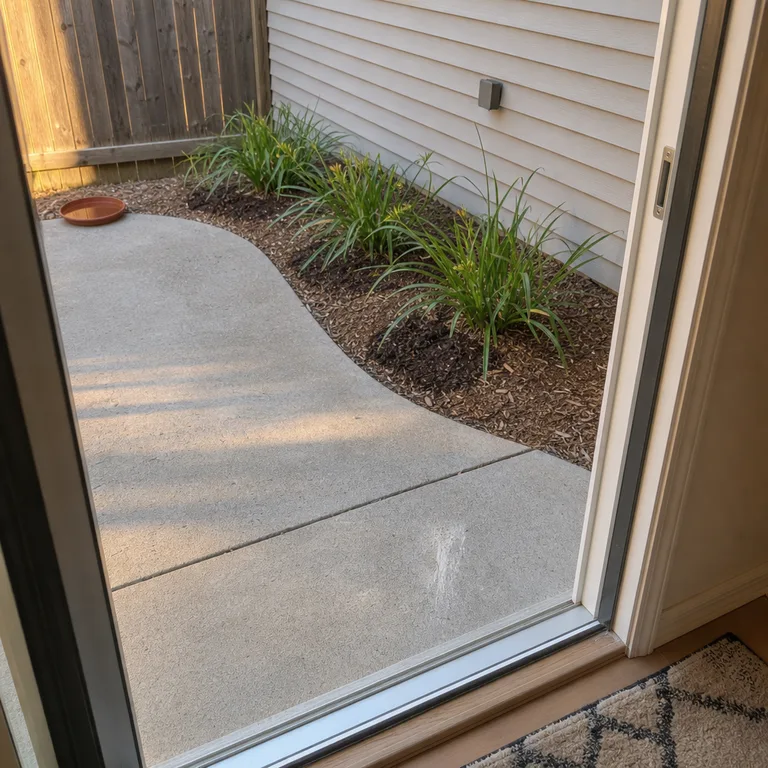
Pull back old mulch to inspect the soil and plant bases, remove visible weeds and debris, then blend a matching new material into the thinnest areas. This approach is especially useful around established daylilies and shrubs, where a settled mulch layer already fits the bed shape.
Worth knowing: Old mulch that smells sour, mats tightly, contains trash, or shows signs of pests should be removed rather than covered over.
About the author
Dana Ruiz, Senior editor
Dana writes about small-space living, storage and low-cost decorating.
Keep reading
7 Narrow Foundation Bed Layouts for the Front of a Small House
October 31, 2026
8 Christmas Porch Planters Using Empty Summer Pots
October 29, 2026
8 Small Front Yard Layouts for a Plain Rectangular Lawn
October 29, 2026
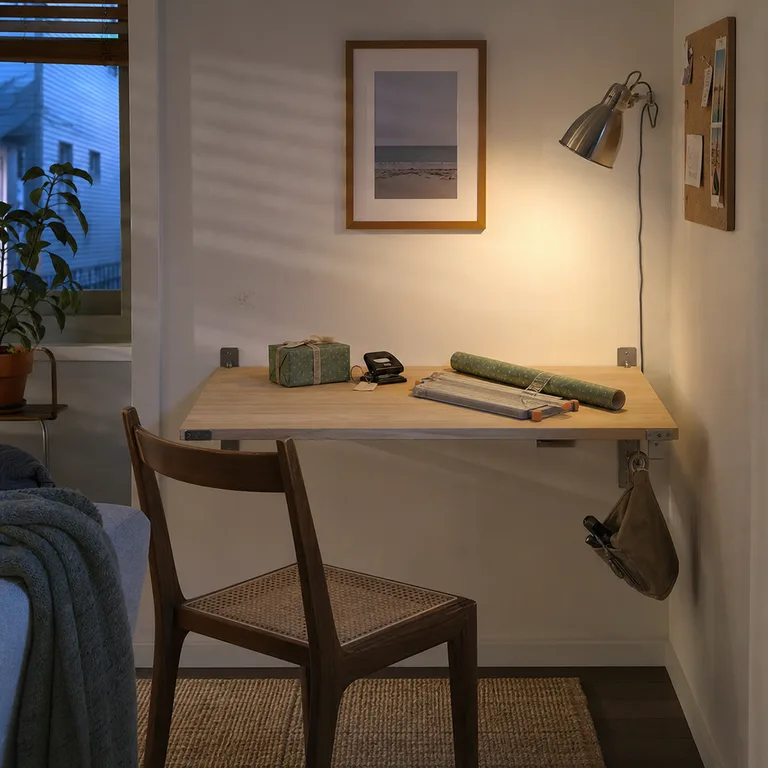
8 Christmas Gift-Wrapping Stations That Pack Away in a Small Home
October 31, 2026