9 Kids' School Paper Organization Ideas That Separate Forms From Keepsakes
A small entryway can give school papers a clear route: sign-and-return items stay visible, current reference papers remain close by, and only chosen work moves into a limited archive. These nine setups use wall space, a shallow cabinet, and simple containers so each child can take ownership without turning family paperwork into a general mail station.
As an Amazon Associate I earn from qualifying purchases.
1.Use Three Labeled Vertical Pockets for Sign, Return, and Keep
Mount three vertical pockets near the usual door or backpack drop spot. Label them Sign, Return, and Keep with words or simple icons that younger children can recognize.
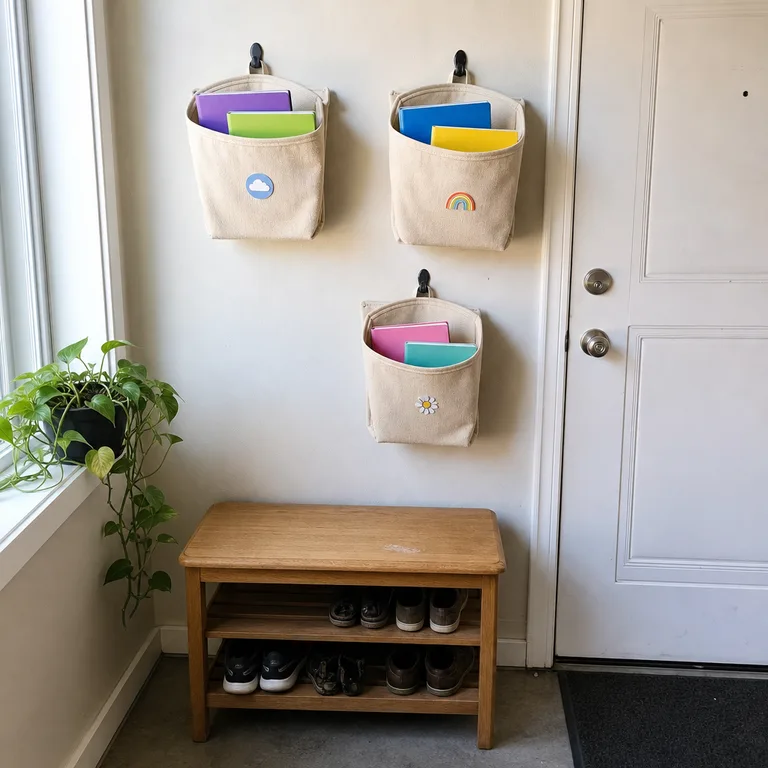
The Sign pocket holds forms that need an adult’s attention, while Return holds papers that are ready to go back to school. Keep is only a temporary holding place for work that may be worth saving, so it does not become a permanent paper pile.
Reuse sturdy magazine files, hanging fabric pockets, or shallow wall baskets if they fit the space. Secure mounted pockets well, especially in a busy entryway where bags and coats may brush against them.
Worth knowing: This works best when someone checks the Sign and Return pockets often; urgent forms can still be missed if the station is treated as long-term storage.
2.Give Each Child a Clipboard for Papers That Need a Signature
Assign each child one clipboard for permission slips, reading logs, and other papers that need a signature or response. Hang the clipboards at adult height near the entry bench, or keep them in a narrow upright holder.
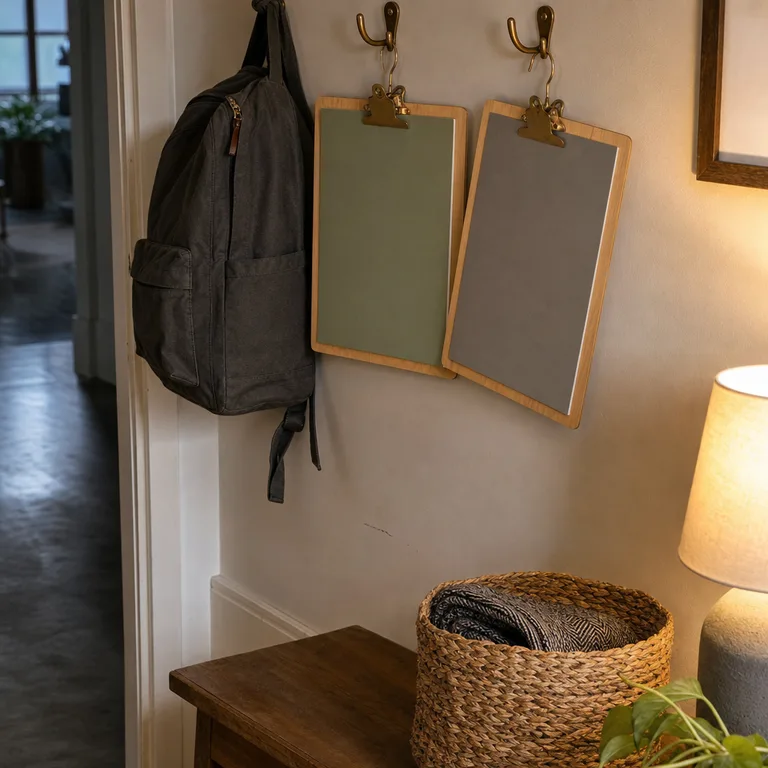
A clipboard gives active forms a firm boundary and prevents them from disappearing under homework, artwork, or returned worksheets. A colored dot, picture symbol, or initial on the back can show whose clipboard is whose without displaying personal details in a shared area.
Use basic clipboards already around the house and cover the front with plain paper or a removable label. Keep pages face-down or under a blank cover sheet if visitors can see the entry.
Worth knowing: A clipboard has limited capacity, so it is not a good place for papers that need to be kept for the whole term.
3.Put Tomorrow’s Return Papers in a Backpack Drop Tray
Place a shallow tray beneath backpack hooks or beside the spot where bags land each afternoon. Once a form is signed or completed, it moves into a closed folder in the tray until it goes back into the correct backpack.
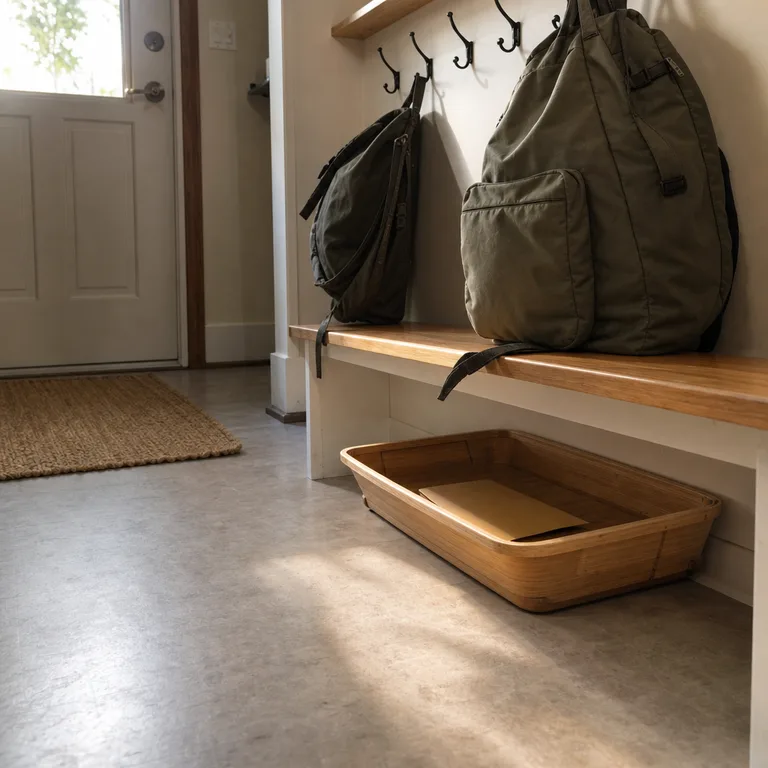
This adds a final step between signing a form and returning it to school. Children can take responsibility for moving their own folder from the tray to their bag, which keeps completed papers separate from work still waiting for attention.
A reused drawer organizer, baking tray, or low basket can work if it does not block a walkway. Choose a spot that stays dry; wet boots, umbrellas, and spilled water can quickly damage school papers.
Worth knowing: The tray only helps if backpacks are packed the night before or checked during the morning routine.
4.Store This Term’s Reference Papers in a Slim Wall File
Set aside a slim wall file for reference papers that may be needed during the current term, such as school calendars, classroom contact lists, activity schedules, or supply reminders. These papers are useful, but they do not belong with forms waiting to be signed.
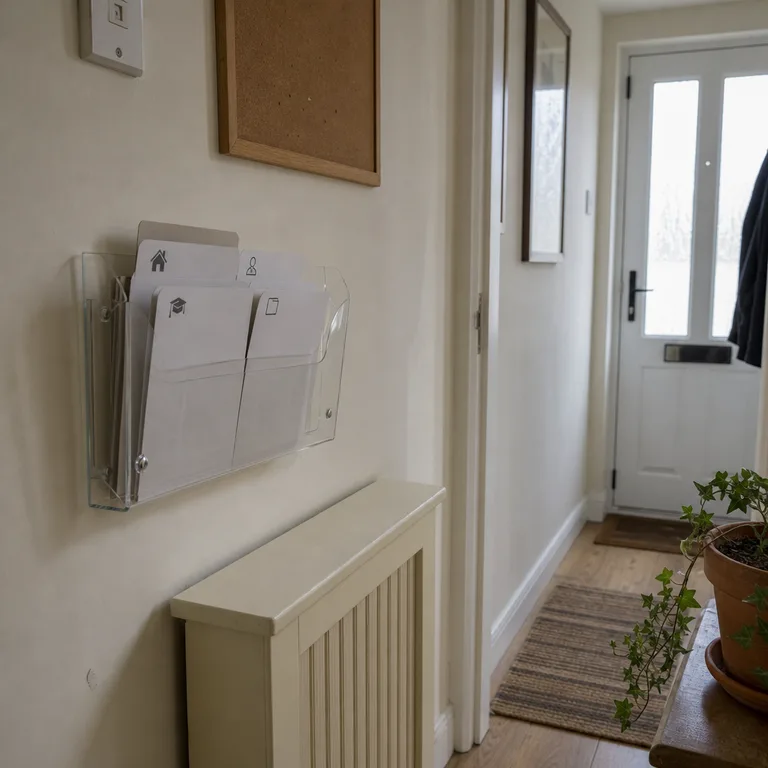
Use a few broad dividers rather than creating a detailed filing system. Simple sections such as School, Activities, and Class Reference are usually enough to keep current information findable in a small space.
A clear file, repurposed literature holder, or wall-mounted magazine rack can keep the footprint narrow. Keep it away from direct sunlight, which can fade printed schedules and make plastic files brittle over time.
Worth knowing: Reference papers need a term-by-term reset, or outdated schedules and notices will slowly crowd out current information.
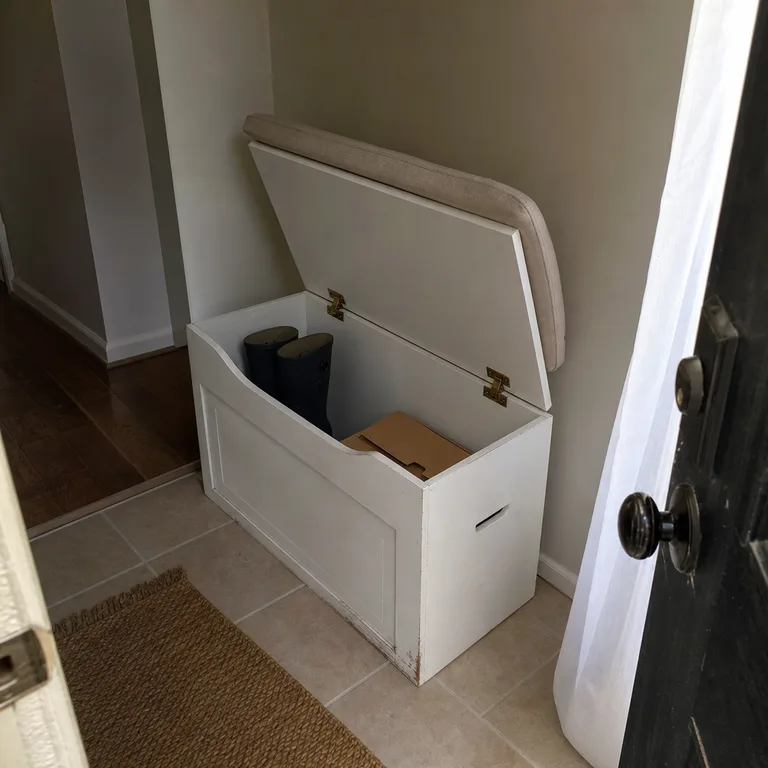
5.Use a Lidded Bench Compartment for One Current-School Folder
Keep one closed folder inside a storage bench for school information adults may need to consult but do not need to see every day. This can hold the current term’s reference papers after they leave the wall file, along with notices that need to be retained for a while.
Concealed storage makes an entryway look calmer than an open stack of papers, especially in a small home where the door opens directly into the living area. A single folder also creates a clear limit: when it becomes too full, older papers need to be reviewed.
Reuse an expandable folder or sturdy document envelope rather than buying a new filing box. If the bench is near exterior doors, make sure the compartment stays dry and does not collect damp coats, wet shoes, or condensation.
Worth knowing: Papers stored under a bench are less visible, so this is better for reference material than forms with a deadline.
6.Create a Friday Inbox for Returned Work to Review Together
Use one small inbox for returned worksheets, drawings, and class projects that come home during the week. This is not the archive; it is a waiting place until a regular review time.
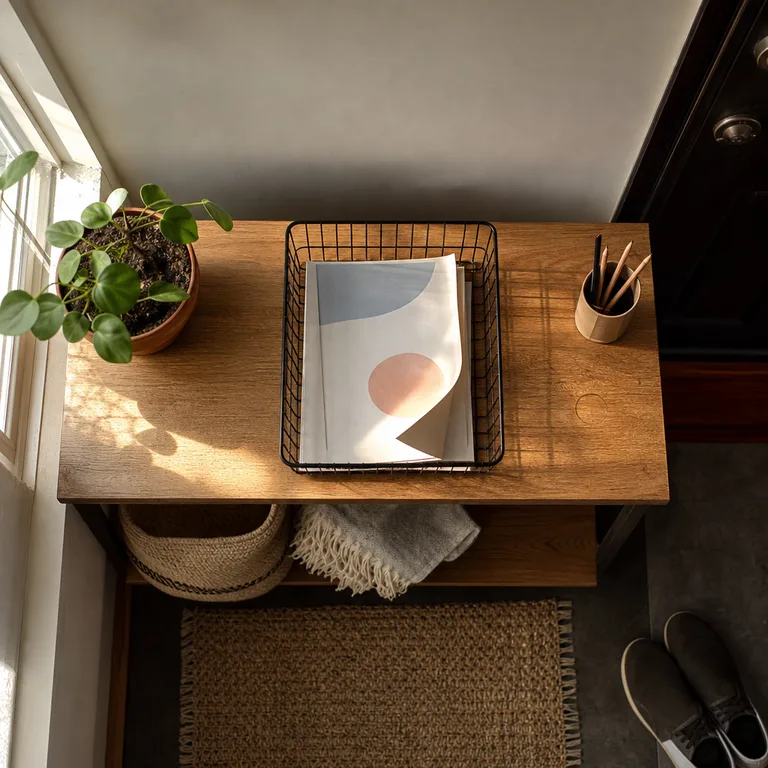
A weekly review removes the pressure to decide immediately whether every page is meaningful. It also lets children explain a drawing, piece of writing, or marked assignment before the family chooses what to recycle, display briefly, or save.
A wire inbox, low tray, or reused box is enough for this job. Keep it in a dry spot where it will not be confused with forms to sign, and empty it on the same day each week when possible.
Worth knowing: If the weekly review is skipped repeatedly, the inbox can become another unsorted stack of paper.
7.Let Each Child Choose Keepsakes With a One-In-One-Out Portfolio
Give each child a thin portfolio for a small selection of favorite drawings, writing, certificates, and milestone work. When a new piece goes in, one older piece must come out for recycling, photographing, or another decision.
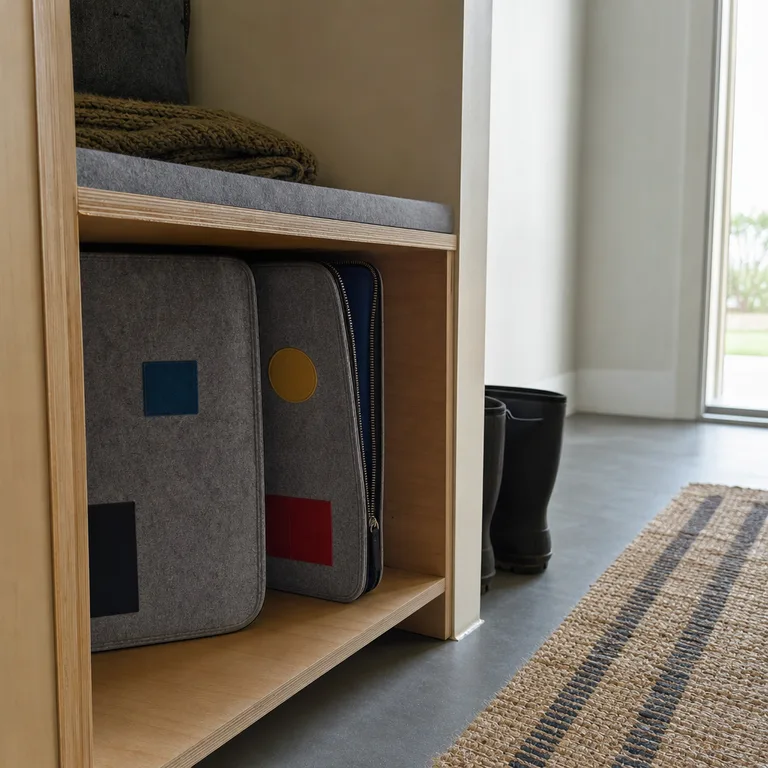
This keeps the child involved in choosing what represents the school year instead of saving every worksheet by default. A defined portfolio also prevents keepsakes from expanding into multiple loose piles around the home.
Use a zip document case, an old presentation folder, or a clean art portfolio with a simple color or symbol for each child. Check that the portfolio can close without forcing or bending the paper, since overfilling can damage the work inside.
Worth knowing: One-in-one-out can be difficult for children who are attached to many items, so adults may need to guide the choice without taking over.
8.Move Approved Keepsakes Into a Dated Archive Box
When a portfolio fills or the school year ends, move only the final chosen pieces into a dated archive box. Use a broad date range or school year on a private label, and avoid putting children’s full names or school details on boxes stored where others may see them.
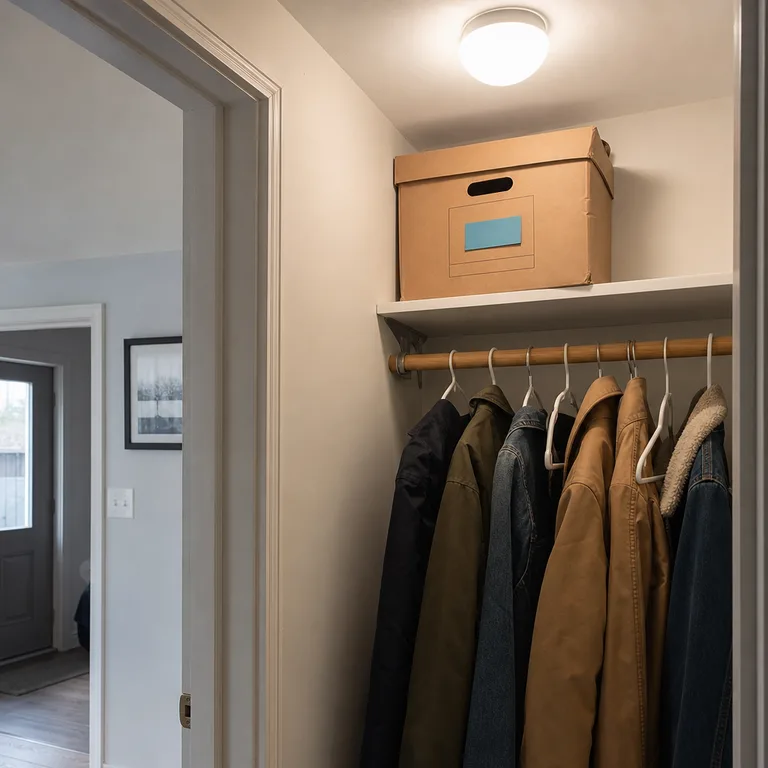
An archive box protects selected memories from daily handling while keeping the active entryway system focused on current papers. Store it on a high closet shelf or in another dry, stable area rather than near a damp basement wall or hot attic.
Reuse a clean lidded box that closes securely, or choose an archival-style document box for papers that matter most. Place work flat and avoid storing it under heavy household items that can crease or crush it.
Worth knowing: Archive boxes still need a size limit; without one, they can simply shift paper clutter out of sight.
9.Set a Seasonal Clear-Out Date on a Small Entryway Calendar
Add a simple seasonal reminder to the entry calendar to empty the return tray, review the Friday inbox, check the current-school folder, and update each child’s portfolio. Use colored dots or icons rather than writing personal school information where it is visible.
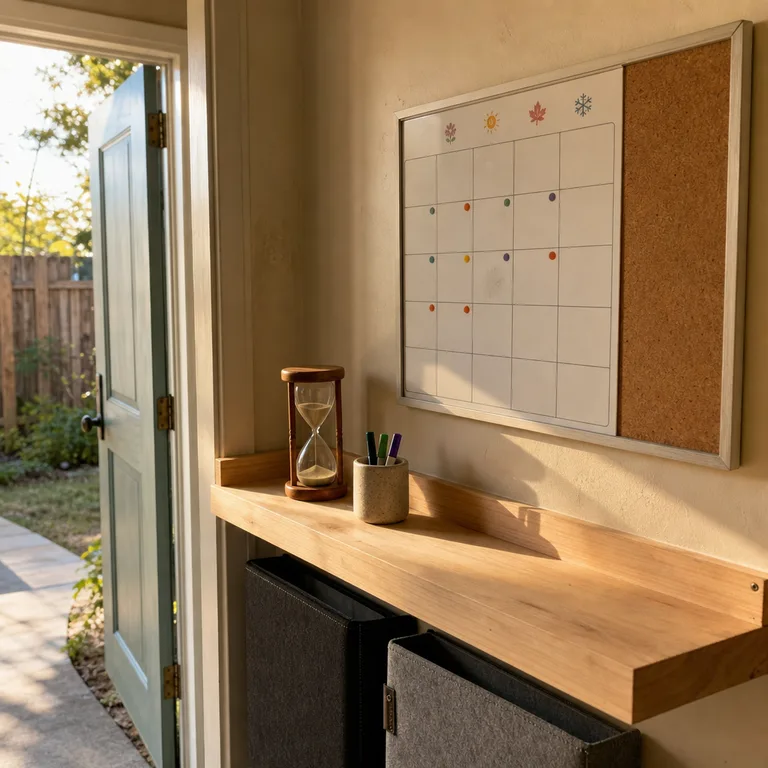
A repeating clear-out routine keeps the whole route working: active forms stay current, reference papers do not linger too long, and keepsakes are selected before piles grow. It also gives each child a predictable chance to make choices about what to keep.
A small dry-erase calendar, cork tile, or card tucked inside a cabinet door can provide the prompt. Pick a time that fits the household rhythm, such as a school break or the start of a new season, rather than relying on a vague intention to sort later.
Worth knowing: A calendar reminder is only a prompt, so the routine still needs a short protected time when the family can actually sort the papers.
About the author
Dana Ruiz, Senior editor
Dana writes about small-space living, storage and low-cost decorating.
Keep reading
7 Remote Control Storage Ideas for a Shared Living Room
October 29, 2026
8 Belt Storage Ideas That Fit an Existing Bedroom Closet
October 29, 2026
8 Christmas Gift-Wrapping Stations That Pack Away in a Small Home
October 31, 2026

7 Small Bedroom Layouts With Sloped Ceilings
October 31, 2026