7 Narrow Foundation Bed Layouts for the Front of a Small House
A narrow foundation bed works best when every plant is chosen for its mature width and height, not the size of its nursery pot. These layouts keep foliage below windows where needed, leave room for siding, vents and maintenance, and suit the shallow strip between a small house and front lawn.
As an Amazon Associate I earn from qualifying purchases.
1.Low Evergreen Band Below a Picture Window
A continuous band of naturally compact evergreens gives a picture window a settled base without blocking light or making the front wall look crowded. Choose shrubs whose listed mature height remains below the sill, and whose mature spread fits the available depth without pressing into the siding.
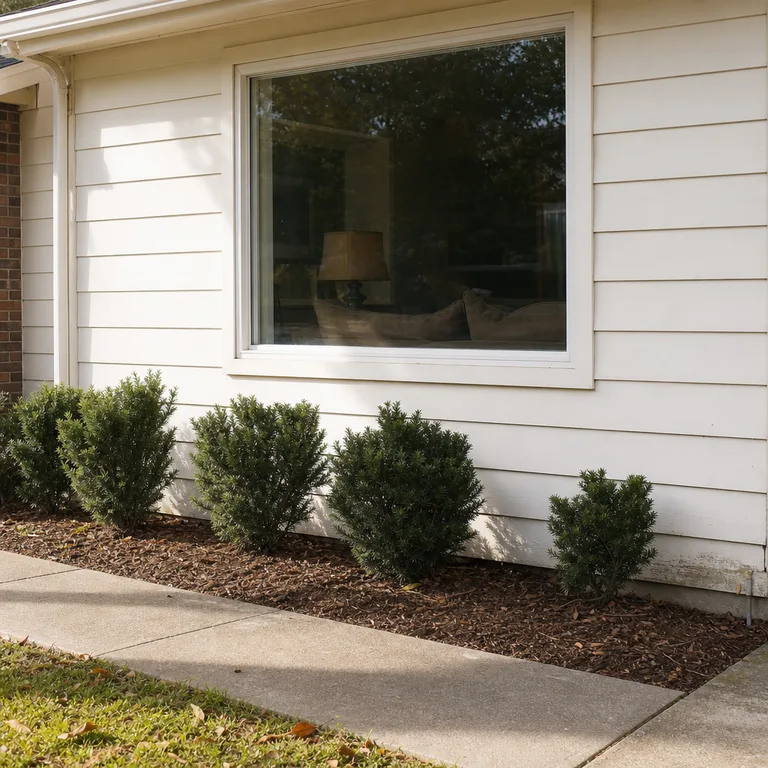
Set the shrubs far enough forward to leave an open mulch strip beside the wall. That gap improves airflow, makes it easier to inspect the exterior, and gives room for cleaning or repairs; use a climate-suited variety so the row does not depend on frequent clipping to stay small.
For an affordable start, use fewer shrubs with proper mature spacing rather than filling every gap with temporary plants. A simple mulch finish is enough here; this is a wall-side planting plan, not a project that needs elaborate edging.
Worth knowing: Evergreen shrubs can still become too large if the cultivar label is ignored, so confirm mature dimensions and winter hardiness before planting.
2.Stepping-Stone Access Behind Low Perennials
Low perennials can soften a foundation without hiding the wall when a narrow maintenance route runs behind them. Place flat stepping stones in mulch between the house and the planting, especially near windows, hose connections, and areas where siding needs occasional attention.
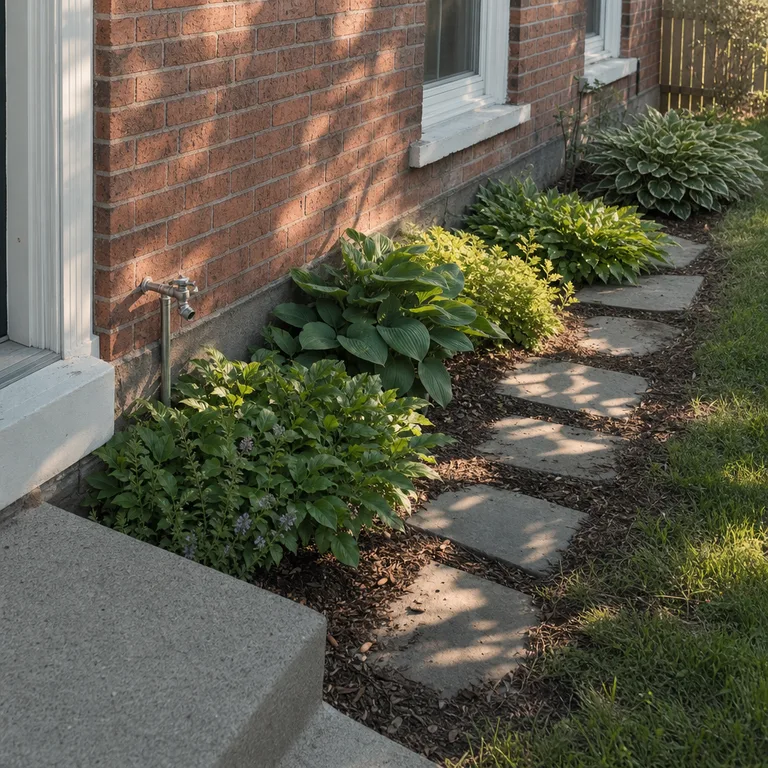
Keep the perennial layer toward the lawn side and select plants that stay low enough to avoid window trim. Repeated leafy clumps make the path feel intentional while allowing someone to reach the wall without stepping on roots or compacting the soil.
Reuse sound flat pavers or leftover stepping stones if their surfaces are stable and level. Set them on a firm base so they do not rock, and leave enough visible mulch around each stone for water to soak in rather than pooling beside the house.
Worth knowing: This layout needs occasional weeding along the path, and loose stones may not suit a very narrow strip or an uneven foundation line.
3.One Small Anchor Shrub at a Blank Wall Section
A single rounded shrub can give a blank stretch of wall some weight without turning a shallow bed into a hedge. Reserve this idea for a section clear of low windows, vents, utility boxes, and downspouts, then use lower plants in front to transition toward the lawn.
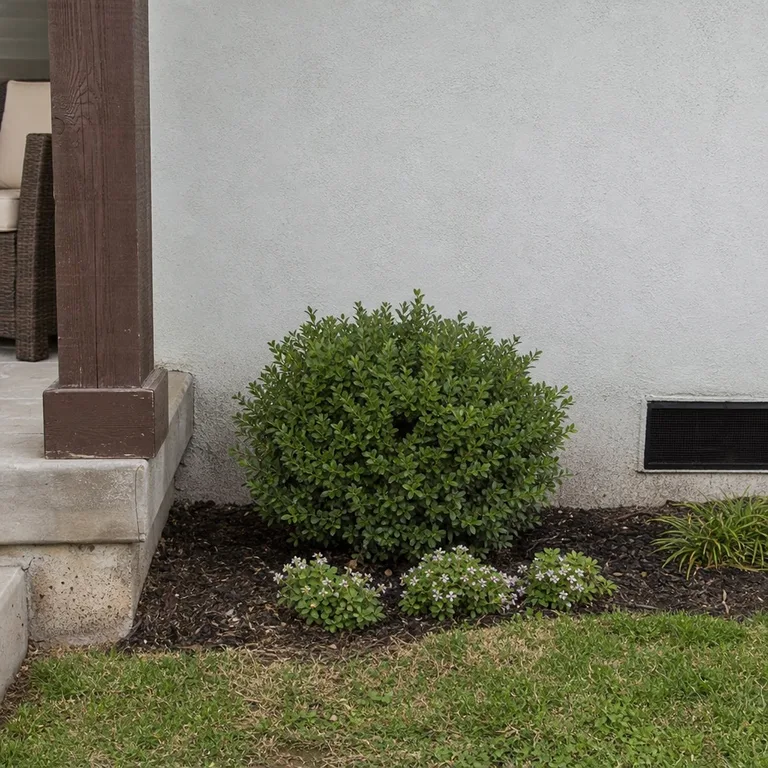
Choose a shrub with a modest mature spread and place it forward of the wall rather than tight against it. The open space behind it helps keep splashback and damp leaves away from the exterior, while the shorter front planting keeps the shrub from looking isolated.
An established division from another part of the yard can fill the front layer if it suits the same sun and moisture conditions. Avoid using fast-growing shrubs simply because they are small at the nursery; a shallow bed has little room to absorb their eventual size.
Worth knowing: A single shrub is visually effective only when the wall section is wide enough to frame it; on a very short section, it can look bulky.
4.Two-Tier Planting for a Raised Foundation
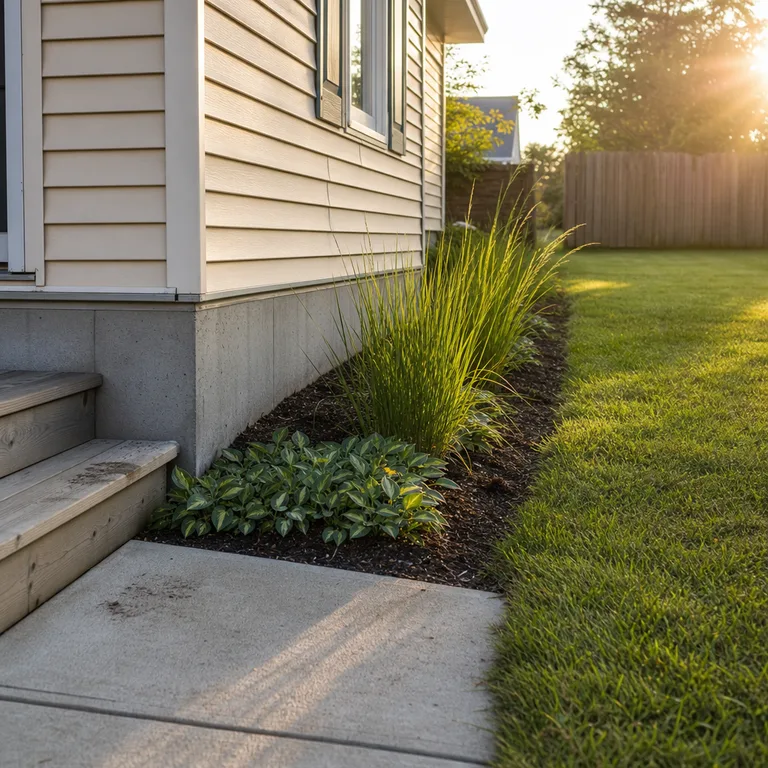
A raised foundation can handle a modest two-tier composition: narrow upright plants near the back and low spreading foliage toward the lawn. This uses the visible height of the foundation without allowing dense plants to lean against siding or cover the lower edge of windows.
Match the back-row plants to the site’s sun exposure. Upright grasses and similar narrow forms need room to move in wind, while the lower front layer should remain open enough that rain can reach the soil and the foundation edge stays visible.
Use divisions of suitable perennials for the front band when available, and plant them at their mature spacing rather than treating the bed as a temporary fill-in. Keep mulch or soil from building up against siding, and make sure water drains away from the house rather than collecting behind the plantings.
Worth knowing: Two layers can look crowded in a particularly shallow strip, so it works best where the raised foundation provides visual height but the bed still has adequate planting depth.
Related: 8 Ways to Expand a Small Flower Bed With Divisions From Existing Perennials
5.Open Gravel Strip Around a Dryer Vent
A dryer vent or utility outlet needs an open zone rather than a plant tucked around it. Leave the immediate area as a simple gravel strip, then begin low plant groupings beyond the required clearance so airflow, inspection, and service access remain straightforward.
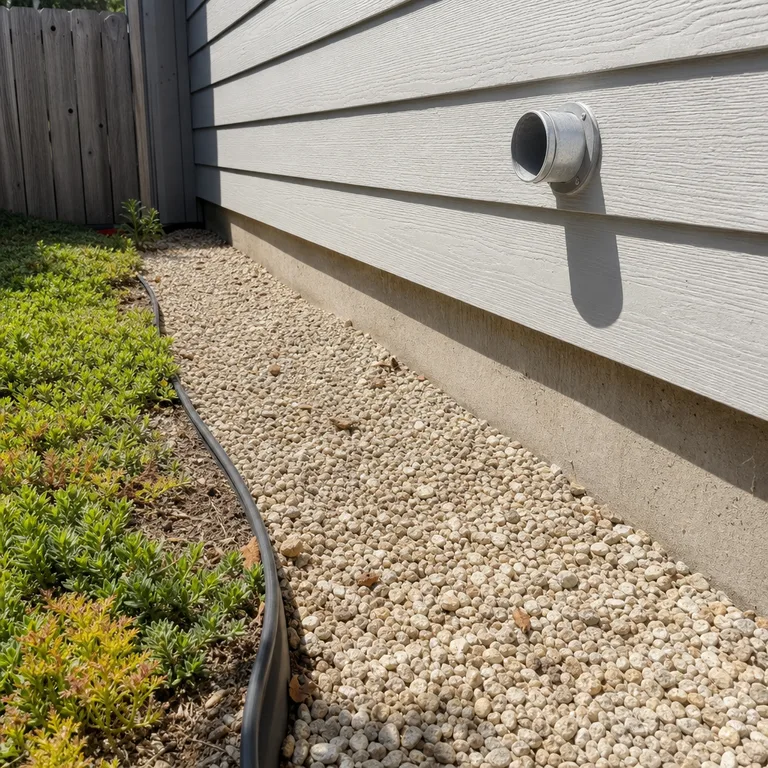
Use washed gravel that will not trap wet leaves as heavily as dense organic mulch can. A restrained edge between gravel and planting keeps the two finishes separate, but the main purpose is function: the vent should remain visible and free of stems, foliage, and creeping groundcover.
Continue the same low planting used elsewhere in the bed beyond the open section so the gravel reads as a planned utility zone. Check local appliance guidance for the vent’s required clearance, and keep the outlet clean in every season.
Worth knowing: Gravel can scatter into the lawn and may need periodic raking, especially near a busy walk or in areas with heavy leaf drop.
6.Repeated Clumps Between Evenly Spaced Windows
Evenly spaced windows invite a simple repeating layout. Place the same low mounding perennial or small groundcover clump beneath each window bay, keeping each group low enough that it does not rise across the glass as it reaches mature size.
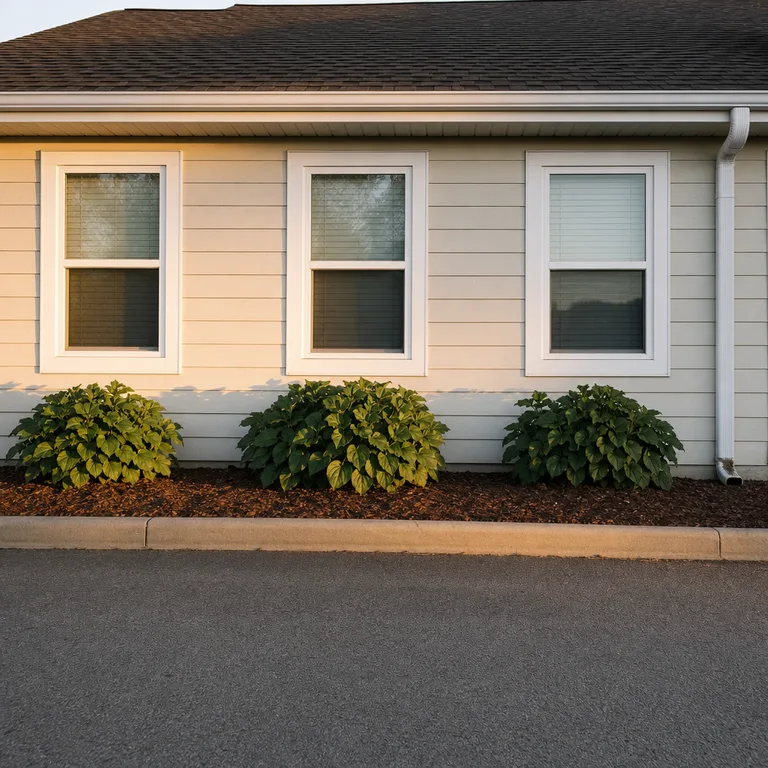
Leave deliberate open gaps at downspouts, hose taps, vents, and corners. Those pauses protect access and make the repetition look cleaner than trying to run one continuous planting through every obstacle.
This approach can be built gradually by dividing a suitable established perennial or buying a small number of matching plants over time. Repeat the same mulch and spacing pattern across the bed, while choosing plants that tolerate the actual sun pattern along that side of the house.
Worth knowing: The layout depends on the windows being reasonably regular; mismatched window heights or major utility interruptions may call for a looser arrangement.
Related: 8 Small Front Yard Layouts for a Plain Rectangular Lawn
7.Seasonal Pots at the Entry With a Clear Wall-Side Bed
Keep the permanent foundation planting low and dependable, then place seasonal color in movable containers near the entry. This keeps the narrow wall-side bed from becoming overfilled while still giving the front door area a changing focal point.
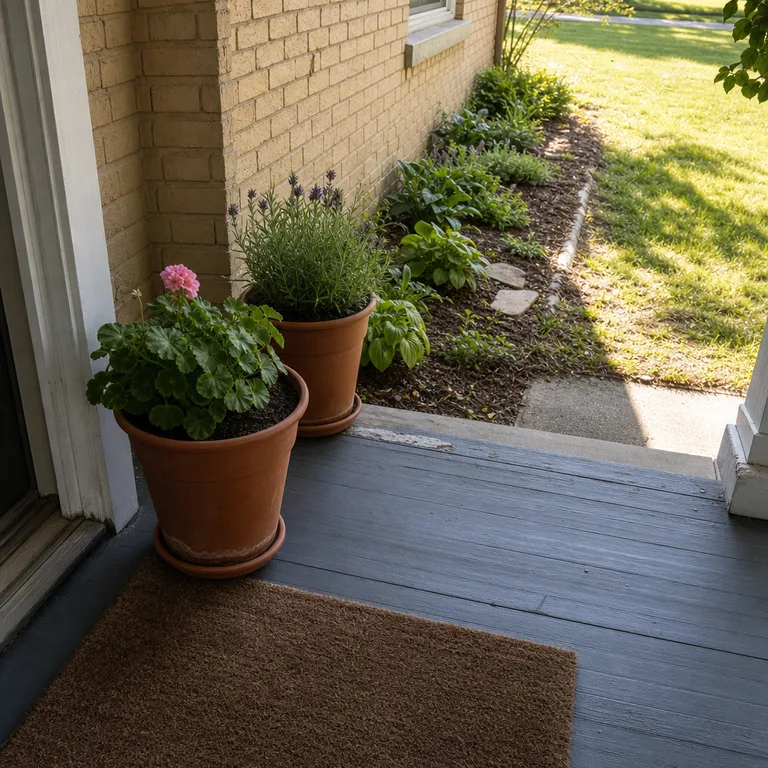
Use containers that do not block the step, handrail, or door swing, and choose a stable placement where water will not stain the porch or pool by the foundation. The permanent bed can stay simple with low foliage, mulch, and clear access to the wall, while the pots handle flowers or seasonal texture.
Existing pots can be refreshed with new planting medium and plants suited to the entry’s light level. Move tender or seasonal containers when weather changes, rather than forcing short-lived plants into a foundation bed that needs to work all year.
Worth knowing: Containers need more regular watering than in-ground planting, particularly under a covered porch or during hot, windy weather.
About the author
Dana Ruiz, Senior editor
Dana writes about small-space living, storage and low-cost decorating.
Keep reading
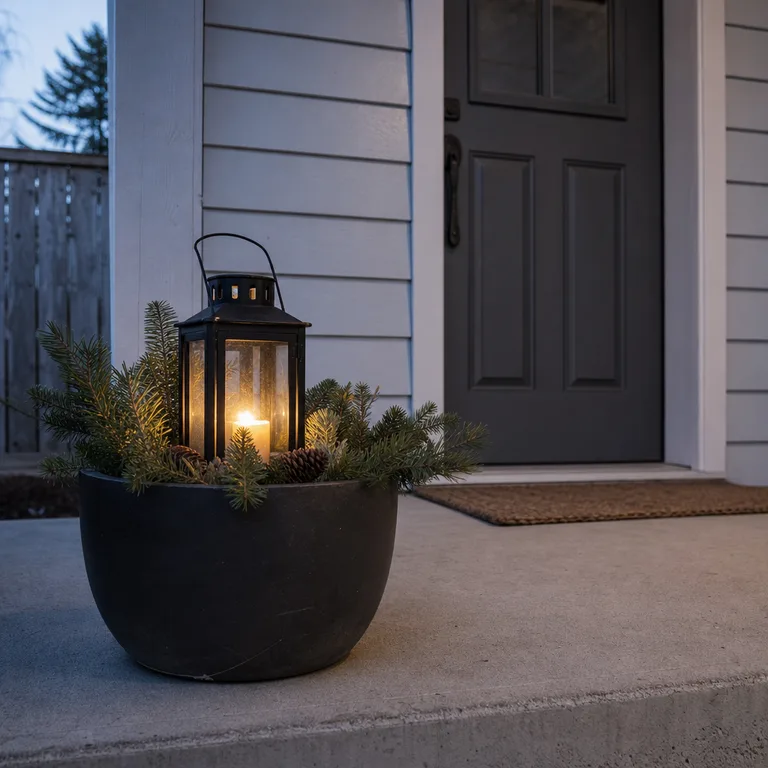
8 Christmas Porch Planters Using Empty Summer Pots
October 29, 2026
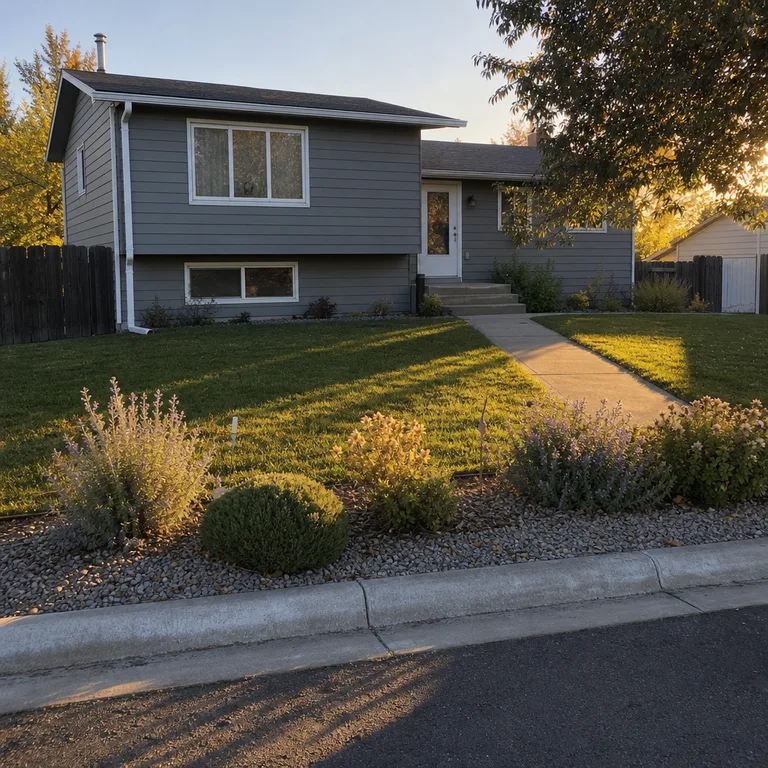
8 Small Front Yard Layouts for a Plain Rectangular Lawn
October 29, 2026
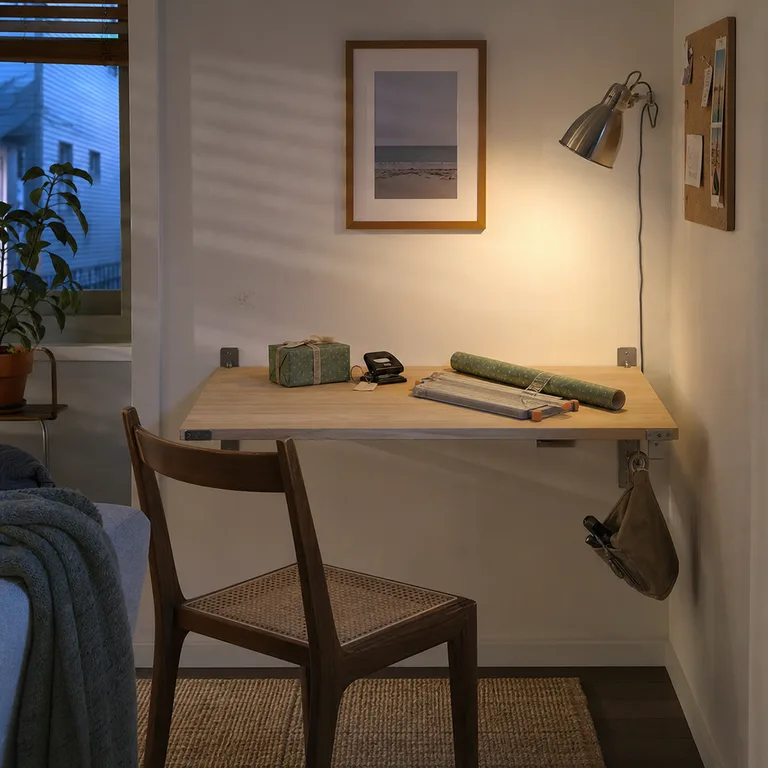
8 Christmas Gift-Wrapping Stations That Pack Away in a Small Home
October 31, 2026
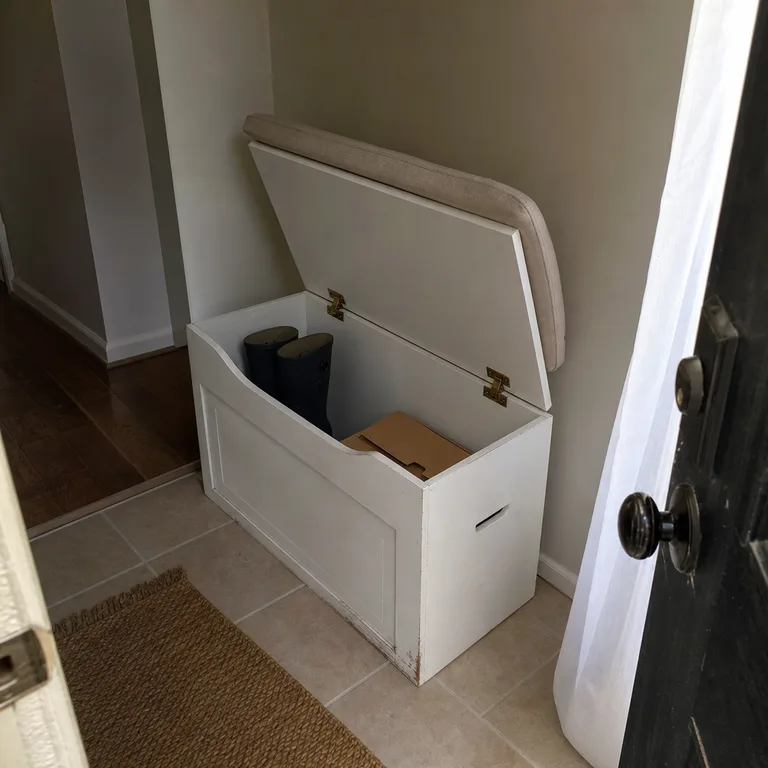
9 Kids' School Paper Organization Ideas That Separate Forms From Keepsakes
October 31, 2026