15 Budget Landscaping Ideas That Make a Small Yard Feel Finished
A small yard feels finished when its edges, paths, planting areas, and useful spaces look intentional rather than scattered. These budget-minded projects rely on simple materials, repeated plants, and manageable DIY work while accounting for drainage, sunlight, and upkeep.
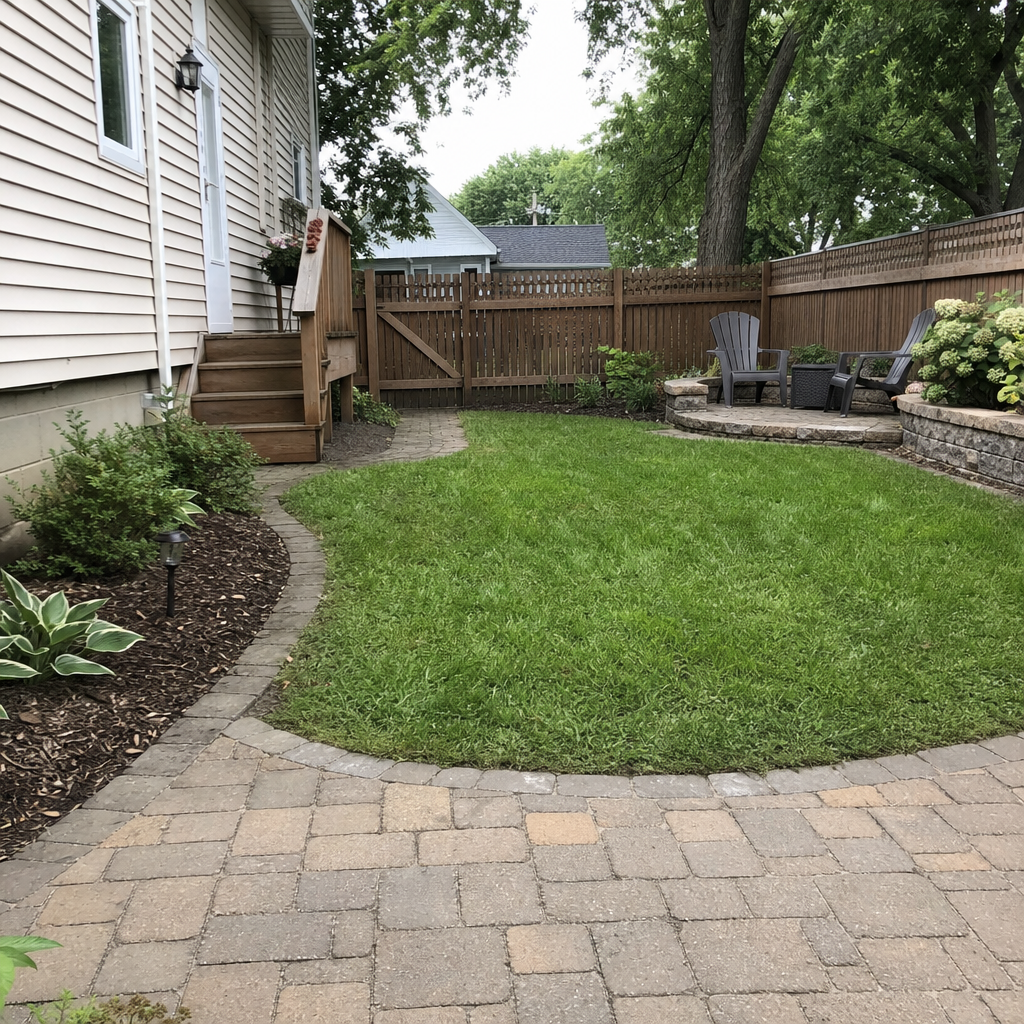
A small yard feels finished when its edges, paths, planting areas, and useful spaces look intentional rather than scattered. These budget-minded projects rely on simple materials, repeated plants, and manageable DIY work while accounting for drainage, sunlight, and upkeep.
1.Define Garden Beds With Simple Edging
Give existing planting beds a clear boundary with a continuous line of pavers, stone, metal edging, or flexible landscape edging. A clean edge separates lawn from soil and makes a few shrubs or perennials look like part of a planned garden.
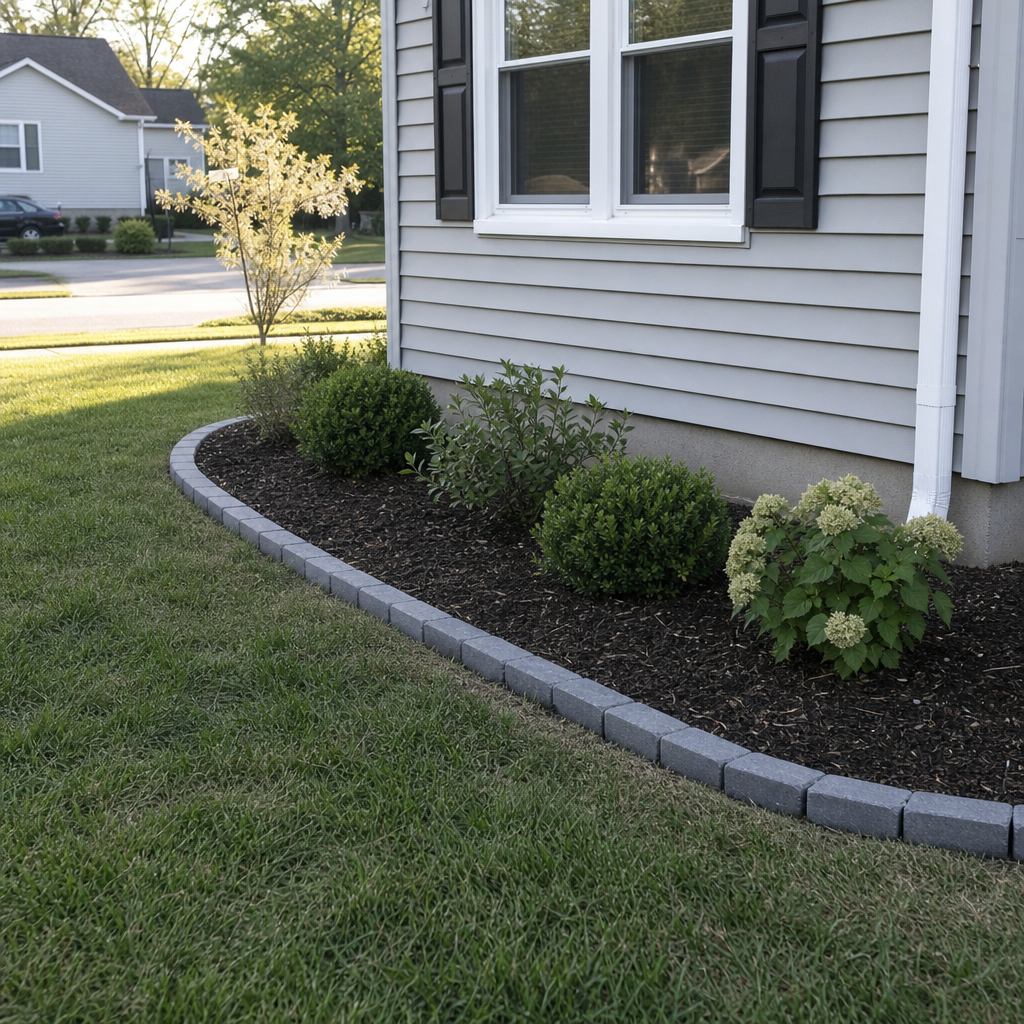
For an affordable approach, follow the bed’s existing shape instead of expanding it dramatically. Set the edge at a consistent depth, then keep the lawn trimmed back so grass does not creep into the bed.
Worth knowing: Pavers and stone take time to level, especially on sloped ground, and flexible edging can shift if it is not secured well.
2.Refresh Bare Soil With Mulch
Cover exposed soil around shrubs, trees, and perennials with a consistent layer of mulch. It makes scattered plantings read as one bed, reduces many weeds, and helps soil hold moisture during dry periods.
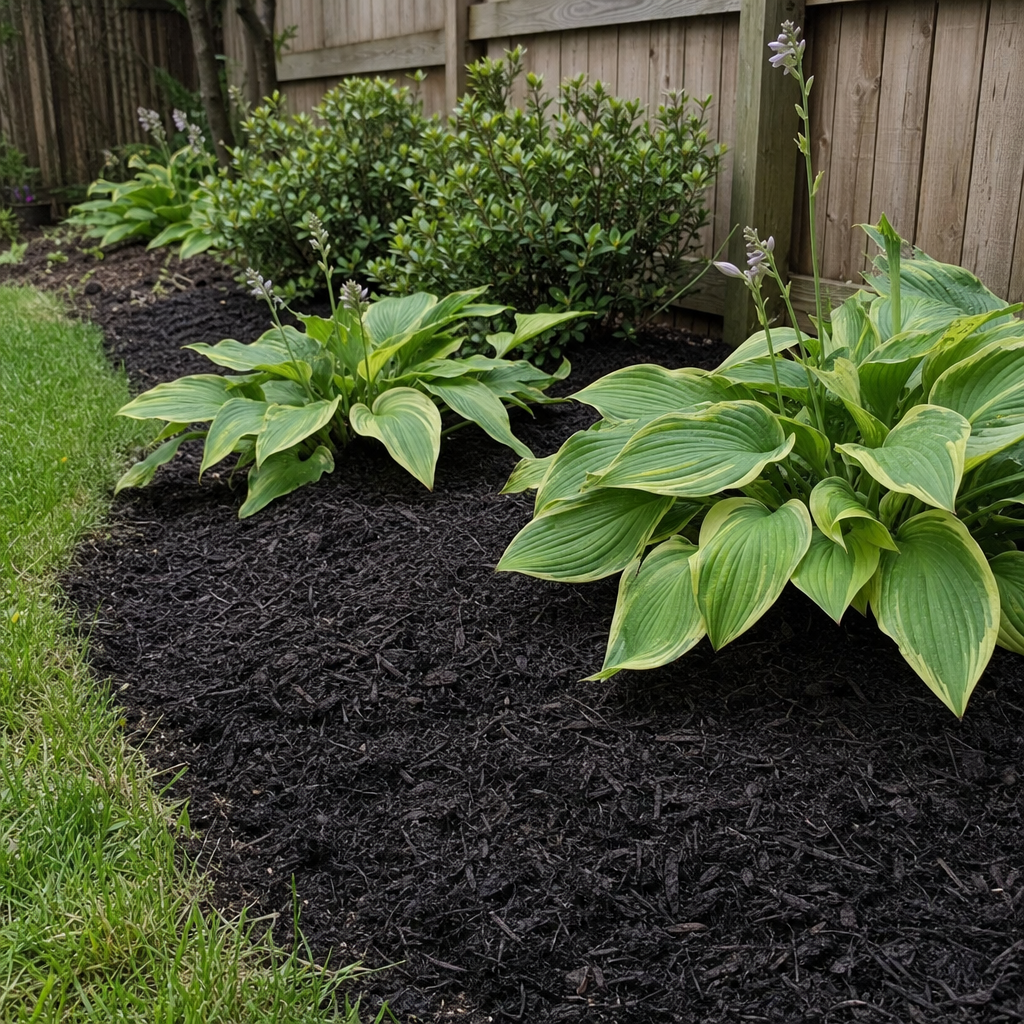
Use one mulch type throughout the visible beds for a calmer look. Keep it pulled back from stems and tree trunks so trapped moisture does not encourage rot or pest problems.
Worth knowing: Mulch needs occasional topping up and can wash out of sloped beds or move during heavy rain.
3.Create One Clear Path to the Door
A simple path gives a small yard a purpose and prevents foot traffic from wearing a muddy track through grass. Spaced stepping stones, gravel, or salvaged pavers can lead visitors from the gate, driveway, or patio to the door.
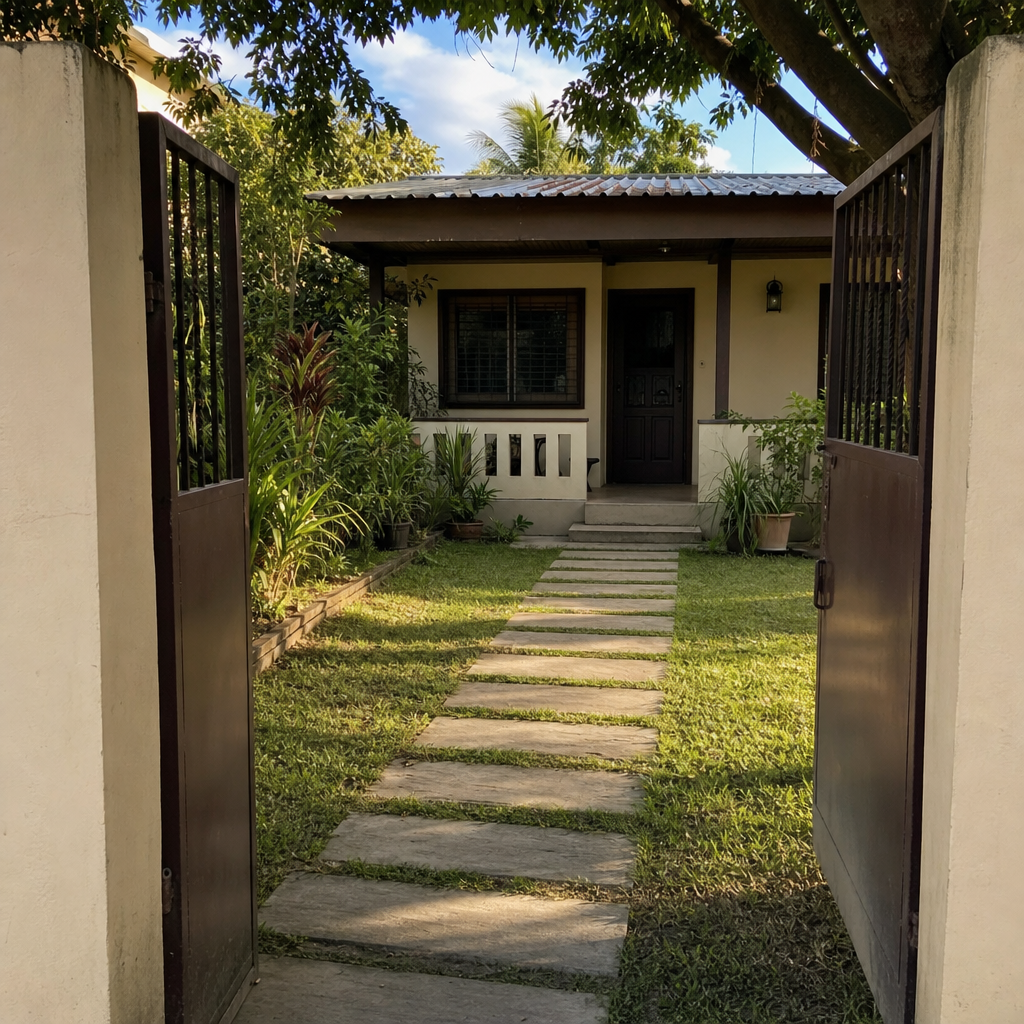
Keep the route direct and wide enough to walk comfortably with groceries or garden tools. Set stones firmly and make the surface level enough to avoid a tripping hazard, particularly near steps and entry doors.
Worth knowing: Loose gravel can migrate into lawn and beds, while individual stepping stones need occasional resetting as the soil settles.
Related: Entryway Ideas For A Hallway With Almost No Space
4.Repeat One Plant Along a Border
Choose one dependable plant and repeat it along a fence, walkway, or bed edge. Repetition creates visual order, which often looks more polished than a collection of unrelated plants in a small space.
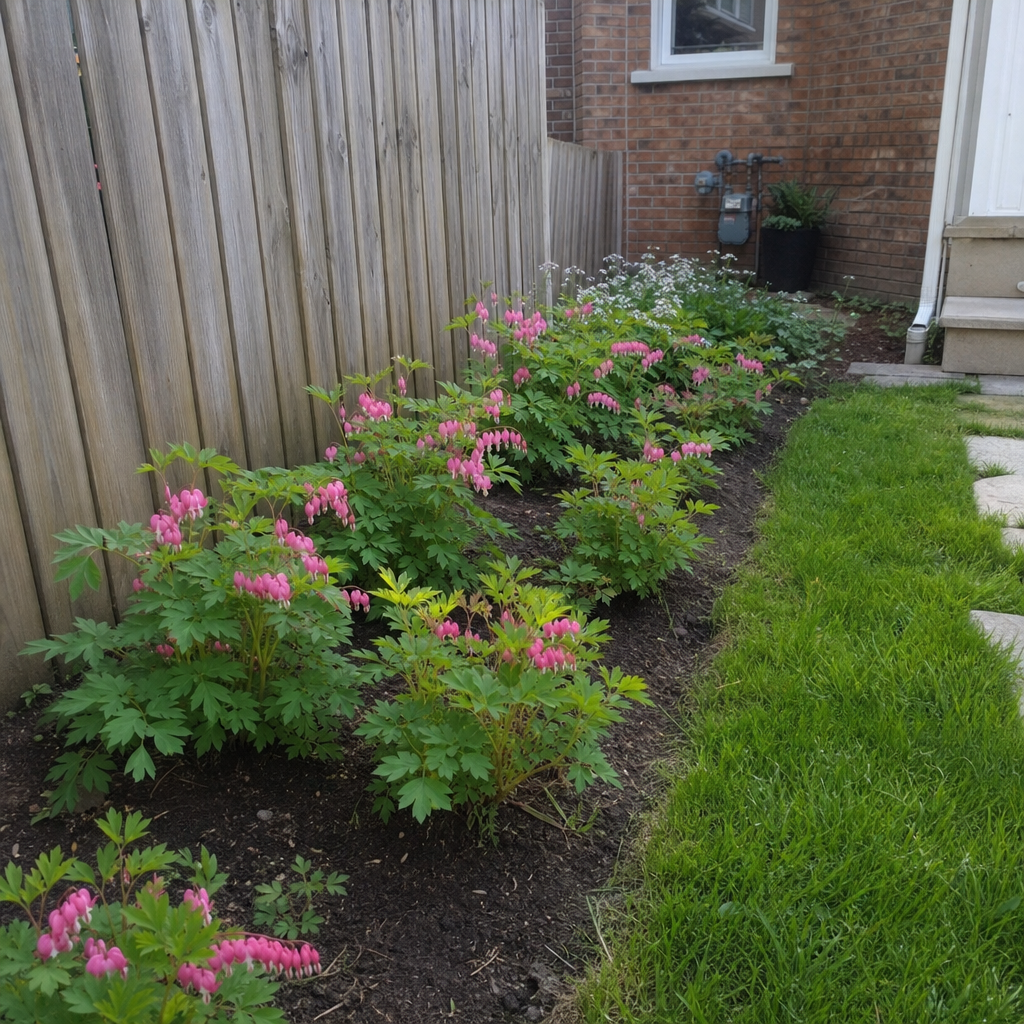
Start with a short stretch and divide healthy plants later if the variety allows it. Match the plant to the site’s actual sunlight and mature spread so the border will not become overcrowded after a growing season or two.
Worth knowing: A single plant variety can leave the border looking sparse during its dormant season or after its bloom period ends.
5.Use Gravel for a Low-Mow Side Yard
Turn a narrow, awkward side yard into a usable gravel strip with a few stepping stones and tough plants or containers. This removes an area that is difficult to mow and gives muddy access between the front and back yard a more finished surface.
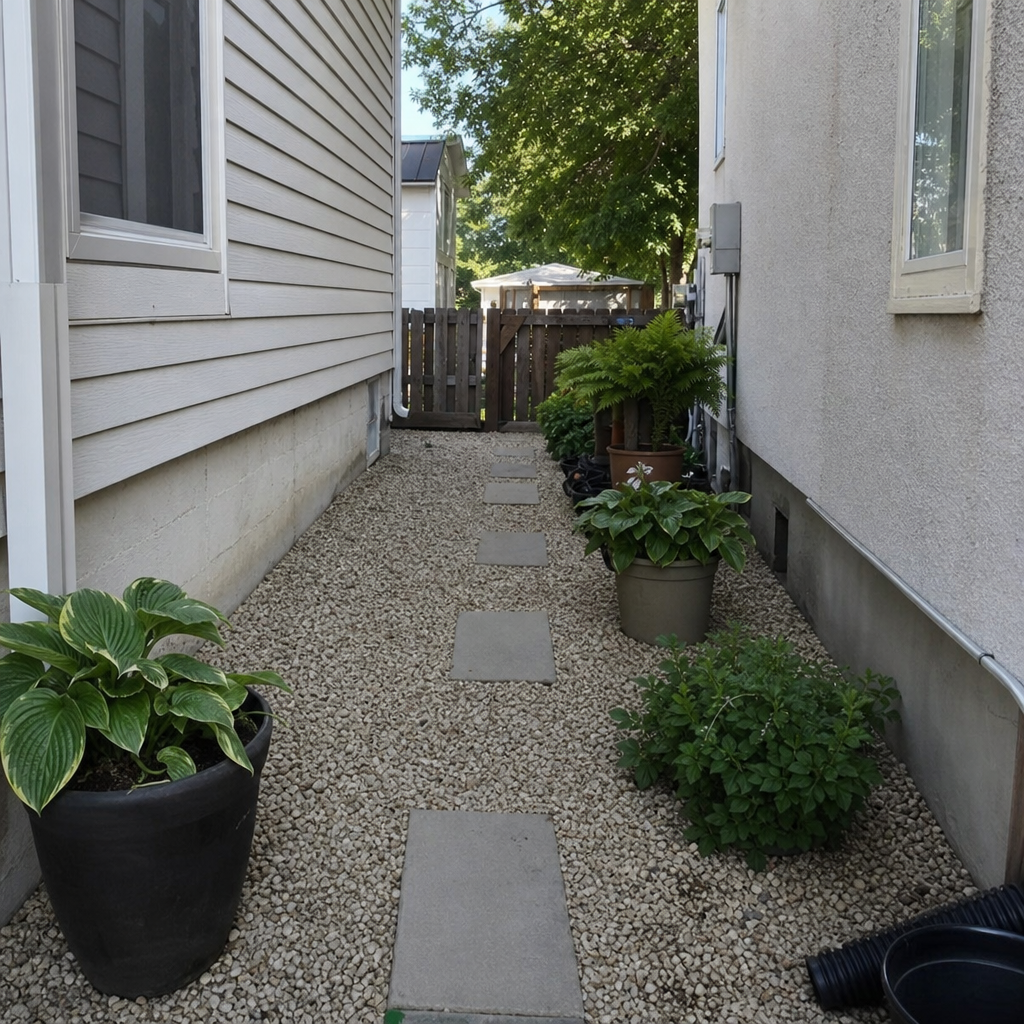
Prepare the ground carefully by removing weeds, shaping the base, and using edging to contain the gravel. Choose a permeable approach where drainage is important, and keep the finished grade sloping away from the house foundation.
Worth knowing: Gravel requires thorough site preparation, and weeds can still appear if the area is not maintained.
Related: How To Build A Simple Gravel Patio On A Small Budget
6.Add a Small Seating Pad
A compact seating pad turns part of the yard into a place to use rather than simply view. A small gravel, paver, or existing concrete surface can hold a pair of chairs and a compact table without taking over the lawn.
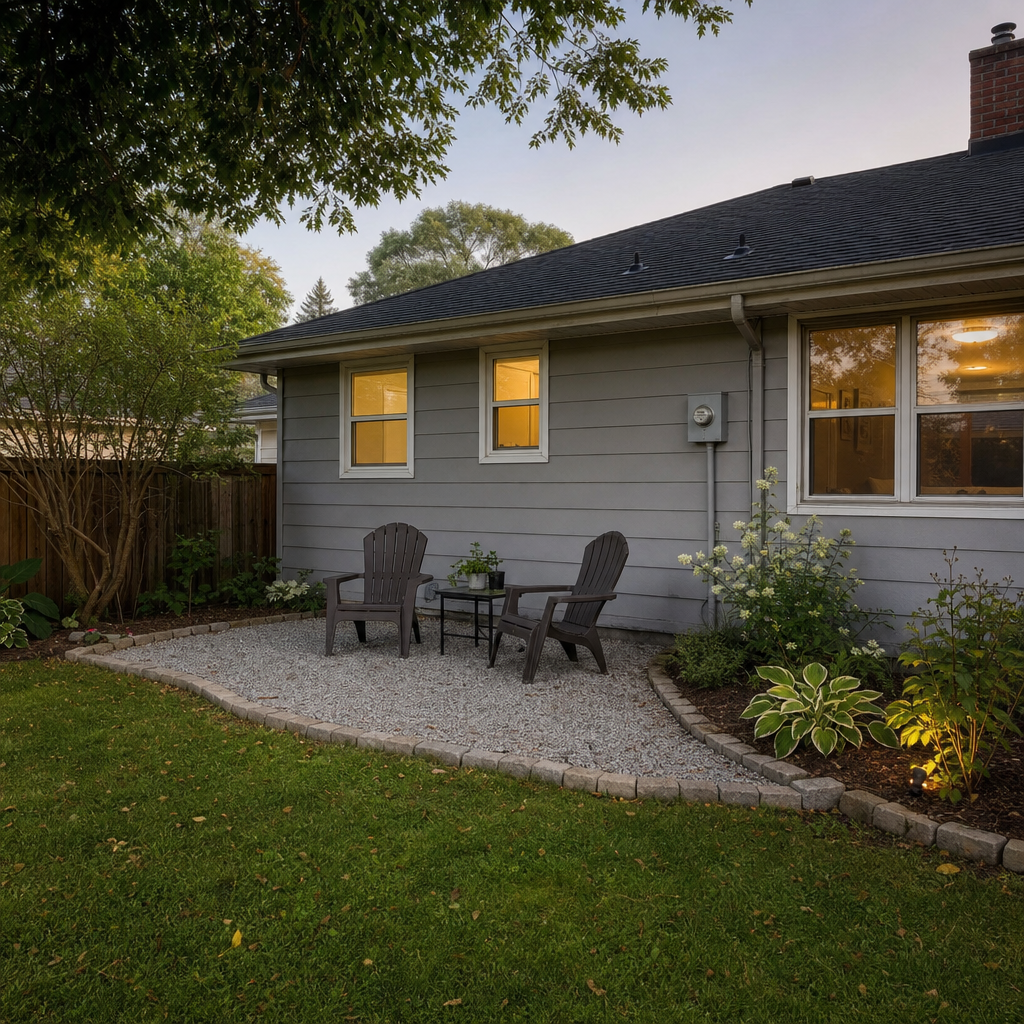
Place it near the house for easy access or in the yard’s best sunny or shaded spot, depending on how it will be used. A gravel pad is often manageable as a weekend project when the base is compacted and edged properly.
Worth knowing: The area must drain away from the house, and uneven ground may require more excavation and base work than expected.
Related: How To Build A Simple Gravel Patio On A Small Budget
7.Screen One Unattractive View
Hide one distracting feature, such as bins, utility equipment, or a close fence line, with a lattice panel, trellis, or lightweight outdoor screen. Removing a visual distraction can make a modest yard feel calmer without changing every surface.
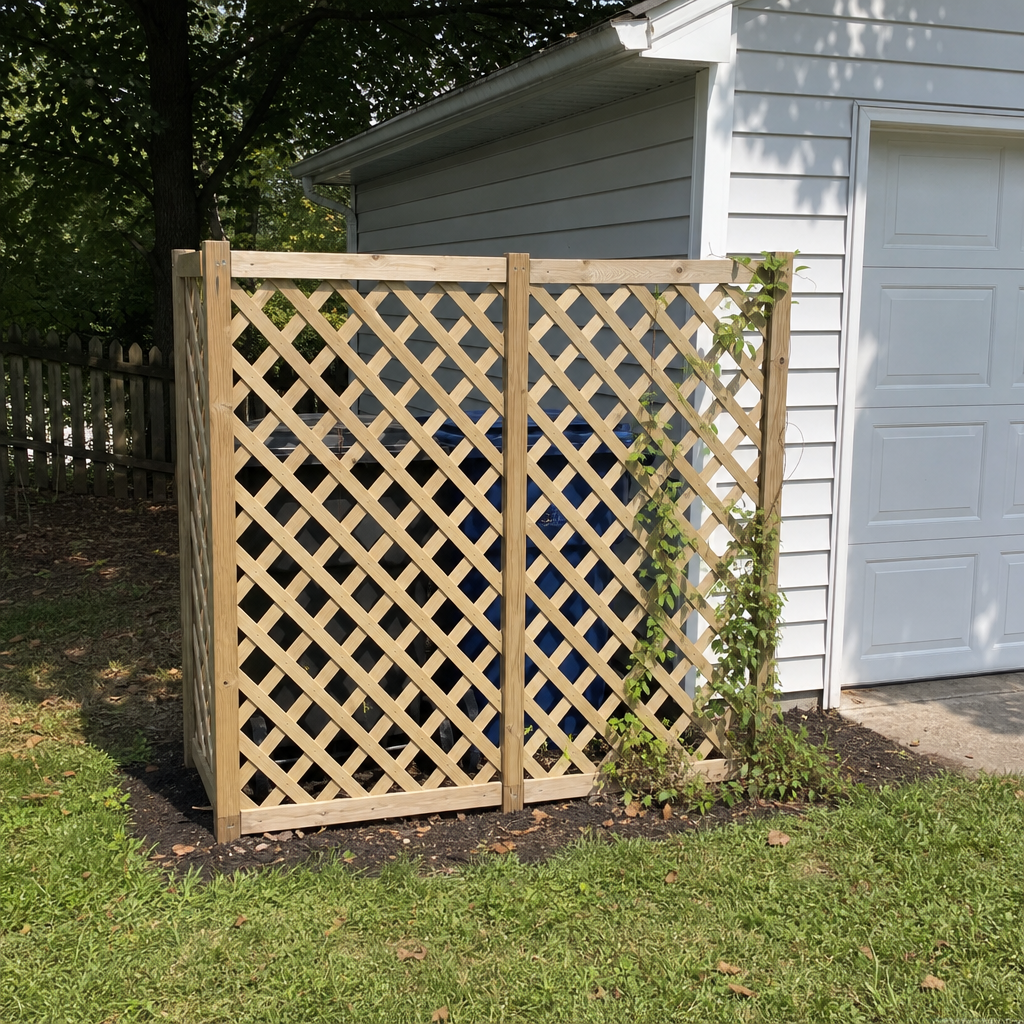
Build the screen so bins and equipment remain easy to reach for collection, repairs, and ventilation. A climbing plant can soften the structure over time, but the screen should still look intentional before the plant fills in.
Worth knowing: Rental rules, utility access requirements, and windy conditions can limit where a screen can be installed.
8.Build a Small Raised Planting Bed
A basic raised bed adds a strong shape to a small yard and creates a better growing area where native soil is compacted, rocky, or poor. It can hold herbs, vegetables, cut flowers, or a simple mix of ornamental plants.
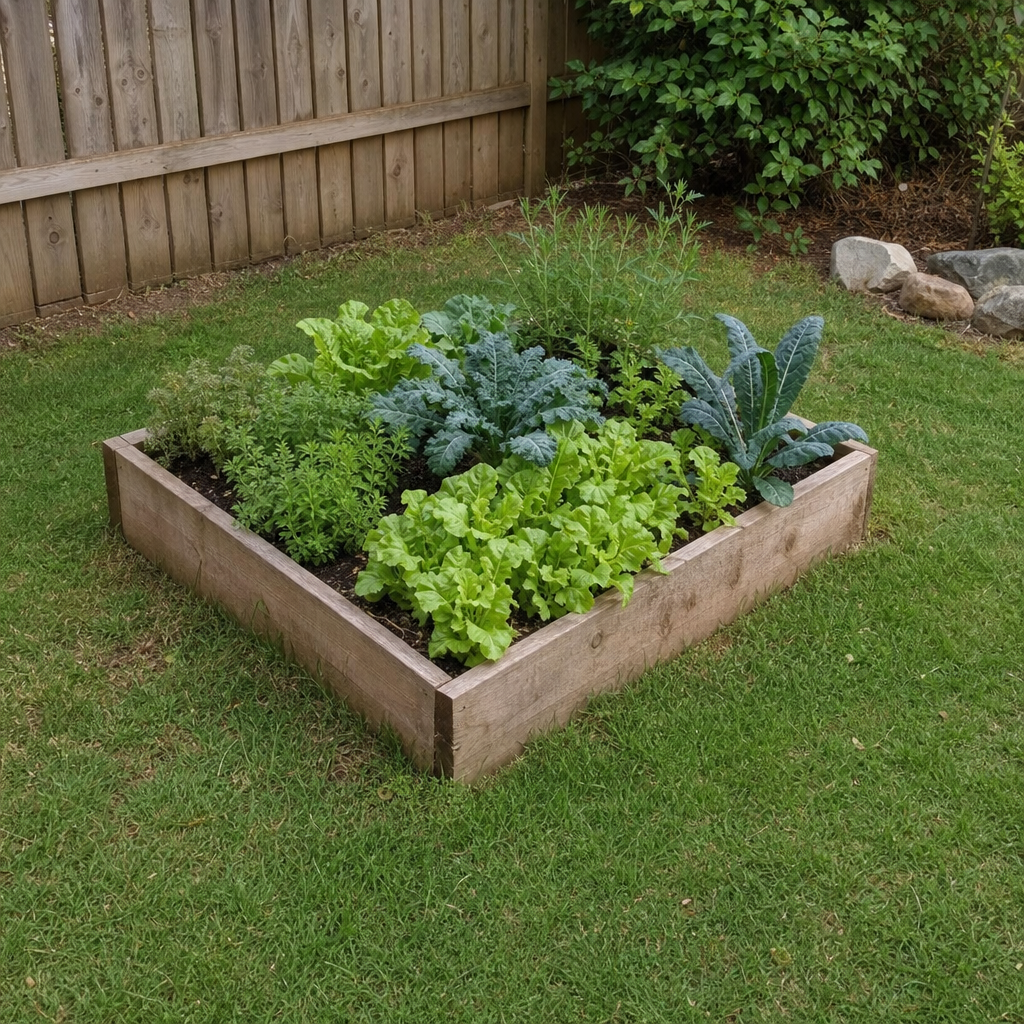
Keep the first bed modest so it is easy to reach from all sides and simple to fill, plant, and water. Use rot-resistant materials suited to outdoor contact, and place the bed where the chosen plants receive enough daily sun.
Worth knowing: Raised beds dry out faster than in-ground beds and need regular watering during hot or windy weather.
9.Group Containers at the Entrance
Group a few containers near porch steps, a gate, or a patio entrance instead of scattering pots across the yard. Different heights create a fuller display, while a limited plant palette keeps the group from looking cluttered.
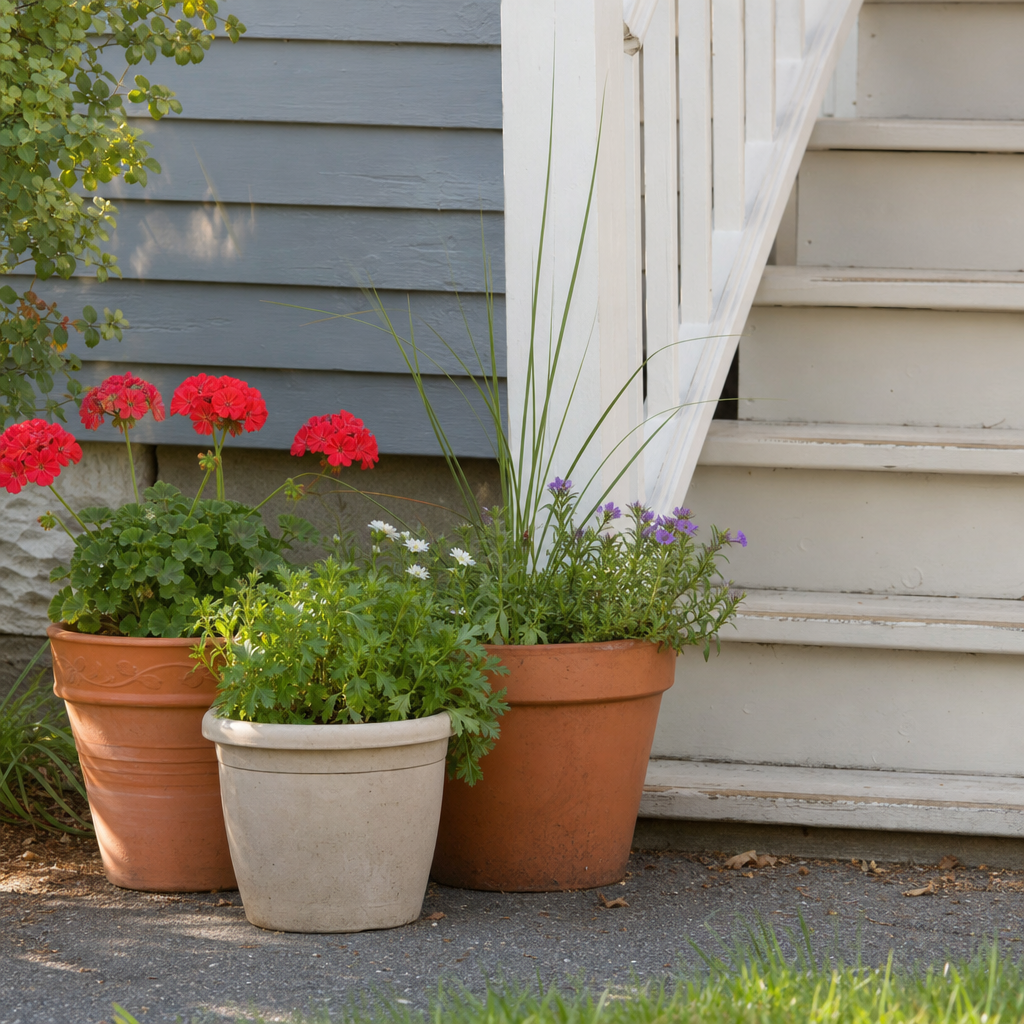
Reuse plain pots, thrifted containers with drainage holes, or matching basic planters for a coordinated look. Choose plants with similar water and sunlight needs so the display is easier to maintain.
Worth knowing: Containers need more frequent watering than in-ground plantings, especially in sunny locations.
Related: Entryway Ideas For A Hallway With Almost No Space
10.Plant a Small Tree as a Focal Point
One well-placed small tree can give a compact yard a center of gravity and make the rest of the landscaping feel arranged around it. Plant it in a mulched circle with a few low plants nearby, leaving enough open lawn so the tree remains the focal point.
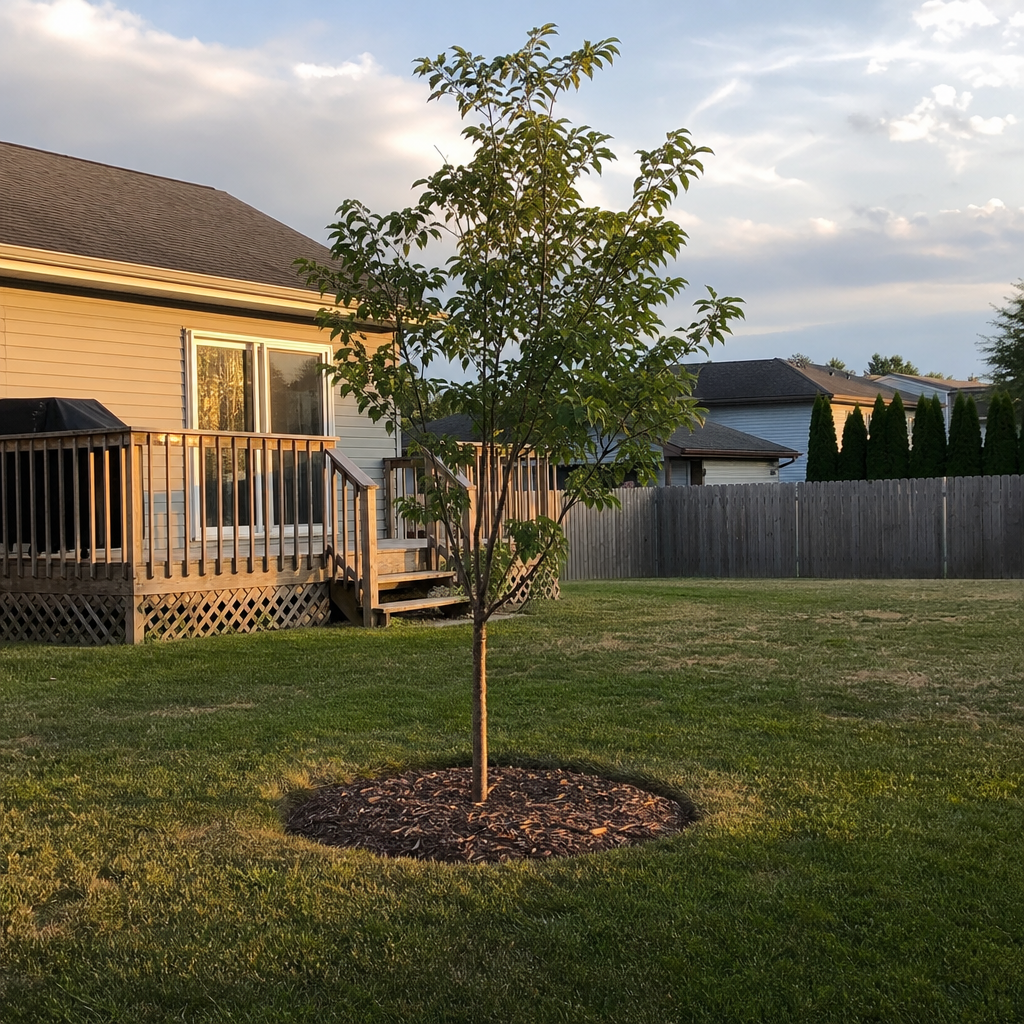
Select a tree for its mature height, canopy width, root behavior, and suitability for the local climate. Check the distance from the house, overhead lines, underground utilities, fences, and neighboring property before planting.
Worth knowing: A tree is a long-term choice, and the wrong mature size can create shade, root, or clearance problems in a small yard.
11.Frame the Fence With Climbing Plants
Train a climbing plant on a trellis or a dedicated section of fence to soften a long, flat boundary. Vertical growth adds greenery without using much ground space, which is especially useful in narrow yards.
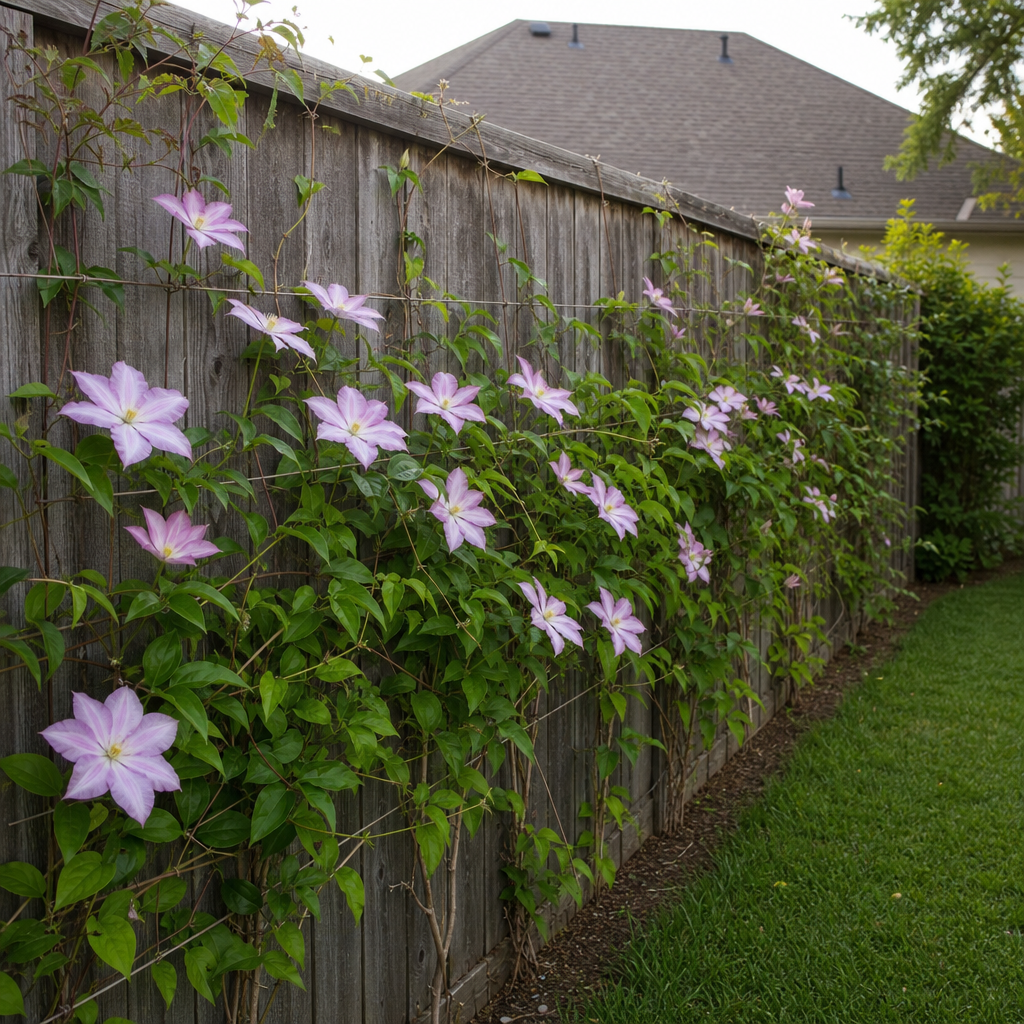
Use a support that can carry the plant once it matures, and tie new growth gently as it establishes. Choose climbers for the available sun and prune vigorous types so they do not block gates, crowd gutters, or spread into neighboring areas.
Worth knowing: Some climbers need regular pruning and may damage weak fencing or attach themselves to surfaces that are difficult to clean.
12.Make a Mulched Island Bed
A rounded island bed breaks up an uninterrupted patch of lawn and creates a focal point with only a few plants. A small shrub, ornamental grass, or young tree can provide height, with lower plants around the outside for a layered shape.
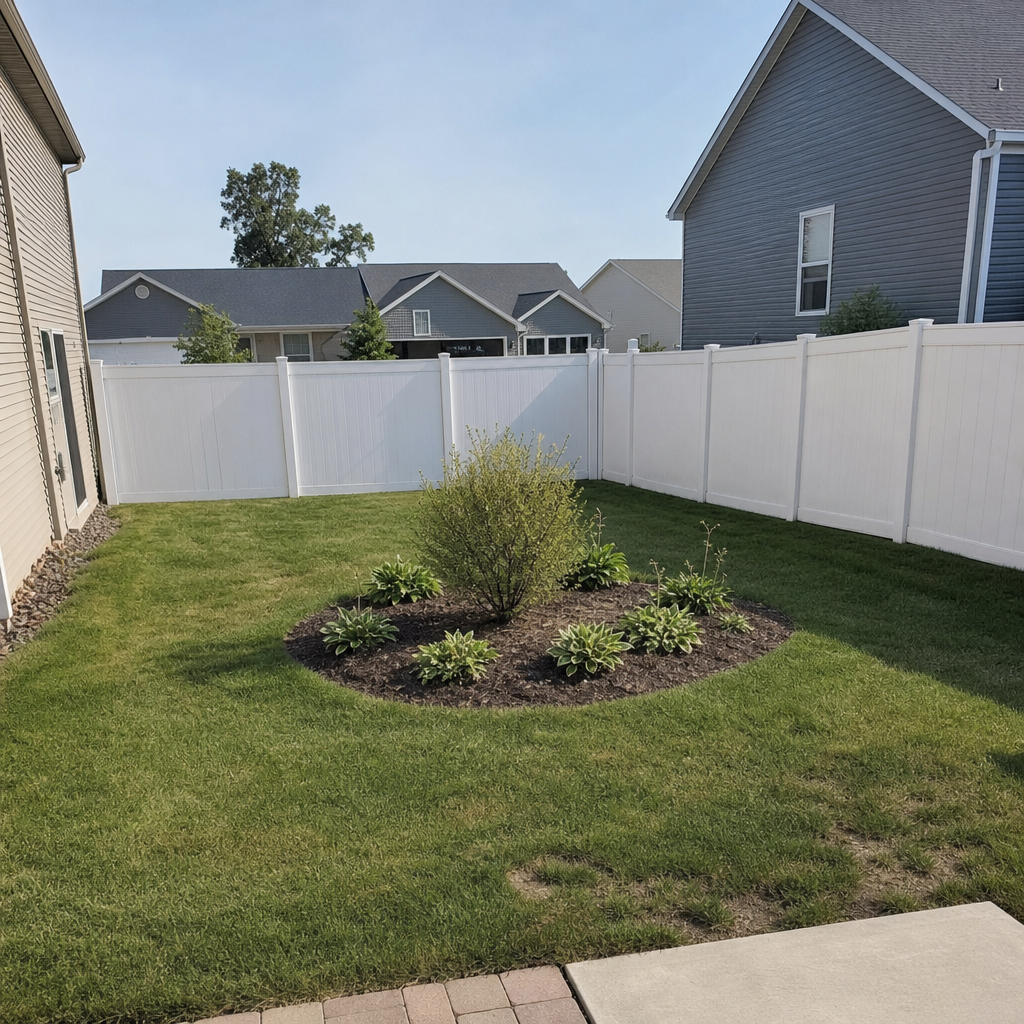
Keep the outline simple and sized to the scale of the lawn so it does not become an obstacle to mowing. Mulch the entire bed and leave enough room around plants for their mature spread rather than filling every gap immediately.
Worth knowing: An island bed creates extra mowing and trimming around its perimeter, so overly intricate shapes add unnecessary maintenance.
13.Hide Hose and Tool Storage Neatly
Visible hoses, hand tools, and loose garden supplies can make even tidy planting beds look unfinished. A hose holder, compact storage bench, or screened corner gives these practical items a designated place.
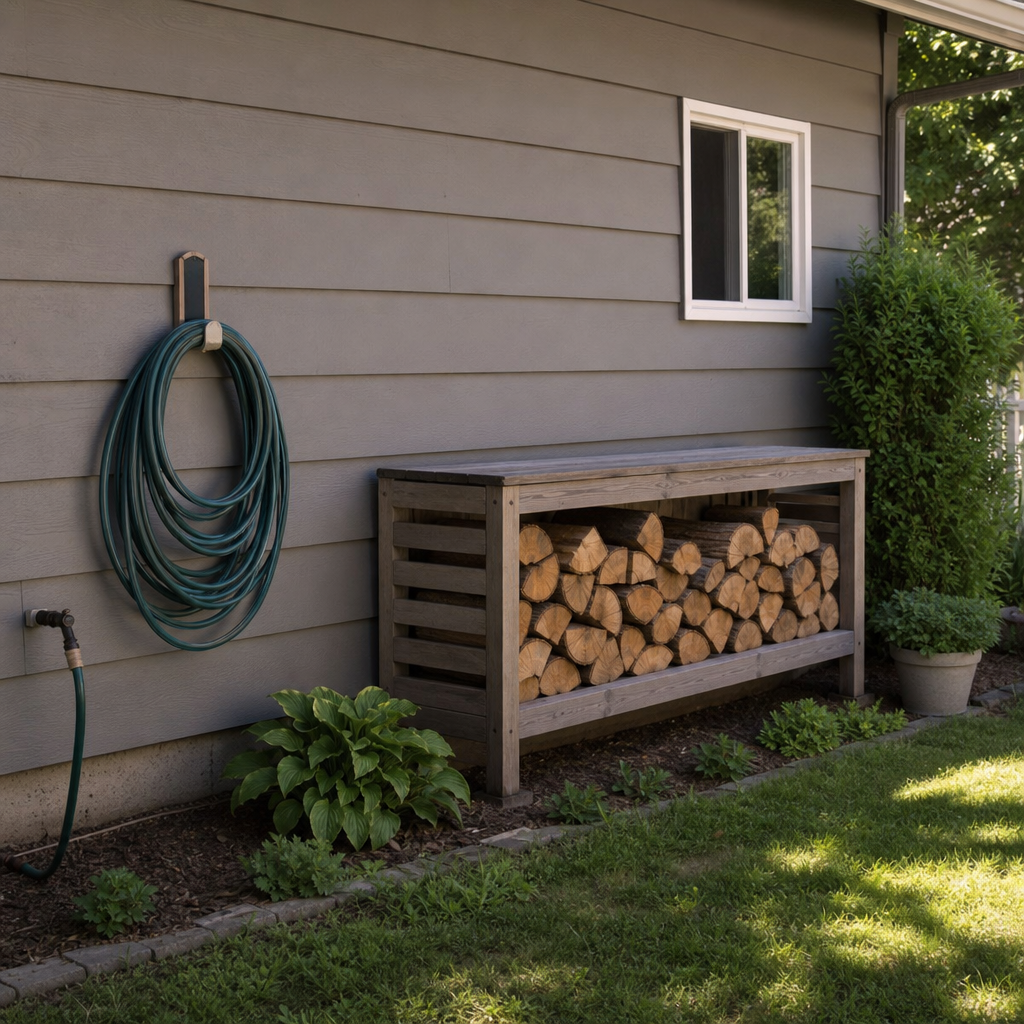
Mount a hose holder close to the spigot and choose storage that does not block walkways or drainage routes. For exposed locations, use weather-suitable materials and leave enough access to remove tools easily after yard work.
Worth knowing: Outdoor storage can collect moisture and pests if it is not raised slightly, ventilated, and cleaned out periodically.
14.Light the Path and Patio Edges
Use a few low path lights to define where people walk after dark. Focus on steps, changes in level, path turns, and patio edges rather than trying to light the entire yard.
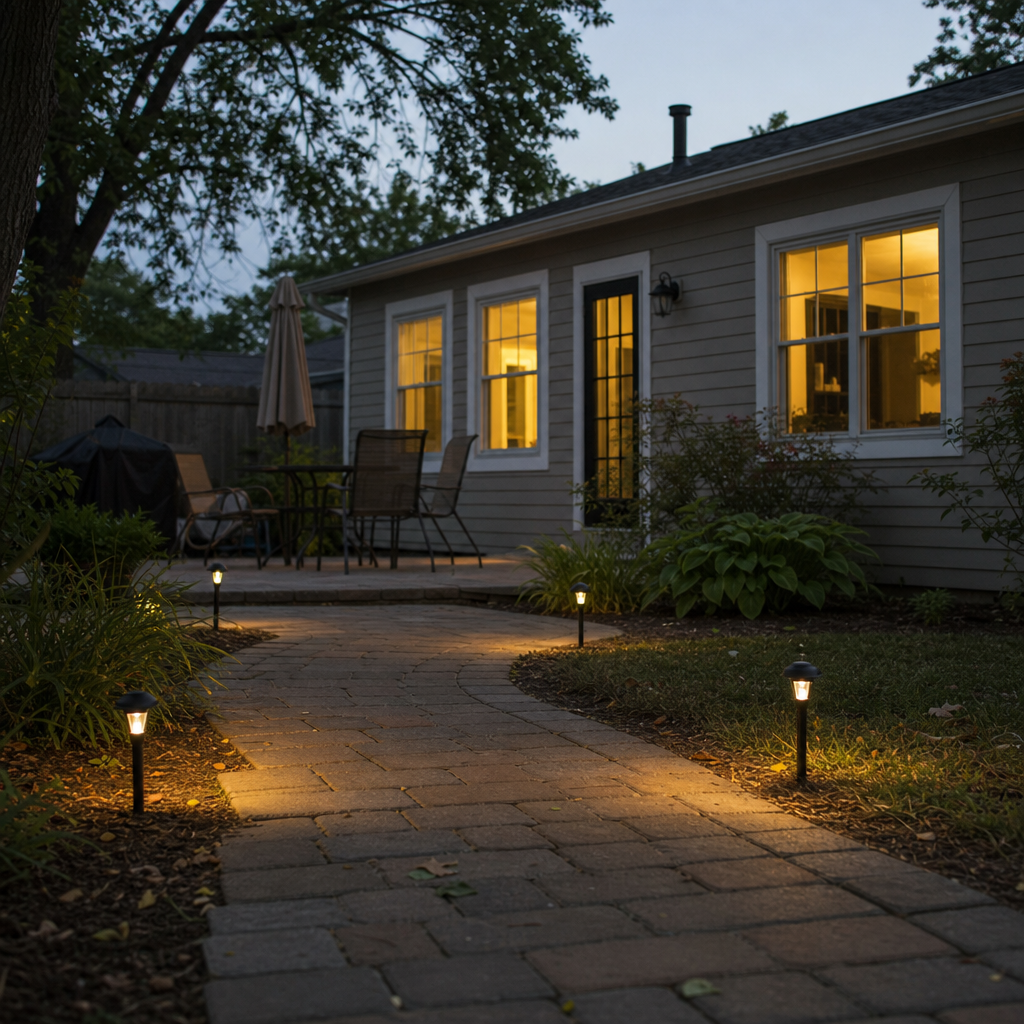
Solar lights are simple to place where they receive adequate daytime sun, while low-voltage systems offer more consistent placement but require more installation work. Aim fixtures downward so they improve footing without shining into nearby windows or neighboring yards.
Worth knowing: Solar fixtures perform poorly in deep shade and may need repositioning or seasonal cleaning to stay effective.
15.Finish With a Simple Lawn Edge
A crisp lawn edge along walkways, mulch beds, and fences is one of the simplest ways to make a small yard look cared for. It sharpens the contrast between grass and planting areas, making existing landscaping appear more deliberate.
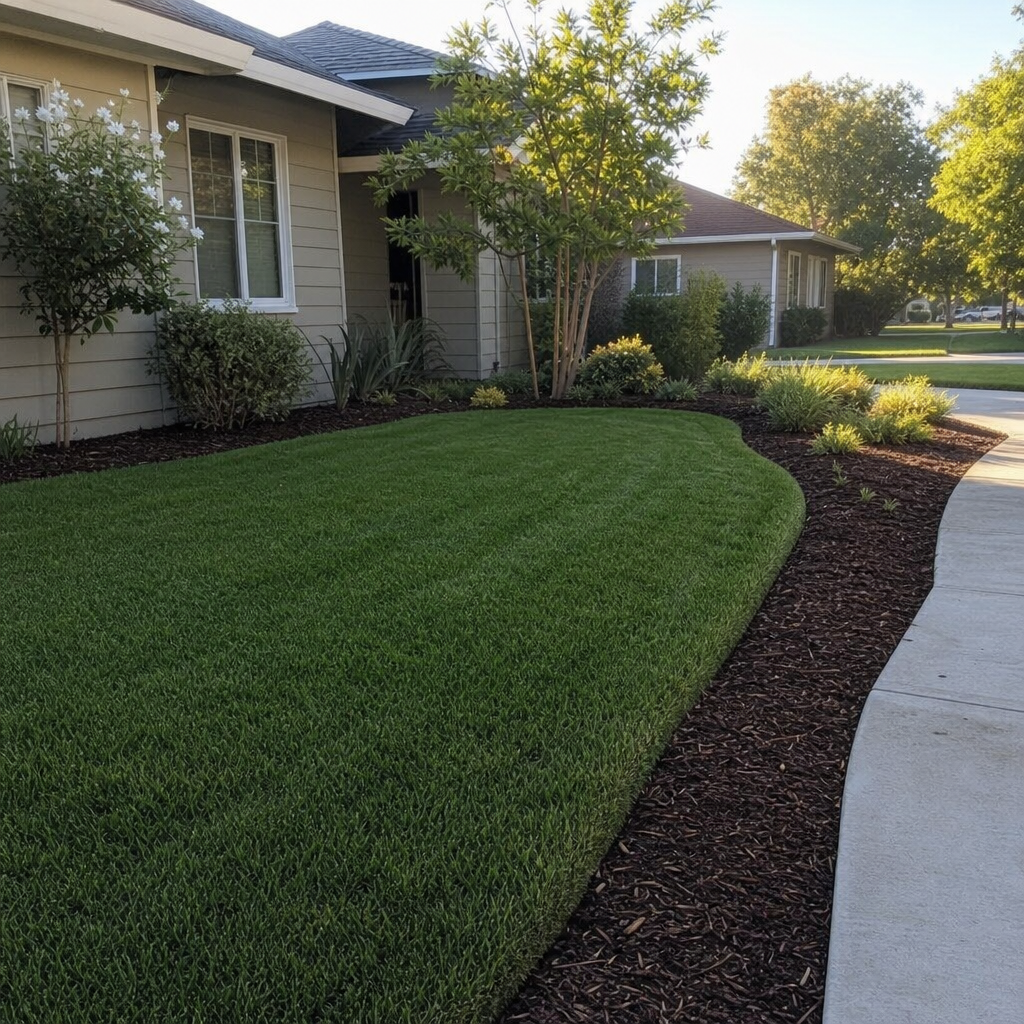
Use a string trimmer or edging tool on a regular schedule, following the same clean line each time. Avoid cutting deeply into the soil, which can expose roots, create erosion along slopes, or leave ragged trenches beside the lawn.
Worth knowing: This improvement depends on regular upkeep, and neglected edges become uneven quickly during active growing periods.
About the author
Dana Ruiz, Senior editor
Dana writes about small-space living, storage and low-cost decorating.
Keep reading
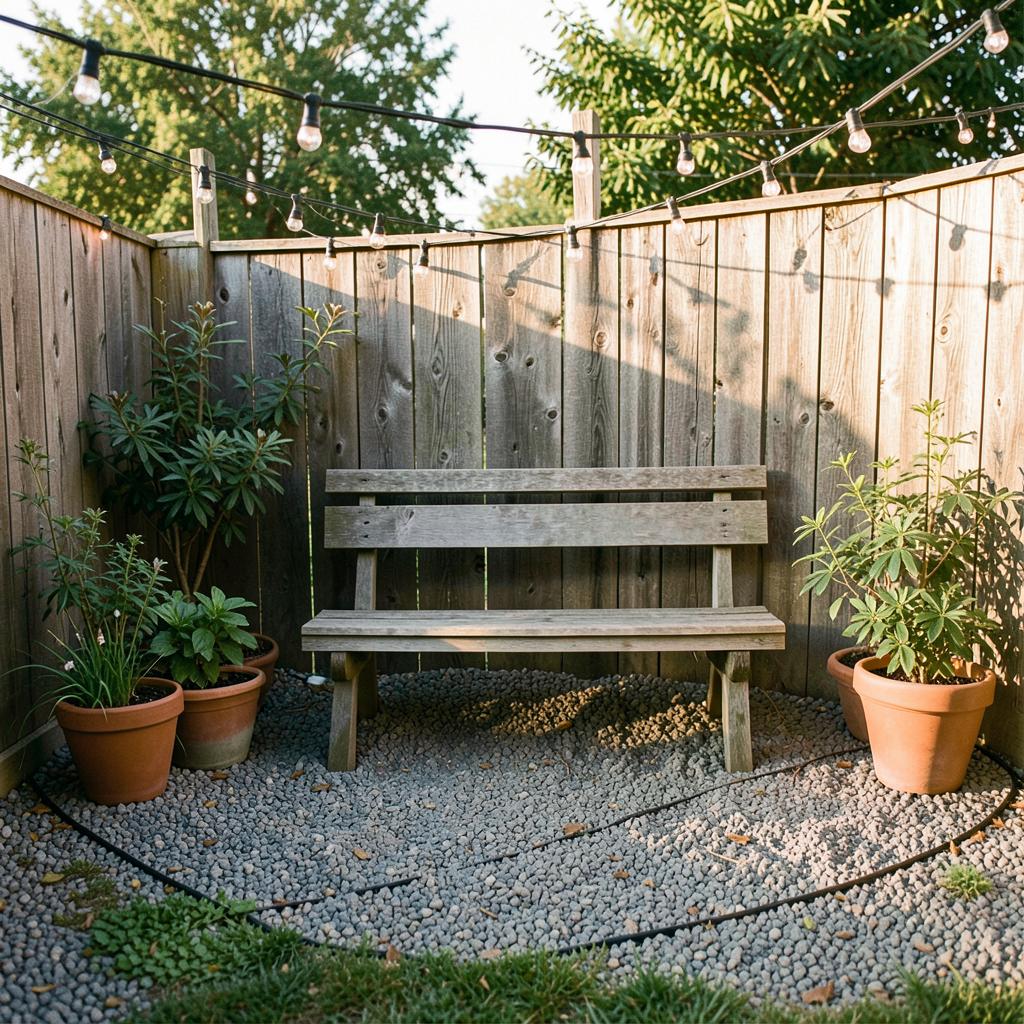
How To Build A Simple Gravel Patio On A Small Budget
September 8, 2026
Kitchen Updates That Skip The Remodel Entirely
September 11, 2026
Entryway Ideas For A Hallway With Almost No Space
September 10, 2026
Small Bedroom Storage Ideas That Do Not Look Like Storage
September 5, 2026