6 Compost Station Ideas for a Small Yard Without a Large Pile
Small-yard composting works best when the container matches how often scraps are added, how easily the pile can be turned, and the local rules for pest control. These six formats range from contained mixed-scrap systems to leaf-only cages, with clear tradeoffs in access, ventilation, and maintenance.
As an Amazon Associate I earn from qualifying purchases.
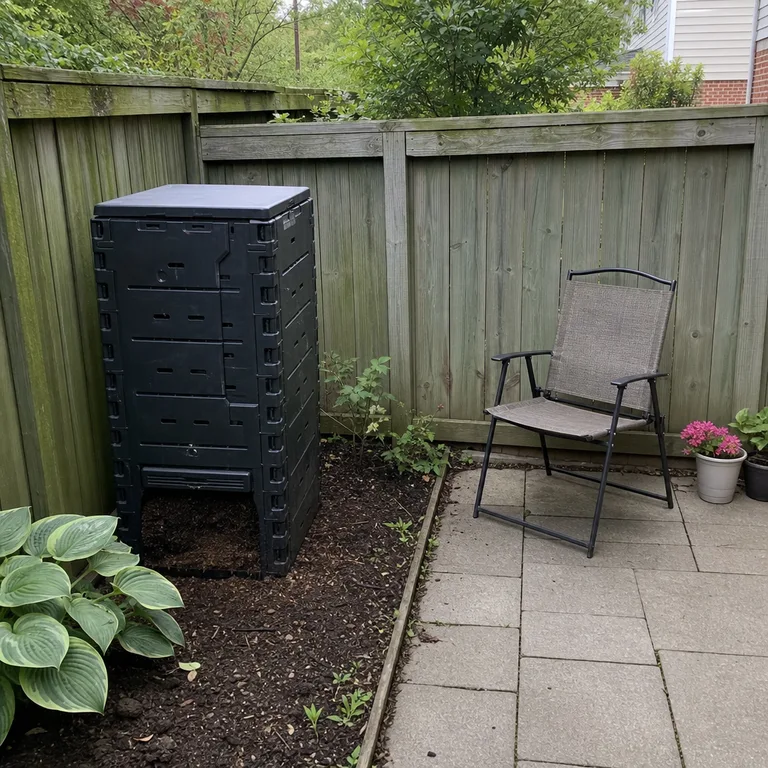
1.Small Enclosed Bin for Regular Kitchen Scraps
A small lidded bin is a practical choice for households adding modest amounts of fruit and vegetable scraps, coffee grounds, and garden trimmings through the week. Its closed sides keep the compost area looking neater beside a patio, fence, or planting bed than an open pile would.
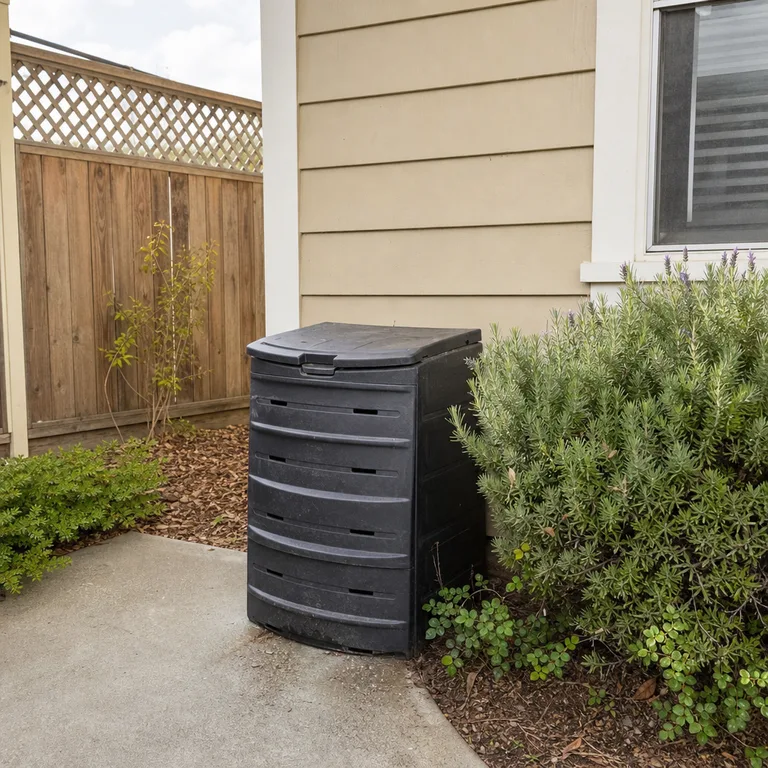
Choose a bin with built-in vents and a lid that opens wide enough to add dry leaves, shredded paper, or other brown material along with moist scraps. It should also have an opening low on the bin, or enough top access, to reach in with an aerator or fork when the contents need mixing.
Set the bin on well-drained soil where water will not collect around the base, and leave enough room to lift the lid comfortably. Follow local guidance on what belongs in a backyard compost bin, especially where pest rules limit food scraps.
Worth knowing: The narrow opening on some enclosed bins can make turning a dense, partly finished batch more awkward than working with an open bay.
2.Open Wire Bay With Easy Front Access
A wire-sided bay gives a small compost pile plenty of airflow and makes its condition easy to see. A removable front panel or a simple section secured with clips lets the pile be turned, rebuilt, and removed without reaching down through a small lid.
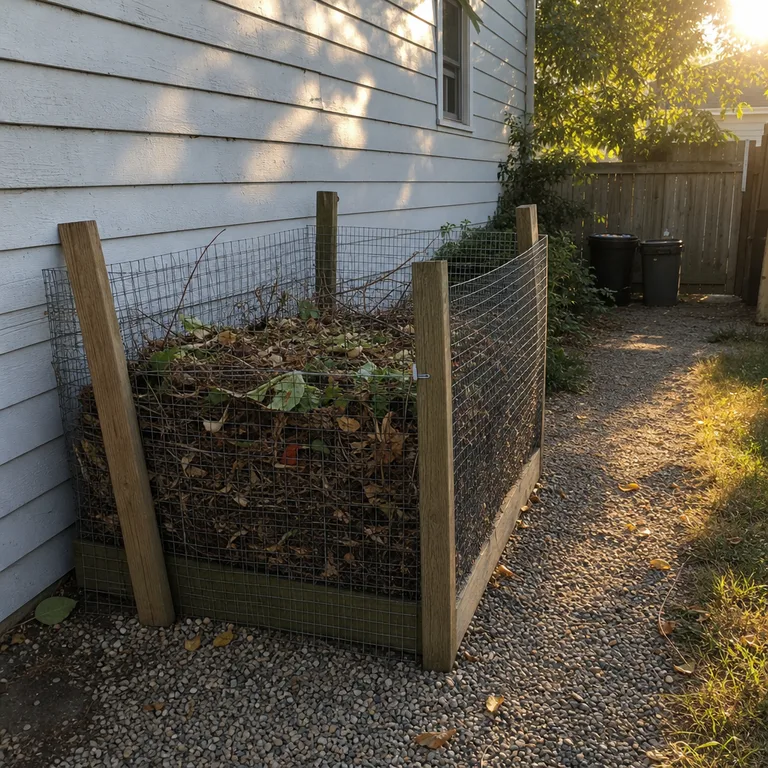
Use sturdy wire mesh fastened to stakes or a simple frame, keeping the footprint compact enough to manage from all sides. Add leaves, small twigs, and other browns between wetter green materials so the exposed pile does not become compacted or soggy.
This format works especially well where a side yard or back corner has good access for a wheelbarrow or garden cart. Covering the top loosely with leaves or a breathable cover can help protect the pile from heavy rain while still allowing air to move through it.
Worth knowing: An open bay may not be suitable in areas with active pest problems or municipal rules that require food-scrap compost to be contained.
3.Raised Compost Tumbler for Frequent Turning
A raised tumbler holds compost off the ground and mixes it with a turn of the barrel rather than a fork. It suits a small, steady stream of plant-based scraps and brown material, particularly on a paved area where a ground-level pile would feel out of place.
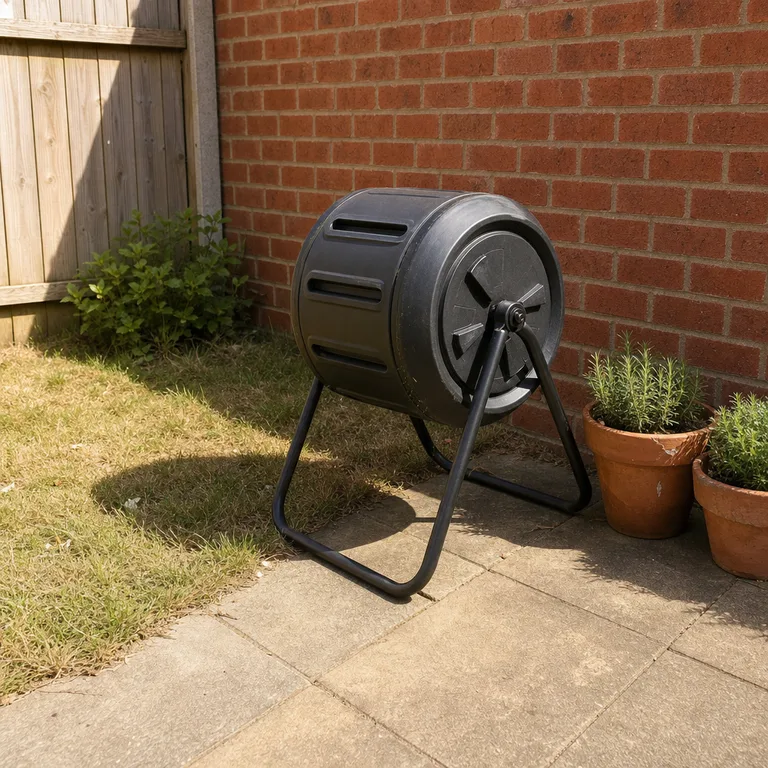
Keep a clear space around the handle or barrel so it can rotate fully, and add materials in modest layers rather than packing in large wet loads. Because the chamber is enclosed, check moisture regularly; compost that looks dusty may need a little water, while a wet mass needs more dry browns.
A tumbler can be a tidy choice near a patio, but it still needs a convenient place to store dry leaves or shredded paper for balancing scraps. Place it where it receives workable access in winter as well, since a forgotten full tumbler is difficult to restart.
Worth knowing: Its limited chamber size means it is less useful for handling a large seasonal volume of leaves or garden cleanup debris.
4.Modular Plastic Bin With a Removable Panel
A modular plastic compost bin uses vertical sides to contain a mixed pile in a small footprint. Interlocking panels can make it easier to start with a compact bin and expand later if the household produces more suitable compost material.
Position the lower removable panel toward an open path, not directly against a fence or dense planting. That panel is the practical route for pulling out darker, finished material from the bottom while fresher scraps continue decomposing above it.
Most modular bins sit directly on soil, which allows drainage and access for soil organisms. Choose a spot that does not stay waterlogged after rain, and keep the base clear of roots or edging that would make the panels hard to open.
Worth knowing: Removing finished compost from the bottom can be slow if the upper material has become tightly packed or has not been turned.
5.Leaf-Only Wire Cage in a Back Corner
A round wire cage is one of the simplest ways to make leaf mold: a slow, crumbly leaf-based material useful around beds and containers. It is not a food-scrap compost station, so it avoids the management demands that come with mixing kitchen scraps into a small yard system.
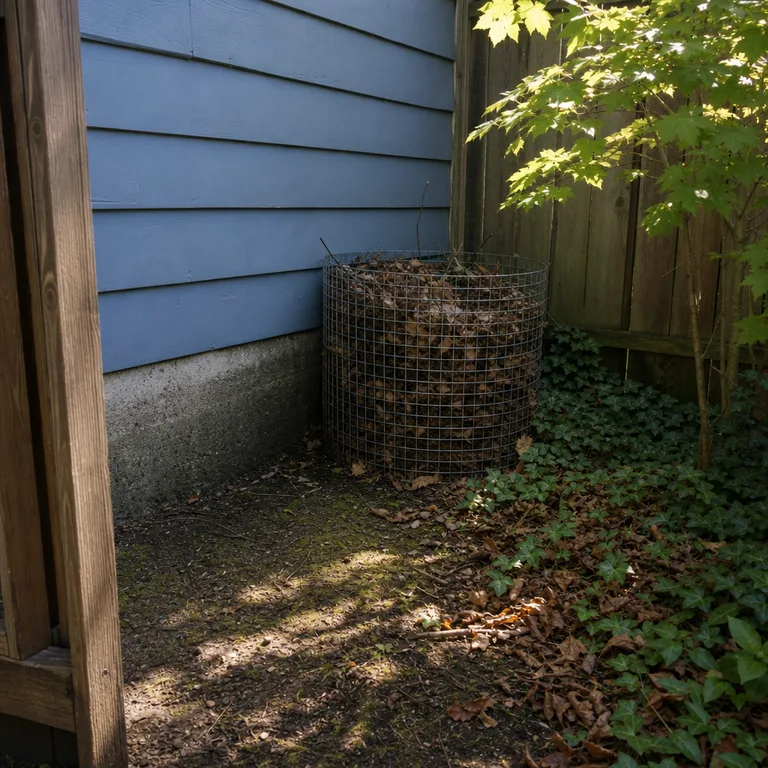
Form a cylinder from welded wire and secure it to stakes in an accessible back corner. Fill it with damp leaves as they fall, adding water only when the material is completely dry and keeping the cage open enough at the top to add more leaves later.
Leaf cages need little turning, though loosening the material occasionally can help air and moisture move through it. A shaded spot is often useful because the leaves are less likely to dry out quickly, but the location still needs a clear route for a rake and for removing the finished material.
Worth knowing: Leaf mold develops gradually and does not provide a place to compost ordinary kitchen scraps.
6.Two Small Bins for Add-and-Rest Rotation
Two small bins create a simple rotation: one receives current scraps while the other is allowed to rest and break down. This separates fresh material from a batch that is closer to finished compost, so there is less need to dig through active scraps to reach the bottom.
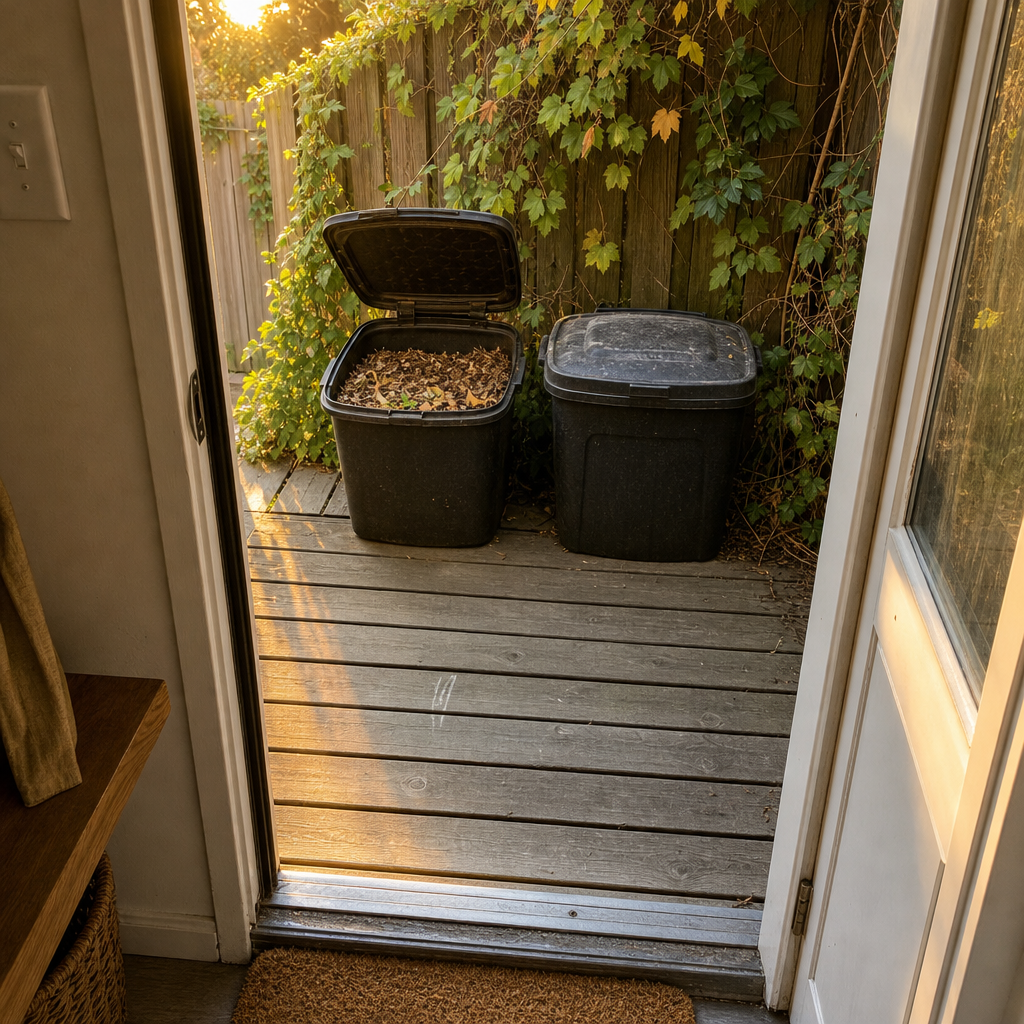
Use matching lidded bins or two similarly sized homemade containers so each has comparable ventilation and access. When the first bin is reasonably full, stop adding to it, continue with the second, and turn or check the resting batch as needed.
Leave clearance around both bins for lids, a bucket of browns, and a turning tool. This layout can fit neatly along a fence, but it works best when both bins remain easy to reach rather than being squeezed behind furniture or garden supplies.
Worth knowing: A two-bin setup takes more width than one container and still requires regular moisture checks and occasional mixing.
About the author
Dana Ruiz, Senior editor
Dana writes about small-space living, storage and low-cost decorating.
Keep reading
7 Narrow Foundation Bed Layouts for the Front of a Small House
October 31, 2026
8 Christmas Porch Planters Using Empty Summer Pots
October 29, 2026

8 Small Front Yard Layouts for a Plain Rectangular Lawn
October 29, 2026
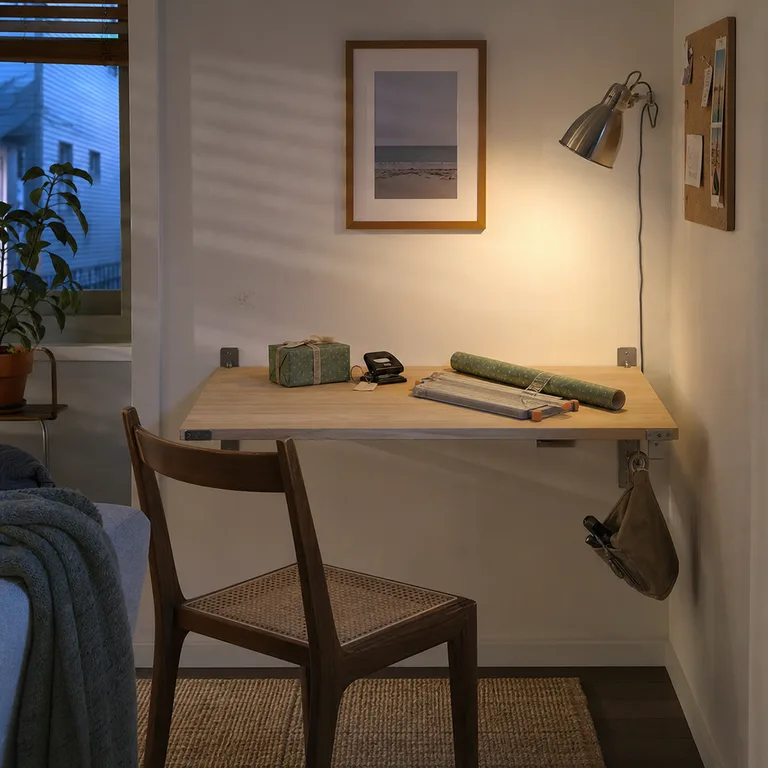
8 Christmas Gift-Wrapping Stations That Pack Away in a Small Home
October 31, 2026