7 Easy Kitchen Reset Routines for a More Usable Kitchen
A working kitchen stays easier to use when the reset matches the task that just ended, rather than becoming one large organizing project. These seven routines give frequent cooks a clear trigger, a short action, and a usable end state for the next meal.
As an Amazon Associate I earn from qualifying purchases.
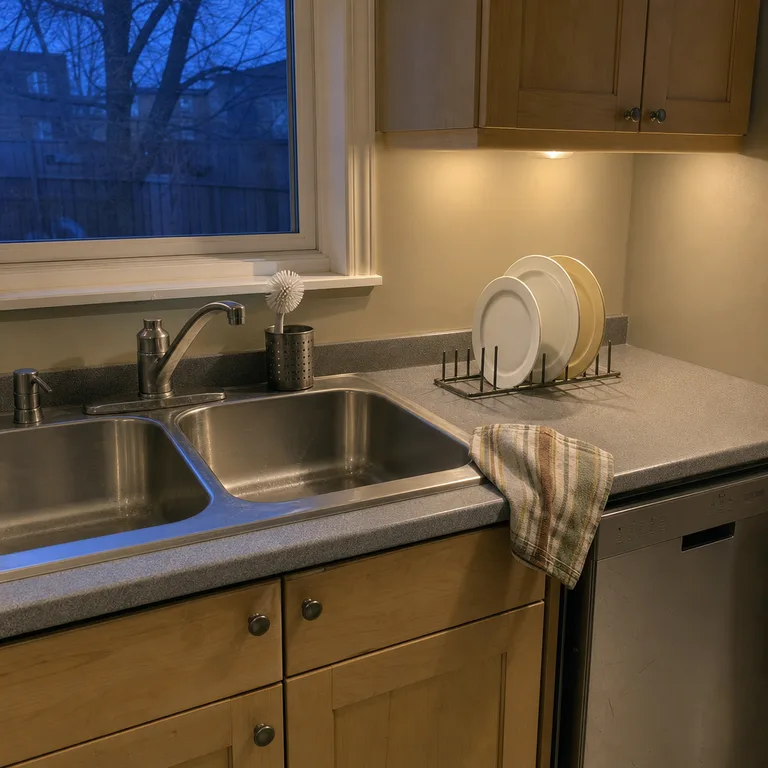
1.Reset the Breakfast Zone After the Last Mug Is Rinsed
Use this reset when breakfast is over, not when the whole kitchen is due for cleaning. Carry mugs and dishes to the sink, clear crumbs from the table or counter, and return the toaster, cereal, and other morning staples to their regular spots.
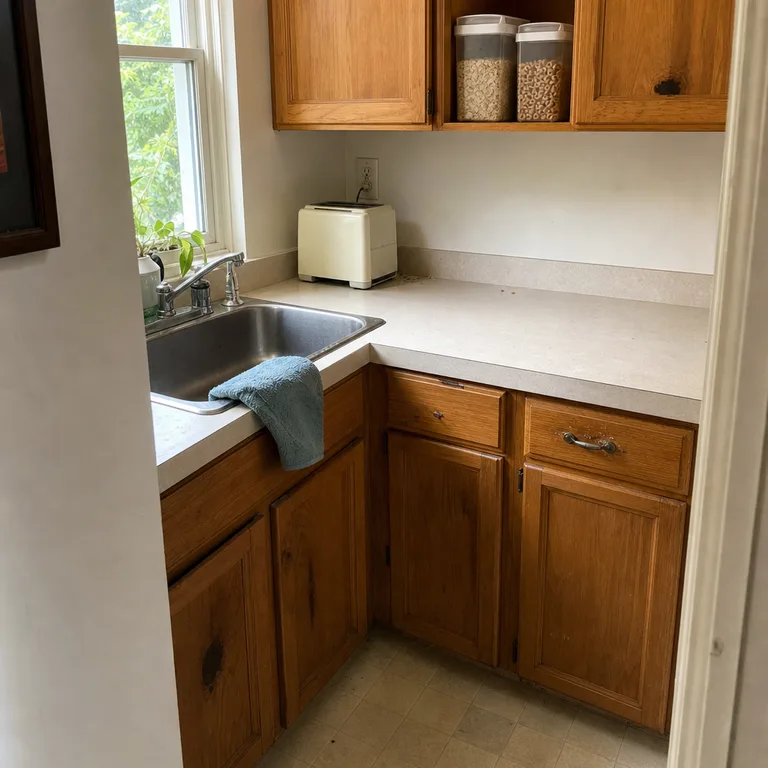
The goal is an open eating or counter area that can handle lunch prep without a second person facing the entire morning mess. A crumb brush or folded dish towel can make the small sweep faster, but the routine works best when breakfast items already have simple, reachable homes.
Worth knowing: This routine will not solve a crowded counter if everyday appliances and breakfast supplies have no consistent storage spot.
2.Clear One Prep Landing Zone Before Starting Dinner
Start this changeover immediately before chopping or assembling dinner. Move mail, clean dishes, and stray small appliances off one section of counter, then clean that surface according to its material and product directions.
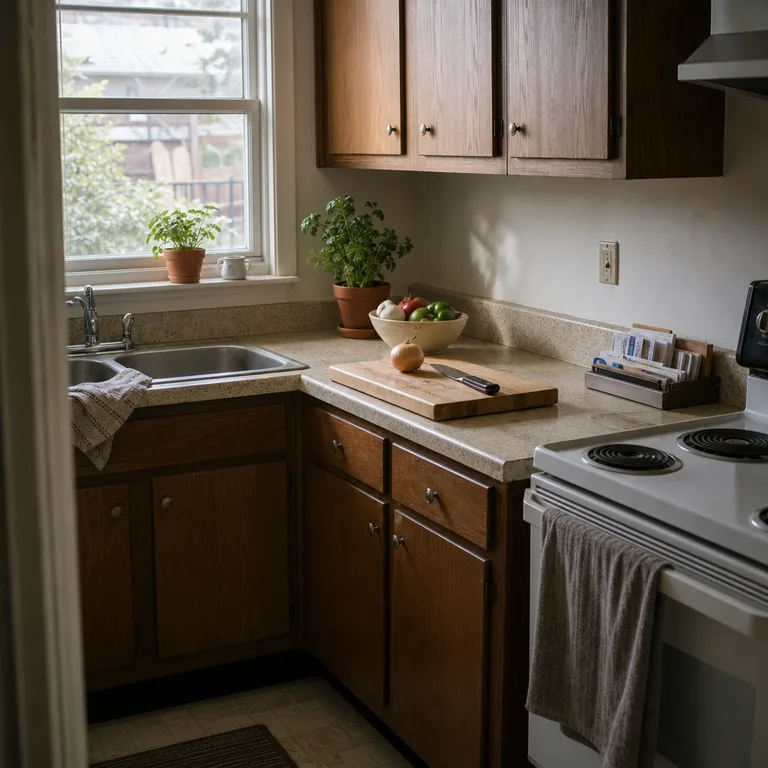
A single clear landing zone is enough for a cutting board, ingredients, and a bowl for scraps, even when other parts of the kitchen are busy. Keep the boundary realistic: a mail tray at the edge of the counter can contain papers without turning dinner prep into a household sorting session.
Worth knowing: Kitchens with very little counter space may require using the table or a rolling cart as the designated prep zone.
3.Finish a Baking Batch Before Starting the Next One
When one tray comes out of the oven, pause before mixing or shaping the next batch. Set hot pans where they can cool safely, gather used utensils to wash or soak, and sweep flour and scraps into the household compost or trash setup.
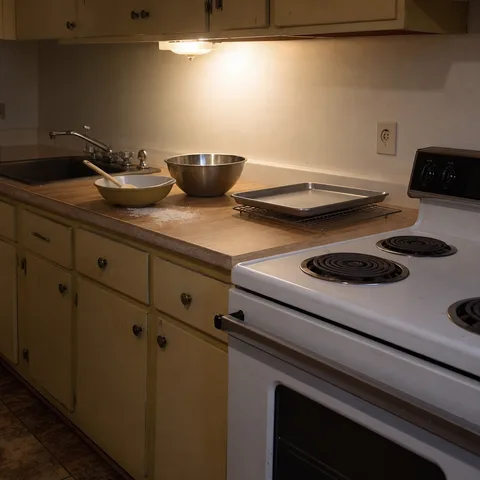
Then place only the next batch's bowl, tools, and ingredients on the counter. This prevents baking equipment from spreading into every open space and makes it easier to see which tools are clean and ready to use.
Worth knowing: This adds a pause to fast-paced baking, so it may not suit recipes that require several components to be made at the same time.
4.Close the Sink Routine After Dinner
Use this routine once dinner is served or finished. Group dishes into one washing or dishwasher-loading sequence, deal with scraps according to the household setup, and leave the basin clear when the task is done.
An empty sink changes the starting point for breakfast, packed lunches, or the next meal. A compact drying area can help in a kitchen without a dishwasher, but it should be sized for the dishes that are actually washed by hand.
Worth knowing: Shared kitchens need an agreed handoff if one person cooks while another person usually handles dishes.
5.Unpack Groceries by Putting Away and Checking as You Go
Make this reset start when grocery bags reach the kitchen. Unpack one category at a time, put each item in its existing home, and notice duplicates or ingredients that had been pushed out of sight.
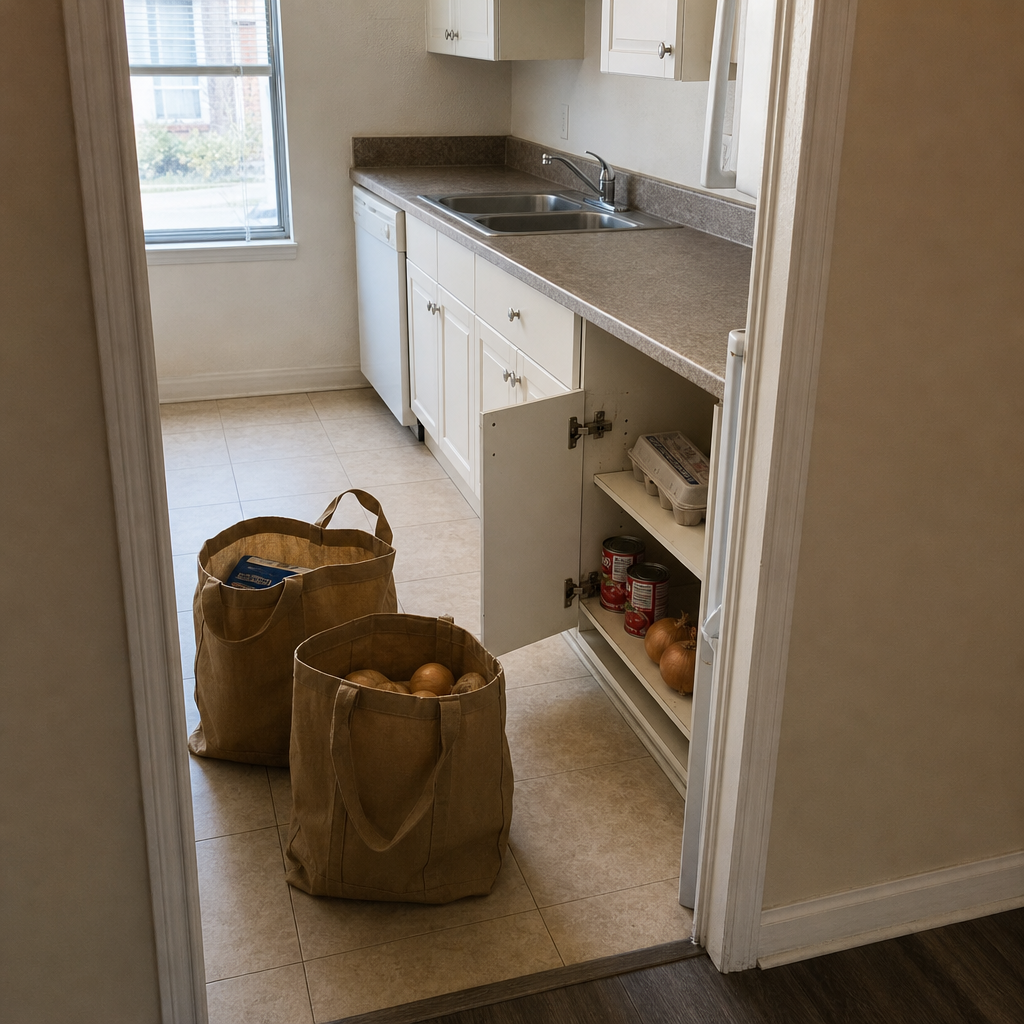
The end state is a kitchen ready for cooking rather than a counter covered with a large grocery pile. Reusable bags can go back by the door or in a designated cabinet as soon as they are empty, keeping them from becoming another counter item.
Worth knowing: This works only if shared household members generally return groceries to the same shelves, drawers, and refrigerator areas.
Related: 12 Refrigerator Organization Habits That Do Not Require Matching Bins
6.Review Empty Containers on a Weekly Kitchen Pass
Choose one regular weekly moment to collect empty jars, cartons, and food containers from the counter, refrigerator, lunch area, and bag drop zone. Recycle, wash, or return only the containers that have a clear purpose in the kitchen.
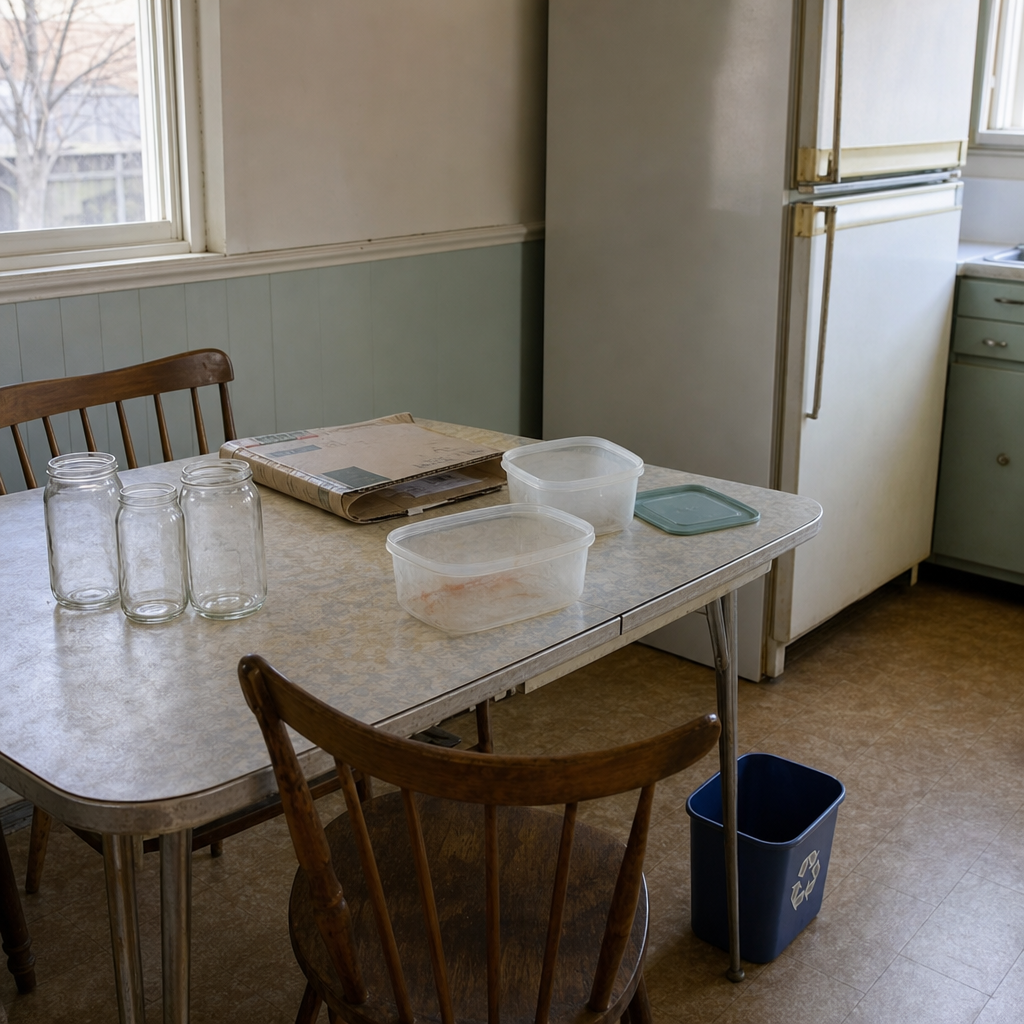
This reset clears packaging that can hide what needs replacing and takes up useful cooking space. Keeping a recycling bin close to the kitchen makes the decision easier, while a small container collection avoids saving every jar by default.
Worth knowing: Local recycling rules and available collection space may limit which packaging can be dealt with during this routine.
Related: 10 Food Container Storage Ideas That Keep Every Lid Easy to Find
7.Return Everyday Cooking Tools at the End of the Day
After the final cleanup, return the tools used most often—such as a spoon, turner, tongs, pan, and measuring spoons—to their assigned drawer, hook, or shelf. Leave out only the items that genuinely belong beside the stove, rather than building a permanent counter pile.
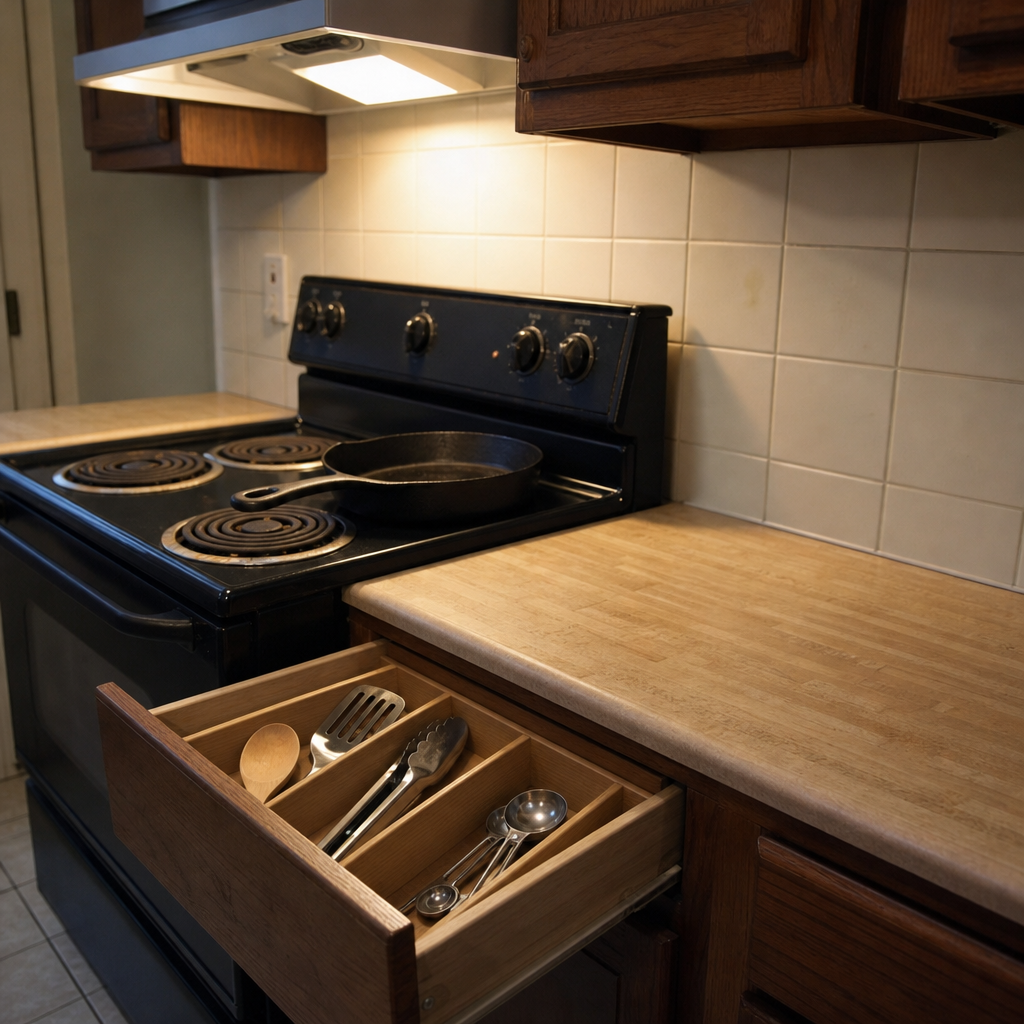
This gives the next cook a predictable place to begin and keeps basic tools out of the sink. Simple drawer dividers can help separate categories, but even an uncluttered drawer works when each tool has a repeatable return spot.
Worth knowing: A crowded utensil drawer may need editing before every daily tool can be returned without jamming or hiding others.
About the author
Dana Ruiz, Senior editor
Dana writes about small-space living, storage and low-cost decorating.
Keep reading
8 Budget Family Command Center Ideas for Easier School Weeks
November 11, 2026
8 Easy Bathroom Cleaning Habits for Easier Weekly Upkeep
November 11, 2026

7 Easy Rules to Declutter Sentimental Things Kindly
November 11, 2026
6 Easy Donation Systems That Get Usable Items Out
November 11, 2026