7 Easy Rules to Declutter Sentimental Things Kindly
Sentimental belongings do not have to be handled with an all-or-nothing purge. These seven rules create gentle limits for deciding what stays, what can move on, and what needs more time.
As an Amazon Associate I earn from qualifying purchases.
1.Choose a Few Representative Pieces From One Collection
A collection often tells its story without every single item. For handwritten birthday cards, keep a few that mark different years, voices, or milestones rather than every card with a similar message.
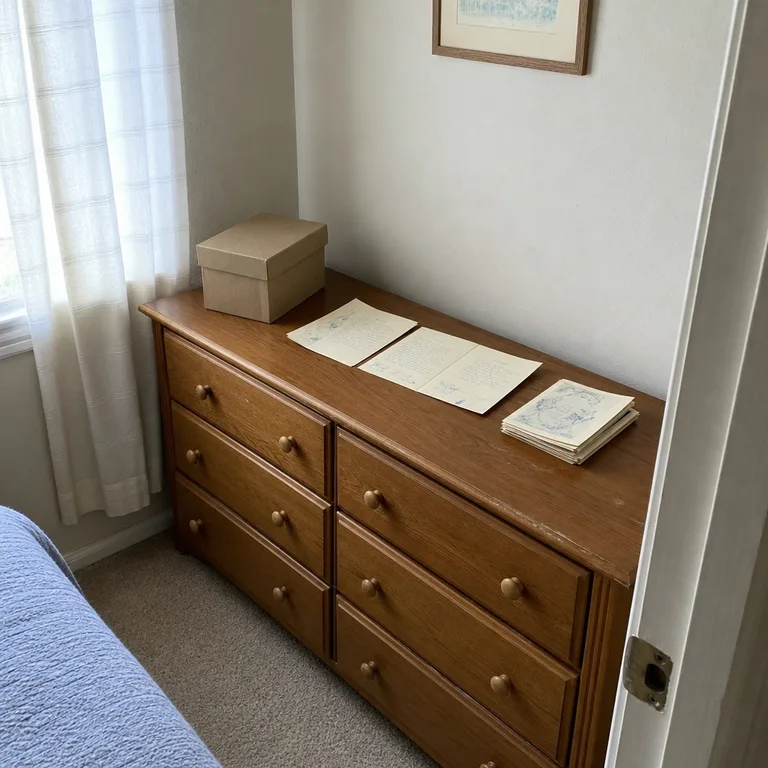
Lay the whole group out where it can be seen at once, then select the pieces that bring back the clearest memory. Store the chosen cards in one labeled box or protective sleeves so they remain easy to find without becoming a loose paper pile.
Worth knowing: This approach works best for repeated items; a complete set may matter more when the collection has historical, family, or monetary significance.
2.Assign One Physical Container to Each Keepsake Category
Give each category a single home with a real edge: one lidded bin for school papers, one document box for letters, or one drawer for small souvenirs. The container is not a test of how little can be kept; it is a practical boundary that keeps one type of memory from spreading into every closet shelf.
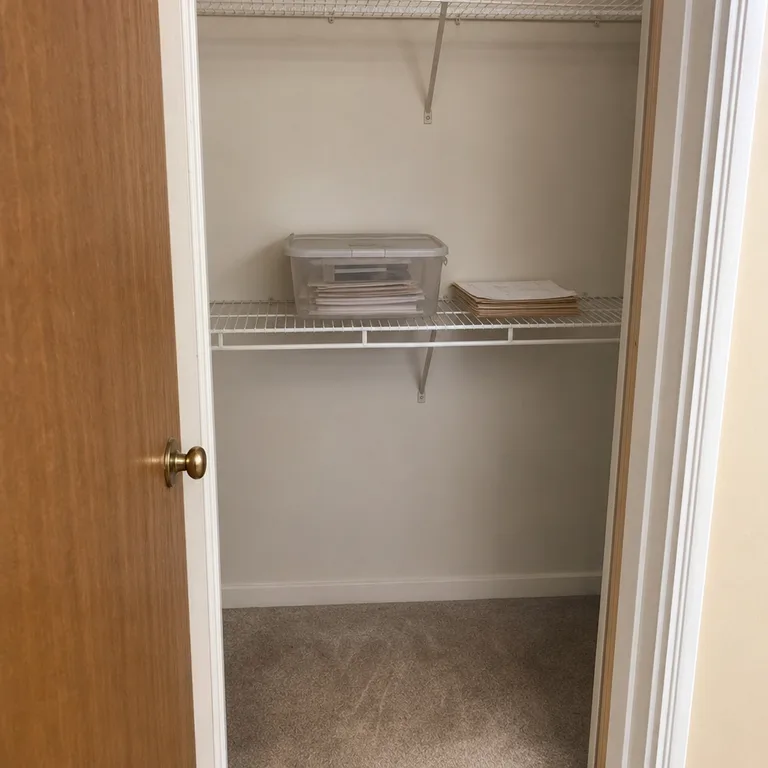
Choose a container that fits the available storage space and can be lifted safely when full. When new items enter the category, compare them with what is already inside and keep the pieces that add something distinct.
Worth knowing: A container boundary can be difficult to maintain if several people add to the same family collection without agreeing on what belongs there.
3.Keep the Best Usable Example of a Meaningful Object
Duplicates can carry the same family connection while taking up far more room than needed. If there are several inherited quilts, retain the one in the best condition that can still be used on a bed, folded over a chair, or brought out for family gatherings.
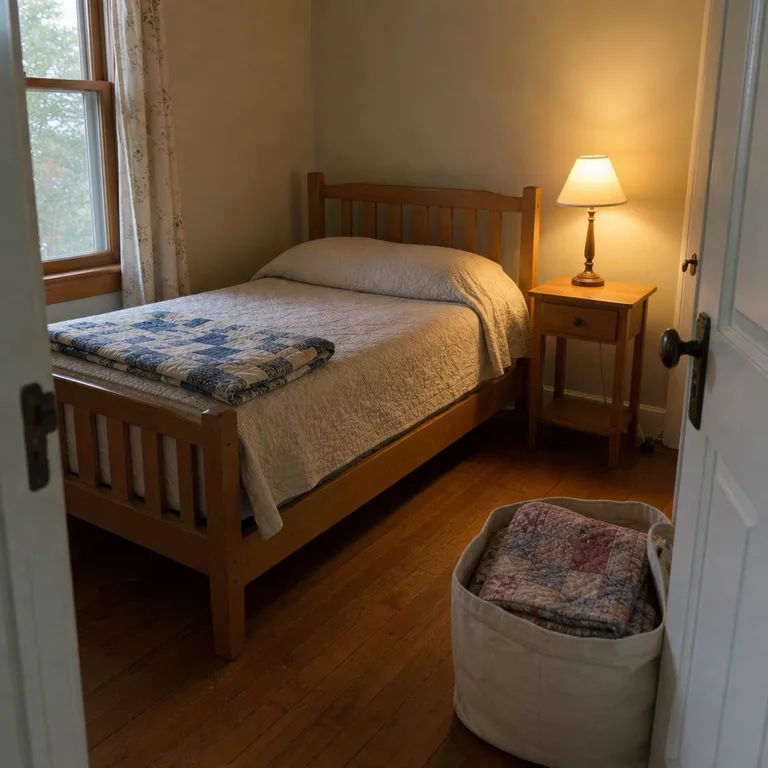
Look for the example with the strongest personal meaning and the least damage, staining, or repair need. Keeping one useful object gives it a place in daily life instead of leaving several fragile versions packed away indefinitely.
Worth knowing: Textiles, books, and other older items may need climate-controlled storage if heat, dampness, pests, or sunlight could damage them.
4.Separate Family Obligation From Personal Preference
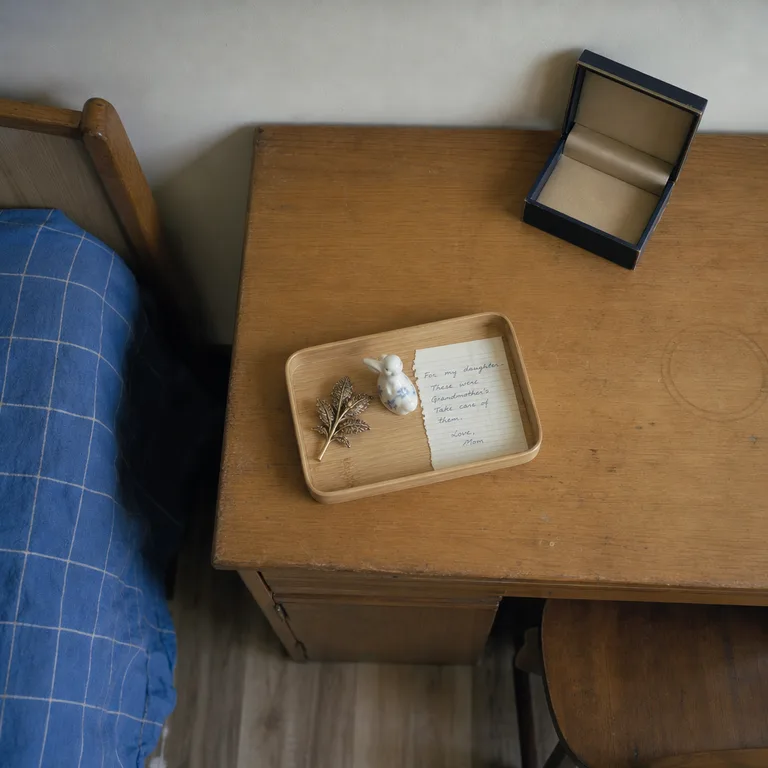
Inherited belongings can feel hard to decide about because saying no to an object may seem like saying no to a person. Place small items such as a brooch, figurine, or family note in a temporary decision tray, then consider whether the item is personally wanted or simply difficult to refuse.
A preference-based decision can still respect the person and the history behind the object. Keep items that fit the home or have a clear personal connection, and pause on anything that may be jointly owned or meaningful to another relative.
Worth knowing: Do not dispose of belongings that may be shared family property without checking with the people who may have a legitimate interest in them.
5.Offer Family Keepsakes to Relatives Who Want Them
A family tablecloth, recipe card collection, or other shared keepsake does not have to stay with the person who currently has storage space. Offering it to relatives gives the item a chance to remain in use with someone who genuinely wants it.
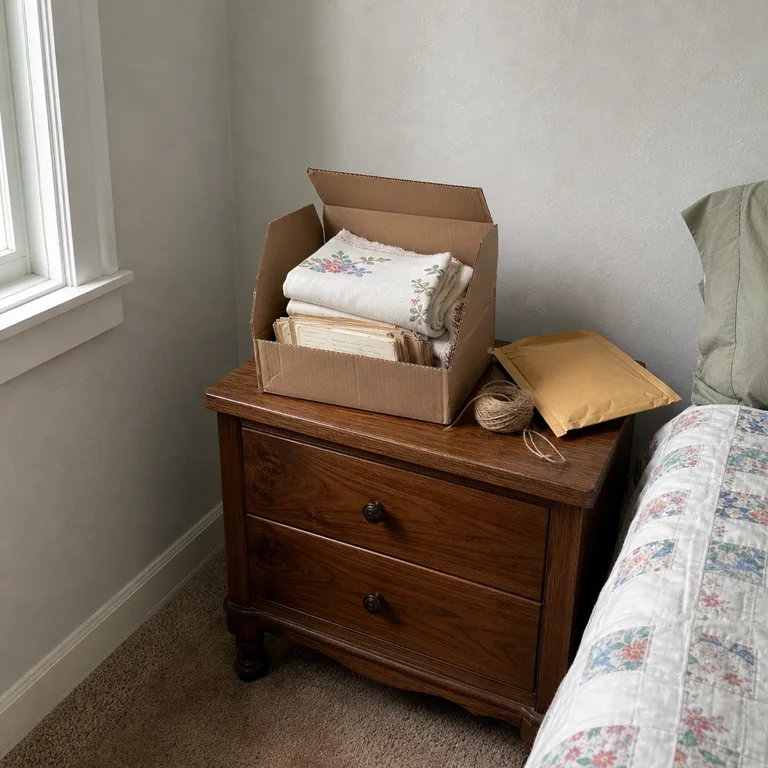
Describe the item clearly and give interested relatives a reasonable chance to respond without pressure. If it moves to a new home, include the story behind it when known, especially for unlabeled photos, recipes, or handmade pieces.
Worth knowing: An offer is not an obligation for relatives to accept, and family members may have different feelings about what is worth keeping.
6.Photograph Bulky Items You Do Not Need to Store
Some objects matter as reminders but no longer fit the available room. A child-size rocking horse, oversized craft project, or worn piece of furniture can be photographed clearly from several angles before it leaves storage.
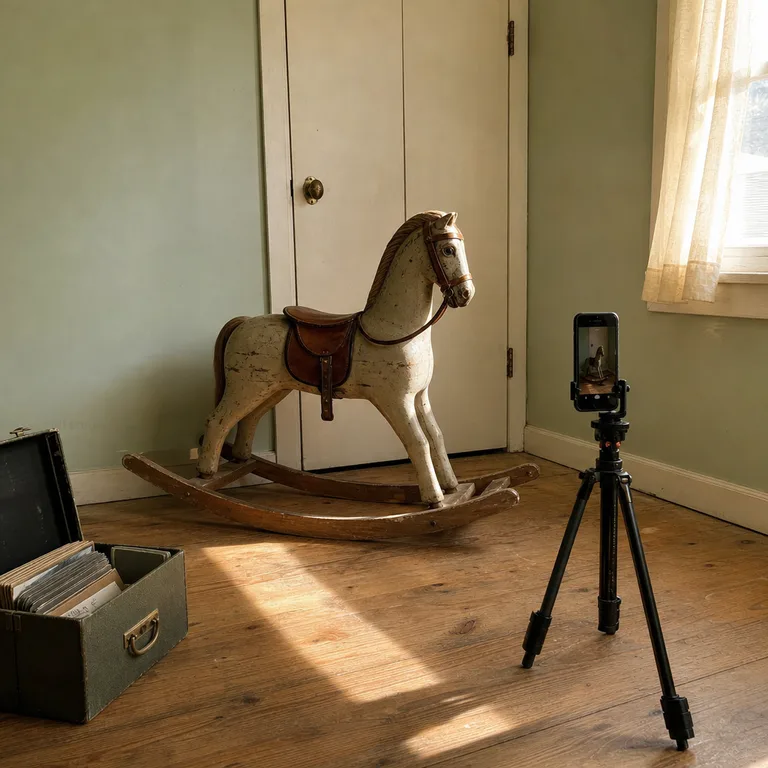
Add a short note naming the item, who used it, and why it mattered, then save the photos with other family images. The record preserves useful context while allowing the physical object to be passed on, donated where appropriate, or otherwise handled thoughtfully.
Worth knowing: A photo is only a record, not a replacement for an object that is still wanted, actively used, or important to another owner.
7.Hold Uncertain Keepsakes in a Small Maybe Box
A small maybe box makes room for uncertainty without turning it into permanent overflow storage. Put the ticket stubs, small souvenirs, and other difficult-to-decide pieces in one clearly labeled box that has a fixed place on a shelf.
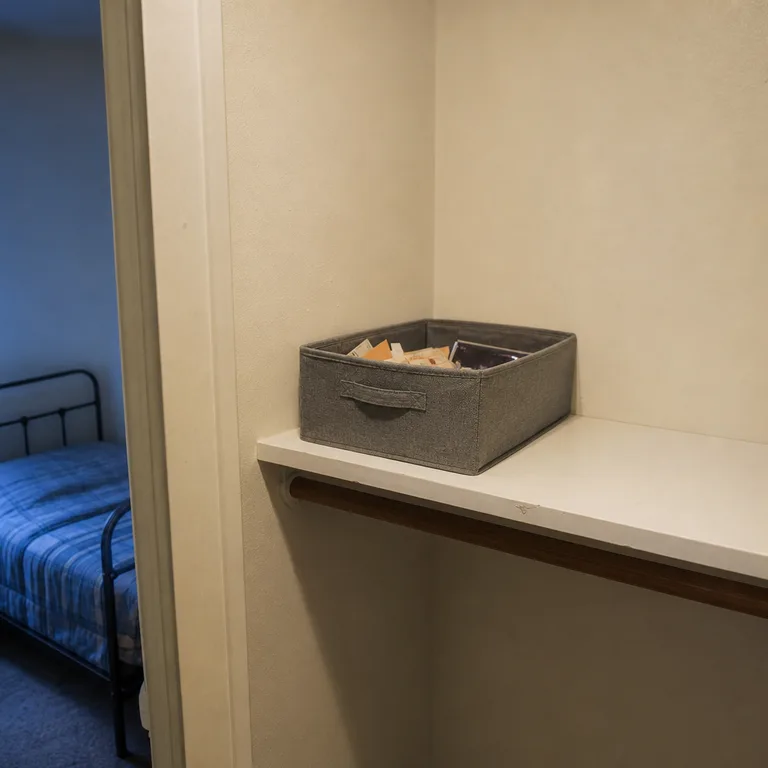
Revisit the box later and notice which items are still missed, useful, or meaningful. Time can make it easier to separate a lasting connection from the discomfort of making a quick decision.
Worth knowing: The box needs a firm size limit and an occasional review, or it can become another hidden collection with no decision boundary.
About the author
Dana Ruiz, Senior editor
Dana writes about small-space living, storage and low-cost decorating.
Keep reading
6 Easy Donation Systems That Get Usable Items Out
November 11, 2026
10 Easy Cleaning Tasks That Make a Home Feel Fresh
November 9, 2026
8 Budget Ways to Clear Kitchen Counters Without Organizers
November 9, 2026
7 Budget Ways to Give a Plain Bookcase More Character
November 11, 2026