8 Budget Family Command Center Ideas for Easier School Weeks
A family command center works best when it holds only the information needed for the current week, the current day, and the next departure. These eight removable setups keep schedules, handoffs, and routine checks visible in an entryway while school papers and archives stay in their separate storage system.
As an Amazon Associate I earn from qualifying purchases.
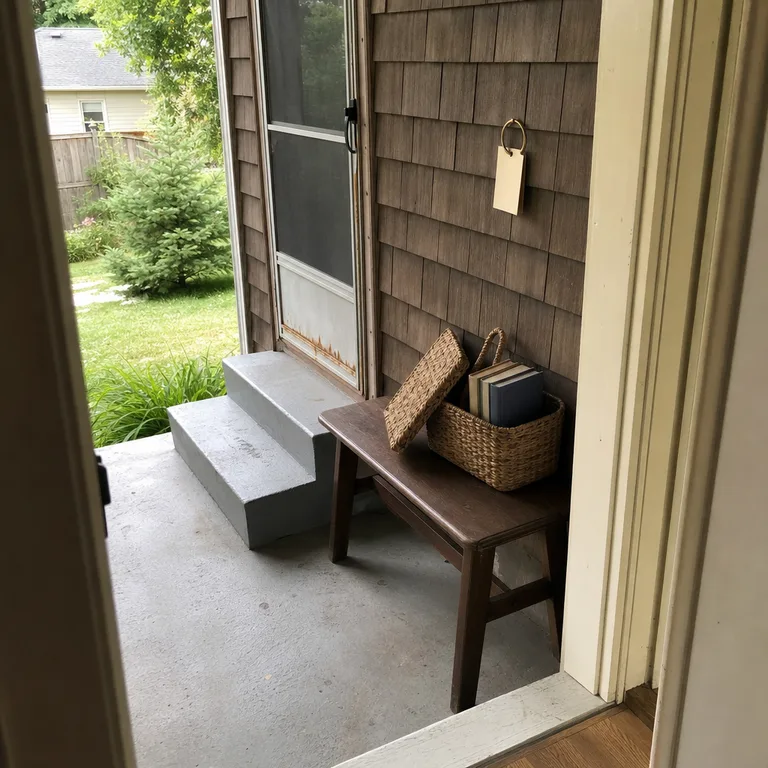
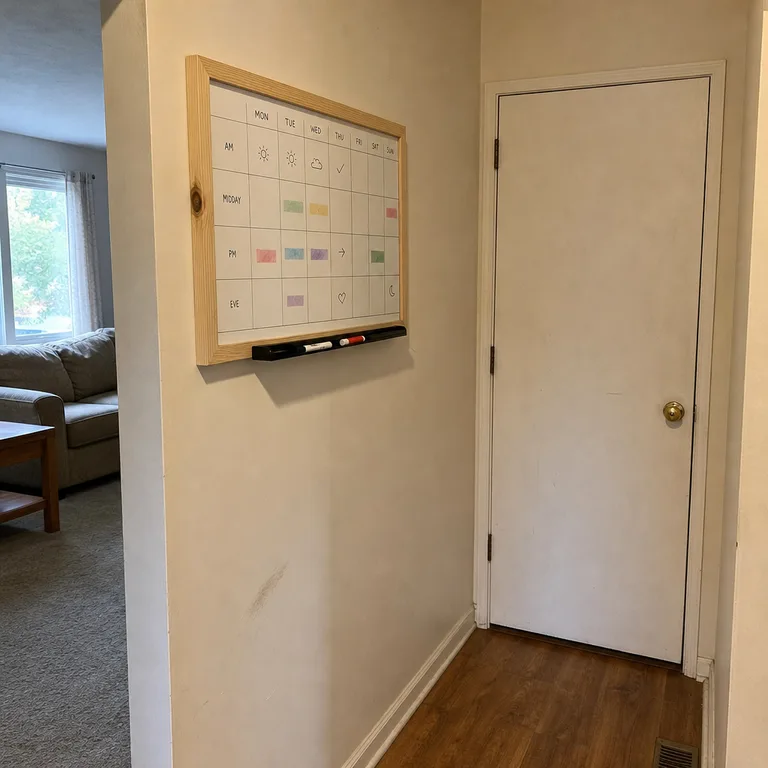
A framed dry-erase board, a sheet in a clear sleeve, or a tabletop calendar can all work without installing a permanent organizer. Update it on the same day each week, and erase finished plans so old information does not get mistaken for a current commitment.
Worth knowing: This setup only stays useful when someone has a regular routine for updating schedule changes.
2.Use a Today-Only Clip for Urgent Papers
Mount one large clip or use a freestanding clip near the exit for the few items that must leave that day. It can hold a signed form, an event ticket, a note for a caregiver, or an envelope that needs to go back to school.
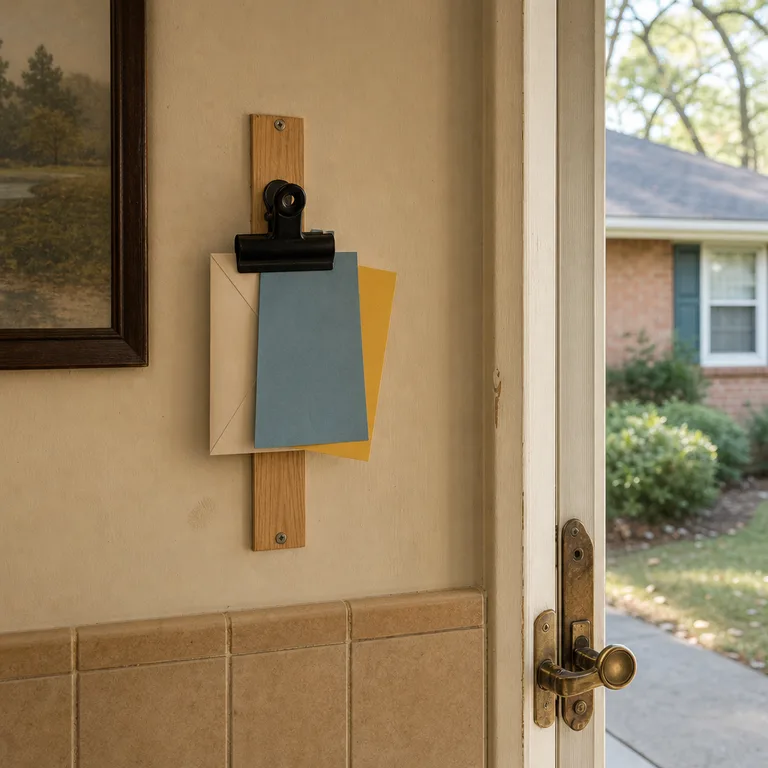
Keep this spot limited to active handoffs rather than general paperwork. Once the item has gone out the door, remove it; papers that need keeping belong in the household's separate school-paper filing system.
Worth knowing: A single clip becomes confusing if it collects papers for several different days.
3.Post a Departure Checklist at Bag Height
Place a reusable checklist beside the hooks, cubbies, or chair where bags are picked up. A short list can cover repeat essentials such as keys, lunch, water bottle, medication, library items, and the day's activity gear.
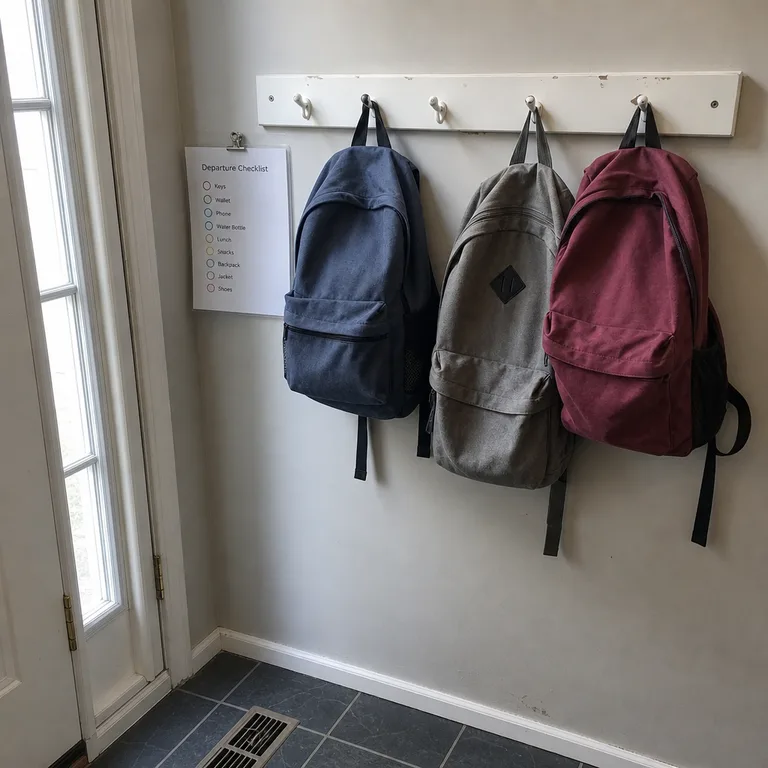
Laminated paper, a clear sleeve, or a small dry-erase card makes the list easy to revise as routines change. Keep separate versions when adults and children have different departure needs instead of making one long checklist that nobody reads.
Worth knowing: A checklist with too many items is easy to ignore during a rushed morning.
4.Assign One Rotating Responsibility Card
Use one visible card to name the person responsible for a current household task, such as feeding a pet, bringing bins to the curb, or checking the entry for stray shoes. Switching the card on a predictable rhythm makes the responsibility clear without adding a large chart to the wall.
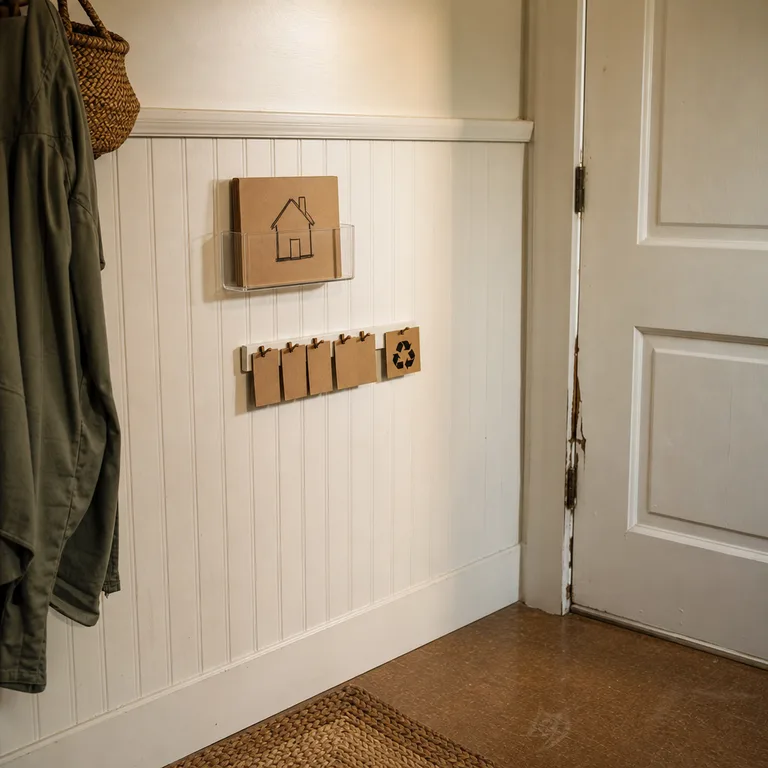
Index cards in a small pocket, clips on a rail, or a tabletop stand are enough for this system. Use plain task wording and choose jobs that suit the person's age, schedule, and ability.
Worth knowing: A responsibility card cannot solve tasks that are unrealistic or unclear in the first place.
5.Keep a Library Return Reminder by the Door
Create one return spot for library books, borrowed instruments, or other items that need to leave on a certain day. Pair a small reminder card with a lidded basket or tote near the exit so the item and its deadline stay together.
A basket already used elsewhere in the home can be moved to the entry for the school week, making this an easy temporary setup. In a damp porch or mudroom, use a closed container and keep books away from wet boots and outerwear.
Worth knowing: This works best when borrowed items are returned to the spot immediately rather than left in bedrooms or vehicles.
6.Add an Activity Gear Check Card to Each Bag Hook
Attach a small reusable card to the hook for a sports bag, music case, or after-school tote. The card can list the few items needed for that recurring activity, such as shoes, a water bottle, a folder, or an instrument accessory.
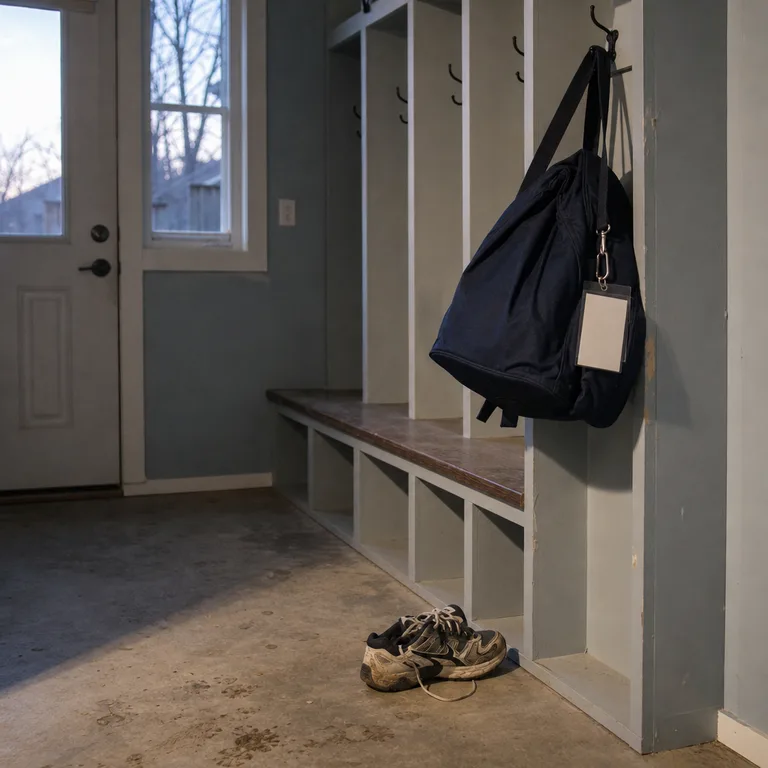
A laminated card on a ring or clip is inexpensive to replace when the season changes. Give each activity its own card so the household does not have to sort through a general list while packing.
Worth knowing: Frequent schedule or equipment changes mean the cards need regular revision to remain accurate.
7.Reserve a Small Space for the Week’s Meal Plan
Set aside a small note area beside the calendar for the week's meals and cooking handoffs. Include practical cues such as who is cooking, which evening needs a fast option, and what should be thawed ahead of time.
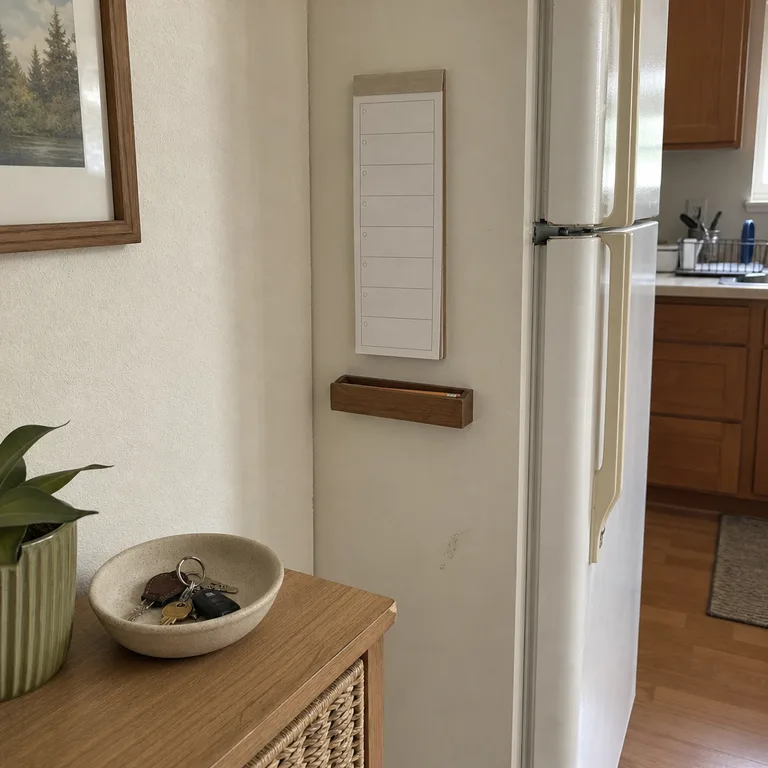
A magnetic notepad, a dry-erase strip, or a sheet in a clear sleeve keeps this useful without taking over the command center. Match the plan to evenings with practices, late work shifts, or pickups so it reflects the time actually available.
Worth knowing: The meal note needs updating when activity times or work schedules shift.
8.Use a Next-Day Message Pocket for Handoffs
Hang a small pocket near the entry for one short note about the next pickup, appointment, or morning task. This gives the person handling the next departure a clear place to check when caregivers, work schedules, or transportation plans change.
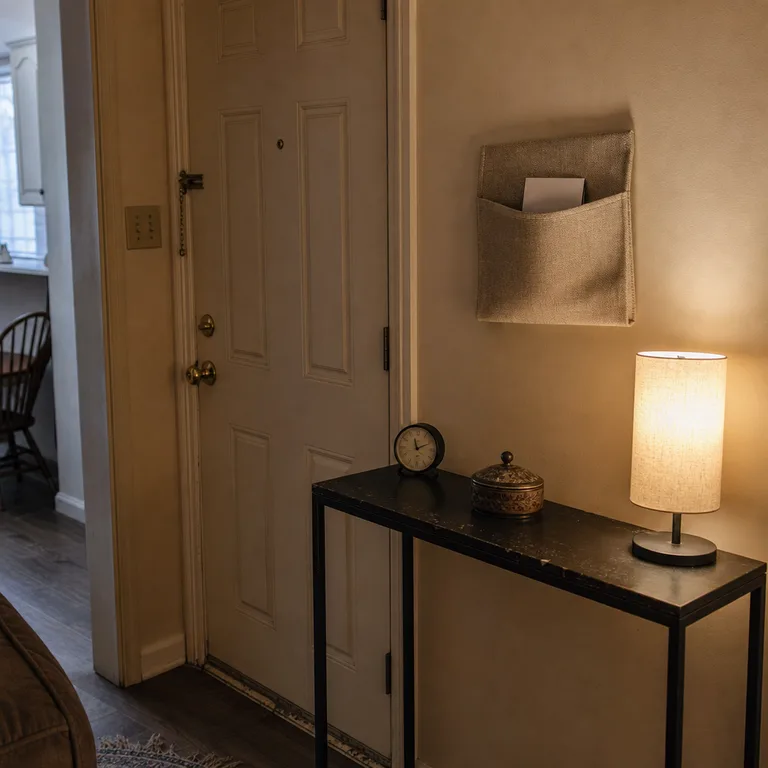
A fabric pocket, envelope, or simple clip can work on a removable hook or a tabletop stand. Keep messages brief and remove them as soon as the handoff is complete, especially in a shared entry where visitors may see them.
Worth knowing: Do not use an open message pocket for private details or information that should not be visible to others.
About the author
Dana Ruiz, Senior editor
Dana writes about small-space living, storage and low-cost decorating.
Keep reading
7 Easy Kitchen Reset Routines for a More Usable Kitchen
November 11, 2026
8 Easy Bathroom Cleaning Habits for Easier Weekly Upkeep
November 11, 2026
7 Easy Rules to Declutter Sentimental Things Kindly
November 11, 2026
6 Easy Donation Systems That Get Usable Items Out
November 11, 2026