10 Mail and Key Organization Ideas for a Tiny Entryway
A tiny entryway works best when every incoming item has a short, visible path: keys land, mail gets sorted, and outgoing papers wait by the door. These ideas use a console, wall edge, cabinet top, or nearby closet shelf to create that routine without turning the entrance into a drop zone.
As an Amazon Associate I earn from qualifying purchases.
1.Assign one tray as the daily key landing spot
Set a shallow tray on the nearest stable surface inside the door, such as a console, cabinet, or sturdy shelf. Use it for house keys, car keys, access fobs, and other items needed on the way out.
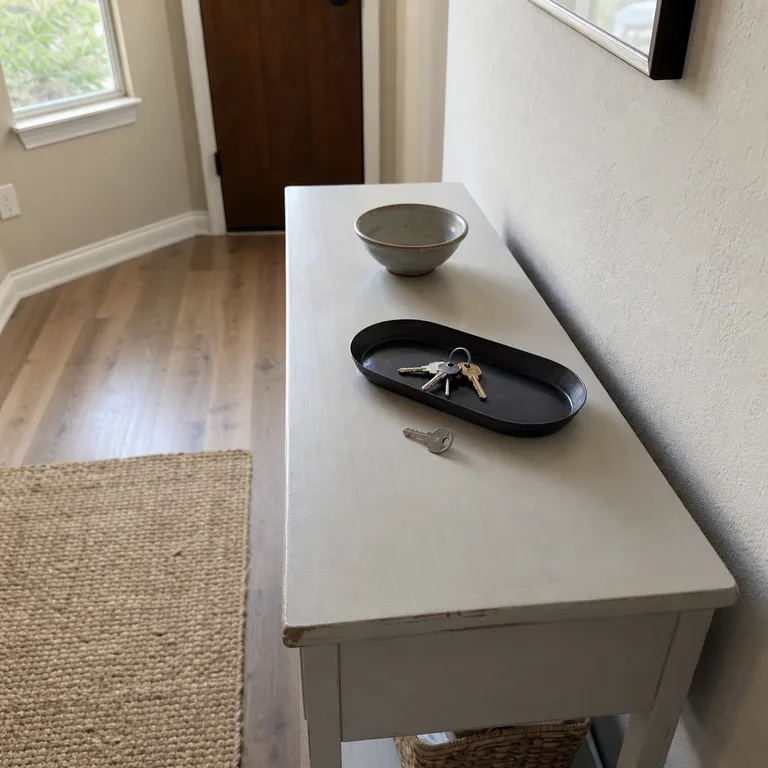
A defined landing spot stops keys from spreading across the kitchen counter, pockets, and bags. A low tray is usually enough, and an existing dish or small bowl can work if it keeps the group contained.
Place the tray away from a front-facing window or any area visible from the street. In a rental, a tray is an easy solution because it needs no wall mounting.
Worth knowing: A tray only works if it stays reserved for keys rather than becoming a catchall for receipts, coins, and loose clutter.
2.Make a three-part mail station on a console or cabinet top
Divide the available surface into three simple groups: mail to open, papers that need action, and papers to file. Small upright organizers, reused magazine files, or labeled folders make the separation visible without taking over the entry.
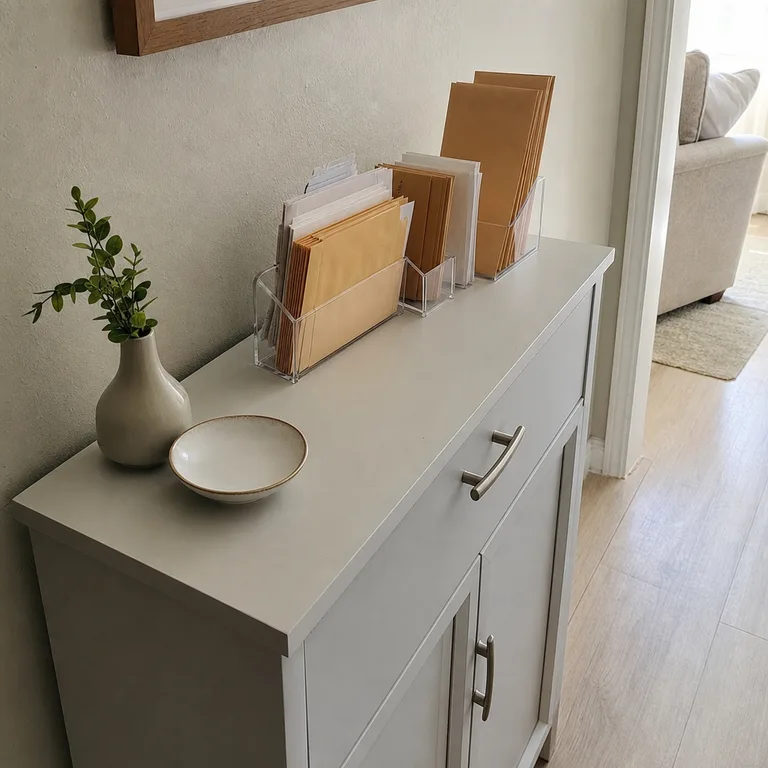
This prevents unopened envelopes from mixing with school forms, bills, and paperwork that needs long-term storage. The system is easier to maintain when each section has one clear purpose rather than several overlapping categories.
Choose narrow vertical holders when the entry surface is shallow. Keep the filing section temporary, then move private or permanent records behind a closed door on a regular schedule.
Worth knowing: Paper can still pile up if the action section is not reviewed often enough.
3.Use a wall hook rail only for grab-and-go items
Mount a short hook rail near the door for the few items that leave the house most often: a key ring, dog leash, and one reusable bag. Keeping the rail limited makes it a departure station instead of an overflow closet.
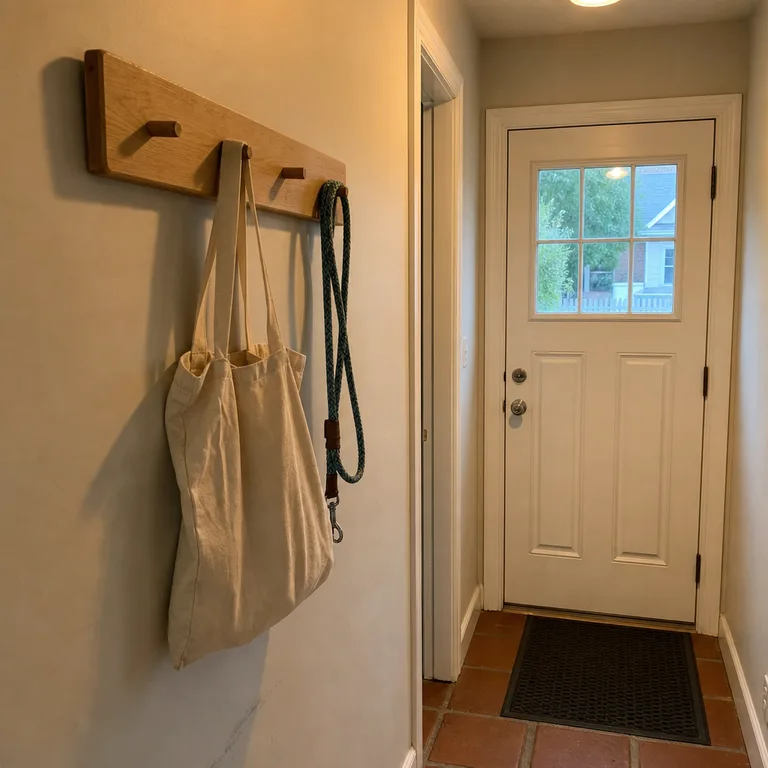
Hooks use wall height rather than floor space, which helps in a narrow hall where a freestanding organizer would block the path. A short rail also creates a clear visual boundary for everyday essentials.
Use anchors suited to the wall type, especially for drywall, and check the door swing before installing anything. Store coats and heavier bags elsewhere so the rail does not become crowded or pull loose.
Worth knowing: Installation may be difficult in rentals, and adhesive hooks are less reliable for heavier items.
4.Keep outgoing papers in a vertical holder by the door
Give returns, permission slips, library books, and other leaving-the-house items one upright holder near the door. A wire file, wall pocket, or standing folder keeps these items visible without spreading them flat across the console.
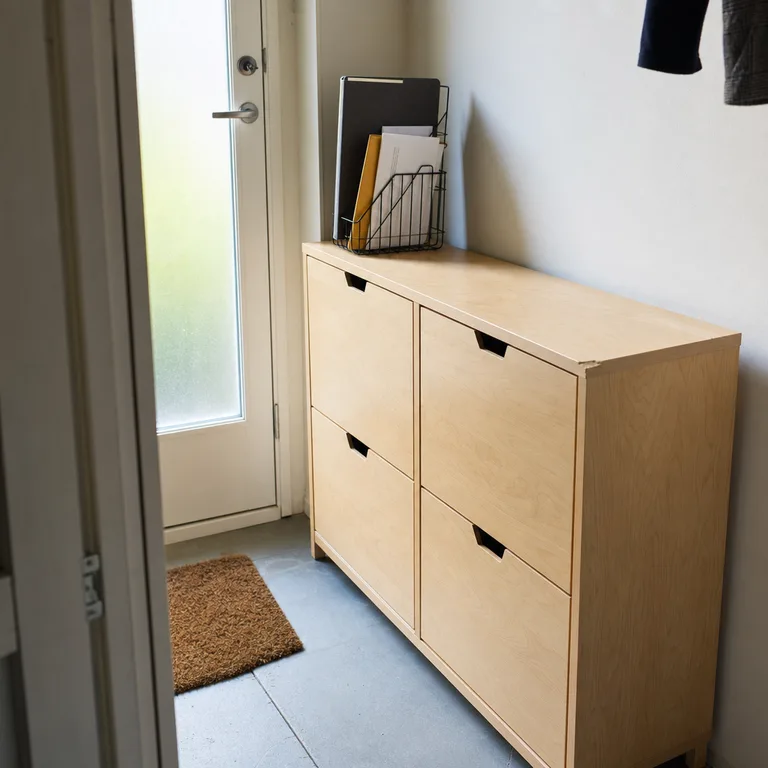
Outgoing papers are easy to forget when they get mixed into incoming mail. Keeping them upright and separate creates a last-look prompt on the way out.
Use a holder that fits the surface without interfering with the door swing or a narrow walkway. Put only current items there, and remove anything that has already left the house.
Worth knowing: A vertical holder is not secure enough for sensitive documents or small loose items.
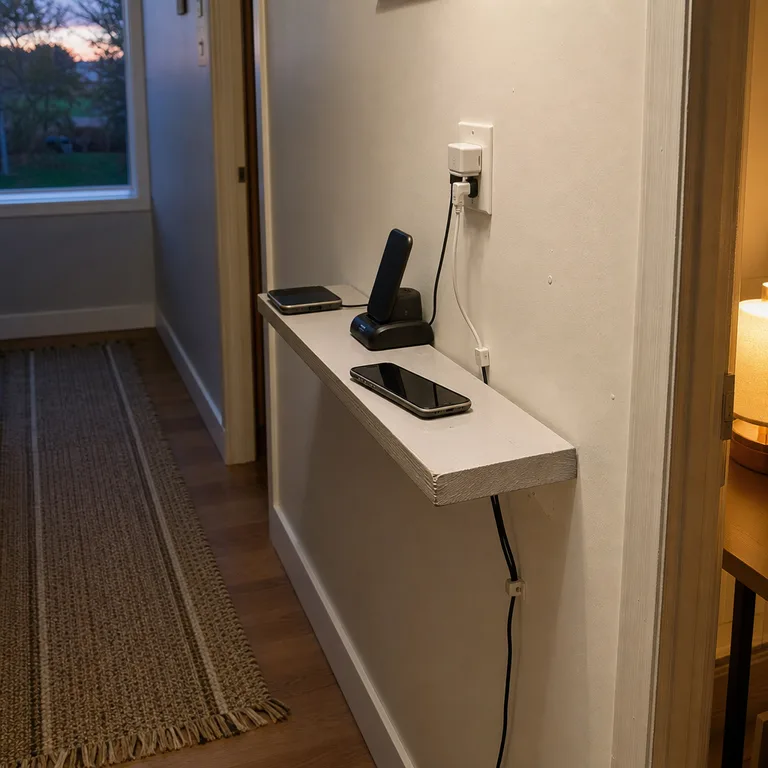
5.Add a small charging shelf for phones and key fobs
Use a narrow shelf near an outlet for shared phones, rechargeable key fobs, and a charging dock. This gives electronics a place of their own instead of leaving them tangled with envelopes and keys.
A dedicated charging area keeps the mail station usable and reduces the chance that a needed device gets buried under paper. A slim shelf can work even where there is no room for a full entry table.
Secure cords with clips so they stay close to the wall and do not cross the walking path. Avoid overloading an outlet, and keep charging devices away from wet umbrellas or damp outerwear.
Worth knowing: Not every entry has a conveniently placed outlet, and visible cords can still look messy without basic cable control.
6.Store private papers behind a closed door
Move statements, medical paperwork, identification documents, and other private papers off the entry surface. A lidded document box or locking file in a nearby closet, cabinet, or drawer keeps them out of sight and away from everyday traffic.
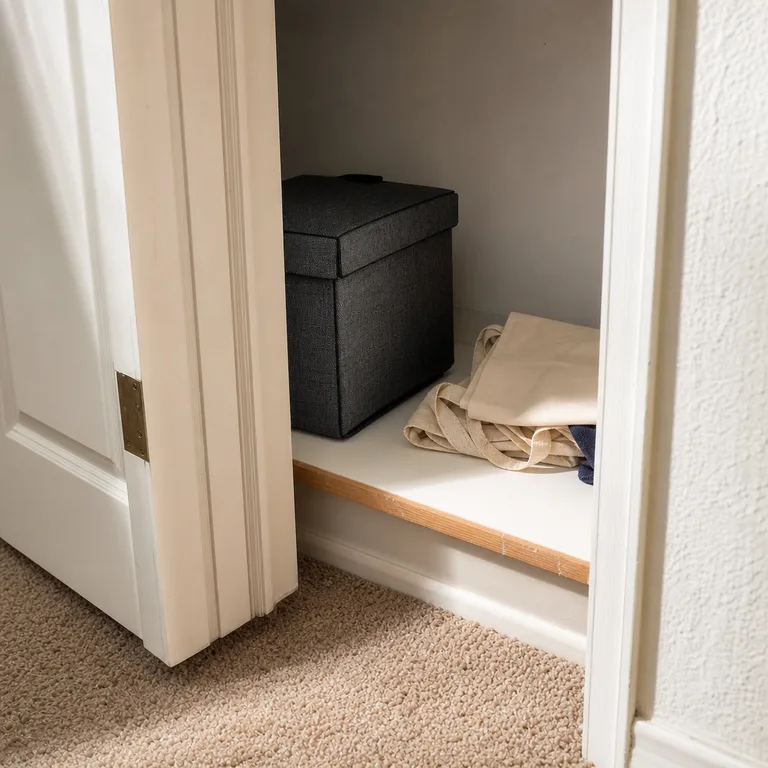
Closed storage makes the entry look calmer while protecting papers from spills, visitors, and casual view from the doorway. It also separates documents that must be kept from papers that simply need a response.
Use folders inside the box so important records do not become one unsorted stack. Choose a dry location away from exterior doors, damp basements, or spots prone to leaks.
Worth knowing: Closed storage can turn into a forgotten pile unless it is sorted during a regular household reset.
7.Turn a drawer into a contained entry supply zone
Reserve one shallow drawer for the supplies that support the routine: pens, tape, stamps, batteries, spare key rings, and envelopes. Simple dividers or small reused containers keep these items from rolling together.
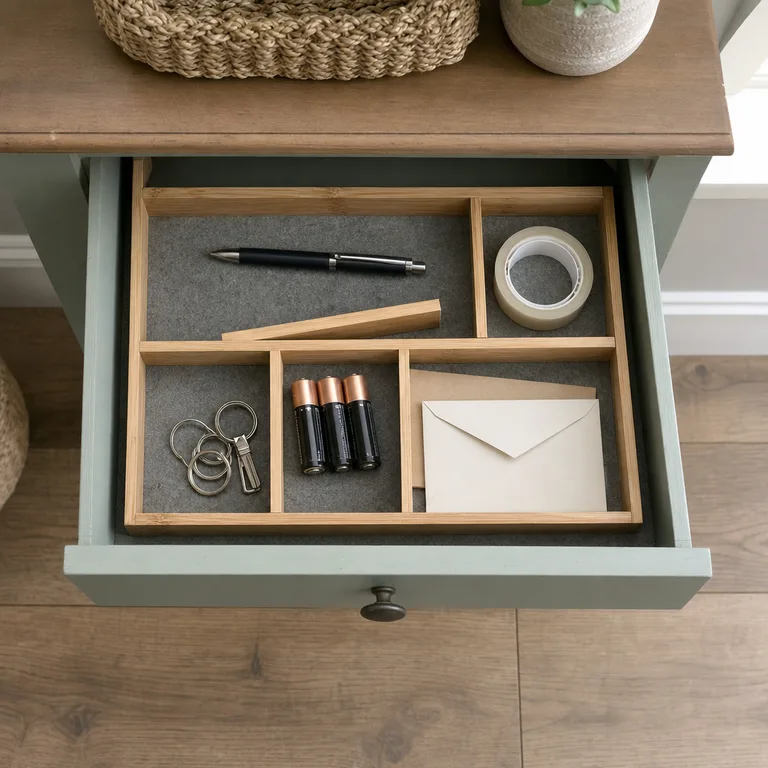
With supplies close by, paperwork can be handled at the entry instead of being carried to another room and left there. A contained drawer also keeps the visible surface clearer.
Use adjustable dividers if the drawer holds mixed sizes, and keep only supplies that serve the entry routine. Avoid storing important documents in a drawer that children, guests, or household traffic can easily access.
Worth knowing: This idea requires a nearby drawer, which may not exist in the smallest entryways.
Related: 12 Kitchen Drawer Organization Ideas Using Simple Dividers
8.Create a paper exit routine with a recycling bin nearby
Open mail over a small recycling bin and discard envelopes, inserts, and obvious junk immediately. Put actionable papers into the mail station, and move private documents into closed storage instead of leaving them in the entry.
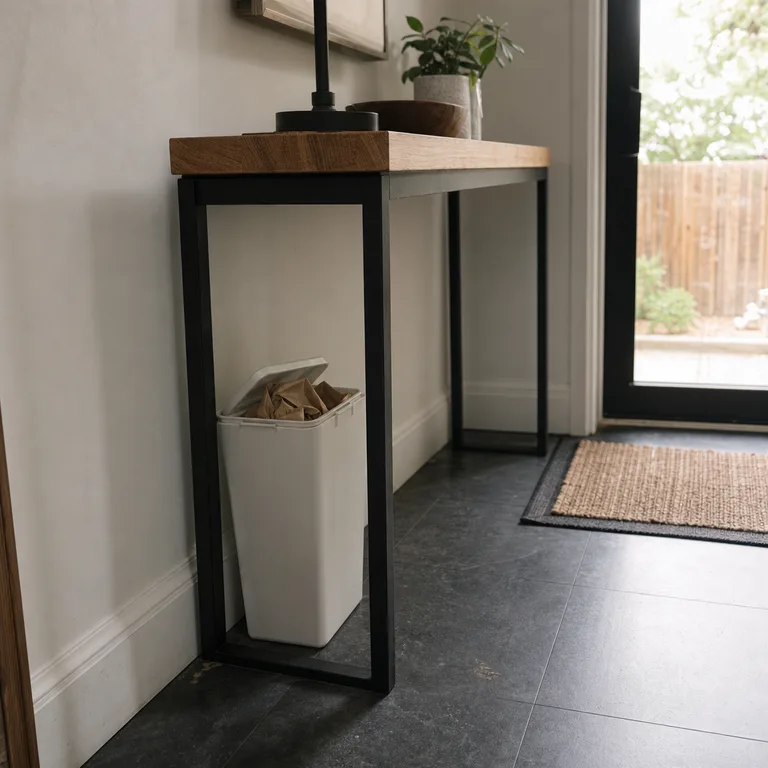
The routine reduces paper at the point where it enters the home. It also makes a compact mail system more effective because only papers worth keeping reach the limited surface space.
A slim lidded bin can fit under a console or beside a shoe cabinet without taking much room. Shred or securely dispose of papers that contain personal details rather than placing them loose in recycling.
Worth knowing: This routine depends on mail being opened promptly rather than carried farther into the house.
9.Use a bench basket for bags that leave the house
Slide one basket beneath an entry bench for reusable shopping bags, umbrellas, and seasonal grab-and-go gear. Keeping these items together stops them from taking up the key tray or mail surface.
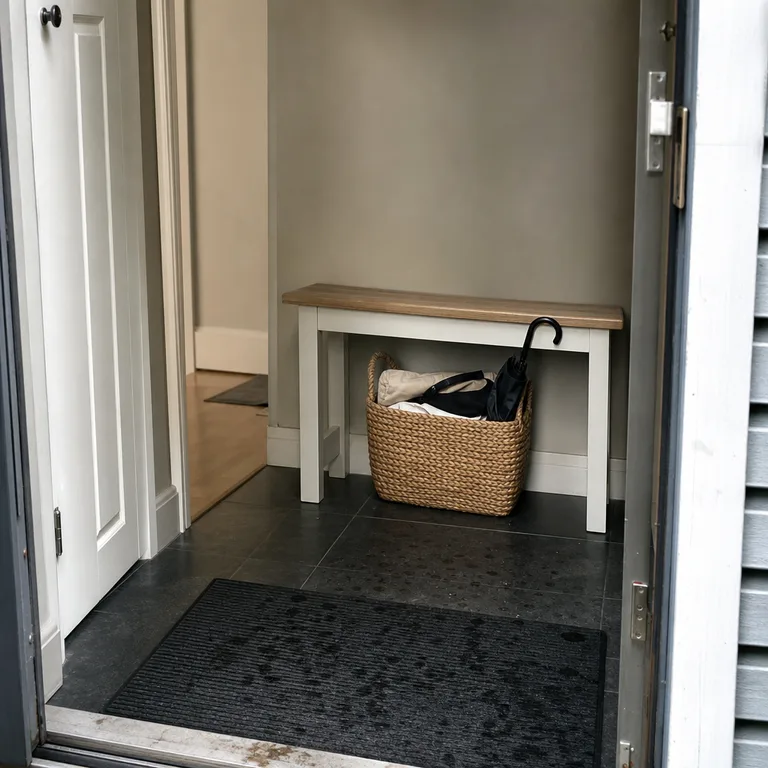
Under-bench storage uses an area that often goes unused while making everyday bags easy to grab. A basket also gives loose items a visual boundary, which helps a small entry feel less busy.
Check umbrellas and wet bags before putting them away, especially in rainy climates. Let damp items dry in a drip tray or other ventilated spot so moisture does not collect in the basket or on the floor.
Worth knowing: A basket can become a hiding place for clutter if it is not limited to items that regularly leave the house.
Related: 12 Shoe Storage Ideas for a Narrow Entryway
10.Set a weekly reset point at the end of the entry surface
Leave a small section of the console, shelf, or cabinet top intentionally open for items that need a decision. Use it during a regular tidy to return misplaced objects, file paperwork, recharge devices, and clear the daily tray.
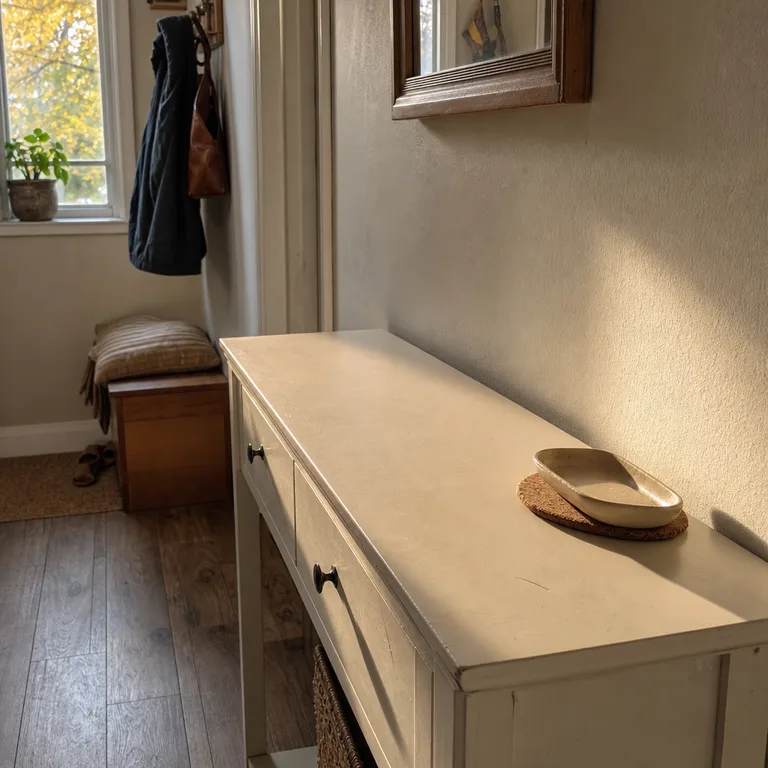
An empty reset area gives temporary items a controlled place without letting them take over the whole entry. It also reveals quickly when the system needs attention, since the open space disappears when tasks are waiting.
Keep this zone bare rather than decorating it with permanent objects. In a very small entry, even one clear corner of a shelf can work as long as the household treats it as a short-term sorting point.
Worth knowing: The reset spot can become a permanent clutter pile if there is no consistent time to clear it.
About the author
Dana Ruiz, Senior editor
Dana writes about small-space living, storage and low-cost decorating.
Keep reading
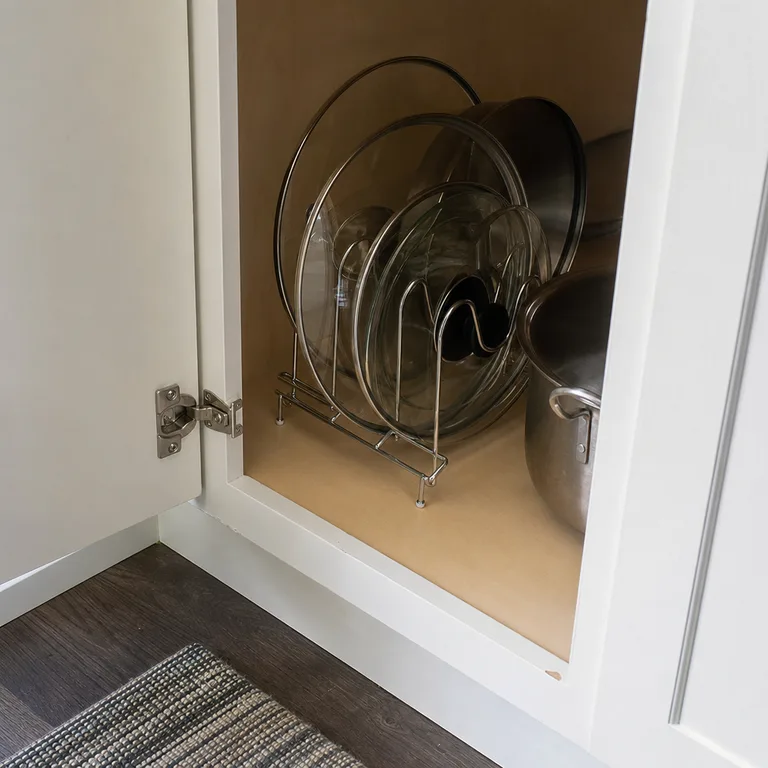
10 Pot Lid Storage Ideas That Stop the Cabinet Avalanche
September 28, 2026
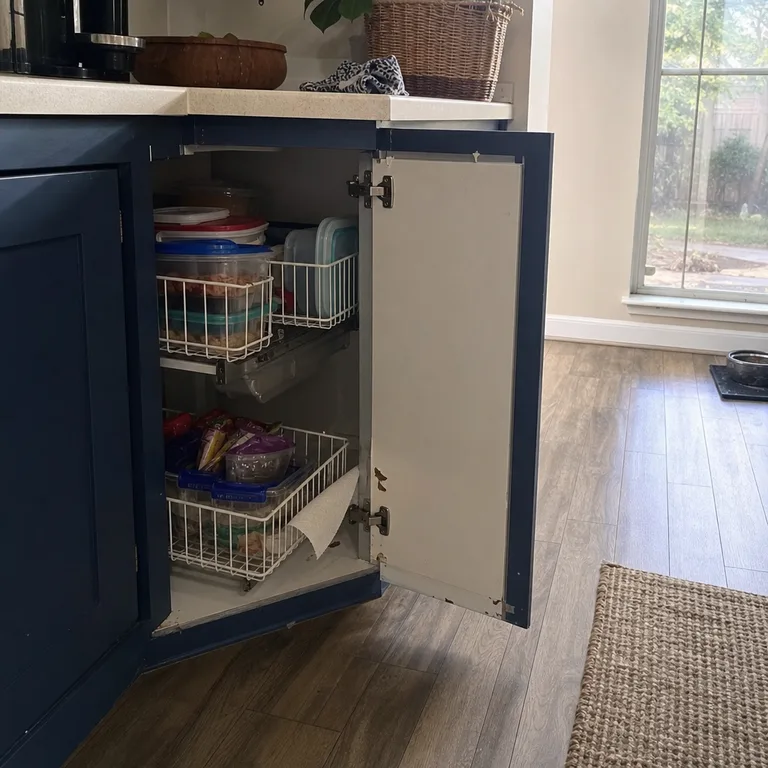
12 Corner Kitchen Cabinet Organization Ideas Without a Remodel
September 28, 2026
12 Kitchen Drawer Organization Ideas Using Simple Dividers
September 25, 2026
10 Large Wall Art Ideas That Start With Affordable Materials
September 28, 2026