10 Holiday Hosting Layout Ideas for a Small Apartment
A small apartment can host a modest holiday gathering when seating, food, and outerwear each have a clear zone instead of competing for the same surfaces. These layouts keep a direct path to the door and kitchen while giving a handful of guests places to sit, perch, eat, and set down a coat.
As an Amazon Associate I earn from qualifying purchases.
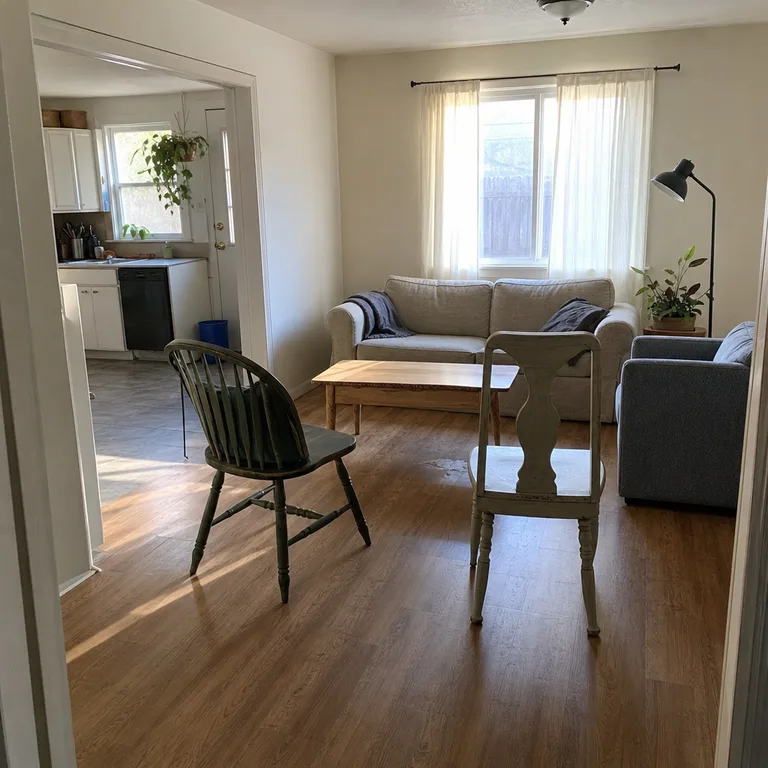
1.Float a Sofa Bench Behind the Main Seating
Pull a lightweight bench behind the sofa to make two perch seats without filling the room with more full-size chairs. This works well for a gathering of four to six when a few guests will be standing, chatting, or moving between rooms.
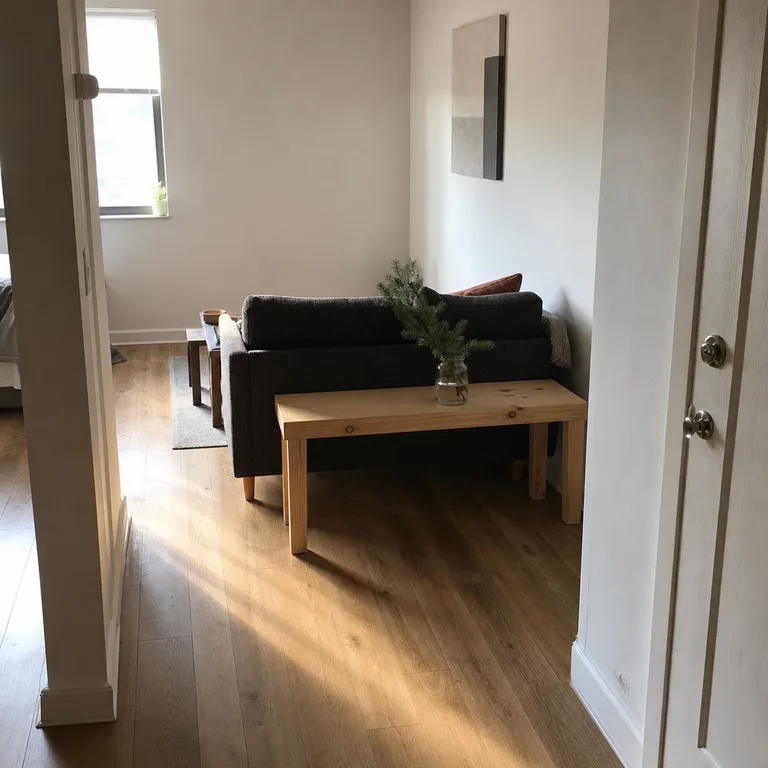
Leave one side of the bench open as a route from the entry to the living area. A plain entry bench, folding bench, or sturdy borrowed bench can do the job; add felt pads or a non-slip layer if it tends to slide on hard flooring.
Worth knowing: A bench is best for short stretches of sitting and may not suit guests who need back support.
Related: 12 Small Living Room Seating Ideas Beyond a Second Sofa
2.Turn the Coffee Table Into a Low Snack Station
Use the coffee table for contained snacks, napkins, and small plates rather than a full meal. Keeping it focused gives seated guests something easy to reach without making the table feel crowded.
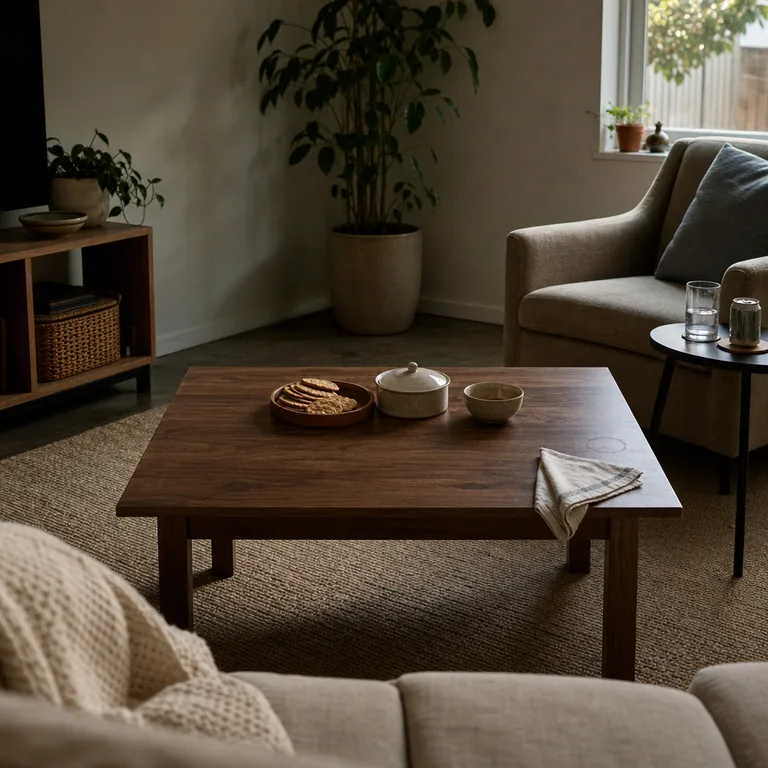
Set drinks on a side table or tray table near the seats instead. A handled tray, lidded bowls, and foods that do not need cutting help keep crumbs and spills more manageable on a low surface.
Worth knowing: A low table is not a good place for hot drinks or foods that need serving utensils and frequent refills.
3.Set Up a Wall-Hugging Buffet on a Folding Table
Run a folding table along the longest clear wall for the main food service. It creates one defined stop for plates and dishes while leaving the center of the room available for people to pass through.
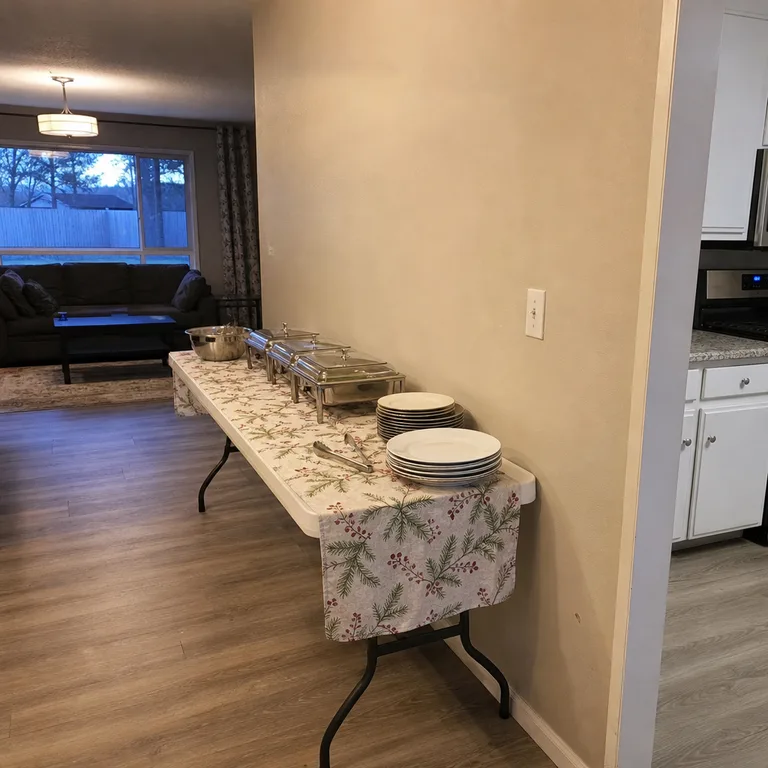
Use stable serving dishes and place heavier items toward the back of the table. A simple runner can cover a worn folding surface, but keep its ends short enough that they cannot catch on shoes or chair legs.
Worth knowing: This layout needs a truly clear wall and can feel tight if guests must pass between the buffet and a sofa.
4.Make the Entry a Temporary Coat Drop Zone
Give coats, scarves, and bags a home at the door instead of letting them collect on dining chairs and sofa arms. A slim freestanding rack, over-door hooks, or removable hooks can turn a small entry corner into a useful landing zone.
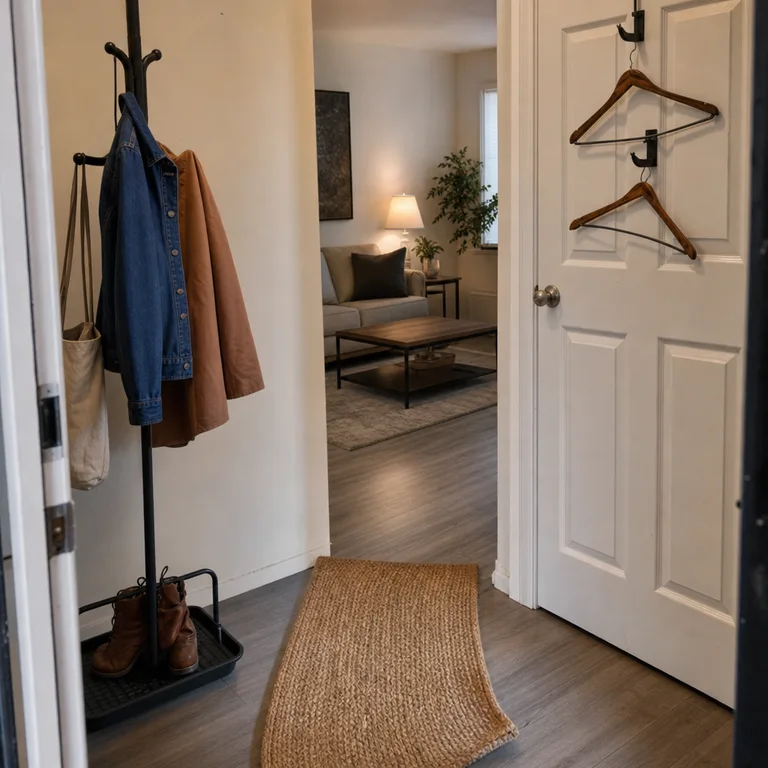
Add a boot tray or washable mat for wet shoes in rainy or snowy weather. Keep the door swing and the route out of the apartment clear, especially if the entry is also the only path to a bathroom or kitchen.
Worth knowing: Rental-safe hooks have weight limits, so bulky winter coats may need a freestanding rack instead.
5.Use Dining Chairs as a Conversation Semicircle
Bring dining chairs into the living room and angle them toward the sofa instead of lining them up against the walls. A loose semicircle makes a small group feel connected and gives everyone a clearer view of the conversation.
Leave a wide opening in the arrangement for the path between the entry and kitchen. Add chair pads or cushions for comfort, and use felt pads underneath if the chairs will sit on hard flooring.
Worth knowing: Moving dining chairs can leave the eating area short on seating if dinner is served at the table.
6.Place a Drink Cart Beside, Not in Front of, the Kitchen Route
Place a narrow cart or tray stand beside the kitchen opening, not directly in the doorway. Guests can refill water or pick up a drink without creating a cluster where people need to walk through.
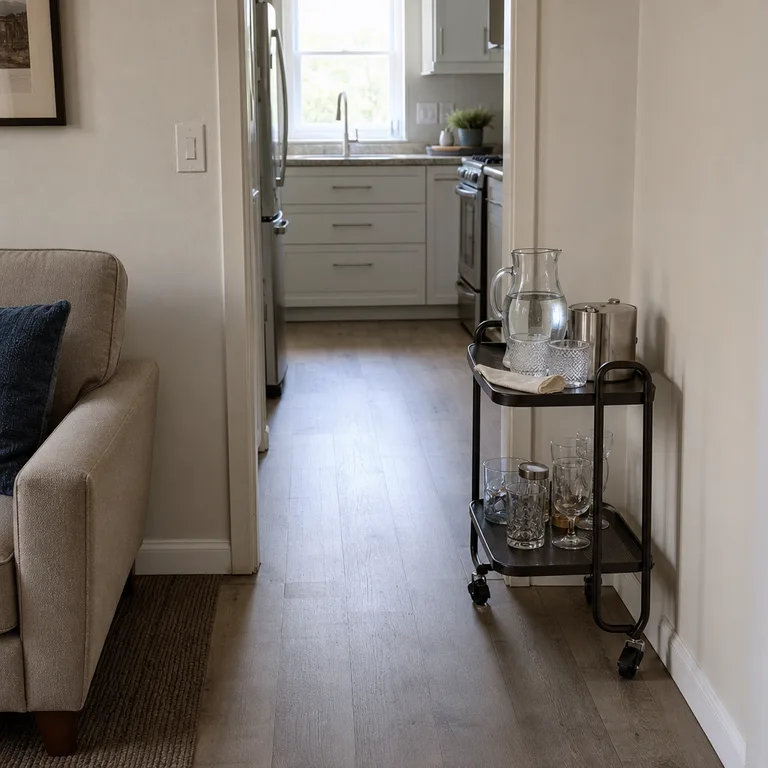
Keep the cart simple with glasses, water, napkins, and a small ice bucket or cooler. If the cart rolls, lock its wheels or brace it against the wall so it stays steady on uneven flooring.
Worth knowing: A cart can become a bottleneck if it is placed in a narrow hall or beside a frequently used appliance.
7.Create a Window-Side Dessert Perch
Use a narrow console beneath a window for coffee, dessert, and after-dinner plates. This shifts a second round of serving away from the main buffet and can make the gathering feel less concentrated in one spot.
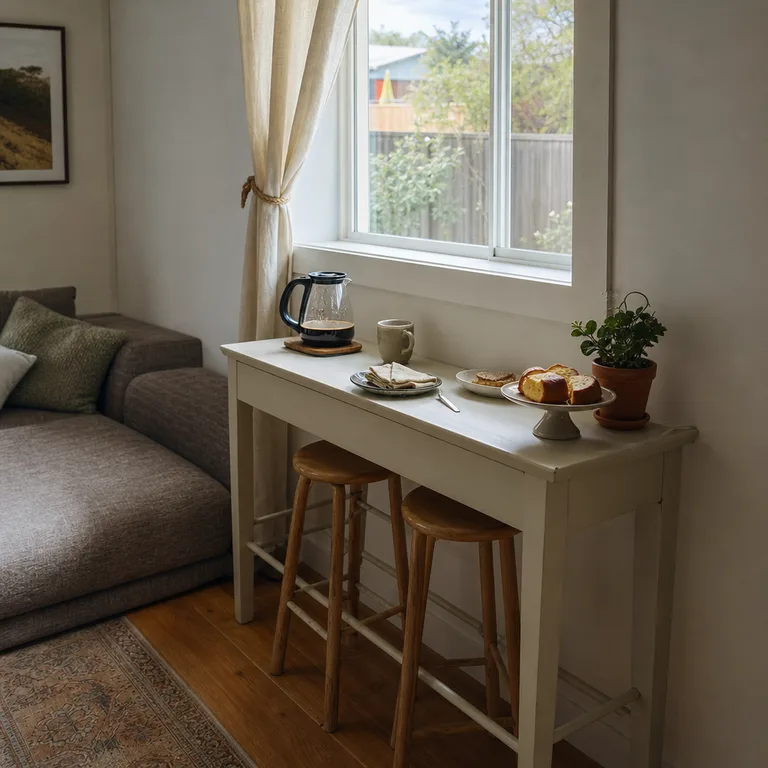
Tuck stools underneath only if they do not block the route past the window. Keep hot drinks on a stable surface well away from curtains, and avoid placing a carafe where direct sun could warm it for hours.
Worth knowing: A windowsill or very narrow console may not safely support a heavy coffee maker or large serving dish.
8.Keep a Clear Center Aisle With Nesting Tables
Split nesting tables between seats instead of relying on one large occasional table in the middle of the room. Each guest gets a nearby spot for a glass, while the central aisle stays open for trips to the kitchen, bathroom, or entry.
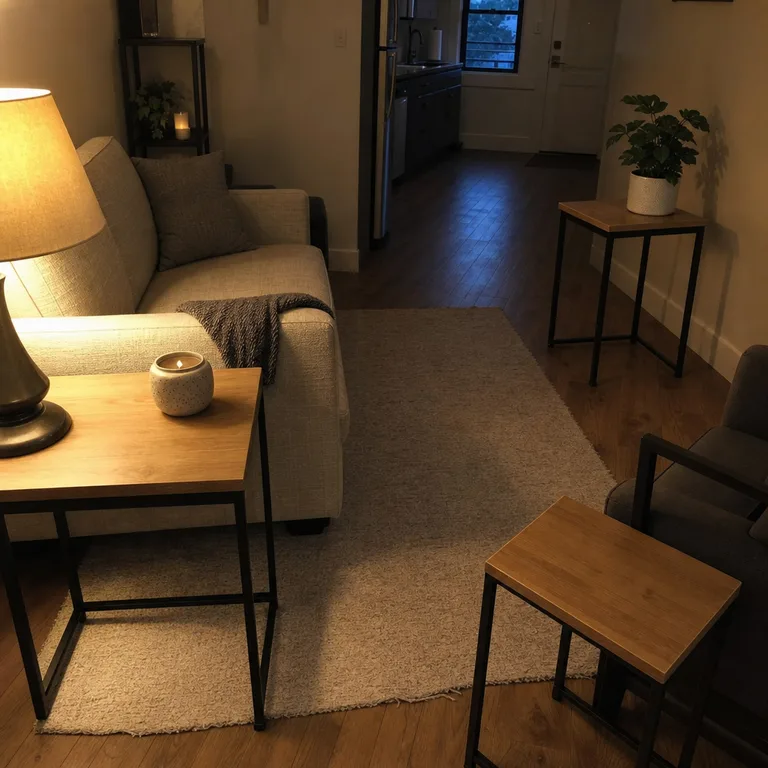
Stack the tables together again when more floor space is needed. Small tables work best when they have broad, stable tops and do not wobble on the rug or flooring.
Worth knowing: Very small nesting tables cannot hold shared platters or several drinks at once.
Related: 12 Small Living Room Layout Ideas That Leave Room to Walk
9.Use Floor Cushions Along One Rug Edge
Line firm floor cushions along one edge of the rug for flexible extra seating. They work especially well for younger guests or brief visits, and they can be stored in a closet once the gathering ends.
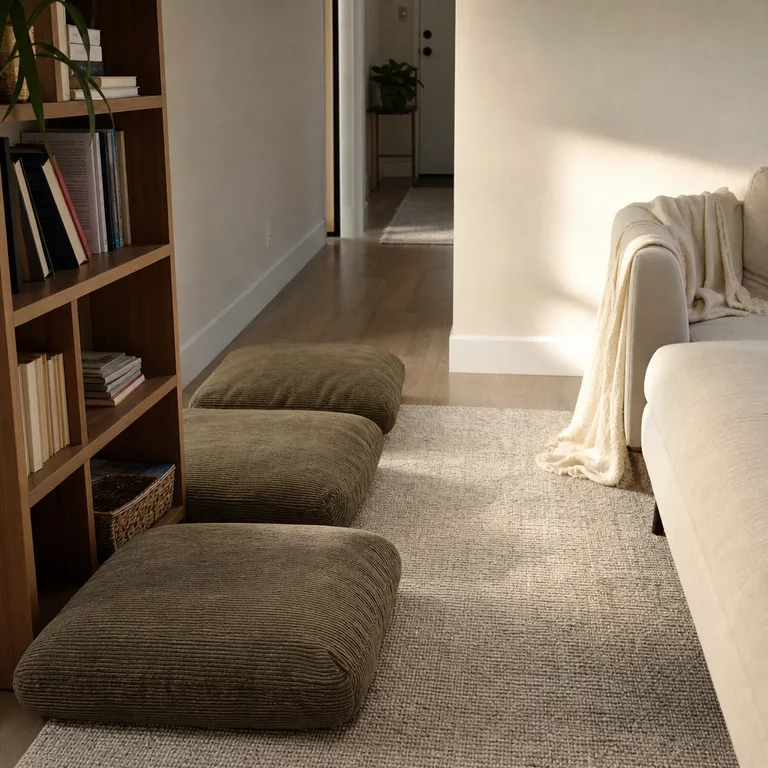
Keep cushions out of door swings, heating vents, and the route to the bathroom. Choose firm, washable covers where possible, since holiday food and drinks are more likely to reach floor level.
Worth knowing: Floor seating is not suitable for everyone, particularly guests with mobility, knee, or back concerns.
10.Reserve One Closed Surface for Bags and Host Supplies
Set aside a lidded ottoman or closed cabinet near the seating area for handbags, spare napkins, extra cups, and serving backups. This keeps the entry from becoming a bag pile and leaves open surfaces available for food and drinks.
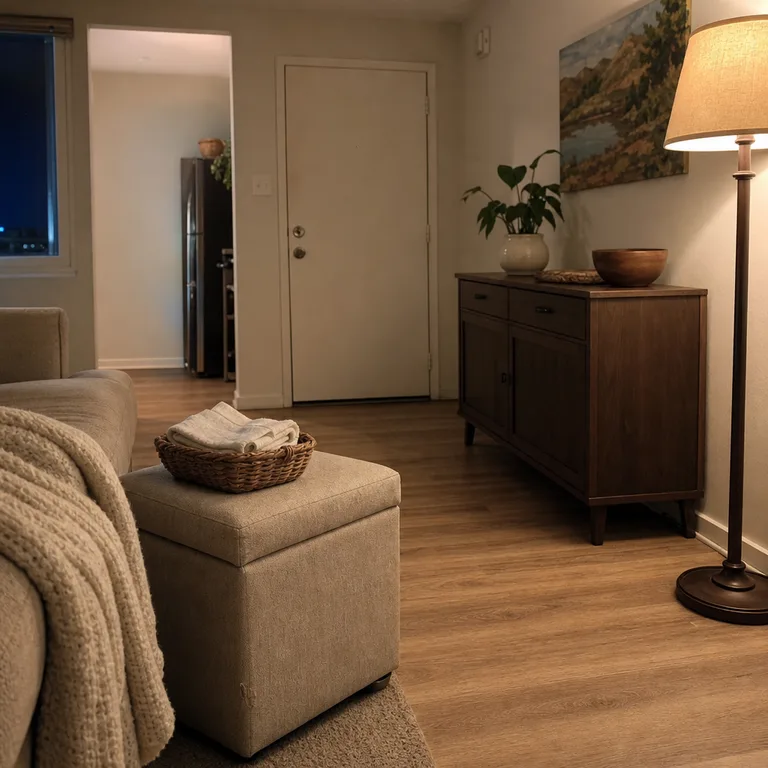
A storage ottoman can also work as a temporary side perch if its lid is secure and the piece is designed to bear weight. Keep only a small basket or tray on top so it remains useful throughout the gathering.
Worth knowing: Not every storage ottoman is safe to sit on, and a hinged lid can be awkward when guests need frequent access to supplies.
About the author
Dana Ruiz, Senior editor
Dana writes about small-space living, storage and low-cost decorating.
Keep reading
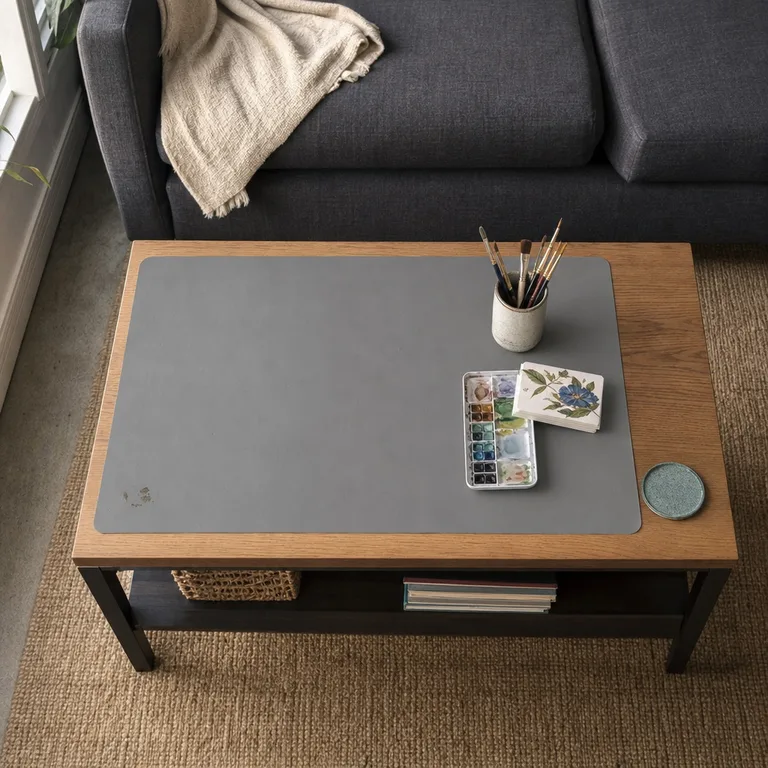
10 Ways to Fit a Craft Corner Into a Small Living Room
October 13, 2026
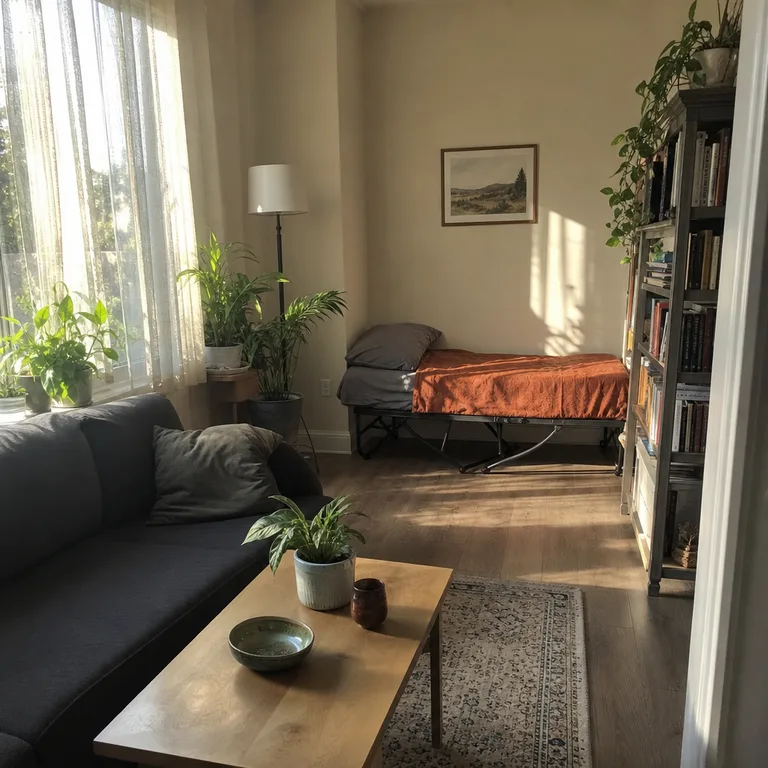
8 Overnight Guest Setups for a Small Living Room During the Holidays
October 12, 2026
9 Temporary Holiday Baking Setups for a Small Kitchen
October 12, 2026
10 Small Side Yard Ideas That Keep the Walkway Useful
October 15, 2026