9 Fall Bulb Planting Plans for a Small Bed Using One Modest Bag of Bulbs
A modest bag of spring-flowering bulbs can make a small bed feel intentional when the bulbs are arranged in visible groups rather than spread thinly across the yard. Match the layout to the bulb’s mature height, planting depth, drainage needs, sunlight, and local fall planting window; these are compact in-ground plans, not summer-bulb displays.
As an Amazon Associate I earn from qualifying purchases.
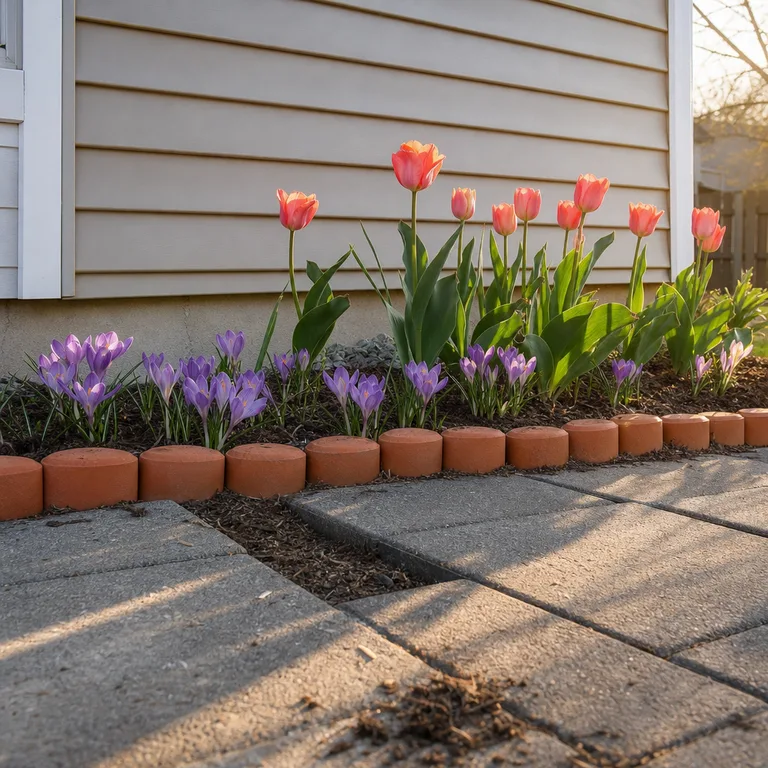
1.Plant One Dense Single-Color Clump
Give all the bulbs one job: create a rounded patch in a single part of the bed. A single color reads clearly from the path or street, even when the planting area is small, and it avoids the thin, scattered look that can happen when bulbs are spaced across the whole bed.
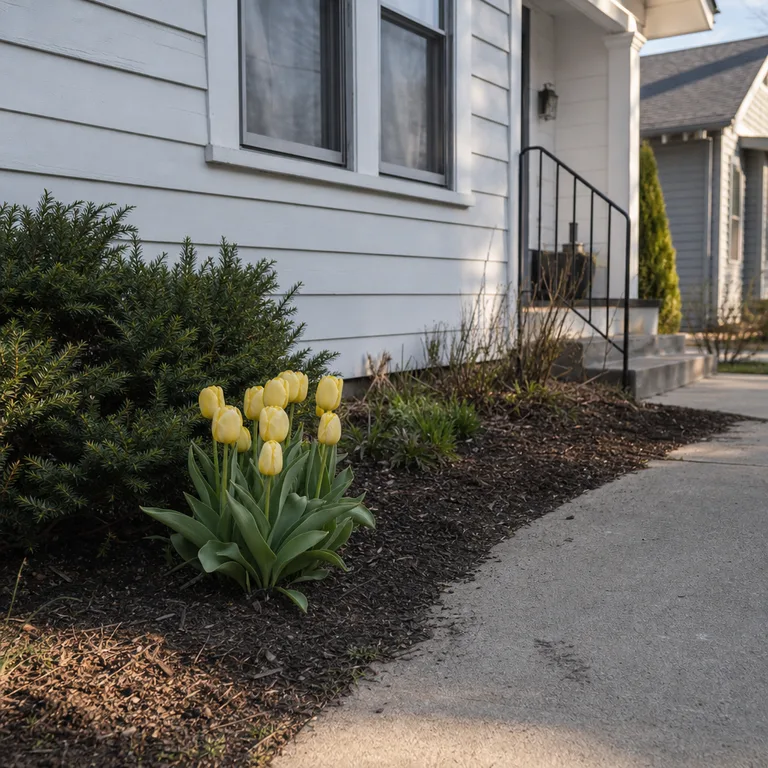
Lay the bulbs out above the soil first, adjusting the edge into a soft circle rather than a perfect ring. Plant at the depth recommended for that species, in soil that drains well through winter; bulbs in a low, soggy pocket can rot before spring growth begins.
Worth knowing: This layout creates one strong moment rather than color across the full bed, so it works best where the clump is easy to see.
2.Split One Bag Into Two Small Drifts
Divide the bulbs into two uneven but similarly sized groups, placing one drift toward each end of a short bed. The open space between them lets each group remain visible and makes a narrow bed feel longer without requiring more plants.
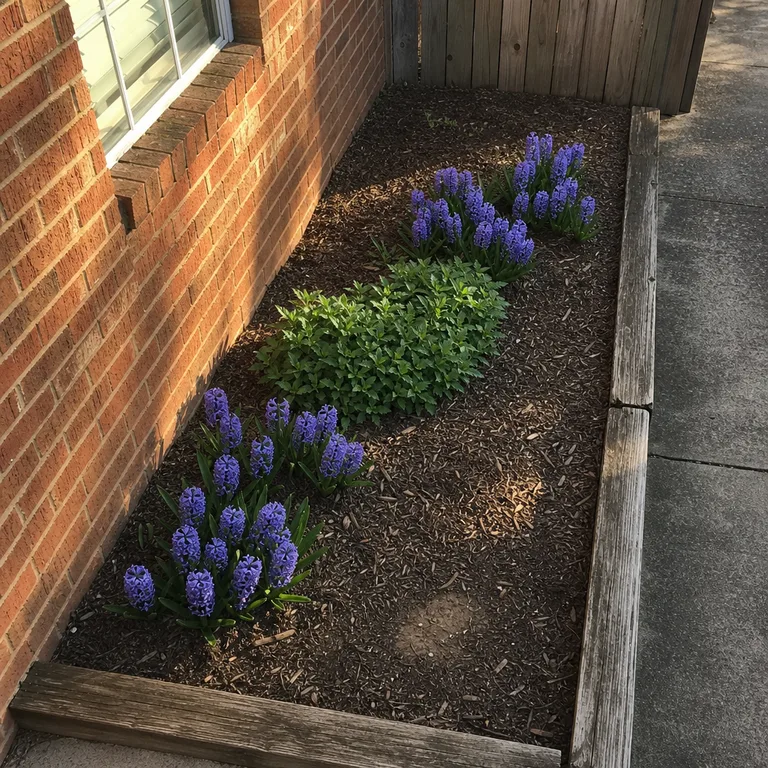
Keep the outlines loose and curved, with bulbs clustered more closely within each drift than between the drifts. A low existing perennial or groundcover can sit in the middle space, but avoid crowding bulbs into dense roots or a place that stays heavily shaded in spring.
Worth knowing: Each drift will have fewer flowers than one concentrated clump, so the effect is quieter at a distance.
Related: 15 Budget Landscaping Ideas That Make a Small Yard Feel Finished
3.Repeat Small Bulb Clusters Along the Bed Edge
Place several small clusters along the front edge of a path-facing bed, leaving clear gaps between them. This repeated pattern gives a simple border rhythm and brings low spring flowers where they can be seen without filling the entire planting area.
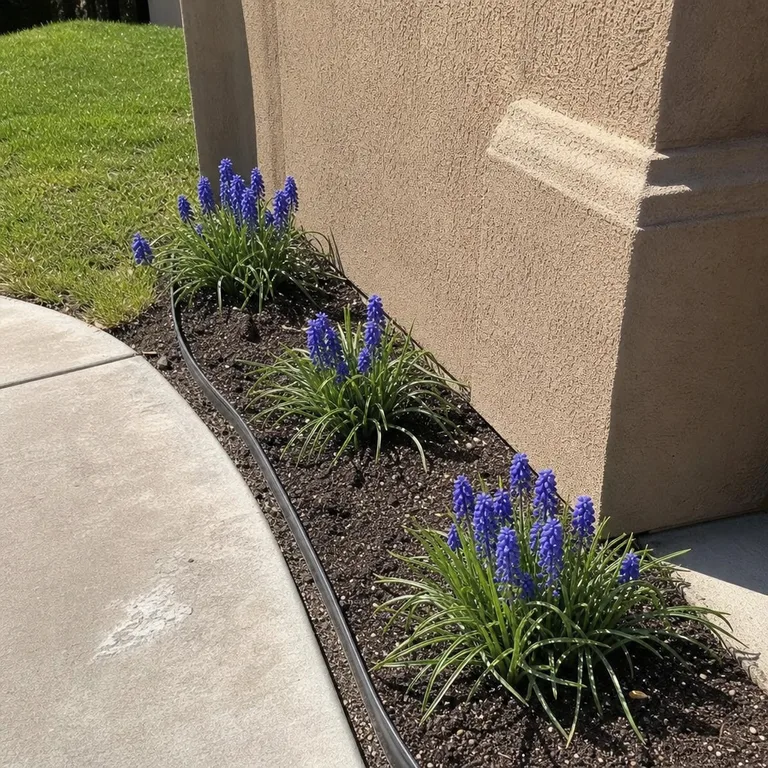
Use the same bulb type in every cluster so the line looks deliberate. Set the bulbs far enough back that routine edging, foot traffic, snow clearing, and winter salt will not disturb them; this is especially important beside a front walk or driveway.
Worth knowing: A row of small groups can look overly formal if the bed has a very loose, naturalistic planting style.
4.Tuck Bulbs Between Late-Emerging Perennials
Use bare pockets around perennials that wake up later in spring, such as plants with crowns that are easy to identify in fall. Early bulbs can bloom before the perennial foliage fills in, and the returning leaves help screen fading bulb foliage afterward.
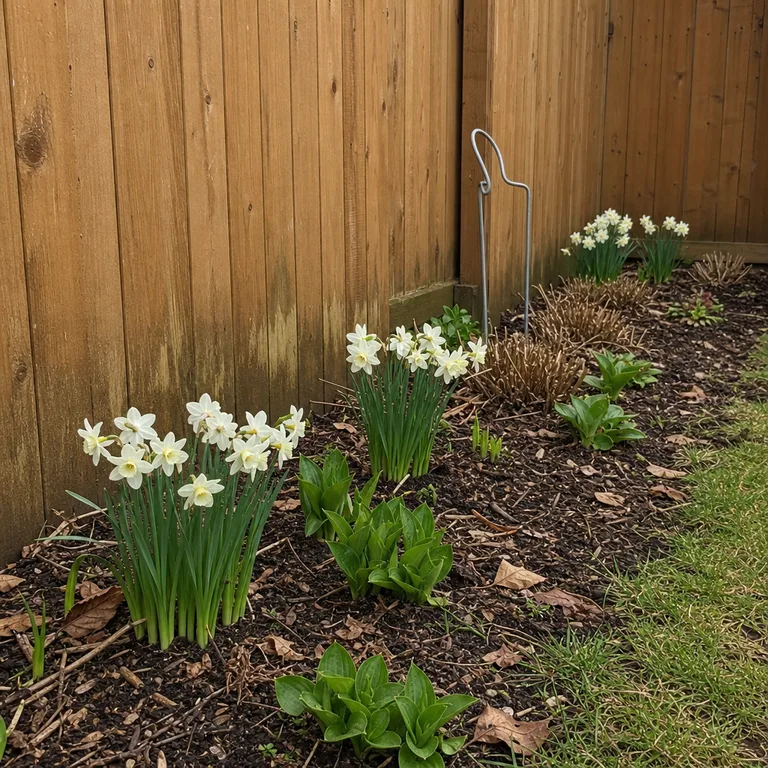
Plant in open soil around the perennial rather than cutting through a crowded root mass. Choose bulb species and perennials suited to the same light conditions, and leave bulb leaves in place until they yellow naturally so they can replenish the bulb.
Worth knowing: This approach is harder in established beds with tightly packed roots, where digging may damage existing plants.
5.Layer Short Bulbs in Front of Taller Bulbs
Create depth in a shallow bed by placing shorter bulbs near the front and taller bulbs behind them. The lower flowers frame the edge while the taller stems add height closer to the wall, fence, or rear of the bed.
Check the expected bloom periods as well as mature height. Bulbs that bloom at very different times may leave a gap, while a taller type that opens early can obscure the smaller group if the spacing is too tight.
Worth knowing: The arrangement depends on choosing varieties with compatible timing and heights, which can vary with local spring weather.
6.Make One Focal Patch Beside a Path Turn
Concentrate the bulbs at the inside corner of a path, near a gate, or beside a patio approach. A compact patch at a natural turning point gets noticed up close and gives an ordinary route through the yard a clear seasonal detail.
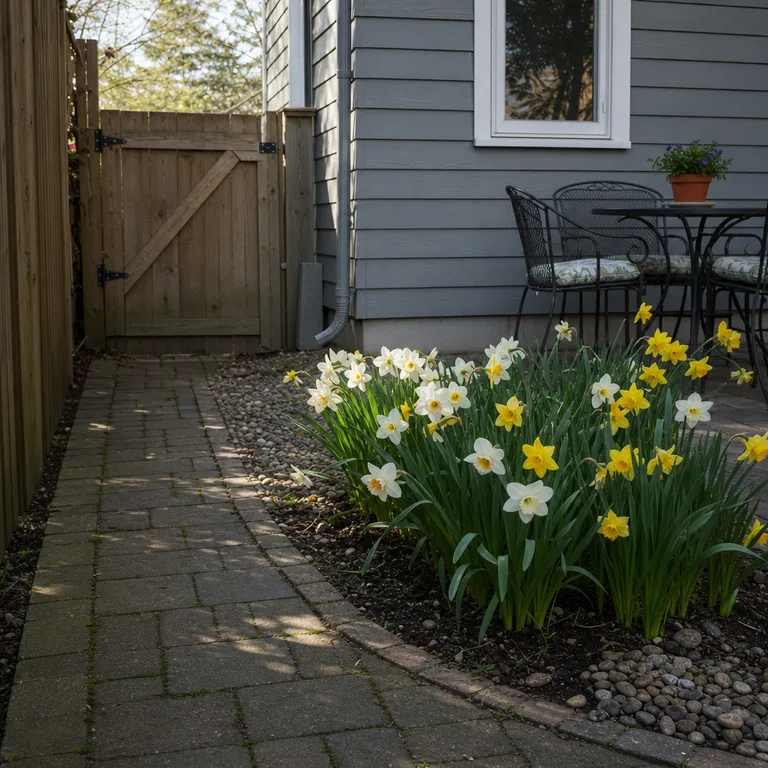
Keep the patch rounded and dense enough to read as one feature, using the path as a viewing edge rather than planting directly against it. Leave a practical buffer for edging and snow removal, and avoid a spot where runoff from hard surfaces collects in winter.
Worth knowing: Flowers beside a busy path can be damaged by feet, tools, or piled snow if the planting edge is too close.
7.Shape a Loose Oval Drift in Open Soil
For an open patch of soil, arrange the bulbs in an irregular oval with a fuller center and a softened edge. This gives the planting a natural drift-like shape without requiring enough bulbs to fill a large border.
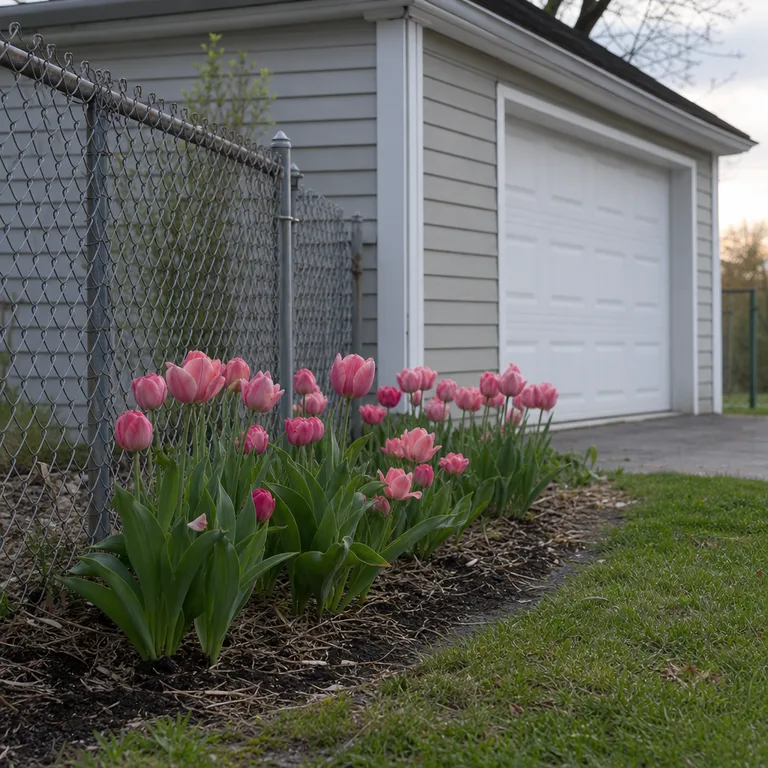
Mark the rough outline with leaves, a hose, or a light scratch in the soil, then vary the edge slightly as bulbs are placed. Keep the central area fairly dense so the bloom does not disappear once nearby perennials and grass begin growing again.
Worth knowing: A loose drift needs some open surrounding space; it can lose its shape in a bed already crowded with shrubs and perennials.
8.Use Two Colors in Separate Neighboring Groups
Choose two colors and give each color its own compact group, with a visible strip of mulch or open soil between them. Separate groups make the color contrast readable in a small bed, unlike a mixed scattering that can look busy from a distance.
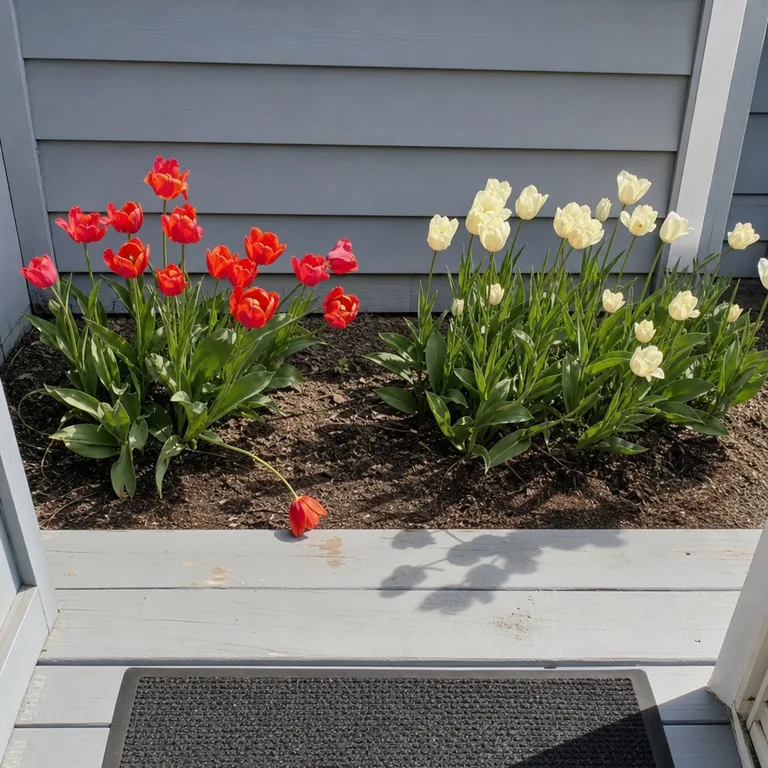
Keep the bulb type, bloom season, and height similar if a clean side-by-side effect is the goal. Reusing mulch already in the bed can help define the gap, but do not pile it so deeply over the planting area that new shoots struggle to emerge.
Worth knowing: Different colors may not bloom at exactly the same time, even when the bulbs are sold for the same season.
9.Stagger Clusters Where They Show From Indoors
Place several small groups at different depths in the bed, arranged for the view from a frequently used window. A nearer cluster, a middle group, and a farther group can make a compact bed look fuller from indoors without needing to fill every inch of soil.
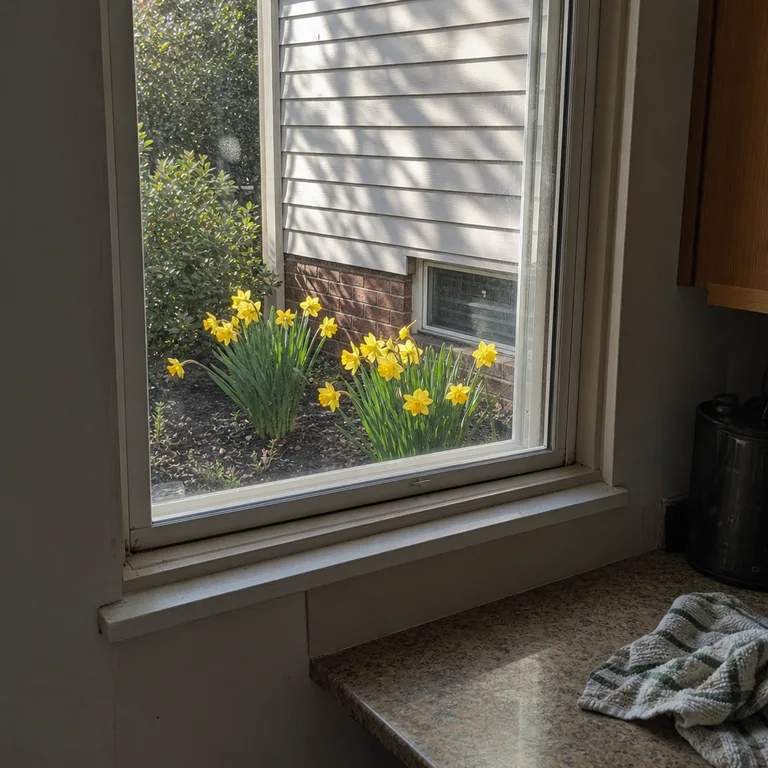
Stand at the window before planting and check whether shrubs, window screens, or exterior features block the view. Choose a location with enough spring sun for the selected bulbs, and leave room for existing shrubs to leaf out without hiding the flowers immediately.
Worth knowing: This plan is designed for one main sightline, so it may look less balanced from the sidewalk or another side of the yard.
About the author
Dana Ruiz, Senior editor
Dana writes about small-space living, storage and low-cost decorating.
Keep reading
7 Winter Bird Bath Care Tasks for a Small Garden
October 16, 2026
10 Small Patio Winter Prep Tasks That Protect What You Already Own
October 16, 2026
6 Foldaway Ironing Setups for a Bedroom Without a Permanent Laundry Area
October 16, 2026
7 Small Living Room Setups That Leave Space for a Foldaway Exercise Mat
October 16, 2026