7 Winter Bird Bath Care Tasks for a Small Garden
A shallow bird bath can remain useful through cold weather with a simple routine that keeps water available without damaging the basin or creating unsafe conditions. These seven tasks focus on checking, cleaning, positioning, and rotating an existing bath as freezing weather arrives.
As an Amazon Associate I earn from qualifying purchases.
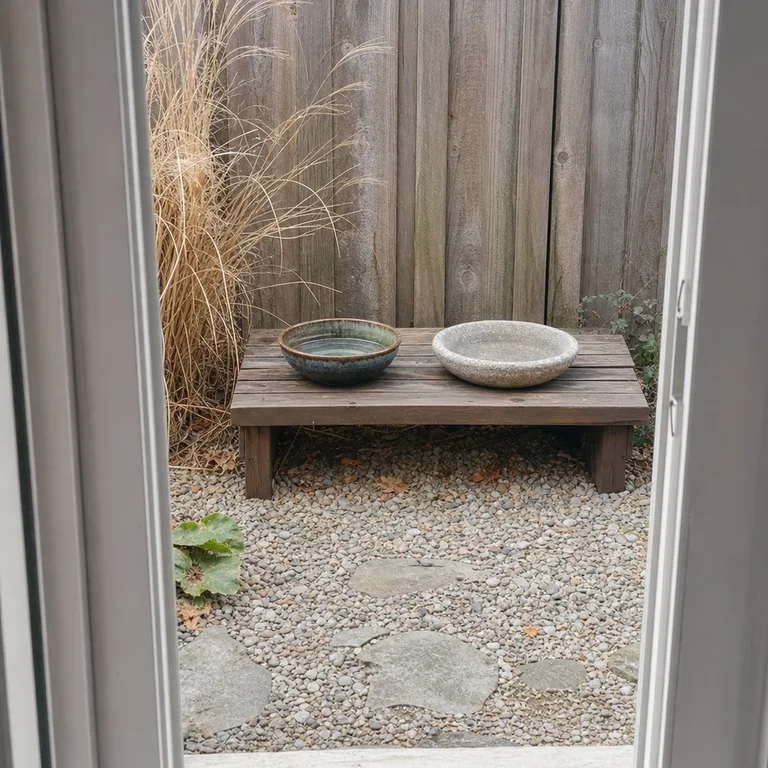
1.Check the Water Each Morning
Look into the basin early in the day for ice, leaves, cloudy water, and a small open area where birds can drink. Also check whether frost, wind, or wet ground has left the bowl or pedestal leaning.
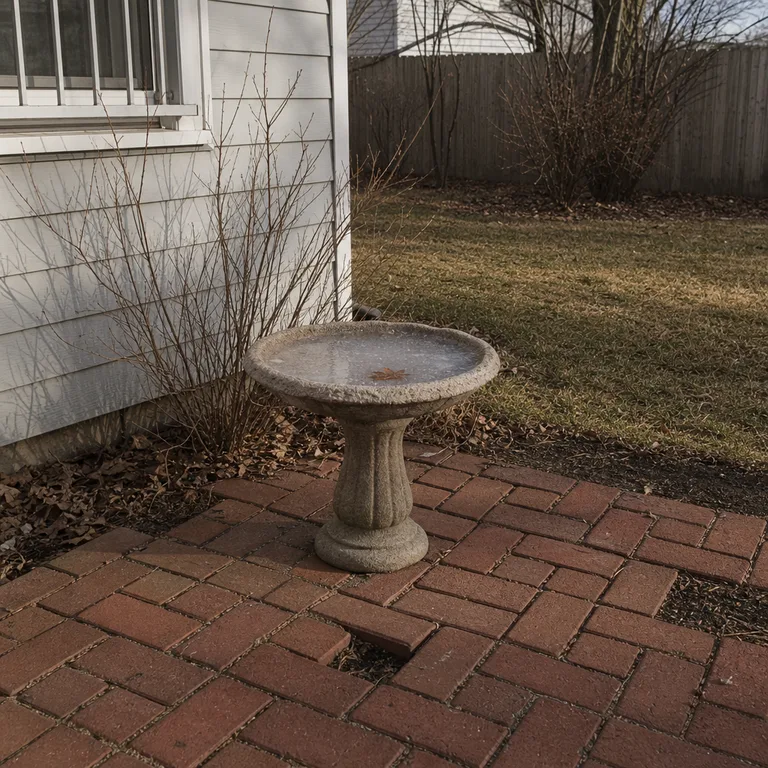
A quick daily check makes small problems easier to handle than a fully frozen, dirty basin. Keep the route to the bath clear enough to reach safely after frost or snow, particularly if it sits beyond a patio or path.
Worth knowing: A morning check does not keep water open all day during a prolonged hard freeze, so the bath may need another check later on.
2.Lift Out Ice Instead of Forcing It Loose
Remove ice only when it has loosened from the bowl or can be lifted out without pressure. A plastic scoop or gloved hand is gentler on the basin than striking the ice, prying at the rim, or using a metal tool.
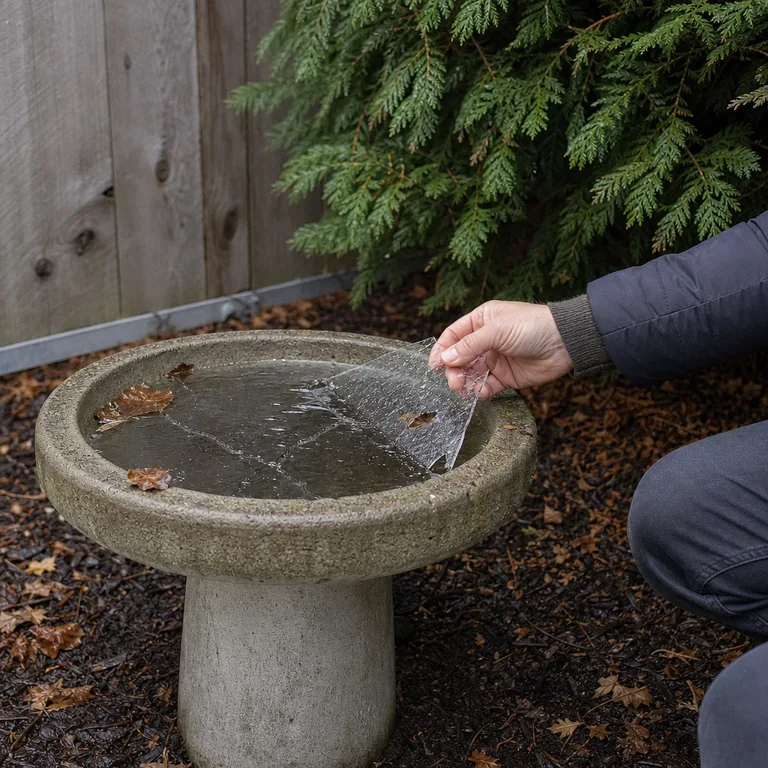
Do not pour hot water into a cold basin. Sudden temperature changes can be hard on some materials, especially older ceramic or concrete bowls that already have fine cracks.
Worth knowing: Ice that is firmly bonded to the bowl may need time to thaw naturally rather than being removed immediately.
3.Rinse Away Leaves and Droppings Regularly
Empty soiled water and rinse out leaves, droppings, and sediment whenever they collect. Use a dedicated soft brush for a stubborn film, then rinse thoroughly and refill with clean water.
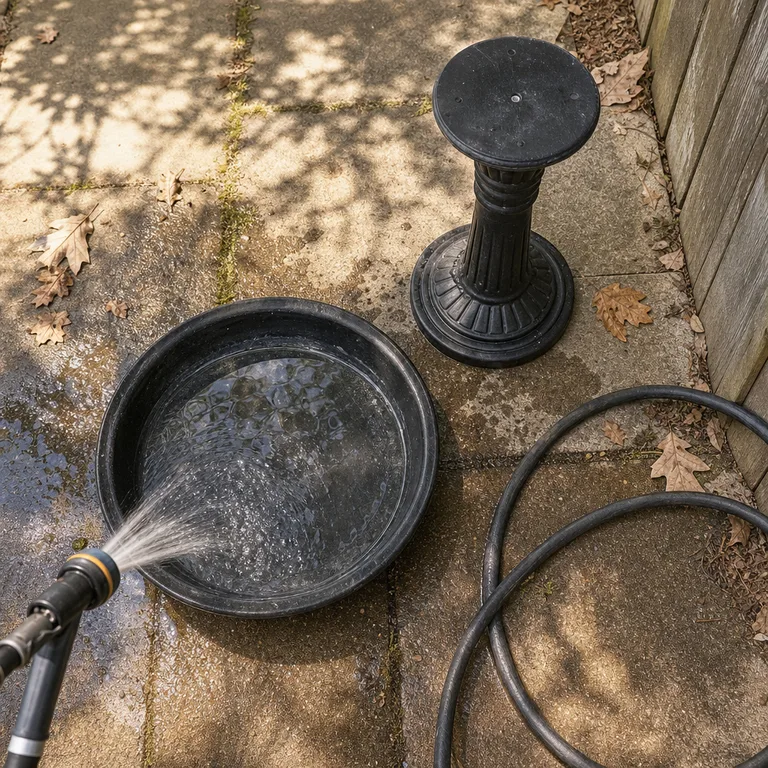
Regular cleaning keeps the shallow water more inviting and prevents decaying debris from building up under a layer of ice. If a hose is shut off for winter, carry water from indoors in a container that is easy to manage on a slippery path.
Worth knowing: Frequent rinsing is more difficult during freezing weather because wet surfaces and spilled water can quickly become slippery.
4.Use a Bowl That Can Handle Freezing Conditions
Inspect the current bowl for hairline cracks, loose glazing, crumbling edges, or damage around attachment points. If it is showing wear, set it aside for milder weather and use a shallow bowl specifically suited to outdoor exposure in your climate.
A removable bowl is often easier to clean, thaw, and bring under cover when severe weather is expected. Reusing the existing stand with a compatible replacement bowl can be simpler than replacing the whole bird bath.
Worth knowing: Not every bowl fits every pedestal securely, and an unstable bowl can tip or crack in wind and freezing conditions.
Related: 6 Small Garden Bird Bath Setups Using Simple Shallow Basins
5.Move the Bath to a Reachable Sheltered Spot
Place the bath near a cleared path or patio edge so it can be checked and refilled without walking across frozen lawn or muddy soil. A spot with some shelter from wind can slow debris buildup and make winter care less inconvenient.
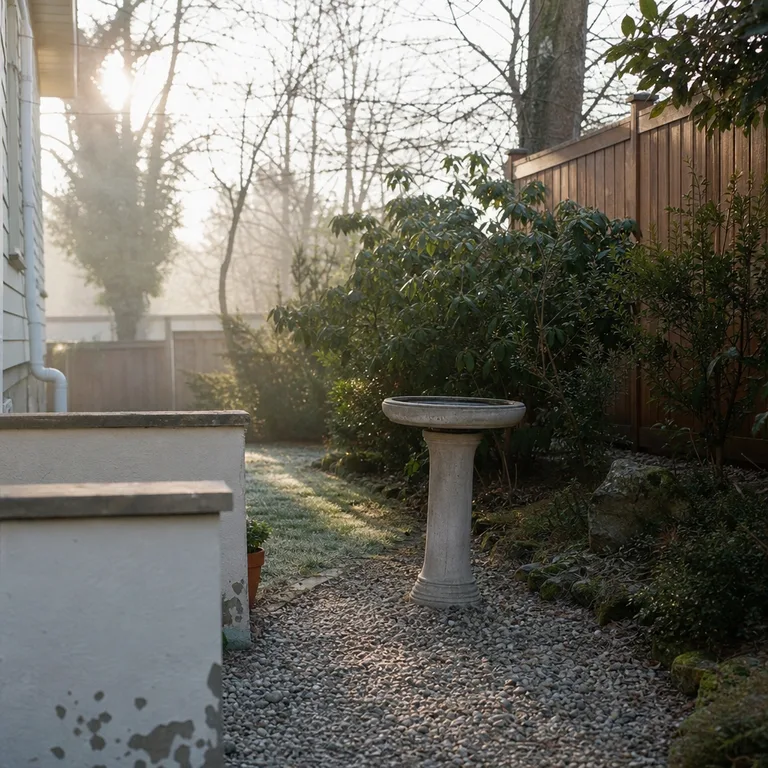
Leave birds a clear approach and nearby cover, but avoid pushing the bath deep into dense shrubs where a predator could wait unseen. Watch how winter sunlight reaches the garden as well, since a brighter spot may thaw more readily than a deeply shaded corner.
Worth knowing: Moving a heavy concrete bath can be difficult and may require help; do not drag it across paving or try to reposition it on frozen ground.
6.Use Only a Purpose-Rated Bird-Bath Deicer
Where hard freezes are frequent, a purpose-rated bird-bath deicer can help maintain a drinking area. Choose a device intended for bird baths and follow its instructions for placement, water depth, electrical use, and seasonal storage.
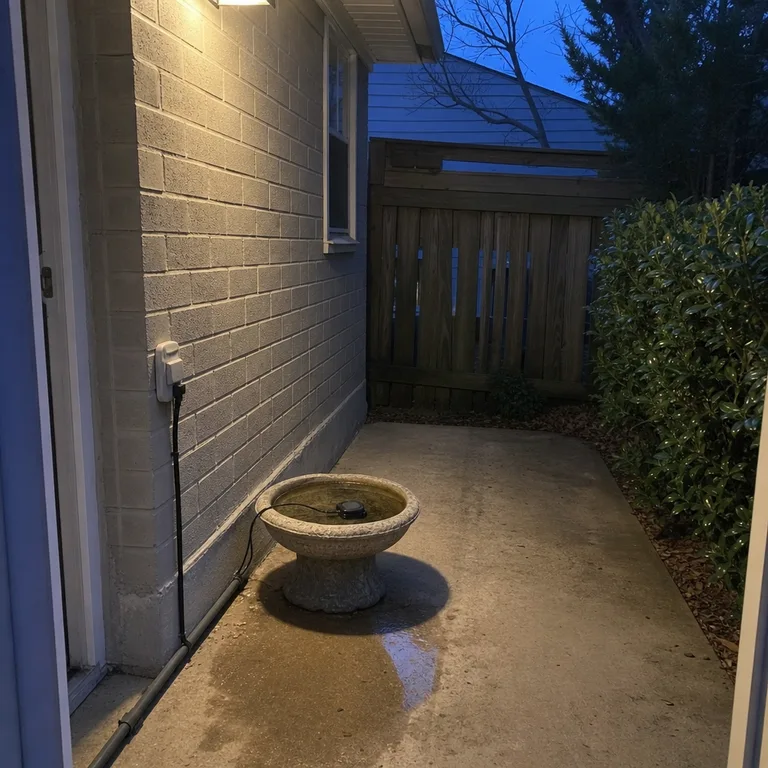
Keep cords routed where they cannot sit in puddles, create a trip hazard, or be damaged by doors and garden tools. Use protected outdoor electrical connections as directed by the device manufacturer, and inspect the cord and unit regularly for damage.
Worth knowing: A deicer needs safe access to suitable outdoor power and should not be improvised with household heating items, antifreeze, salt, or other additives.
7.Keep a Second Clean Bowl Ready for Rotation
Store a spare clean bowl upside down in a dry, accessible place. When the bath is dirty, damaged by ice, or needs time to thaw, swap the bowl rather than leaving the stand empty while the first one is cleaned and dried.
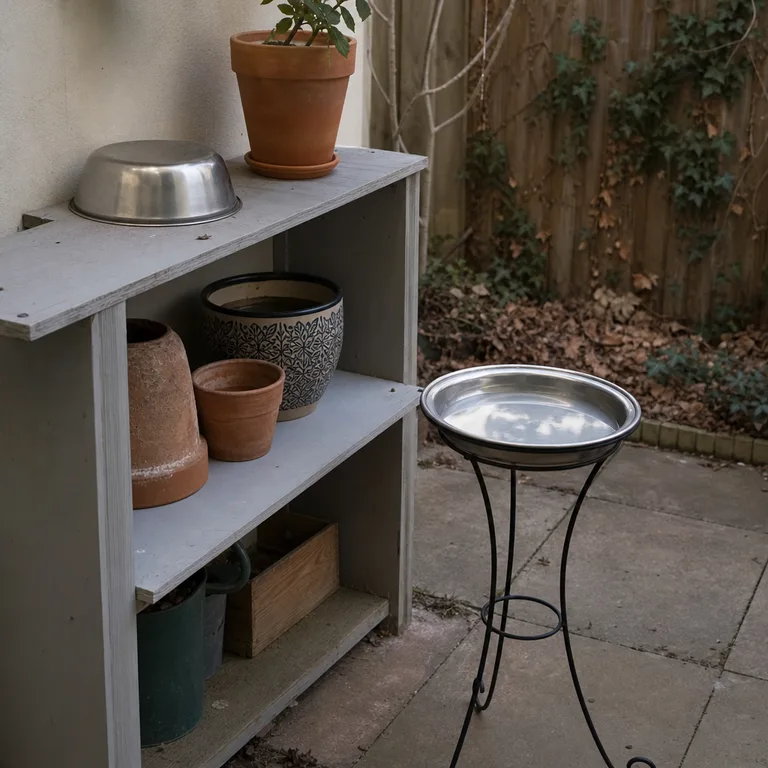
This rotation is especially useful for lightweight removable bowls that can be carried indoors without much effort. Check that the spare bowl sits securely on the stand and has a shallow shape that birds can use comfortably.
Worth knowing: A second bowl requires dry storage space, and materials that hold water in cracks or seams can still be damaged if left outdoors when frozen.
About the author
Dana Ruiz, Senior editor
Dana writes about small-space living, storage and low-cost decorating.
Keep reading
10 Small Patio Winter Prep Tasks That Protect What You Already Own
October 16, 2026
10 Small Side Yard Ideas That Keep the Walkway Useful
October 15, 2026
9 Open Kitchen Shelf Styling Ideas Using Dishes You Actually Use
October 16, 2026
10 Shower Curtain Color Schemes That Work With Dated Bathroom Tile
October 16, 2026