10 Small Patio Winter Prep Tasks That Protect What You Already Own
As local freezes approach, a few small patio tasks can keep containers, hand tools and movable furnishings usable for another season. Match the timing to the local frost forecast, and follow manufacturer care instructions for furniture materials and fabrics.
As an Amazon Associate I earn from qualifying purchases.
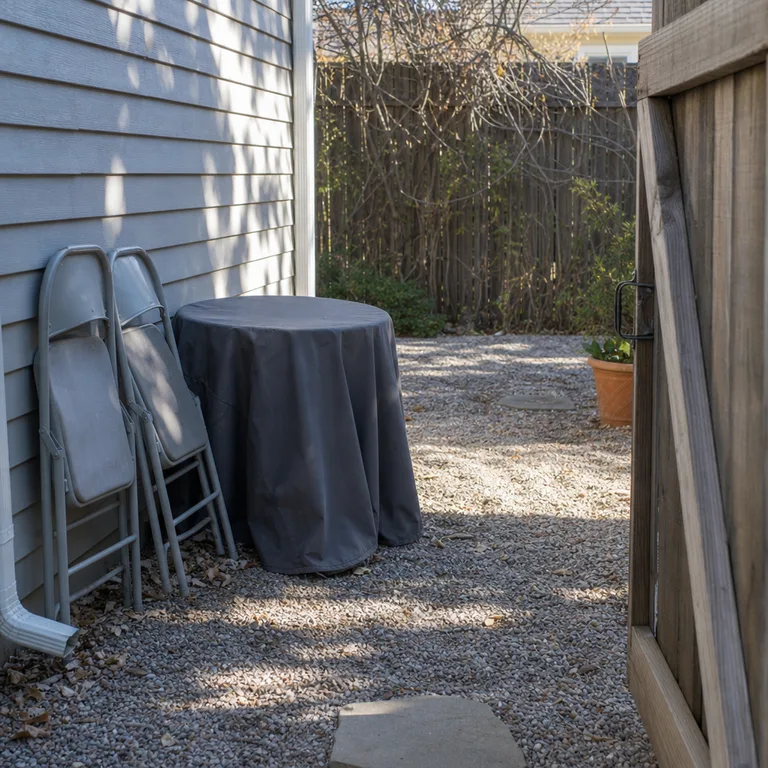
1.Empty, Clean and Store Unused Pots
Unused containers should not sit all winter full of old soil, roots, and wet leaves. Emptying them removes material that can hold moisture against the pot and makes spring planting less messy.
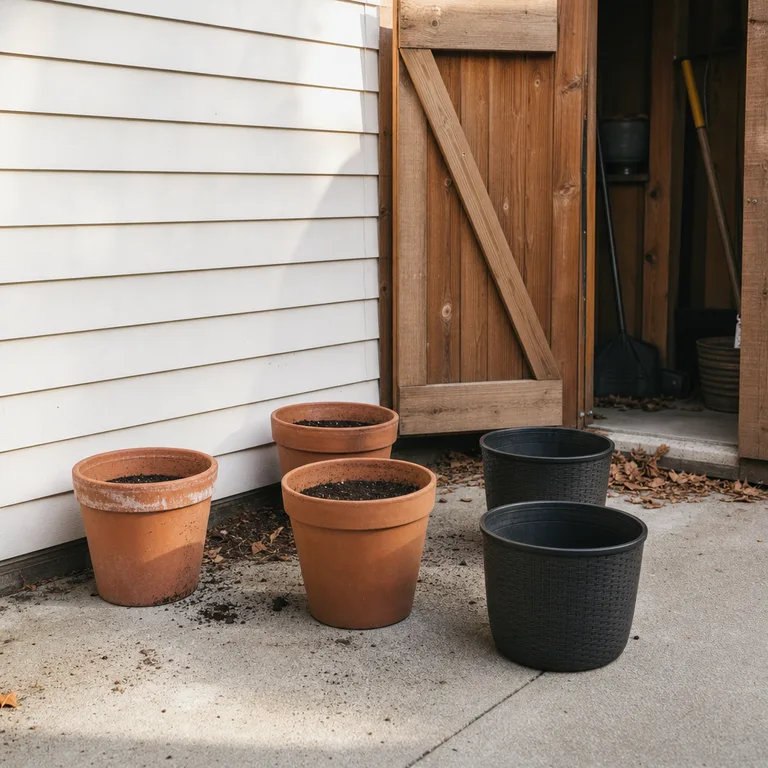
Brush out loose debris, wash pots as needed, and let them dry fully before stacking or moving them under cover. Terracotta and other porous materials are especially worth protecting from repeated wet-and-freezing cycles; avoid tight stacks that can chip rims.
Worth knowing: Large, heavy planters may be safer left in place than carried through a house or across a slippery patio.
2.Move Planted Containers to a Sheltered Spot
Group containers holding hardy living plants near a protected wall, fence, or covered area suited to the plants’ winter needs. A cluster is easier to monitor than scattered pots, and nearby containers can reduce direct exposure to drying wind.
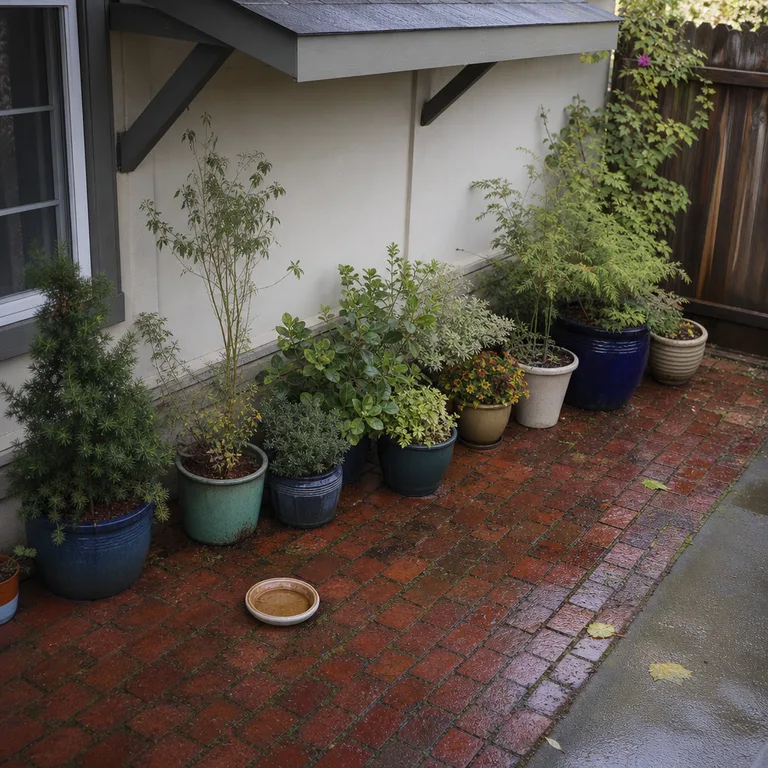
Keep drainage clear and leave a little space around each pot rather than wedging them into a damp corner. Do not place containers beneath a roof edge where runoff repeatedly pours into them, since saturated soil can be as damaging as cold weather.
Worth knowing: Shelter does not make a tender plant winter-hardy, and plants still need light and occasional moisture when conditions are dry.
Related: 12 Container Garden Ideas for a Small Patio on a Budget
3.Clear Saucers and Check Every Drainage Hole
Standing water in saucers can freeze, while blocked drainage holes leave roots sitting in cold, saturated soil. Tip out saucers, clear leaves from holes, and check that the base of each container is not sealed against the patio.
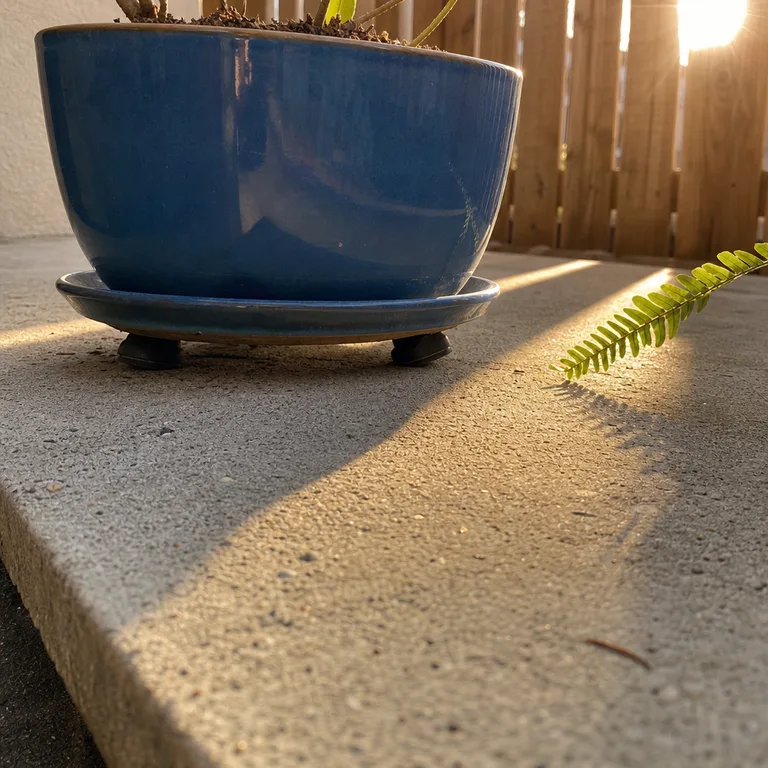
Pot feet, blocks, or a stable raised surface can help water move away from the bottom of a container. This is particularly helpful on patios that stay damp after rain, though the pot must remain level enough not to tip.
Worth knowing: Raising pots helps drainage but cannot fix a container with no drainage hole or a patio with persistent pooling water.
4.Shake Out and Dry Fabric Chair Cushions
Remove leaves, crumbs, and loose dirt from outdoor cushions so damp debris does not leave stains over winter. If covers are removable, follow their care labels rather than assuming they can be machine-washed.
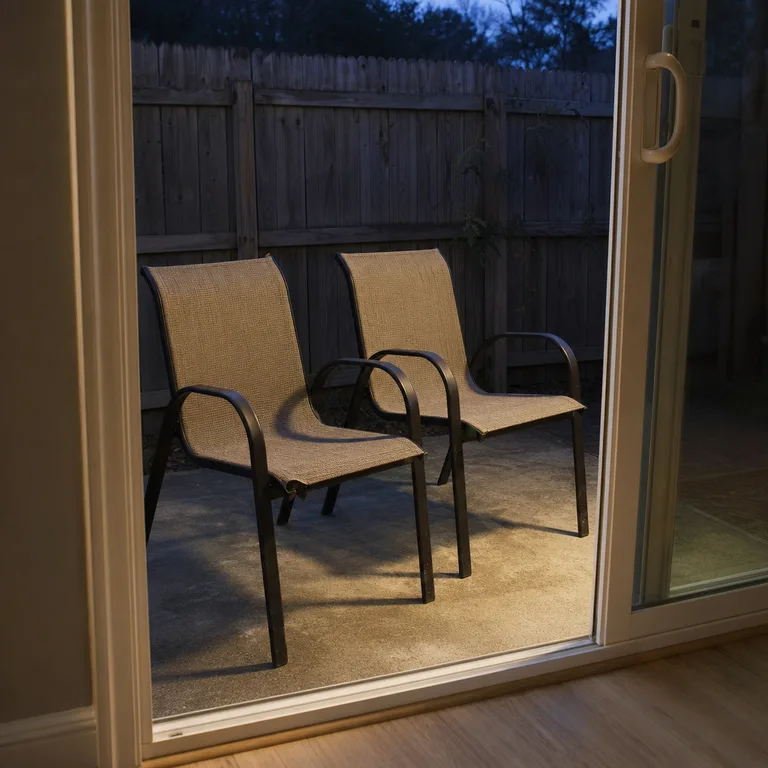
Let cushions dry completely before storing them indoors or in a reliably dry covered space. A dry shelf, closet, or storage area is usually better than sealing slightly damp fabric into a plastic bag.
Worth knowing: Cushions already affected by mildew may need more than drying, and some fabrics can retain staining despite careful storage.
Related: 12 Small Patio Seating Ideas on a Budget
5.Cover or Store Folding Chairs and Small Tables
Foldable chairs and small tables are among the easiest patio pieces to protect because they take up little storage space when collapsed. Move them into a shed, garage, or covered area if possible, keeping them off a damp floor.
When furniture must stay outside, use a cover sized to shed water instead of one that drapes loosely enough to collect it. Secure the cover without wrapping it so tightly that trapped moisture has no way to dry.
Worth knowing: A cover reduces weather exposure but can still trap condensation, so outdoor furniture should be checked during long wet spells.
6.Wash, Dry and Oil Metal Hand Tools
Soil left on trowels, cultivators, and pruners holds moisture against metal and can stiffen moving parts. Scrub off dirt, dry every surface, and clean around pruner joints before putting tools away.
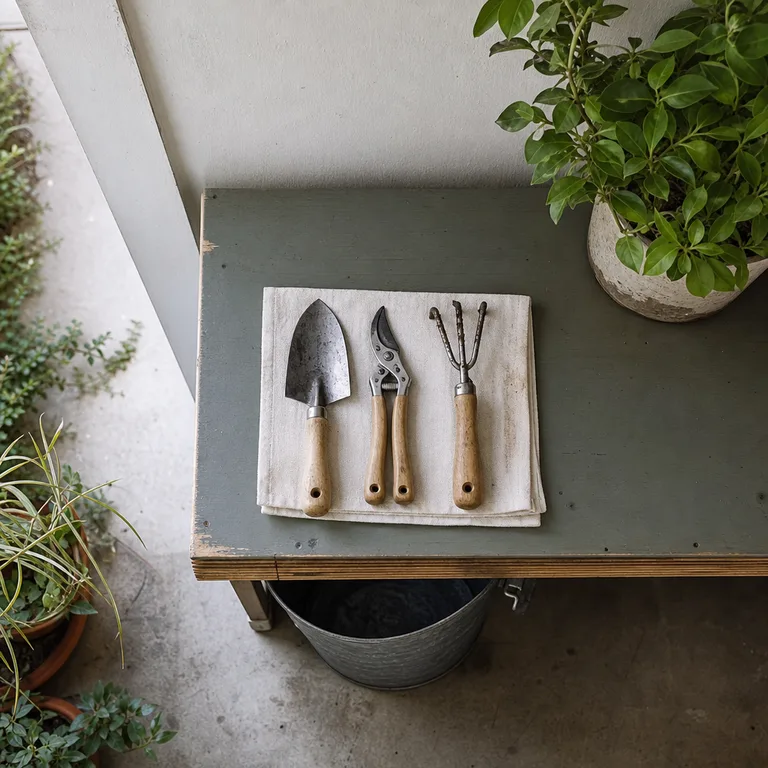
Apply the tool maker’s recommended protectant to metal or moving parts where appropriate, then store tools on a hook, rack, or shelf instead of directly on the patio. Keeping handles dry also helps prevent swelling and surface wear.
Worth knowing: Oil and cleaning can slow rust, but deeply corroded tools or damaged pruner blades may still require repair or replacement parts.
7.Store Hoses After Draining Them
Disconnect hoses before a hard freeze and drain out as much water as possible. Remaining water can freeze inside the hose or fittings, while a hose left across the patio can collect leaves and become difficult to move later.
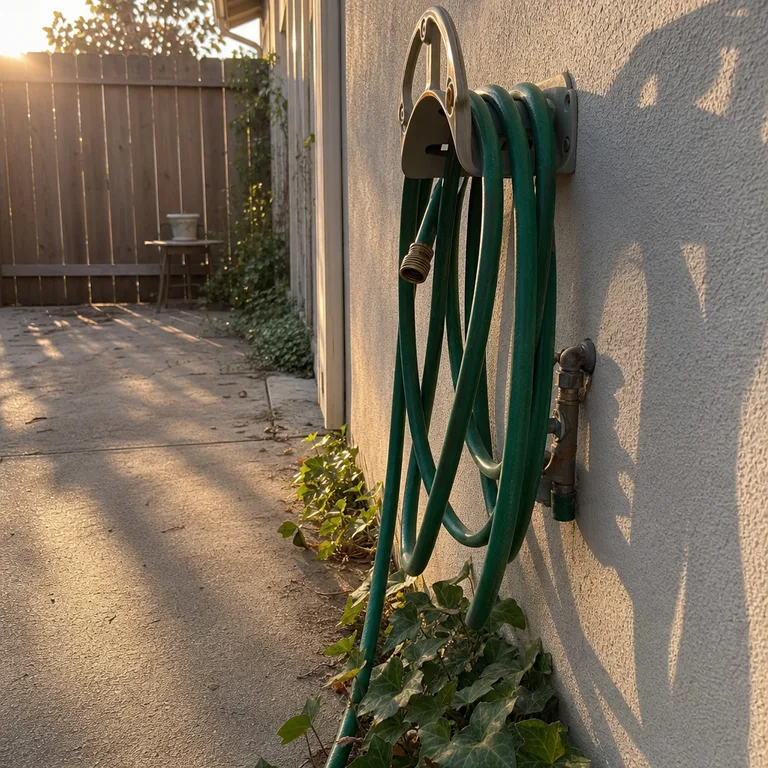
Coil the hose loosely and store it under cover or indoors if there is room. Check washers and fittings while it is disconnected, since small worn parts are easier to address before spring watering begins.
Worth knowing: Outdoor-rated hoses may tolerate cold better than others, but no hose should be left attached to an exposed outdoor faucet through freezing weather.
Related: 10 Garden Hose Storage Ideas for a Small Yard
8.Bring In Watering Cans and Spray Bottles
Empty watering cans, spray bottles, and handheld applicators before freezing weather arrives. Rinse out residue when needed, especially from containers that held fertilizer or other garden products, following the product label for disposal and cleaning.
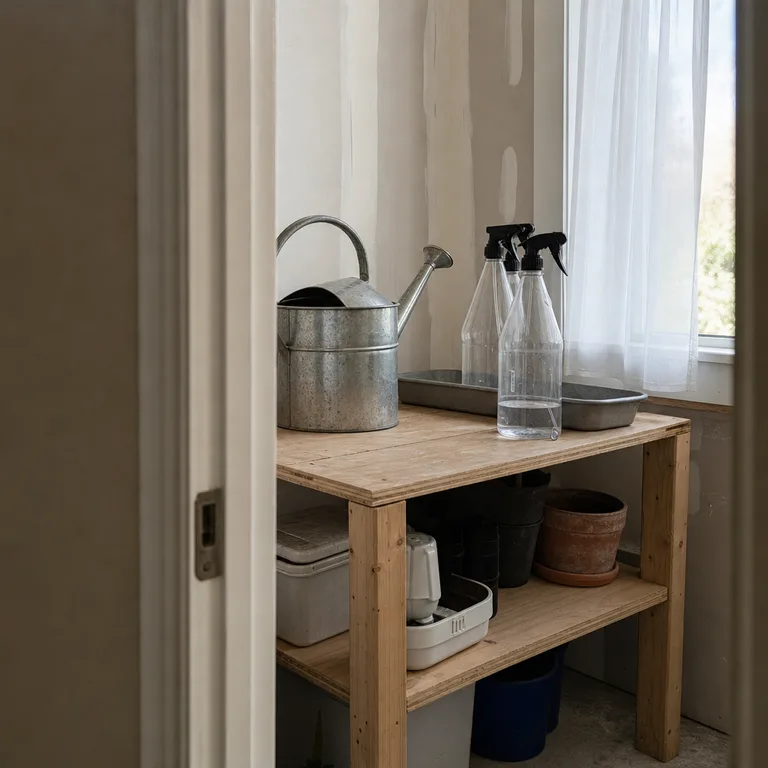
Store them in a place that stays above freezing and set small bottles in a tray so drips stay contained. Removing trigger nozzles only makes sense when they are designed to come apart without damage.
Worth knowing: A garage may still freeze in some climates, so it is not always suitable for plastic bottles or delicate spray nozzles.
9.Sweep Leaves Away From Patio Edges and Furniture Legs
Wet leaves collect in patio corners, around drain openings, and beneath benches or tables. Clearing them gives water a clearer path away from the house and keeps damp organic matter from sitting against furniture legs.
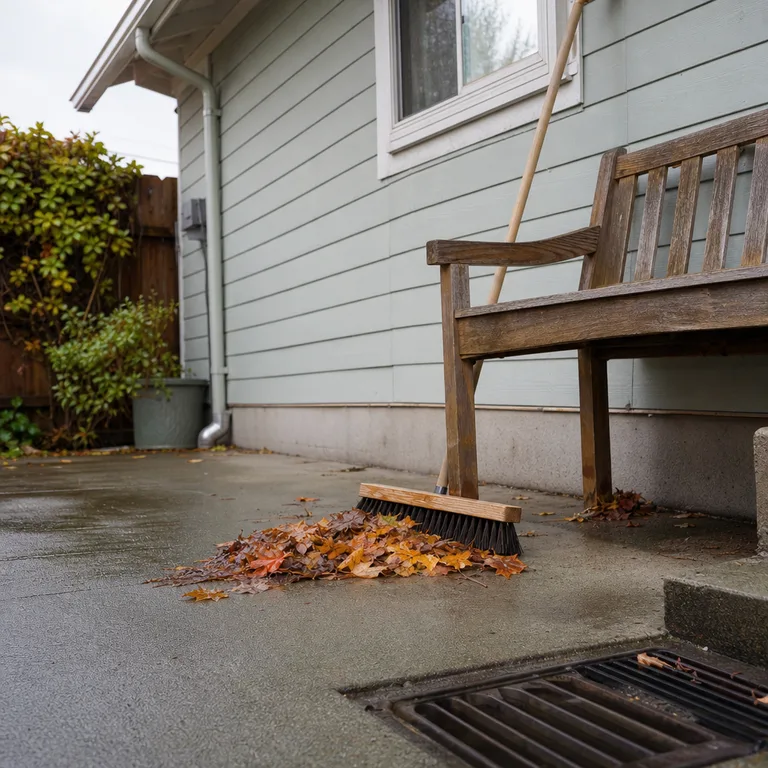
Use a broom or hand tools to pull debris away from drains and edges, then inspect the area after the next rain. This small task also makes slick surfaces easier to spot when frost arrives.
Worth knowing: Sweeping cannot solve a blocked drain line or a patio that slopes toward the house; those problems may need professional assessment.
10.Lift Lightweight Items Off the Patio Surface
Gather lightweight plant stands, empty trays, lanterns, and similar accessories that can blow over, hold water, or trap leaves beneath them. Stacking or hanging these pieces clears the patio for drainage and makes winter cleanup simpler.
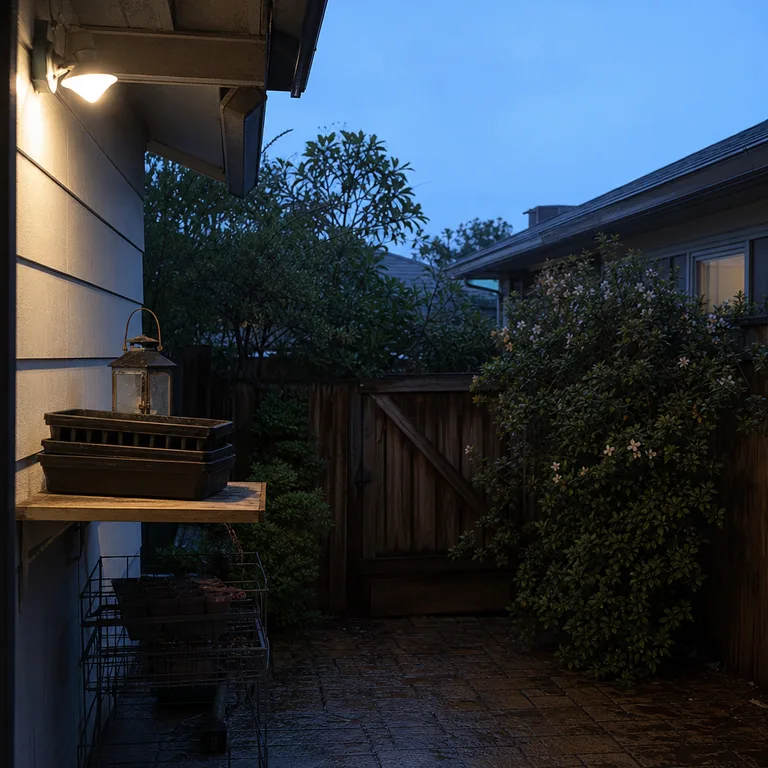
A basic covered shelf, shed wall, or dry storage corner can keep small items together without buying a large storage unit. Dry metal lanterns and trays first, and avoid stacking anything that could bend or crack under weight.
Worth knowing: Glass, ceramic, and rust-prone accessories still need a dry location, not merely a spot beneath an open eave.
About the author
Dana Ruiz, Senior editor
Dana writes about small-space living, storage and low-cost decorating.
Keep reading
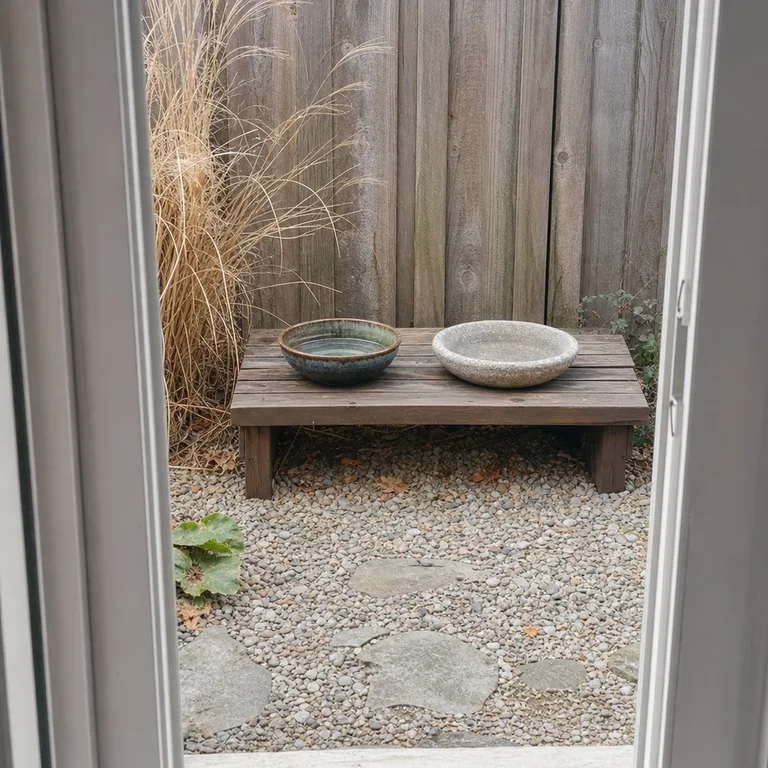
7 Winter Bird Bath Care Tasks for a Small Garden
October 16, 2026
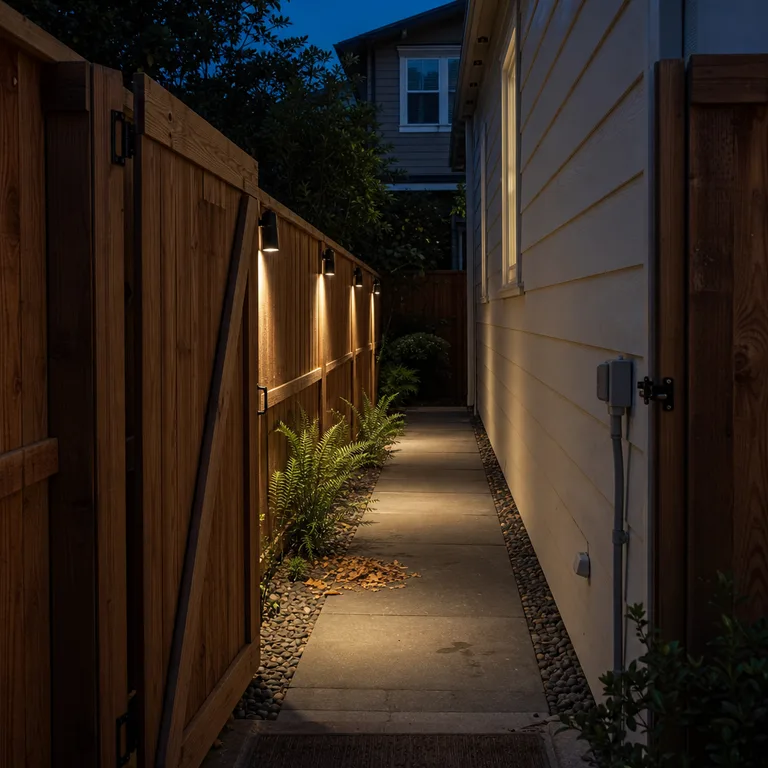
10 Small Side Yard Ideas That Keep the Walkway Useful
October 15, 2026
9 Open Kitchen Shelf Styling Ideas Using Dishes You Actually Use
October 16, 2026
10 Shower Curtain Color Schemes That Work With Dated Bathroom Tile
October 16, 2026