8 Ways to Expand a Small Flower Bed With Divisions From Existing Perennials
A sparse flower bed can look fuller by dividing healthy, suitable perennials already growing elsewhere in the yard and placing the pieces with a clear repeating pattern. Confirm the plant’s recommended division season for the local climate, keep roots from drying out during the move, and match each division to the sunlight and soil moisture it already tolerates.
As an Amazon Associate I earn from qualifying purchases.
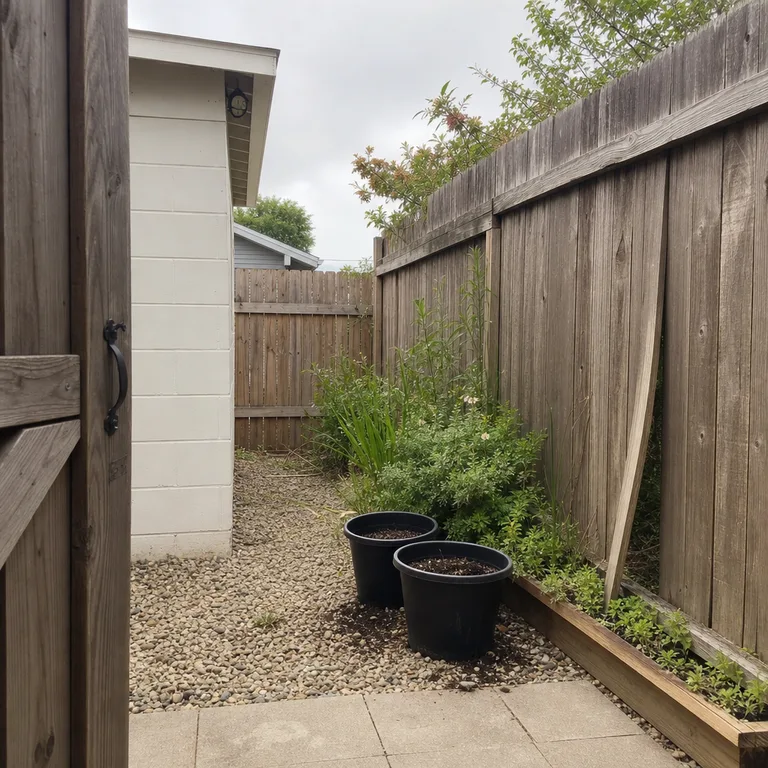
1.Repeat One Perennial Along the Bed Edge
A vigorous perennial can become a simple living border when divided into several rooted pieces and repeated along the front of the bed. This gives a sparse planting a deliberate outline and makes the bed read as one connected space instead of scattered plants.
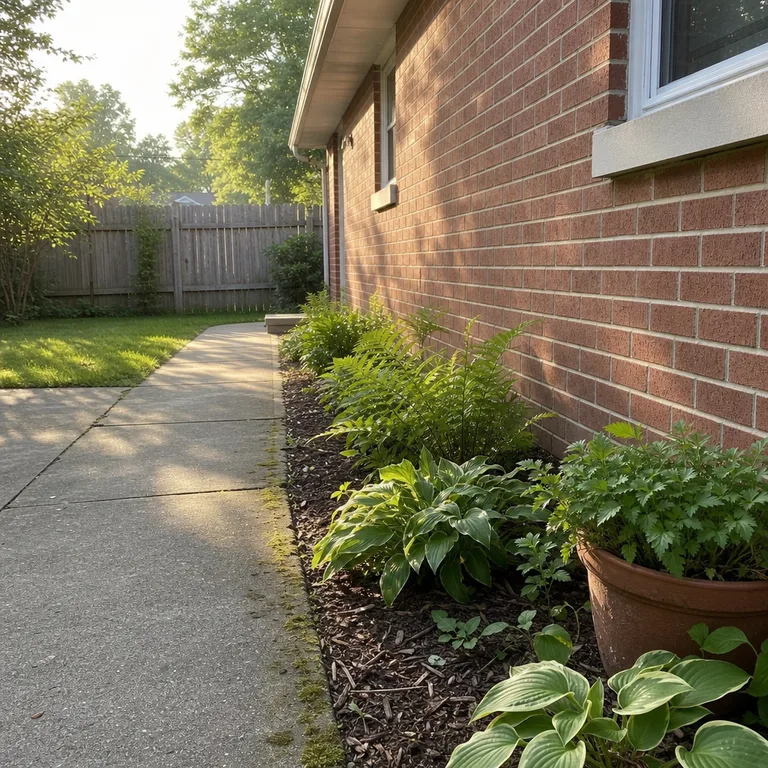
Choose a plant that stays low enough to avoid hiding what is behind it. Set divisions with room for their mature spread, and follow the species-specific guidance for how and when to divide so the parent clump and new pieces have a fair chance to recover.
Use a garden fork to lift the clump with less root damage than repeated chopping. A light mulch layer helps hold soil moisture after planting, but keep mulch away from crowns so they do not stay overly wet.
Worth knowing: This approach will not suit tall, floppy, or aggressively spreading perennials at the front edge, where they can crowd the path and obscure smaller plants.
Related: 12 Budget Garden Edging Ideas for One Small Flower Bed
2.Fill the Middle Gap With a Low Division
An empty spot in the middle of a bed often makes the whole planting look unfinished. A low division tucked between established plants fills that visual break without changing the bed’s overall structure.
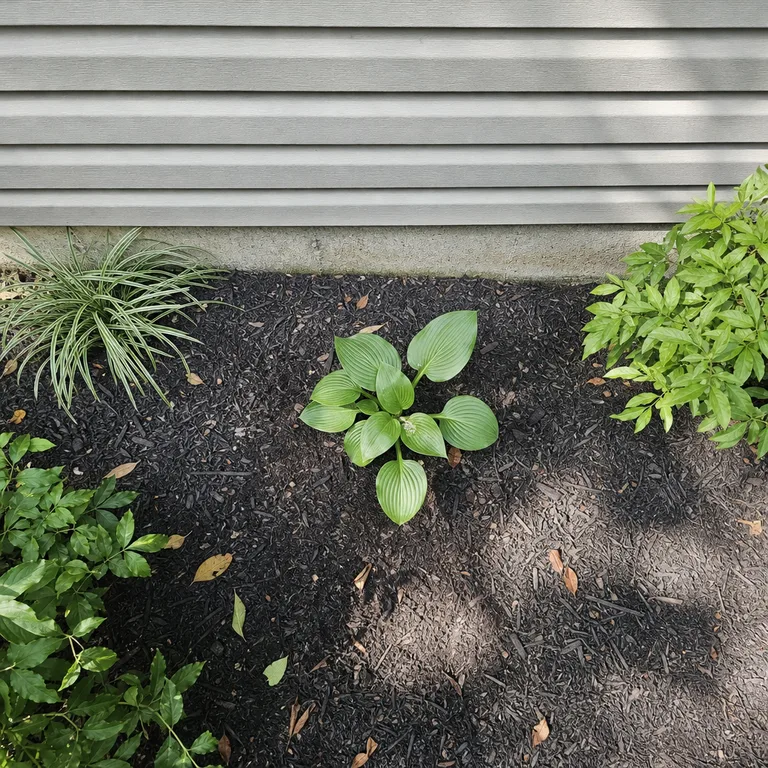
Match the division to the light and moisture already present in that spot. A plant taken from a dry, sunny area may struggle in a shaded middle section that stays damp after rain, even if it is healthy at the time of division.
Clear weeds and loosen only the planting area, then settle the division at the same depth it grew before. Water it in well and watch nearby mature plants, which may compete for moisture while the smaller division establishes roots.
Worth knowing: A middle gap may be intentionally open to allow neighboring perennials to reach their mature width, so avoid filling it without considering future growth.
3.Mirror a Planting Group on the Other Side of the Bed
Repeat a healthy group on the opposite side of a walkway, porch step, or focal plant to bring order to a small bed. The two groups do not need to be identical; a similar shape and repeated foliage texture are enough to make the layout feel balanced.
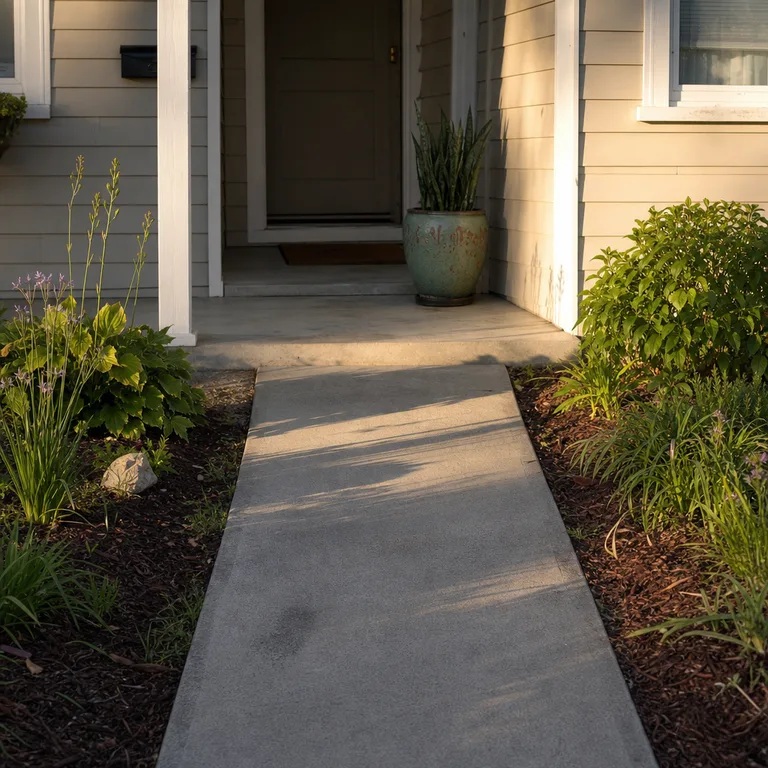
Divide from the outside of a well-established clump, where younger sections often have stronger roots and shoots. Place the new group where it receives comparable sun, and leave enough room around both groups for airflow and routine weeding.
This layout works especially well near a central object such as a planter, shrub, or path. Keep the repeated plants back from walkways by their expected mature size, not their size on planting day.
Worth knowing: Mirrored groups can look strained in an irregular bed or where the two sides receive very different amounts of sun.
4.Make a Small Drift Across an Open Corner
Several divisions of the same perennial can fill an empty corner in a loose, connected drift. The repeated foliage creates more impact than isolated single plants, while the curved arrangement softens a square bed or fence line.
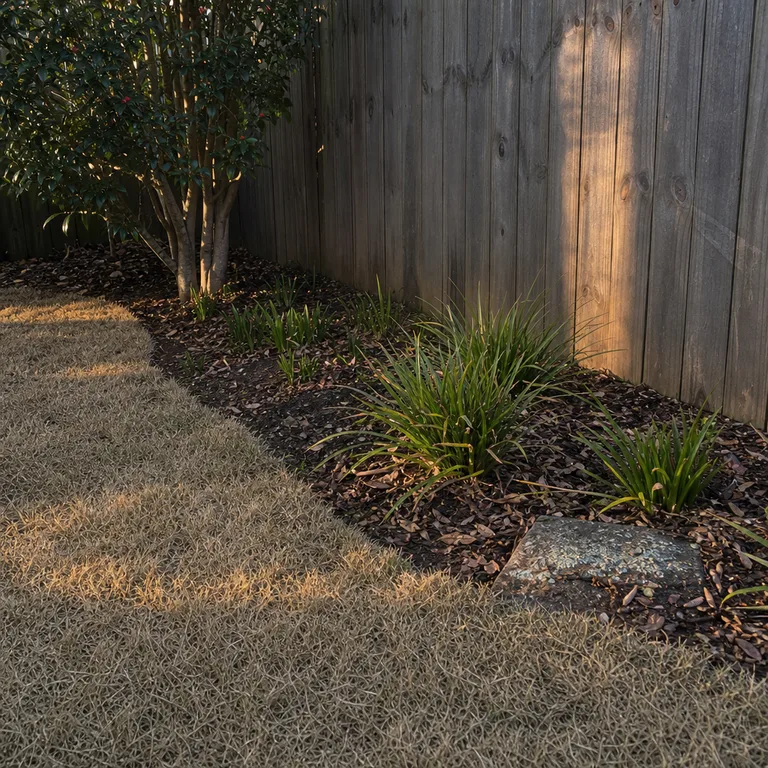
Set the divisions in an informal sweep rather than a rigid row, with uneven but sensible spacing between plants. Give fast-spreading perennials more room, particularly in humid areas where crowded foliage can hold moisture and limit air movement.
Keep the drift within a clearly defined bed edge so it does not spill into lawn or paving. Reusing leaf mold or other finished organic mulch around the new plants can help the corner look settled while the divisions grow in.
Worth knowing: A drift needs enough open ground to read as a group, so it can overwhelm a very narrow bed or compete with an existing large shrub.
Related: 15 Budget Landscaping Ideas That Make a Small Yard Feel Finished
5.Exchange Extra Healthy Divisions for New Bed Partners
A division exchange can add a different perennial to the bed without buying every plant new. Offer only surplus pieces from vigorous, correctly identified plants, and accept plants that suit the bed’s light, soil moisture, and available room.
Inspect incoming divisions for pests, damaged roots, suspicious spots, or weeds that may travel in the soil. Keep any questionable plant separate from established beds until it shows healthy new growth, and avoid trading plants known to spread aggressively in the local area.
Plain nursery pots make it easier to transport divisions without exposing roots. Label each pot with the plant name and basic growing conditions so the new addition does not end up in the wrong part of the yard.
Worth knowing: Exchanged plants can introduce weeds, pests, or disease, and plant identity is not always certain when divisions are shared informally.
6.Hold Divisions in Pots Until the Bed Is Ready
Temporary pots give divided perennials a safe place to wait while a bed is weeded, edged, or improved with compost. This prevents exposed roots from drying out and avoids rushing a planting plan simply because the clump has already been lifted.
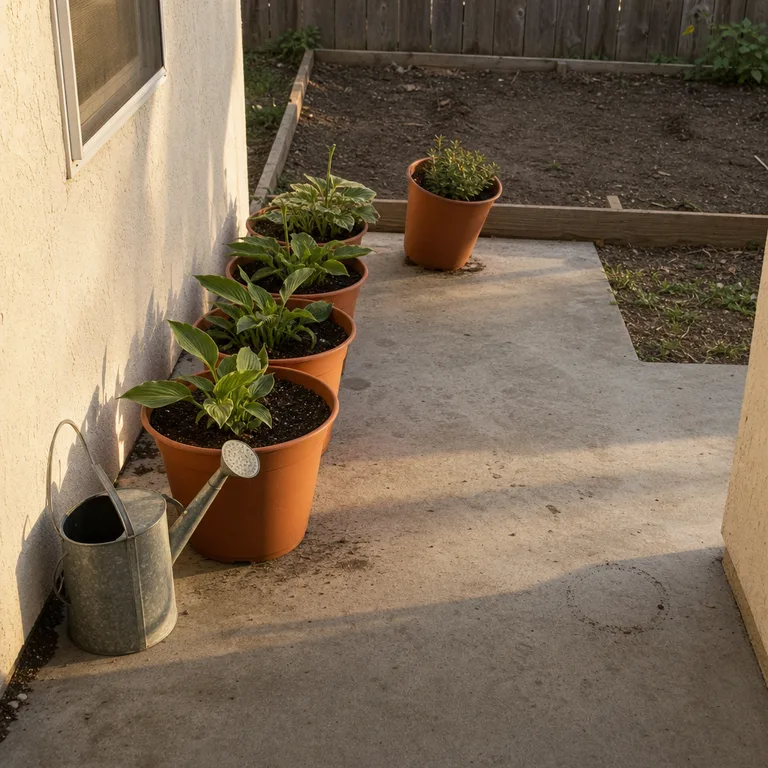
Use pots with drainage holes and a suitable potting mix, then keep the divisions in the light conditions they prefer. Check moisture often, because containers dry more quickly than garden soil, especially in sun or wind.
Plant the divisions as soon as the bed is ready rather than treating pots as a long-term solution. Handle the roots gently at planting time and water thoroughly so soil settles around them.
Worth knowing: Potted divisions need more frequent watering and can become stressed if held too long, particularly during hot or dry weather.
7.Plant Divisions in a Curved Ribbon
A shallow curve of repeated divisions can lead the eye from the front of a narrow bed toward the back. This creates movement in a simple side-yard planting without needing a large collection of different plants.
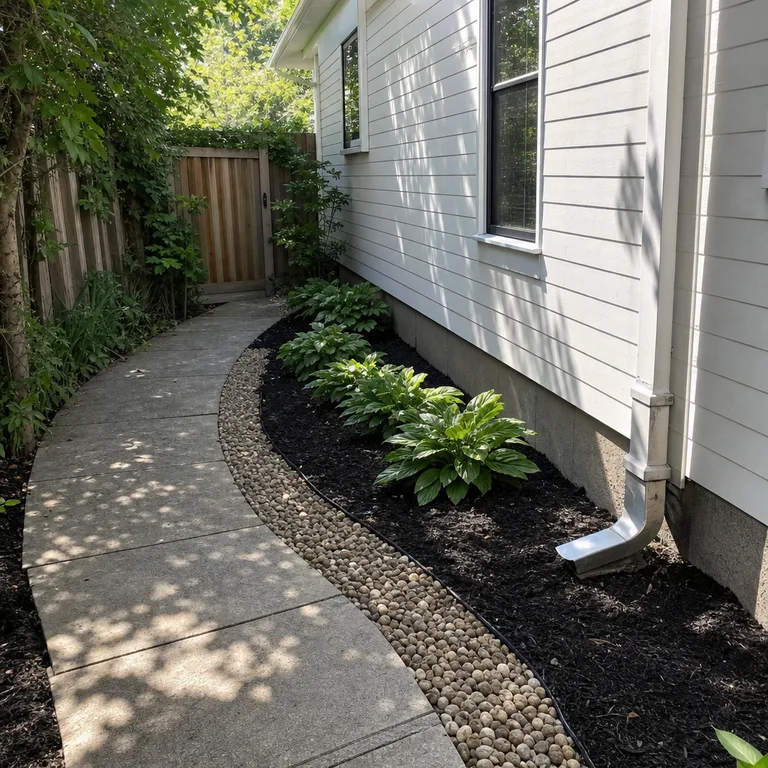
Lay pots along the proposed line before digging, then adjust the curve until it looks natural from the usual viewing point. Keep the sweep broad and gentle so there is still room to mow, edge, or reach the plants for maintenance.
Use the same perennial throughout for a clean ribbon, and keep spacing based on mature width. Near a foundation, also make sure the line does not block access to downspouts, vents, or drainage areas.
Worth knowing: Tight curves create awkward lawn edges and small mulch pockets that are harder to maintain than a broad, simple sweep.
8.Alternate Two Perennials With Matching Needs
Alternate divisions from two compatible perennials to make a fuller pattern with more texture than one repeated plant alone. Differences in leaf shape, height, or bloom time can make a small bed look layered even when the palette stays restrained.
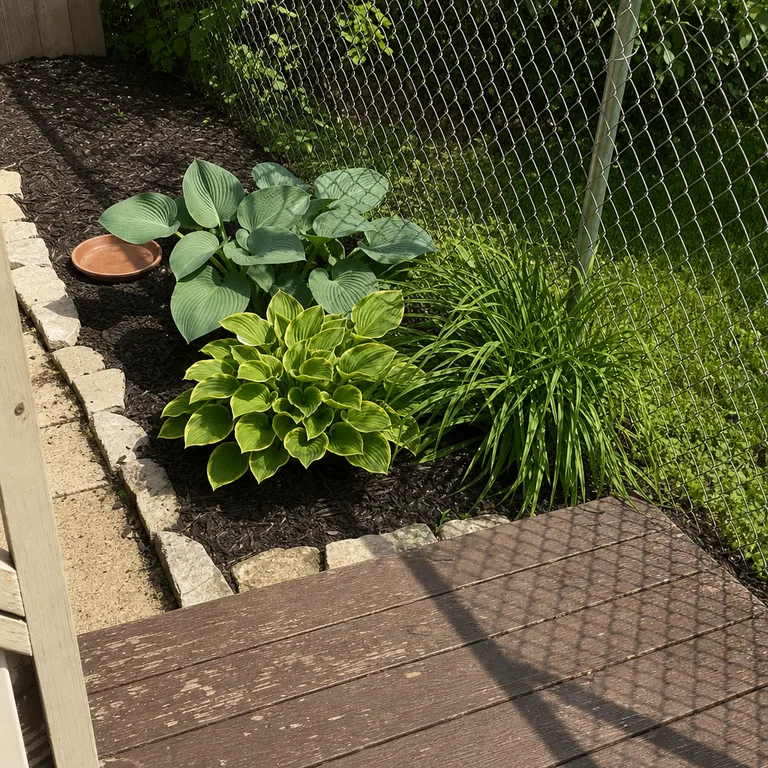
Choose plants that need similar sun exposure, soil moisture, and care. Also compare their mature sizes and spreading habits, since a vigorous plant can quickly shade or crowd a slower companion.
Arrange both kinds of divisions in a simple alternating sequence, then repeat that sequence across the open area. A soaker hose or other low, direct watering method can help newly planted divisions establish without constantly wetting foliage.
Worth knowing: Even plants with similar care needs may grow at different rates, so the faster perennial may need periodic division or thinning to preserve the pattern.
Related: 12 Container Garden Ideas for a Small Patio on a Budget
About the author
Dana Ruiz, Senior editor
Dana writes about small-space living, storage and low-cost decorating.
Keep reading
7 Narrow Foundation Bed Layouts for the Front of a Small House
October 31, 2026
8 Christmas Porch Planters Using Empty Summer Pots
October 29, 2026
8 Small Front Yard Layouts for a Plain Rectangular Lawn
October 29, 2026
8 Christmas Gift-Wrapping Stations That Pack Away in a Small Home
October 31, 2026