10 Children's Book Storage Ideas That Make a Small Collection Easy to Rotate
A small bedroom collection works better when a child can see and reach a limited group of current books, while the rest stays nearby in a simple rotation reserve. These storage ideas use baskets, trays, low shelves, and portable containers to separate everyday reading from books that can come back into view later.
As an Amazon Associate I earn from qualifying purchases.
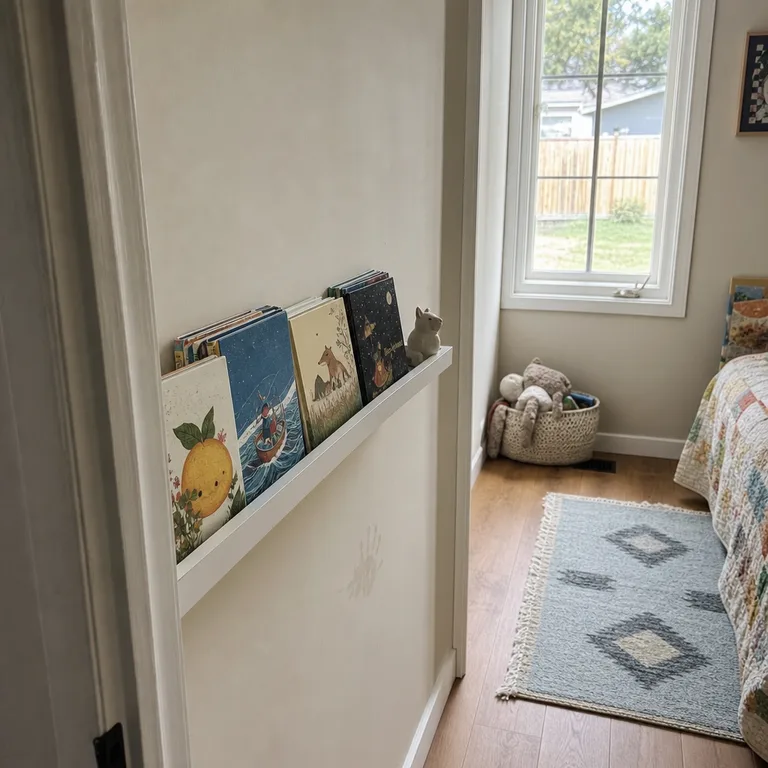
1.Front-Facing Basket for Current Picture Books
Place a small open basket on the floor or a low shelf and lean a short selection of picture books with the covers facing out. A child can spot a familiar cover quickly without pulling every book from a crowded shelf.
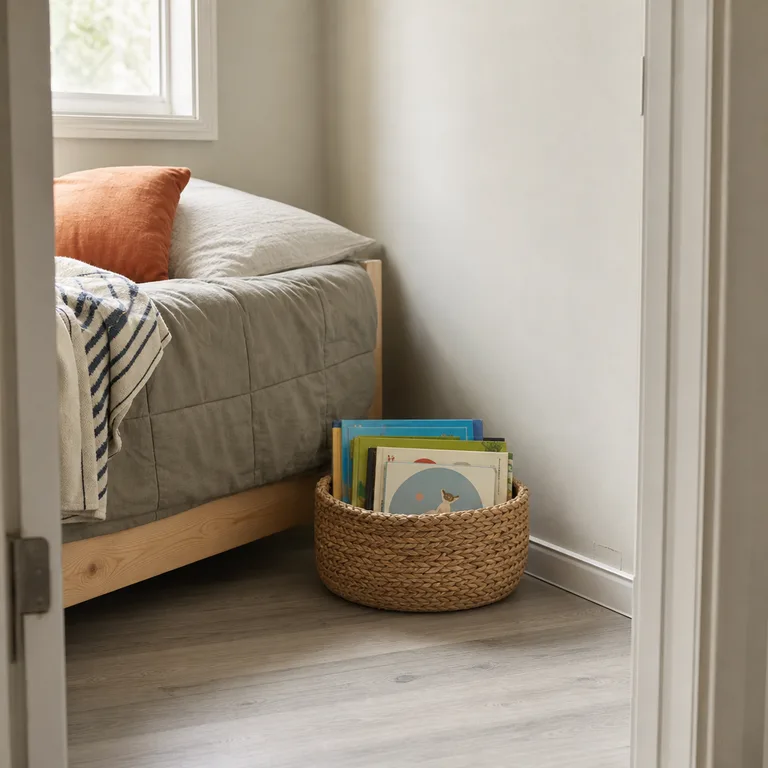
Reuse a sturdy basket already in the bedroom, as long as it sits flat and has no sharp or snagging edges. Keep only the books being offered now in this basket, then exchange them with books from the reserve as a proposed household routine.
Worth knowing: Floor baskets collect dust and can become a tripping point if they sit in a narrow path beside the bed.
2.Low Bookend Row on an Existing Shelf
Use a pair of stable bookends to make a short upright row on the lowest shelf of an existing bookcase. This gives early readers a simple place to remove one chapter book at a time and return it without rebuilding a tall stack.
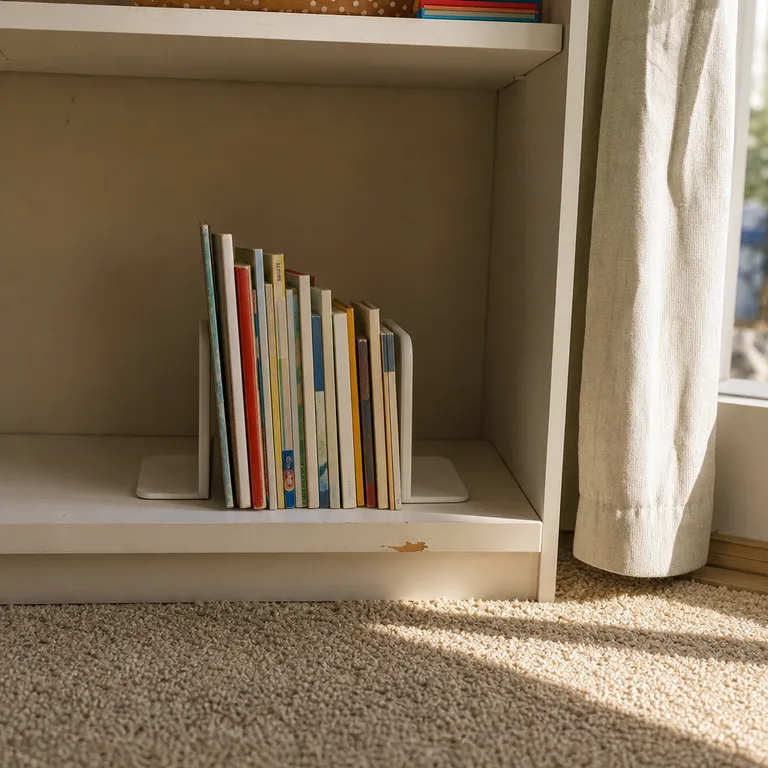
Leave some open room beside the row so books are not packed tightly. Add non-slip pads if needed, and make sure any freestanding bookcase is anchored according to its instructions, especially in a bedroom where children climb or pull on furniture.
Worth knowing: This setup works best for books of similar height; oversized picture books tend to slump or stick out.
3.Picture-Book Tray on a Dresser Top
Set a shallow tray on a low dresser and fan out several large picture books. The tray creates a clear boundary, so the books read as a small reading selection rather than another pile on the bedroom surface.
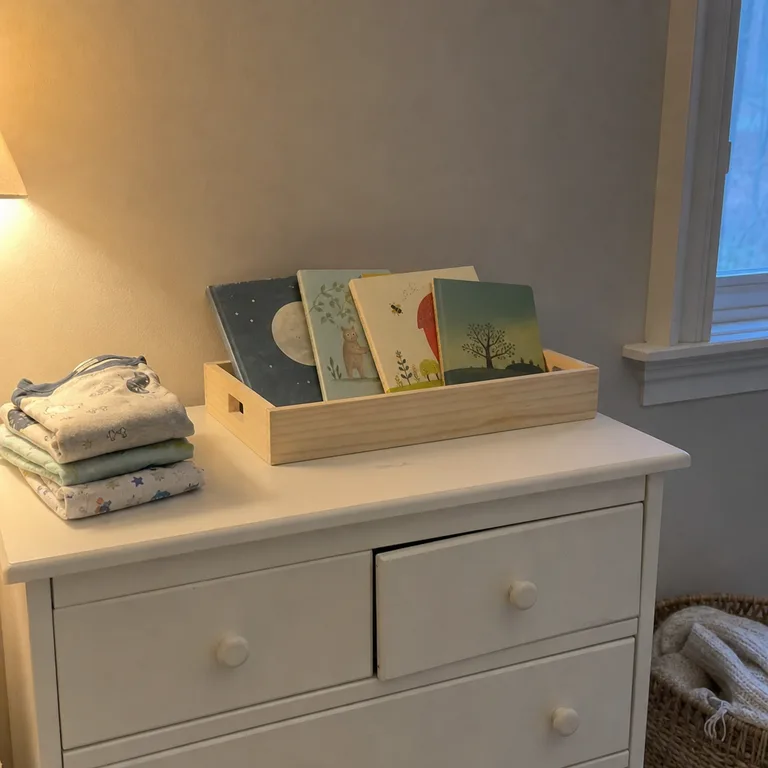
Use a tray that is already on hand, or a simple shallow serving tray with low sides. Keep enough of the dresser top open for its regular purpose, and anchor the dresser as directed if books or other items could encourage a child to climb.
Worth knowing: A dresser top can become cluttered quickly, so this is not a good spot for a large or frequently changing collection.
4.Bedside Reading Bin for Nightly Books
Tuck a soft-sided bin beside the bed for bedtime favorites, comfort reads, or books being read over several nights. Keeping these books separate makes the evening choice easier and helps prevent them from wandering into other parts of the room.
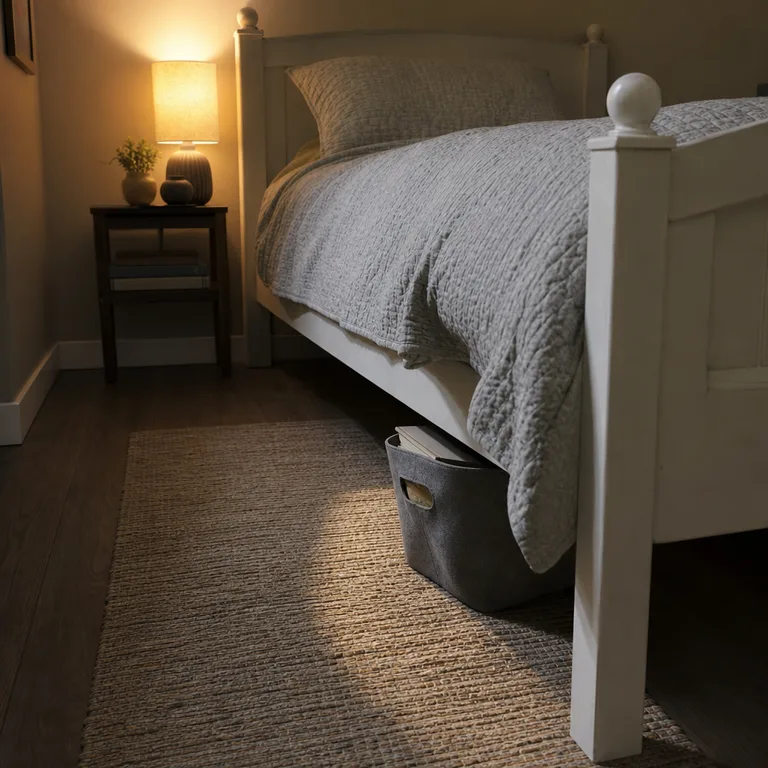
A felt bin, fabric basket, or soft tote can work if it stays low and does not block the route around the bed. Choose a container without hard corners, particularly for a child who gets up during the night.
Worth knowing: A bedside bin has limited capacity and can look overfilled if too many books are added.
5.One Display Lane on a Shelf
Use the front edge of one existing shelf as a face-forward display lane for a few current titles. Store a compact spine-out row behind it for books that are still available but not being highlighted this week.
This approach changes the function of a shelf without buying a new book display. Keep the display small enough that a child can lift books out without knocking over the row behind, and secure wall-mounted shelves with suitable hardware rather than relying on light-duty adhesive strips.
Worth knowing: Face-forward books use more shelf depth than spine-out storage, so a narrow shelf may only hold a few choices.
6.Labeled Bin for the Rotation Reserve
Keep out-of-rotation books together in one labeled bin on a lower closet shelf. A simple word label, picture label, or both gives the reserve a defined home and makes it easier for adults or older children to reset the current selection.
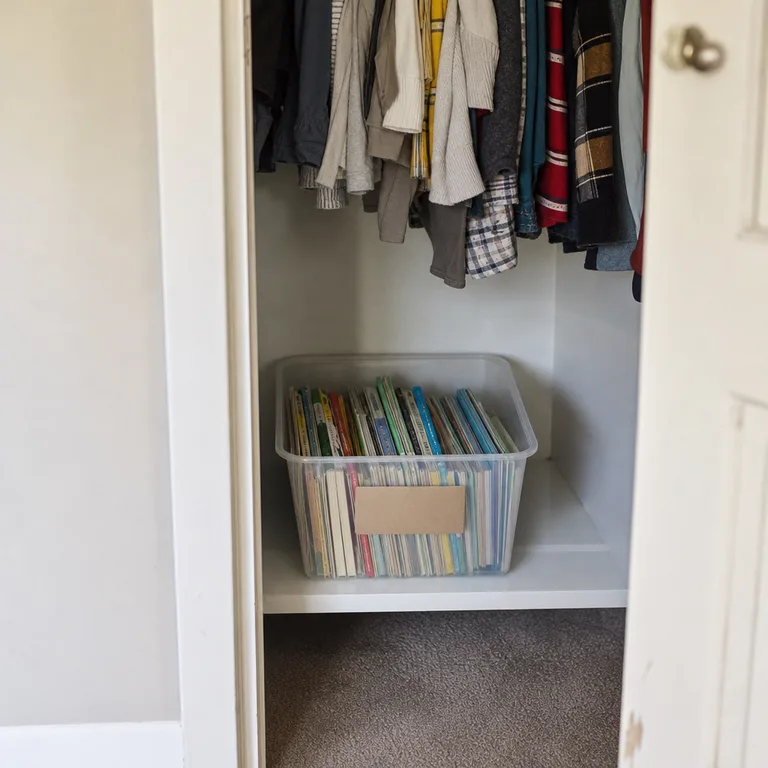
A reused lidded bin, open tote, or sturdy box can hold the books as long as it stays dry and easy to pull forward. Treat rotation as a flexible household routine: exchange a few books when interest fades, seasons change, or library books return.
Worth knowing: A reserve bin can be forgotten if it is pushed behind clothes or stored too high to reach safely.
7.Handled Basket for Library Books
Assign borrowed library books to one handled basket near the bedroom door. This separates books that need to leave the house from family-owned books and gives them a predictable gathering place before a return trip.
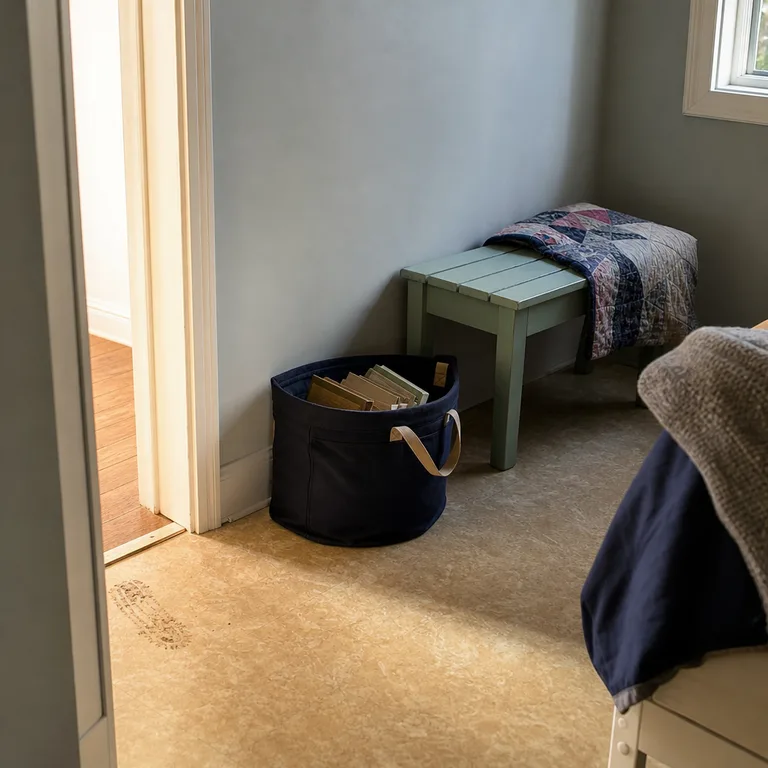
A canvas tote, fabric basket, or small handled bin can do the job without taking up much room. Choose a container that a child can carry only when it is lightly loaded, and place it where it will not block the doorway.
Worth knowing: Library books may still migrate around the home, so the basket needs a regular return-to-home habit to stay useful.
8.Two Low Bookend Zones for Two Readers
Divide a low shelf into two small bookend sections in a shared bedroom, giving each child a separate current-reading area. The visual boundary reduces mix-ups without requiring matching bookcases or duplicate storage.
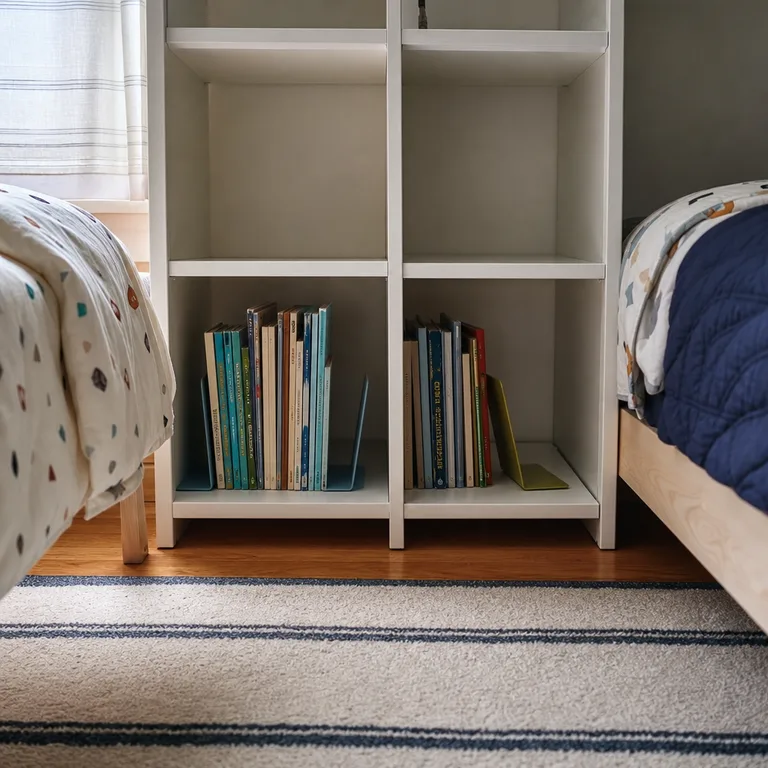
Use different bookend colors, simple name labels, or a small symbol for each reader. Keep both zones at a reachable height and anchor the cubby or shelf unit according to the manufacturer’s instructions.
Worth knowing: Separate zones can feel uneven if one child has many more books or regularly chooses larger formats.
Related: 6 Small Shared Bedroom Layouts for Two Children Using Twin Beds
9.Magazine Holder for Thin Paperbacks
Stand thin paperbacks, early readers, and activity books in a low magazine-style holder on a shelf. The open front keeps titles visible and prevents slim books from disappearing at the bottom of a deep basket.
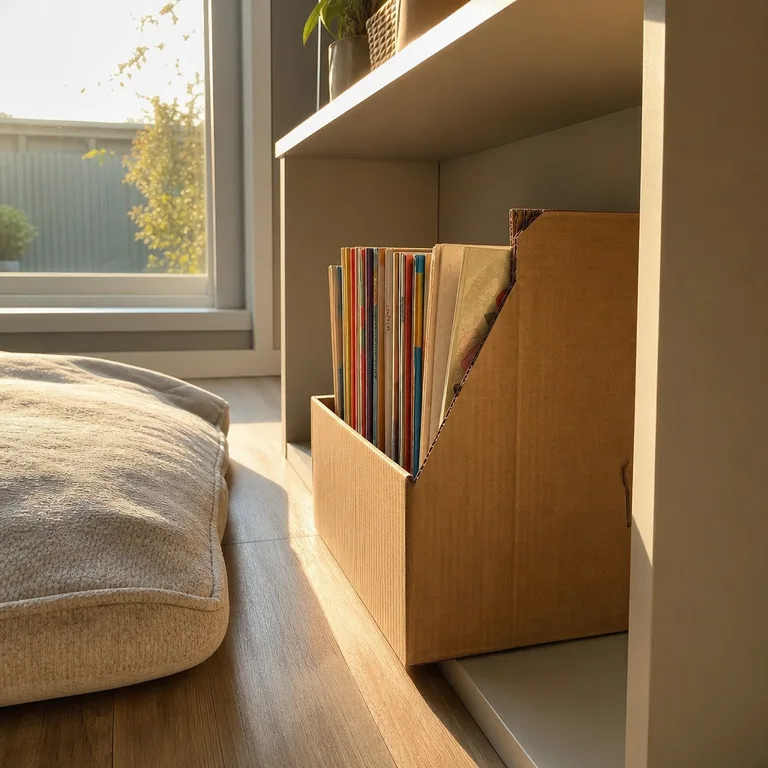
A cardboard magazine file can be a practical starting point, while a plastic or wood holder may hold up better in a busy bedroom. Avoid overpacking it, since bent paperbacks are harder for children to pull out and put back.
Worth knowing: Magazine holders are not suitable for heavy hardcovers or wide picture books.
10.Portable Story-Time Caddy
Fill a divided caddy with a small set of read-aloud books plus quiet items such as blank paper and a pencil pouch. It can move from the bedroom to the sofa or another reading spot, then return to one shelf or corner afterward.
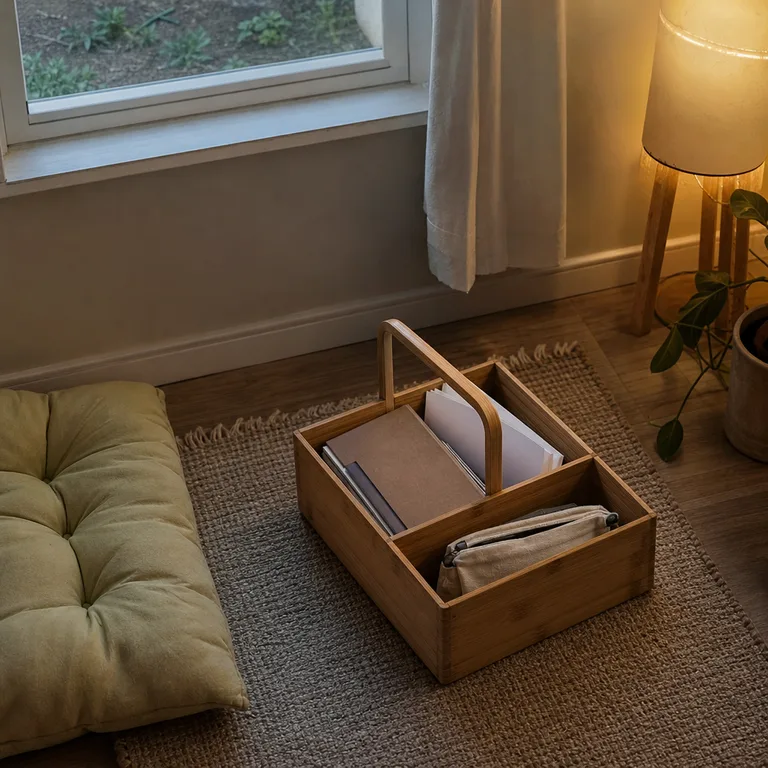
Reuse a divided organizer if it has a comfortable handle and stable base. Keep the contents light enough for the intended child to manage, and avoid storing scissors, loose small parts, or heavy books in a caddy that will be carried often.
Worth knowing: A portable caddy can turn into general toy storage unless its contents stay limited to story-time materials.
About the author
Dana Ruiz, Senior editor
Dana writes about small-space living, storage and low-cost decorating.
Keep reading
12 Refrigerator Organization Habits That Do Not Require Matching Bins
October 20, 2026
8 Mug Storage Ideas for a Small Kitchen With Mismatched Cups
October 19, 2026
8 Foil and Food Wrap Storage Ideas for Kitchens With Shallow Drawers
October 18, 2026
7 Broom and Mop Storage Ideas for Homes Without a Utility Closet
October 18, 2026