10 Budget Reading Nook Ideas for an Unused Corner
An unused living-room corner can become a useful reading spot with a comfortable chair, focused light, and one small surface for a drink or book. These arrangements use movable pieces rather than built-ins, while keeping routes, window access, and the chair’s footprint in mind.
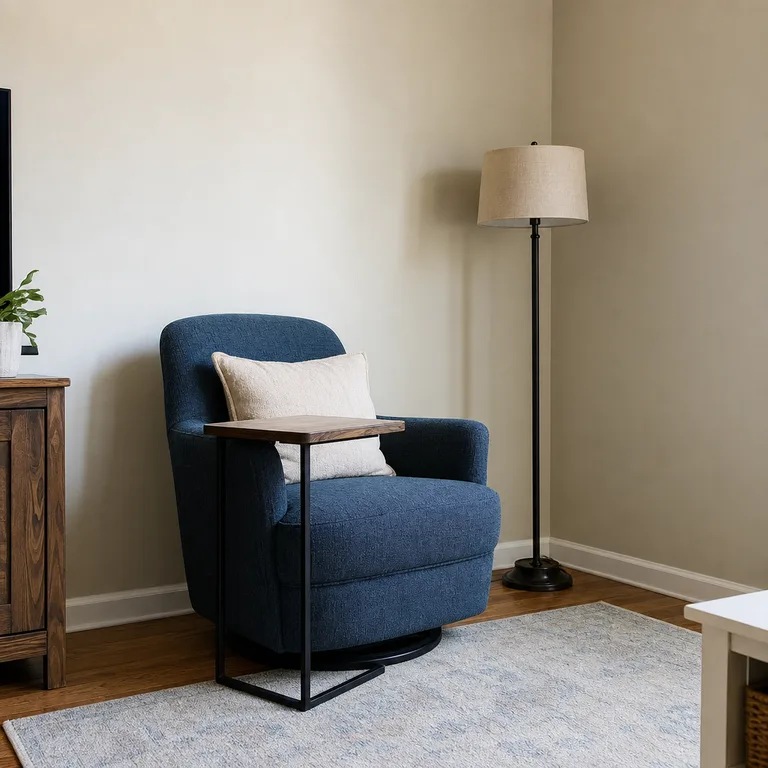
1.Tuck a Compact Armchair Beside a Window
Place a slim armchair at a slight angle beside a window rather than pushing it squarely into the corner. The angle makes the chair feel more inviting and can leave easier access to curtains, blinds, and the wall behind it.
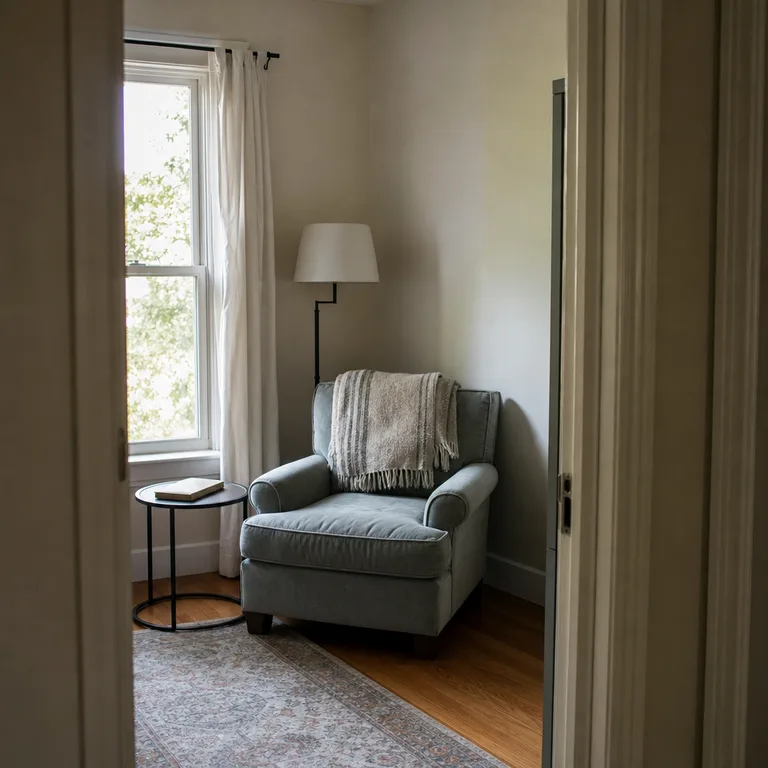
Use daylight for daytime reading, then add a floor lamp behind or just beside the chair for evenings. A narrow round table gives a book and drink a landing spot without filling the gap between the chair and the window.
An existing occasional chair can work well here with a washable cushion or throw, so there is no need to buy a matching set. Keep the chair clear of radiators and avoid trapping long curtains behind its back.
Worth knowing: This setup is not a good fit if the window is needed as an exit, the corner gets strong glare, or the chair would block curtain operation.
2.Use a Wall Light Above a Low Chair
Put a low lounge chair beneath a wall-mounted reading light, then add a small stool beside it for a book and cup. Raising the light off the floor keeps a tight corner from looking crowded with lamp bases and table legs.
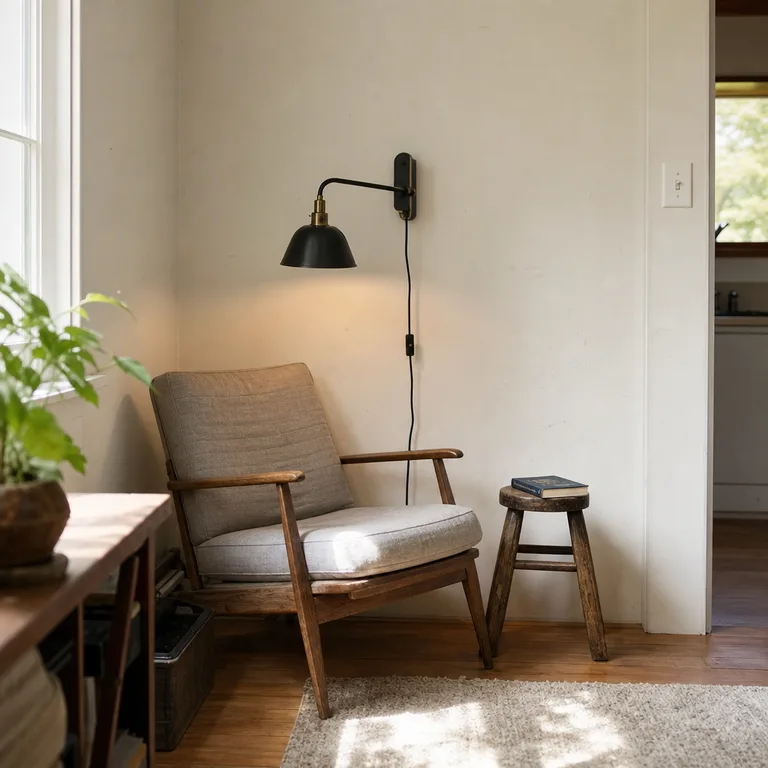
A directional wall light sends illumination toward the page while leaving the stool free for everyday use. Plug-in wall lights can be a practical option where hardwiring is not possible, especially if the cord can be routed neatly along the wall.
Choose a stool already used elsewhere in the home, or a simple secondhand one with a solid top. Place the chair where its back has support from the wall, but leave enough room to sit down without bumping the stool.
Worth knowing: Wall installation may be restricted in rentals, and a poorly placed light can cast shadows across the page.
3.Turn the Space Behind a Sofa End Into a Nook
If a sofa stops short of a corner, use the open space beyond its end for a narrow chair. A floor lamp or arc lamp behind the chair and a tiny pedestal table can turn that overlooked patch into a separate reading spot.
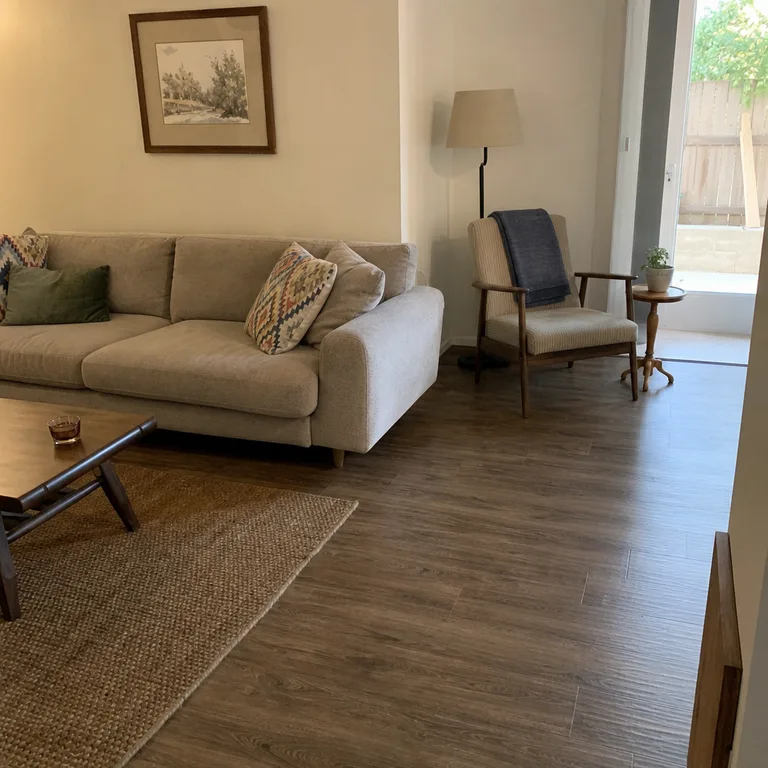
This arrangement gives the chair a little privacy without closing off the living room. It also makes the sofa layout work harder by using the dead space created at one end.
Look for a chair with a shallower footprint than the sofa and use a small round table rather than a wide side table. Test the walking route around the chair first, particularly in rooms where people regularly pass between seating and doorways.
Worth knowing: Skip this layout when it narrows a main route or makes it difficult to reach a door, window, or storage area.
Related: 12 Small Living Room Layout Ideas That Leave Room to Walk
4.Set a Dining Chair in a Quiet Living-Room Corner
A spare dining chair can become a light-looking reading seat in a quiet living-room corner. Add a seat cushion and a folded throw, then place a compact lamp on a small cabinet or plant stand nearby.
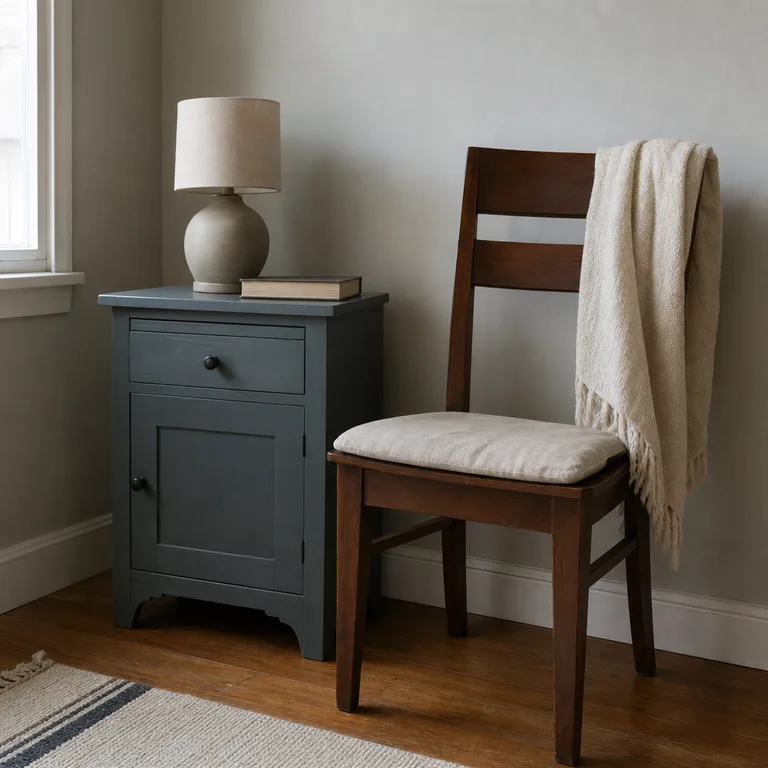
Wooden dining chairs take up less visual and physical space than many armchairs, which helps an ordinary corner remain open. The setup is also easy to move when the chair is needed at the table.
Use a chair with a supportive back and save the most comfortable cushion for this spot. A cabinet already in the home can hold the lamp and a few current reads, provided its height lets the light reach the book rather than only the top of the chair.
Worth knowing: A dining chair may not be comfortable enough for long reading sessions, especially without arm support.
Related: 10 Small Dining Area Ideas When You Don't Have a Dining Room
5.Pair a Swivel Chair With a C-Table
Set a compact swivel chair near the edge of a conversation area, with a C-shaped table sliding close to one arm. Add a floor lamp beside the chair base so the light remains useful when the chair turns toward the room or toward a window.
The swivel function makes one chair serve more than one purpose: it can join a conversation, face a view, or turn toward a book. A C-table keeps a drink and book within reach without demanding the floor area of a standard side table.
A small secondhand swivel chair or a chair moved from another room can make this work affordably. Choose a table with a low, stable base, and keep it out of the chair’s turning path so it does not catch the seat or feet.
Worth knowing: This pairing needs a little clearance around the chair, so it can feel awkward in a sharply enclosed corner.
6.Make a Windowless Corner Feel Brighter With an Uplight
In a dim interior corner, use two layers of light: a shaded reading lamp aimed at the chair and a small uplight pointed at the wall. Add a compact nesting table for the book and drink, keeping the outlet area clear.
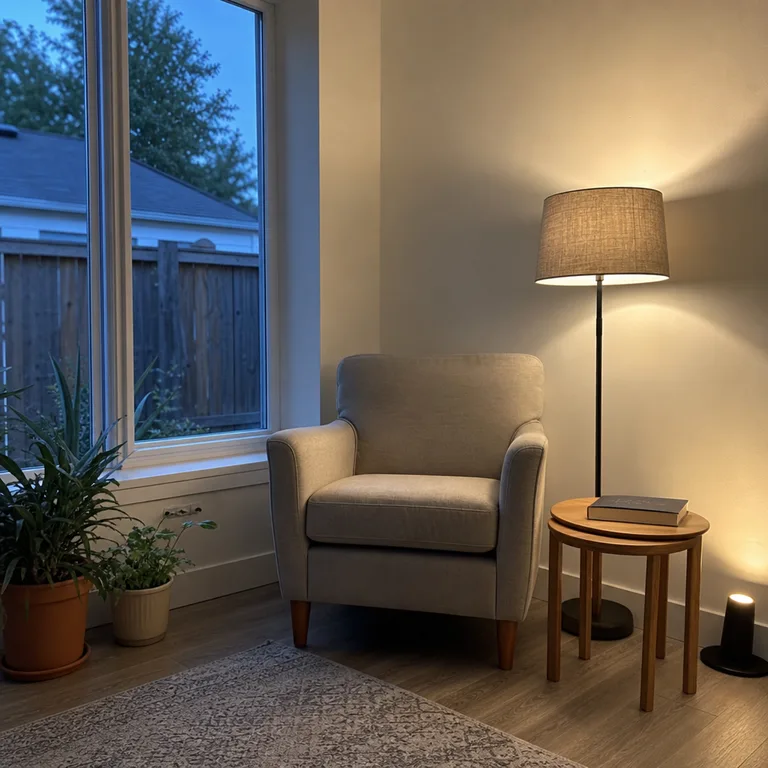
The uplight softens the dark edge of the room, while the focused lamp provides the direct light needed for reading. This combination can make a windowless corner feel less separate from the rest of the living room.
Use lamps already on hand if possible, moving a small uplight from behind a plant or media unit. Pale walls reflect the light best, while darker paint may need a stronger lamp position to avoid a gloomy result.
Worth knowing: More than one lamp can create cord clutter, and the setup depends on a nearby outlet that is not overloaded.
7.Use a Storage Ottoman as the Reading Surface
Put a chair beside a lidded storage ottoman and top it with a stable tray for a book and mug. Position the lamp behind or beside the chair so the ottoman can stay low and useful rather than becoming a pile of reading supplies.
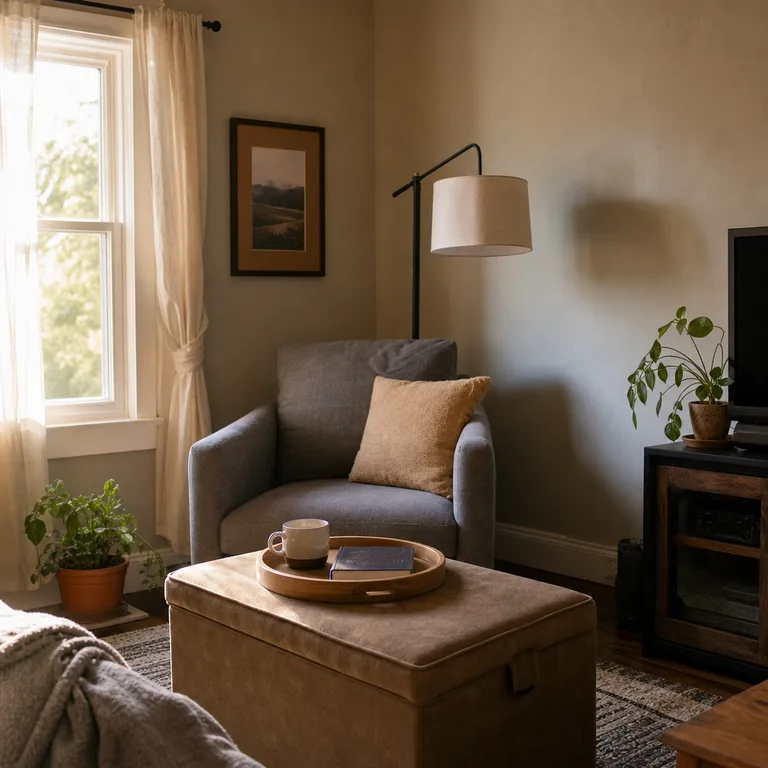
An ottoman combines a small surface with hidden blanket storage, which is especially useful in a living room without a dedicated library. Its soft edges can also be easier to live with than a hard table in a narrow area.
Repurpose an ottoman from the foot of a bed or another seating zone, then use a tray already in the kitchen or on a coffee table. Keep only the current book and drink on top so the surface remains usable.
Worth knowing: A soft or heavily padded ottoman needs a firm tray, and it may not provide a reliably level surface for every drink.
8.Fill an Awkward Bay Window Angle With a Barrel Chair
Fit a rounded barrel chair into one angled side of a shallow bay window, then set a slim floor lamp and a small drink table just outside the window covering. The curved chair shape can sit more naturally in an angled space than a boxy armchair.
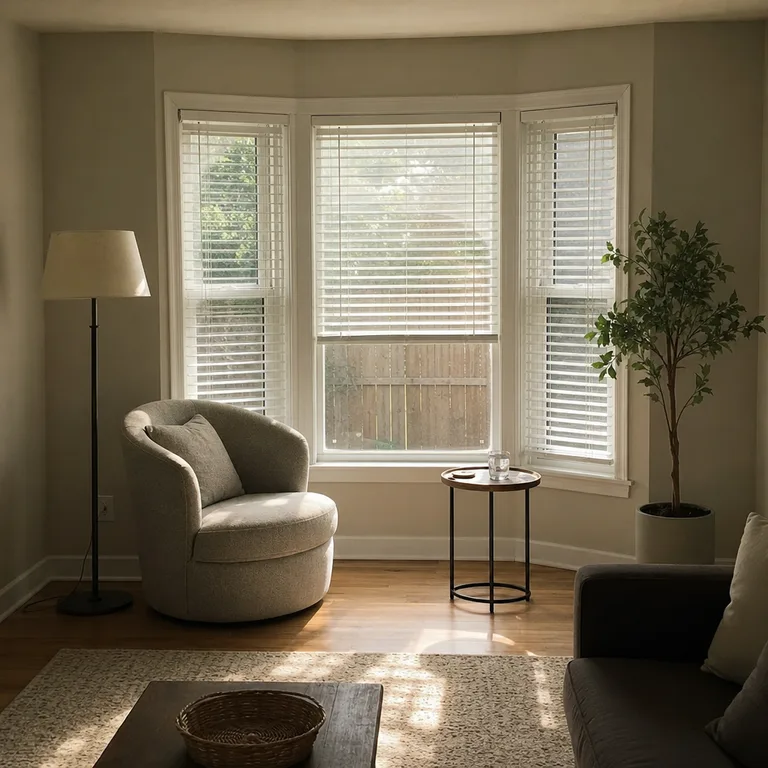
This makes an architectural oddity feel intentional while taking advantage of the light near the glass. The chair’s rounded outline also keeps the bay from looking packed with square furniture.
A barrel chair does not need to be new; a clean used chair with sound upholstery can be enough for a low-cost update. Keep the lamp and table clear of blinds, curtains, and window hardware so the bay still functions normally.
Worth knowing: Direct sun can fade fabric and create glare, so this nook may need blinds, a shade, or a chair that can be moved seasonally.
9.Create a Reading Perch Under Open Shelves
Place a simple chair beneath existing open shelves and use an adjustable floor lamp aimed toward the seat. Add a low side table so the furniture below the shelves remains visually lighter than the wall above.
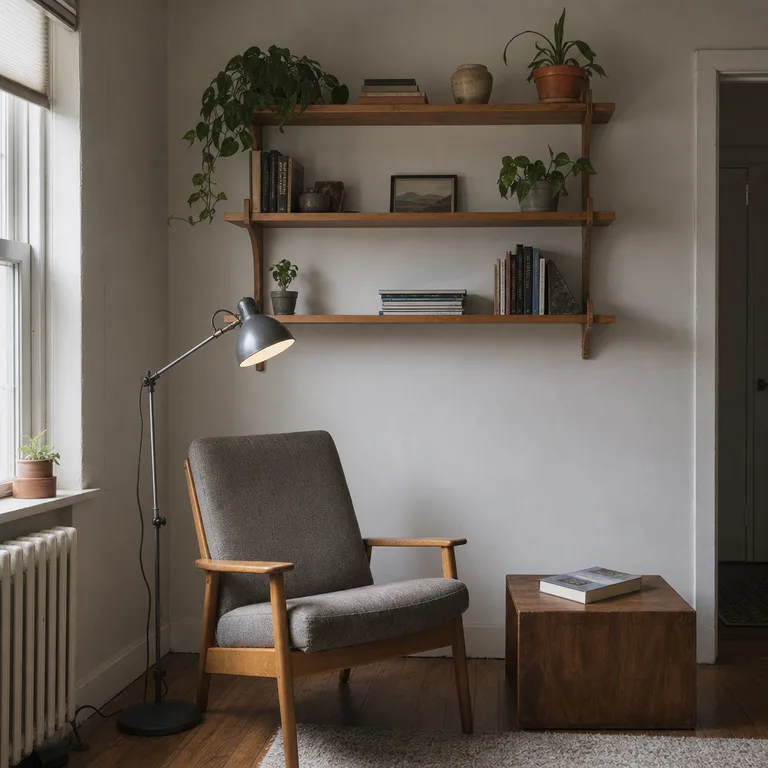
The chair gives the shelving area a clear purpose without requiring more decorative objects. A focused lamp does more for reading comfort than filling every shelf with books or accessories.
Use shelves already installed and keep their lower edges high enough that sitting and standing feel comfortable. A basic chair and low table can be painted or refreshed with a cushion if their finishes need to work together better.
Worth knowing: This layout will feel cramped if the shelves hang too low or if items above the chair are not securely anchored.
Related: 12 Bookshelf Styling Ideas Using Things You Already Own
10.Use a Folding Chair for a Nook That Can Disappear
Open a comfortable folding chair in an unused corner with a portable lamp and lightweight tray table beside it. When guests need floor space or the room changes function, fold the chair and store the small pieces against a wall or in a closet.
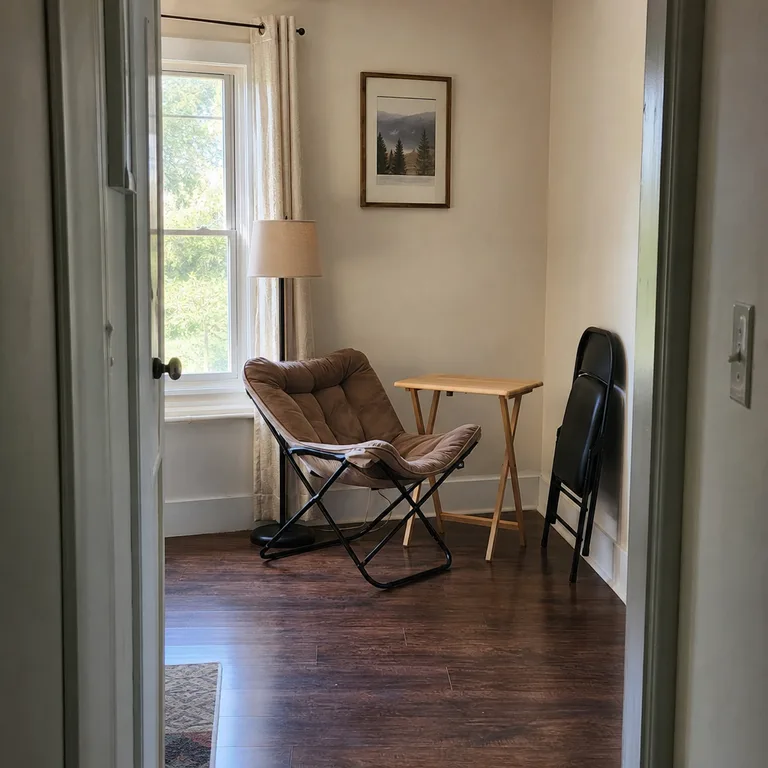
A temporary nook lets a compact living room have a reading spot without giving one corner permanently to a chair. It works especially well in homes where the same room handles lounging, dining, play, or occasional guests.
Choose a folding chair with a supportive seat cushion rather than treating a basic event chair as long-term seating. A tray table keeps the surface flexible, while a portable lamp can move to another seat when the nook is packed away.
Worth knowing: Folding chairs are usually less comfortable and less durable for extended daily reading than a dedicated lounge chair.
About the author
Dana Ruiz, Senior editor
Dana writes about small-space living, storage and low-cost decorating.
Keep reading
10 Guest Room and Office Ideas for One Small Room
September 20, 2026
10 Small Bathroom Ideas That Keep the Floor Clear
September 19, 2026
10 Rattan Accent Ideas That Add Warmth Without a Full Room Makeover
September 20, 2026
12 Bookshelf Styling Ideas Using Things You Already Own
September 20, 2026