9 Budget Sewing Fabric Storage Ideas for Small Bedrooms
A small-bedroom fabric stash is easier to use when yardage, usable cuts, and tiny scraps each have their own visible home. These nine systems sort fabric by size and keep it dry, contained, and quick to scan without taking over the active sewing surface.
As an Amazon Associate I earn from qualifying purchases.
1.Store Folded Yardage Upright in Open Cube Bins
Fold longer lengths to one repeatable height, then stand them on their folded edges inside open cube bins. The visible edges make it much easier to scan colors, prints, and fabric types than a deep horizontal stack.
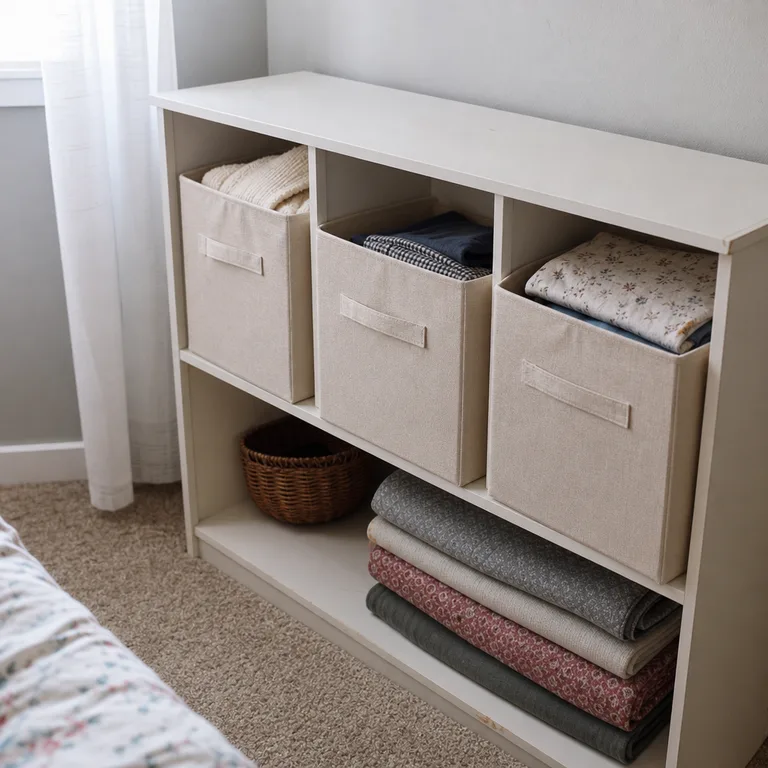
Reuse sturdy bins, baskets, or cardboard file-style inserts that fit an existing bookcase. Keep the shelf away from a damp exterior wall, and use a curtain or cabinet door if direct sun reaches the fabric for long periods.
Worth knowing: Open bins collect dust, so they need occasional tidying and may not suit fabric stored near a sunny window.
2.File Fat Quarters in a Shallow Drawer
Fold fat quarters and similarly sized cuts into flat rectangles, then file them upright in a shallow drawer. Simple dividers stop the rows from collapsing and let each piece stay visible without lifting a stack.
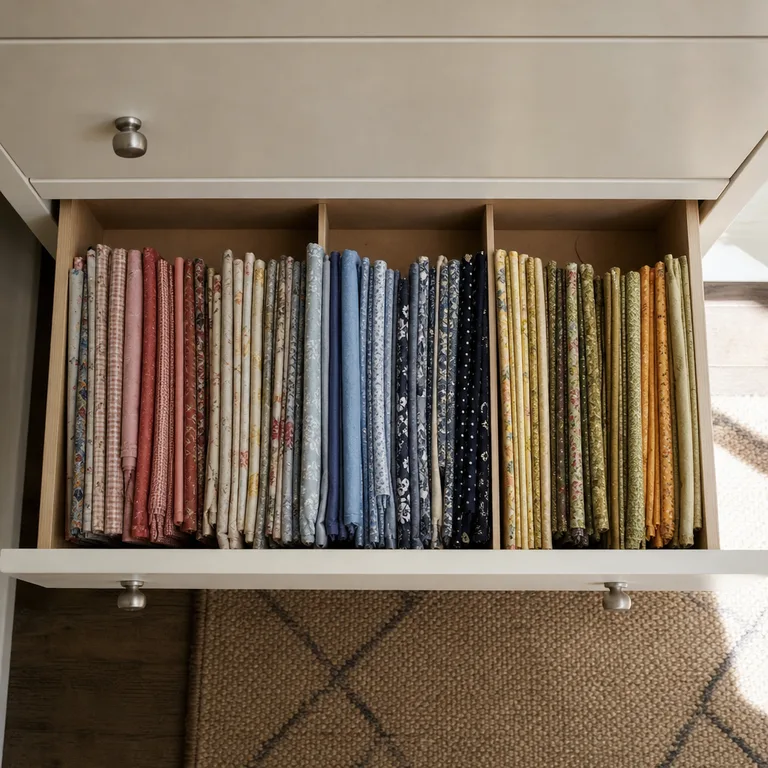
A spare dresser drawer, bedside drawer, or shallow storage tray can work well for this category. Group by color family, fiber, or intended use, but keep the categories broad enough that putting fabric away stays quick.
Worth knowing: This system depends on having a shallow drawer; deep drawers can turn upright files into an unstable pile.
3.Sort Medium Cuts in Clear Lidded Under-Bed Boxes
Reserve low clear boxes for medium cuts that are too substantial for a pouch but do not belong with full yardage. Fold them loosely by broad type, such as apparel fabric, quilting cotton, flannel, or project leftovers, so a single box is easy to search.
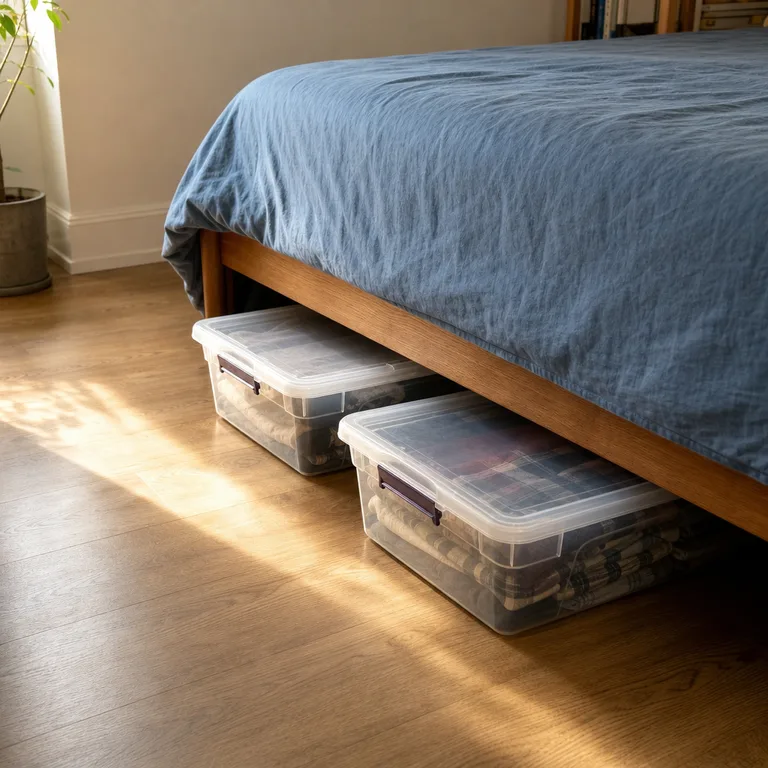
Under-bed storage makes use of otherwise lost bedroom space while the clear sides show what is inside. Check that the boxes slide freely and that the lids close without compressing fabric, especially under a low bed frame.
Worth knowing: Under-bed boxes are less convenient for fabric used every day, and dusty floors or damp rooms call for well-fitting lids.
Related: 10 Under-Bed Storage Ideas That Are Easy to Reach
4.Keep Small Usable Pieces in Transparent Zip Pouches
Put small but sewable pieces into transparent zip pouches by usable size range rather than mixing every offcut together. A pouch for patchwork-sized pieces, another for appliqué shapes, and another for small linings creates a simple retrieval system.
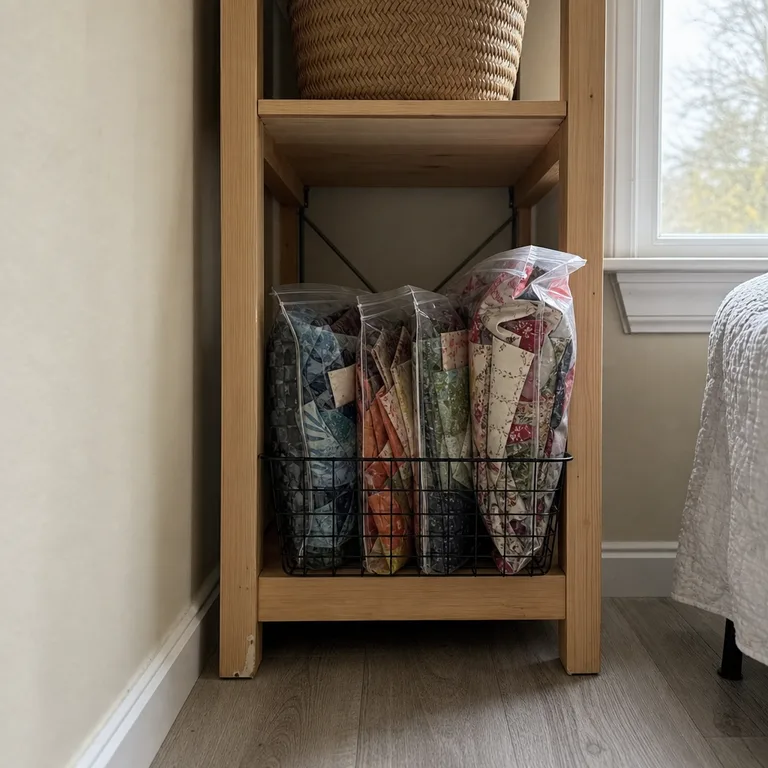
Stand the pouches in a basket, shallow bin, or file holder so their contents face forward. Reusing clean zip bags or clear document pouches keeps this approach affordable and prevents a loose scrap basket from becoming a tangle.
Worth knowing: Overfilled pouches hide their contents, so this method works best when each pouch has a clear size limit.
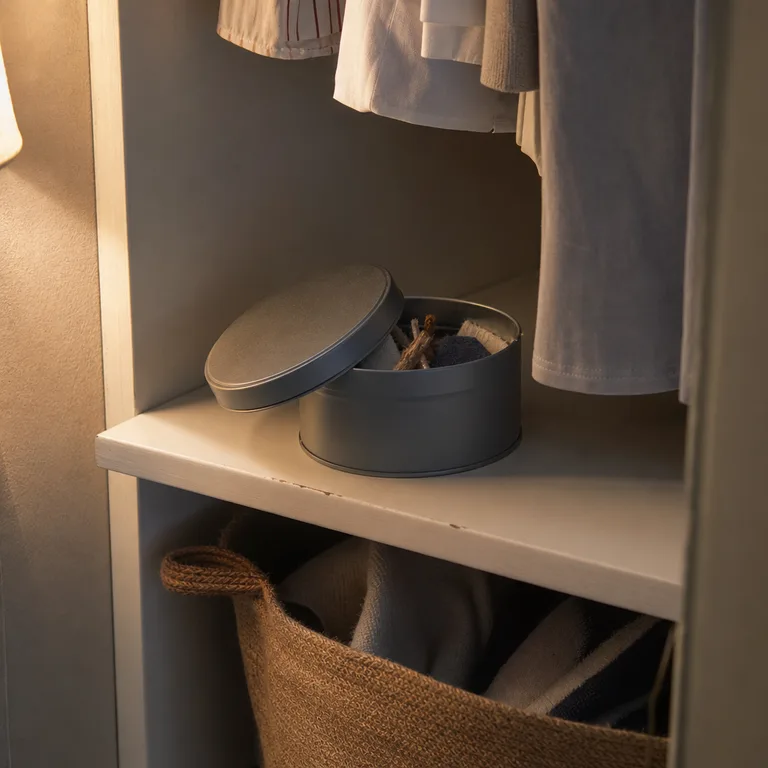
5.Reserve a Lidded Tin for Tiny Scraps
Give truly tiny scraps their own lidded tin or small box near the rest of the fabric storage. This draws a useful line between pieces that can still become patchwork or appliqué and pieces saved only for stuffing, testing stitches, or other small uses.
An existing biscuit tin, gift box, or small craft container is enough for this job. Keeping the lid on also contains threads and prevents lightweight snippets from spreading through a bedroom drawer or closet shelf.
Worth knowing: Tiny scraps accumulate quickly, so the container needs a firm capacity limit or it becomes another unsorted stash.
6.Use Hanging Sweater Shelves for Bulky Yardage
Fold bulky fleece, denim, batting remnants, and similar thick materials into individual hanging shelf compartments. Each compartment keeps one type visible and avoids the weight and bulk that can make drawers difficult to open.
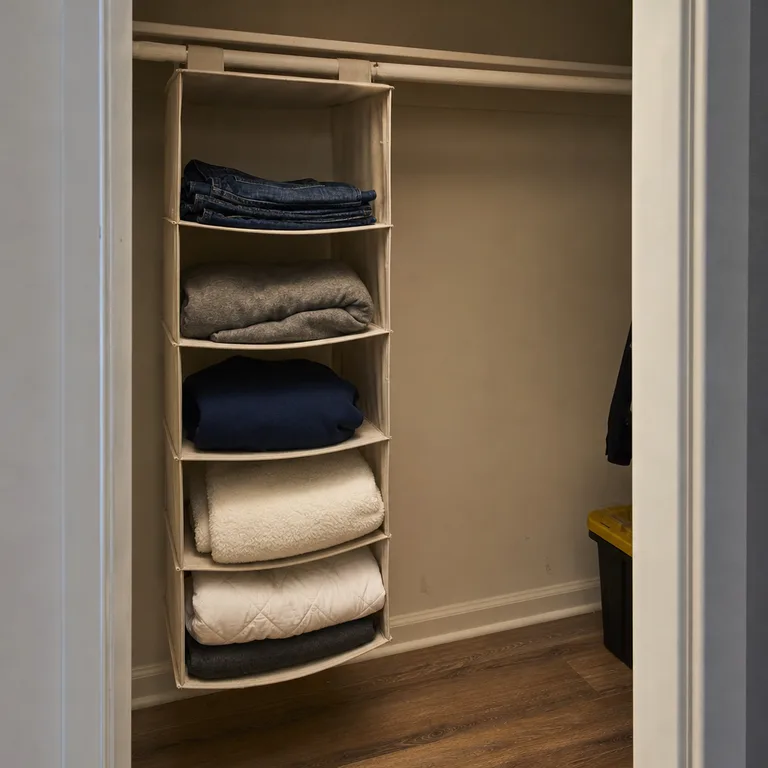
A hanging sweater organizer uses closet height without requiring another piece of furniture. Choose one with reinforced shelves, and place the heaviest folds in lower compartments so the organizer does not sag or pull on the closet rod.
Worth knowing: Hanging shelves are not ideal for very heavy fabric collections, and they take up valuable closet space.
Related: 15 Small Closet Organization Ideas Without a Custom System
7.Stand Project-Length Cuts in Magazine Files
Use sturdy magazine files for folded cuts held back for a particular upcoming project. The vertical format keeps each project bundle separate, and the cut edges remain visible instead of disappearing under a larger stack.
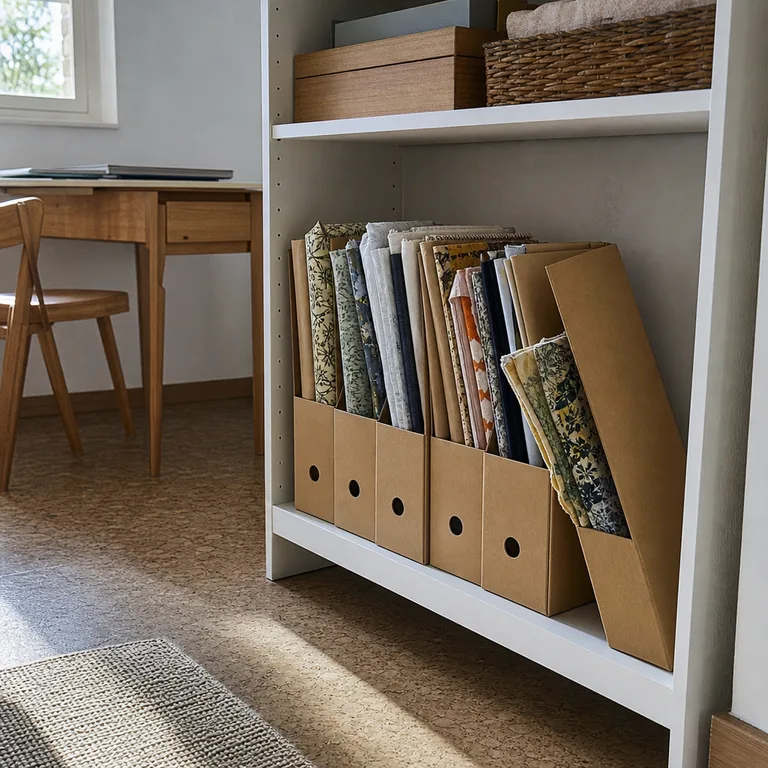
Cardboard magazine files are an easy reuse-first choice, while stronger files are better for heavier fabric. Labeling the front by project name or fabric type helps, but only store pieces large enough to use so the files do not become scrap catchalls.
Worth knowing: Magazine files can bend under dense fabric and are too narrow for thick stacks or large cuts.
8.Make a Rolling Cart a Mobile Fabric Library
Assign each level of a rolling cart to one size group, such as yardage, medium cuts, and small usable pieces. Shallow trays or bins on each tier keep the categories from shifting when the cart moves.
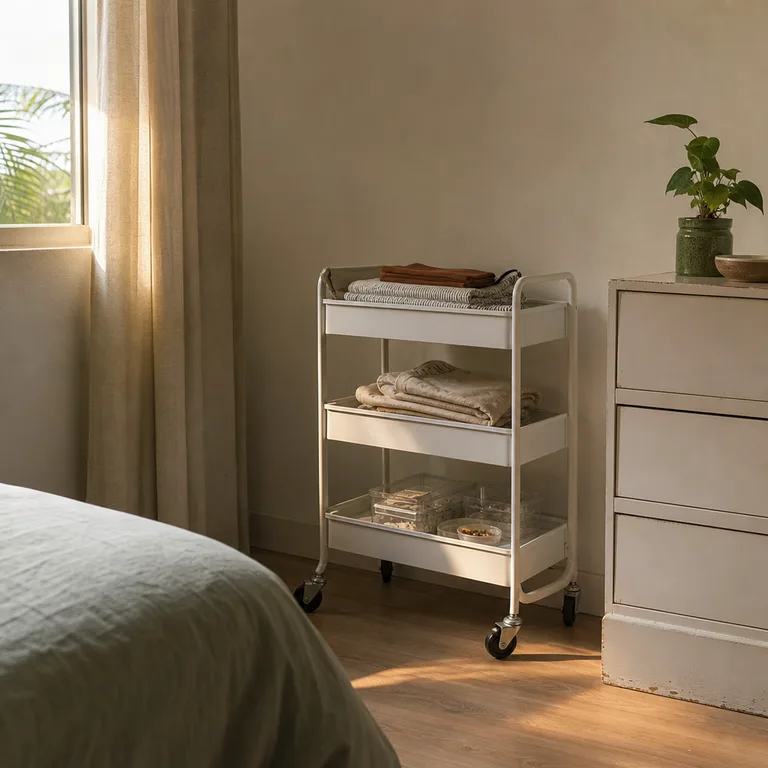
This option lets fabric storage roll out when it is needed and tuck beside a dresser or into a closet afterward. A stable base and locking wheels matter in a small bedroom, particularly on uneven flooring or near the bed.
Worth knowing: A cart still needs floor space, and an overloaded top tier can make it feel unstable when moved.
9.Hang a Pocket Organizer for Narrow Strips
Use clear hanging pockets for binding strips, long narrow offcuts, and ribbon-like fabric pieces that tangle in bins. Rolling or folding each strip into a loose bundle lets the length and color remain visible through the pocket.
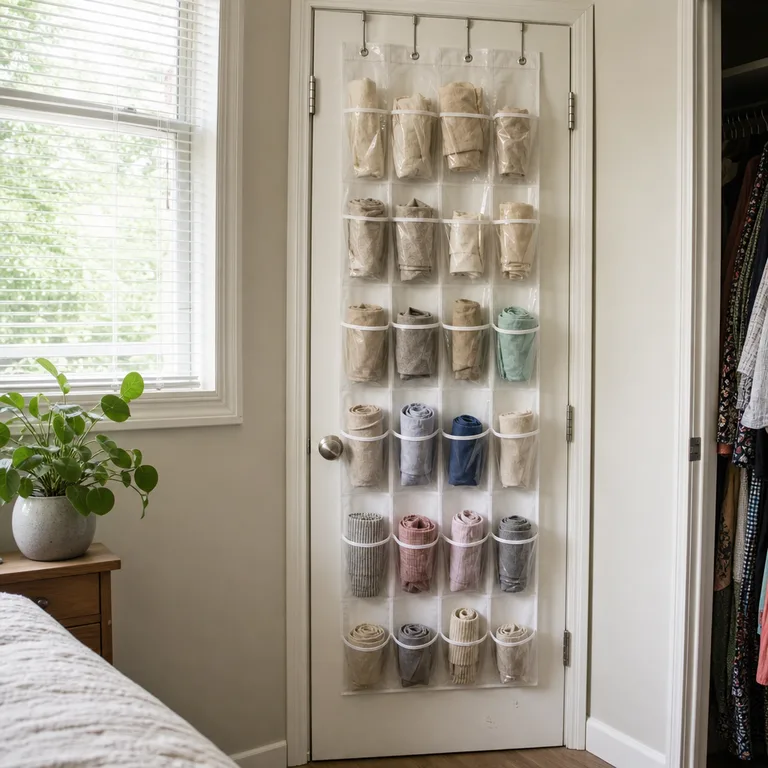
An over-door organizer or a pocket panel hung inside a closet keeps these awkward pieces off shelves and out of drawers. Choose a location away from prolonged bright sun, since light can fade exposed fabric over time.
Worth knowing: Pocket organizers suit narrow pieces only; stuffing wide cuts into the pockets stretches them and makes sorting harder.
About the author
Dana Ruiz, Senior editor
Dana writes about small-space living, storage and low-cost decorating.
Keep reading

10 Easy Suitcase Storage Ideas to Clear Bedroom Clutter
November 4, 2026
8 Table Linen Storage Ideas for Homes Without a Dining Hutch
November 2, 2026
10 Craft Paper Storage Ideas for Small Homes
November 2, 2026

8 Easy Small Living Room Layouts for TV and Fireplace
November 4, 2026