7 Small Living Room Layout Adjustments That Keep Windows Easy to Open
A small living room can still work around a usable window when furniture follows the sash, casement, or sliding track rather than treating the glass as a backdrop. These adjustments keep one window practical for fresh air and cleaning while preserving an escape route where the window serves that purpose.
As an Amazon Associate I earn from qualifying purchases.
1.Offset the Sofa From a Casement Window
Move the sofa to one side of a casement window instead of centering it directly below or in front of the opening. This gives the sash room to swing without catching a sofa arm, loose cushion, or the wall beside it.
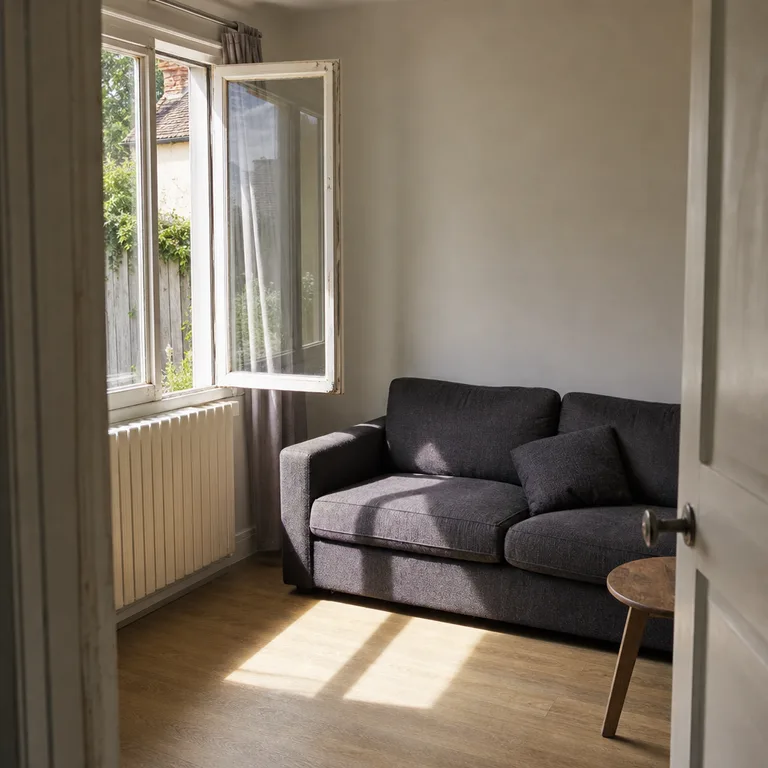
Open the window fully and trace its real path before settling on a new position. Furniture sliders can make a modest shift easier, and a curtain pulled to the non-hinge side keeps fabric out of the moving sash.
Worth knowing: This only works if the room has enough wall length beside the window; a sofa may need to move to another wall when the casement opens wide.
Related: 12 Small Living Room Layout Ideas That Leave Room to Walk
2.Use a Low Table Below a Raised Sash
A tall side table or cabinet below a vertically opening window can make the latch and lower sash awkward to reach. Swap it for a low bench, short table, or simple open storage piece that sits below the window’s moving section.
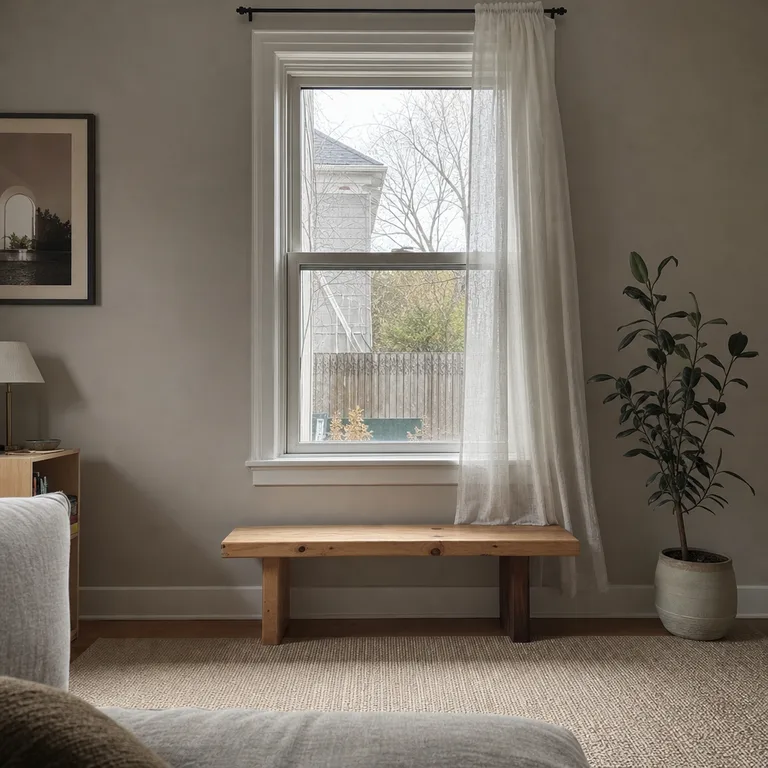
Keep the surface lightly styled so it does not become another obstacle when the window needs opening or cleaning. Reusing a low bench from elsewhere in the home is often simpler than buying a purpose-made window unit.
Worth knowing: A low piece can still block access if the window opens down toward the room or if its latch sits unusually low.
3.Move Plant Displays Beside the Window Instead of Across It
Plants often end up across the sill, directly in front of the handle, or on a stand that fills the whole window wall. Place a narrow stand beside the opening instead, leaving the sill, latch, and reach-in space clear while keeping plants near daylight.
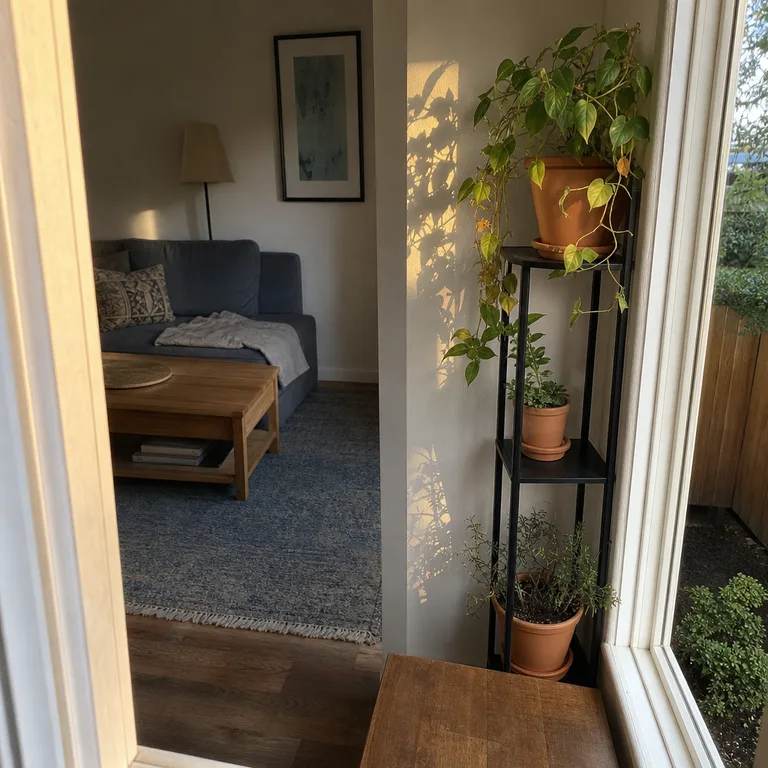
Group plants by the side that receives suitable light, rather than spreading them across every available part of the window. Use saucers under pots and allow room to lift plants out for watering, especially where condensation can collect near the glass.
Worth knowing: The side of the window may receive less direct light than the sill, so sun-loving plants may need a different location.
4.Angle One Chair Away From the Opening
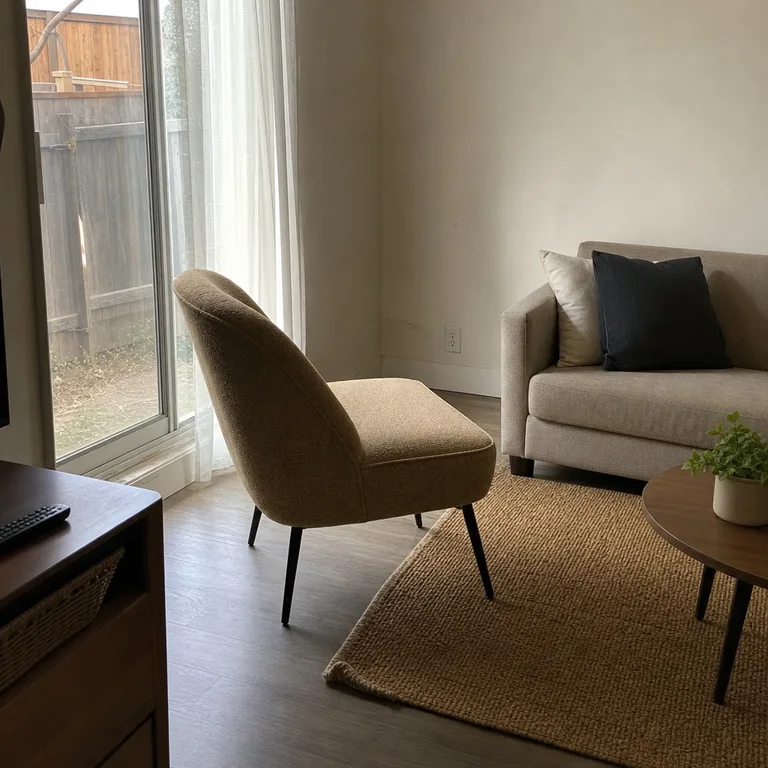
Turn an occasional chair toward the sofa or conversation area instead of lining its back up squarely with the window. Even a small angle can create a useful gap for reaching a sliding-window handle or opening a casement.
An armless chair is often easier to reposition in a compact room, and felt pads can make minor adjustments less of a chore on hard flooring. Keep the chair’s legs outside the opening path rather than relying on moving it every time the window is used.
Worth knowing: An angled chair can use more floor area than one placed flat against a wall, so it may not suit a very narrow room.
Related: 12 Small Living Room Seating Ideas Beyond a Second Sofa
5.Put the Slim Console on a Solid Wall
A shallow console beneath a window may seem space-efficient, but its surface quickly collects lamps, baskets, and decor that block curtains and cleaning access. Move it to a solid wall where it can provide the same storage without competing with the window.
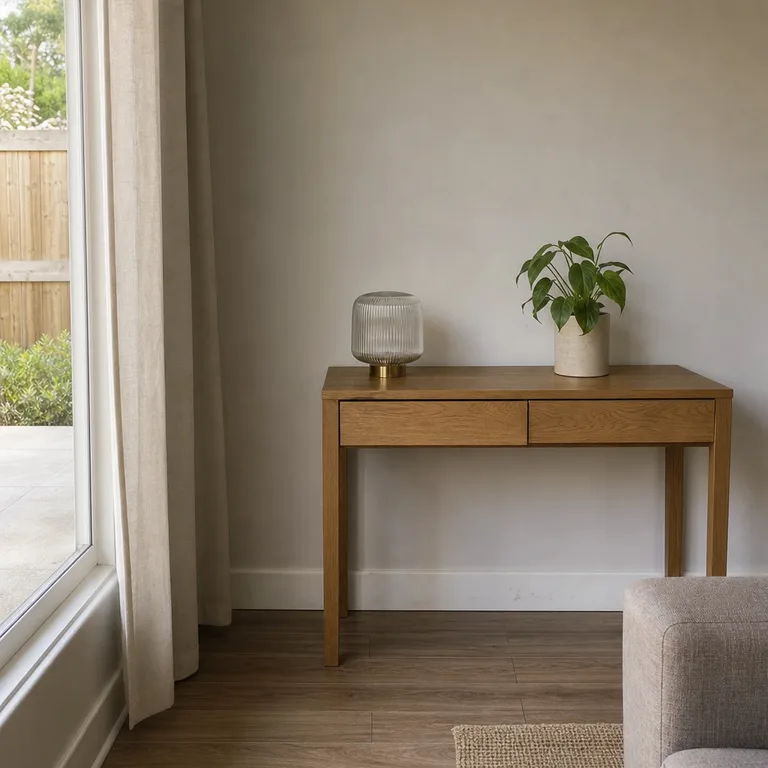
Choose the narrowest existing piece that still holds what is needed, and keep frequently used items contained in a tray or drawer. If the console is tall or likely to be pulled forward, follow the manufacturer’s anchoring guidance, particularly in homes with children or pets.
Worth knowing: A solid wall may already be needed for larger furniture, so this change can require simplifying what the console stores.
6.Keep a Narrow Strip Clear for Window Cleaning
Leave a direct strip of floor from the room to the window rather than filling every edge with baskets, poufs, or plant pots. The clear route makes it easier to reach locks, wipe the sill, and clean the glass without shifting several pieces first.
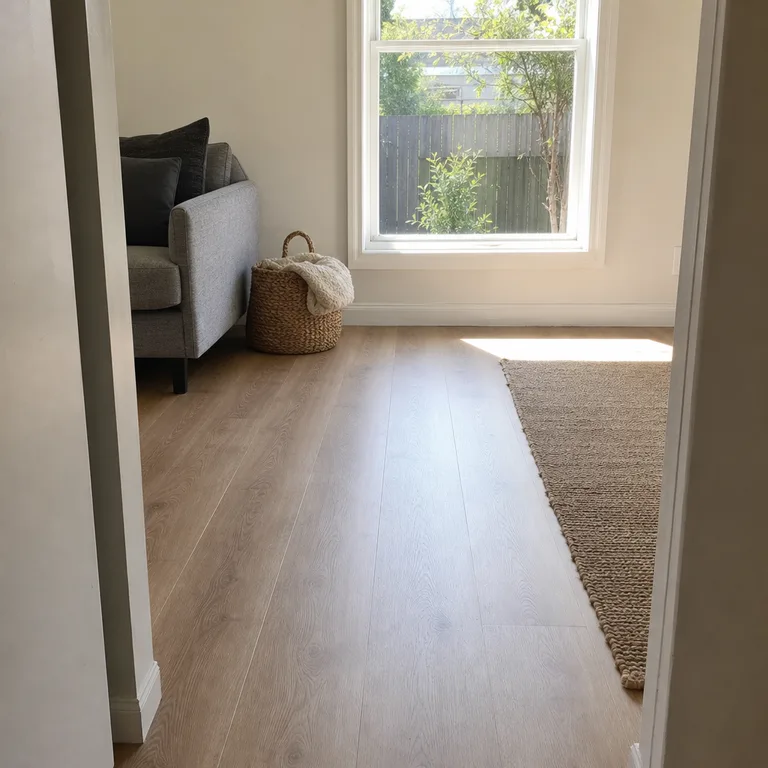
This is particularly useful in damp climates or on exposed windows that gather condensation, dust, or windblown dirt. Put low storage just outside the route and use a runner only if its edge lies flat and does not create a tripping point.
Worth knowing: The open strip can feel like unused space in a small room, so nearby storage needs to be more deliberate.
7.Set the Floor Lamp Outside the Window Operating Arc
A floor lamp beside a window can interfere with a swinging sash, block a sliding panel, or leave its cord in the way when the window is opened. Place the lamp on the room side of the sofa arm or beside a wall that is outside the window’s operating arc.
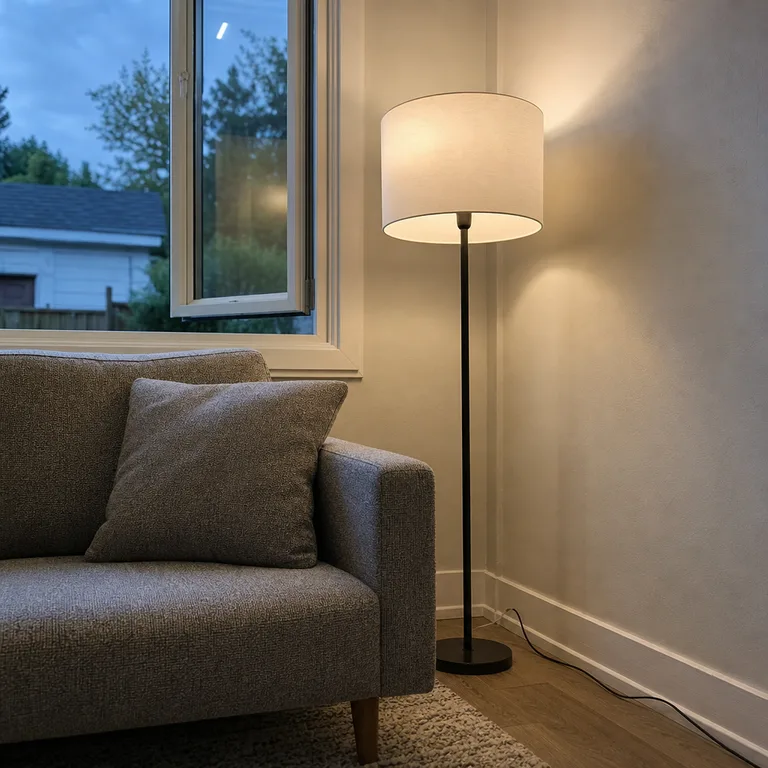
Test the window with the lamp in place, including the shade and base, not just the pole. Route the cord along the baseboard where possible and avoid placing it across the access path to the window.
Worth knowing: Moving the lamp may change where light falls for reading or seating, so another lamp may be needed for that task.
About the author
Dana Ruiz, Senior editor
Dana writes about small-space living, storage and low-cost decorating.
Keep reading
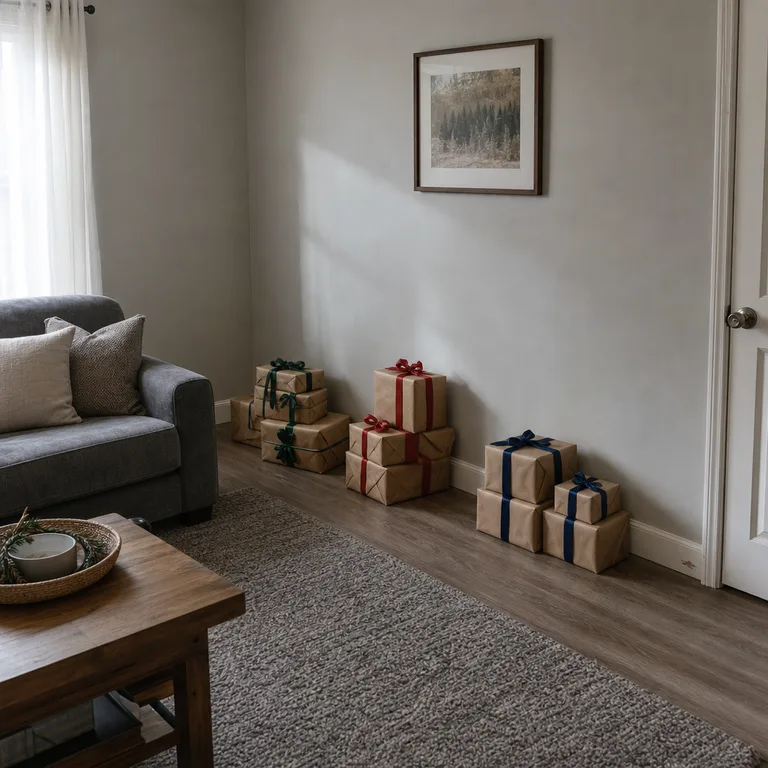
7 Christmas Morning Gift-Opening Setups for a Small Living Room
October 17, 2026
8 Wall Christmas Tree Alternatives for a Room With No Spare Floor Space
October 16, 2026
6 Foldaway Ironing Setups for a Bedroom Without a Permanent Laundry Area
October 16, 2026
7 Small Living Room Setups That Leave Space for a Foldaway Exercise Mat
October 16, 2026