6 Ways to Style One Throw Blanket on a Bed Without Buying More Bedding
One throw blanket can make the same bed look more finished when its fold and placement change to suit the bed size, bedding pattern, and how the room is used. These six arrangements keep the blanket easy to remove at bedtime and practical to launder, rather than treating it as a permanent layer.
As an Amazon Associate I earn from qualifying purchases.
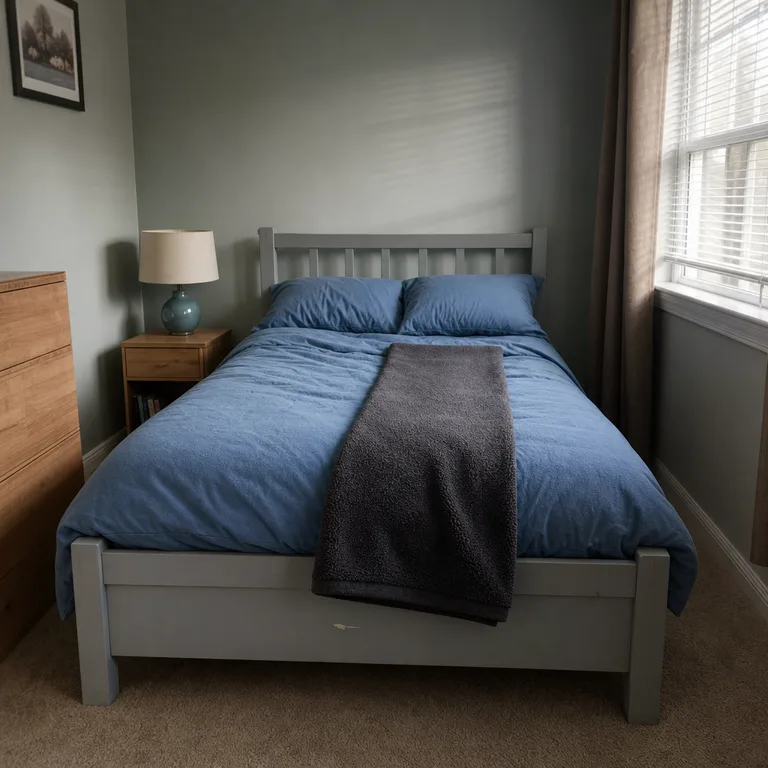
1.Fold the Throw Into a Clean Foot Strip
Fold the throw lengthwise into an even band, then lay it straight across the foot of the bed. This gives plain bedding a clear horizontal line without hiding the duvet, quilt, or coverlet underneath.
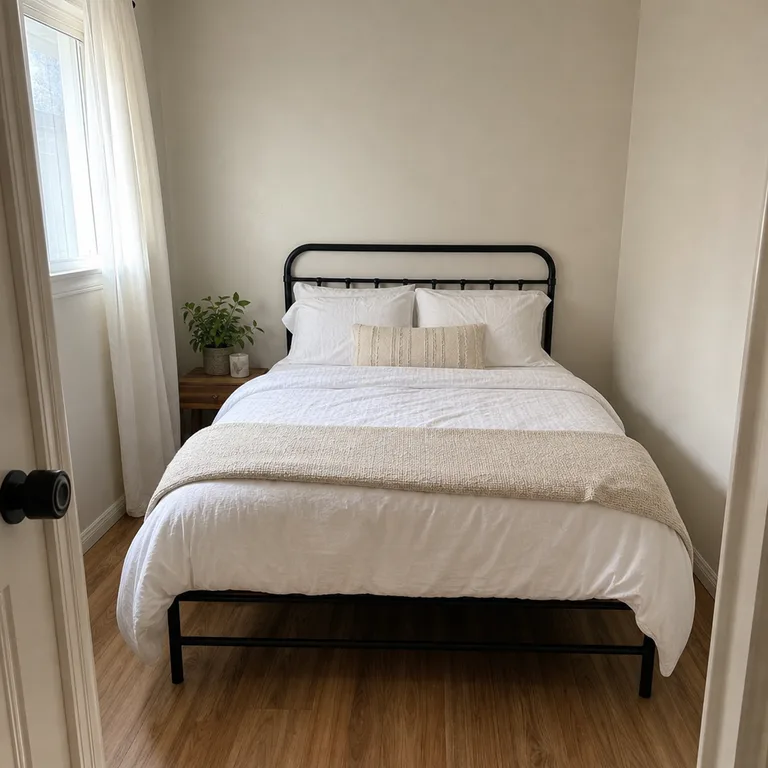
Keep the strip fairly shallow so it is easy to lift off when the bed is used. A lightweight throw is easiest to fold smoothly; with a bulky knit, make fewer folds and accept a wider band rather than forcing it flat.
Center the strip by lining it up with the mattress edges, then smooth the top fold with both hands. On a twin or narrow bed, a very thick throw can take up too much of the sleeping area even when placed at the foot.
Worth knowing: This tailored look can feel overly formal on heavily patterned bedding or with a thick throw that will not hold a crisp fold.
Related: 12 Cozy Bedroom Refresh Ideas That Keep Your Existing Furniture
2.Drape the Throw Over One Foot Corner
Place the throw over one lower corner, with most of the bedding still visible. Let one end fall over the side of the mattress while the rest sits loosely on top, creating an off-center finish that breaks up a matched bed set.
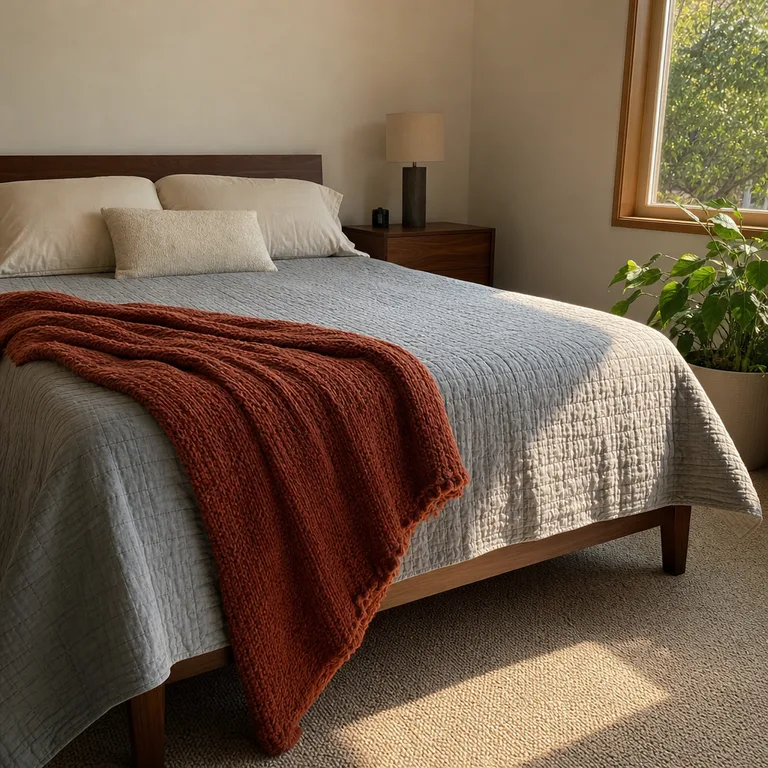
This approach works well when the throw has texture, fringe, or a contrasting color worth showing. It also takes very little arranging: fold the blanket once if needed, then adjust the hanging edge so it does not look pulled tight.
Keep the lowest edge well above the floor in rooms with pets, dusty carpet, or a tight path around the bed. If the blanket slides on a smooth quilt or duvet, tuck a small section beneath the mattress-side edge rather than adding another layer.
Worth knowing: A corner drape is less practical where the bed sits beside a busy walkway, since the hanging edge can be bumped or pick up dust.
3.Spread It Full Width as a Foot Layer
Open a lightweight throw and spread it across the lower section of the bed from side to side. It creates a broad block of color or texture, which can make a plain white or neutral duvet look more deliberate without changing the rest of the bedding.
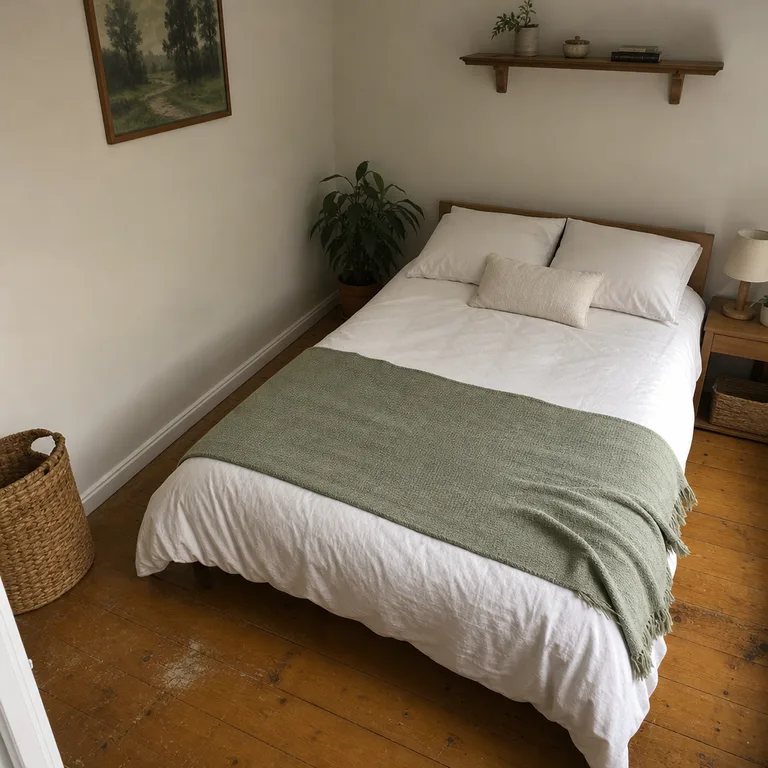
Leave the upper sleeping area uncovered so the blanket can be removed in one motion at night. Smooth the center first, then let the edges fall naturally; a little texture looks better than pulling a woven throw completely taut.
This layout is most useful when the throw is wide enough to reach across the mattress without being stretched. On a narrow bed, avoid several thick folds at the foot, which can make the mattress look crowded.
Worth knowing: A small throw may look undersized when spread full width on a larger bed, especially if it does not reach close to both sides.
4.Run the Throw Lengthwise Down the Bed
Fold the throw into a narrow runner and place it down the middle of the bed, starting below the pillows and ending near the foot. The centered line gives simple solid bedding a more tailored arrangement while leaving most of the surface visible.
Choose this treatment when the bed is made mainly for daytime appearance or when the runner can be lifted away before sleeping. Keep the fold narrow enough that it does not cover the usual sleeping position, particularly on a twin or full bed.
Use the pillow arrangement and bed frame as visual guides rather than measuring. A runner that is slightly off center is noticeable, so step back to check the placement from the doorway before leaving it in place.
Worth knowing: This arrangement is not especially convenient for beds used every night by two people, because the throw sits in the center of the sleeping area.
Related: 10 Budget Headboard Ideas That Work With a Basic Bed Frame
5.Stack the Throw at the Foot of the Bed
Fold the throw into a compact rectangle and set it at the center of the foot of the bed. The stack adds a casual layered detail without covering the existing duvet or needing to stay perfectly smooth all day.

This is a practical choice for a blanket that is regularly used on the sofa or pulled up on cooler evenings. Fold it in broad sections instead of creating a tight bundle, especially with tassels or a loose weave that can catch and look rumpled.
Place the stack far enough back from the edge that it will not slip onto the floor. A low platform bed or bed without a footboard needs a little more clearance, and homes with pets may need the throw stored elsewhere between uses.
Worth knowing: The stack can look small or accidental on a large bed if the throw is very thin or folded into too many tight layers.
6.Lay the Throw on a Soft Diagonal
Loosely fold the throw and place it diagonally from one foot corner toward the middle of the bed. The angled placement softens the straight lines of a boxy frame, neat quilt, or symmetrical pillow arrangement.

Let the edges sit a little unevenly rather than trying to make the diagonal exact. This works best with a flexible woven or cotton throw that drapes naturally; a stiff, bulky blanket can form an awkward lump instead of a soft fold.
Keep the throw on the bed itself rather than extending it onto a bedside table or toward a lamp. It should also stay clear of candles and other items that need a stable, uncluttered surface.
Worth knowing: A diagonal fold can read as messy rather than relaxed if the rest of the bed is already crowded with patterned pillows or extra layers.
About the author
Dana Ruiz, Senior editor
Dana writes about small-space living, storage and low-cost decorating.
Keep reading

9 Open Kitchen Shelf Styling Ideas Using Dishes You Actually Use
October 16, 2026
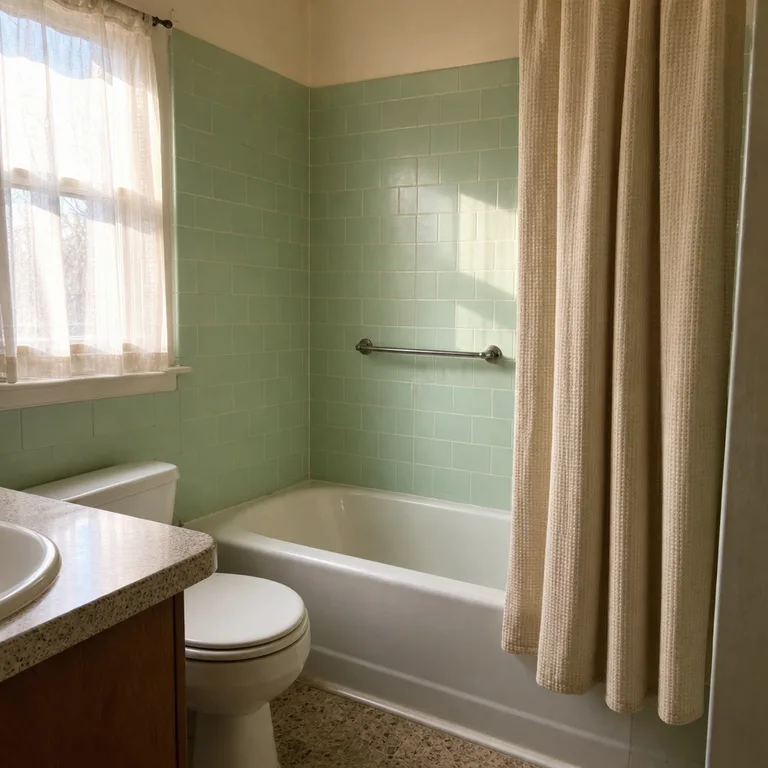
10 Shower Curtain Color Schemes That Work With Dated Bathroom Tile
October 16, 2026

7 Ways to Pair Mismatched Bedside Lamps So They Look Collected
October 16, 2026

10 Living Room Color Pairings for Dark Rental Floors You Cannot Change
October 16, 2026