6 Insect Barrier Setups for a Small Vegetable Patch
These six removable cover setups help a small vegetable patch exclude selected insect pests without turning the whole garden into a permanent structure. Match the cover’s mesh or fabric, support method, and timing to the crop, then check underneath for heat buildup, watering needs, and flowering plants that need pollination access.
As an Amazon Associate I earn from qualifying purchases.
1.Drape Lightweight Floating Row Cover Over Leafy Greens
Lay lightweight floating row cover directly over sturdy, low-growing greens such as kale, young cabbage-family plants, and salad crops. Leave generous slack so the fabric rises as plants grow, then secure every edge with staples, boards, or soil to limit insect entry.
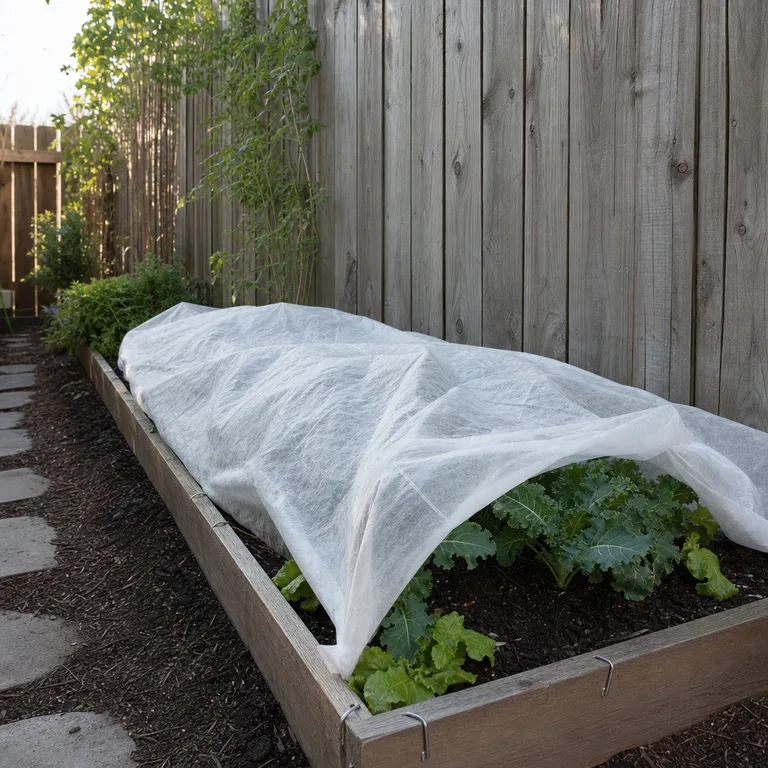
This is one of the simplest options for a short planting because it needs no frame and stores in a small bundle between seasons. Lift the fabric for watering and quick foliage checks, especially after strong wind or heavy rain has shifted the cover.
Choose a calm, cool stretch of weather when possible, since direct fabric can press on wet leaves and hold warmth around the crop. Reuse clean, undamaged pieces rather than replacing cover that still has intact edges.
Worth knowing: Direct cover is best for low, sturdy crops; taller plants can become flattened or outgrow it quickly.
2.Make a Low Fabric Tunnel for Broccoli and Cabbage
Set flexible hoops across a small brassica bed and drape row-cover fabric over the top to make a low tunnel. The cover stays above broccoli, cabbage, cauliflower, and similar foliage, giving plants more room than a direct drape.
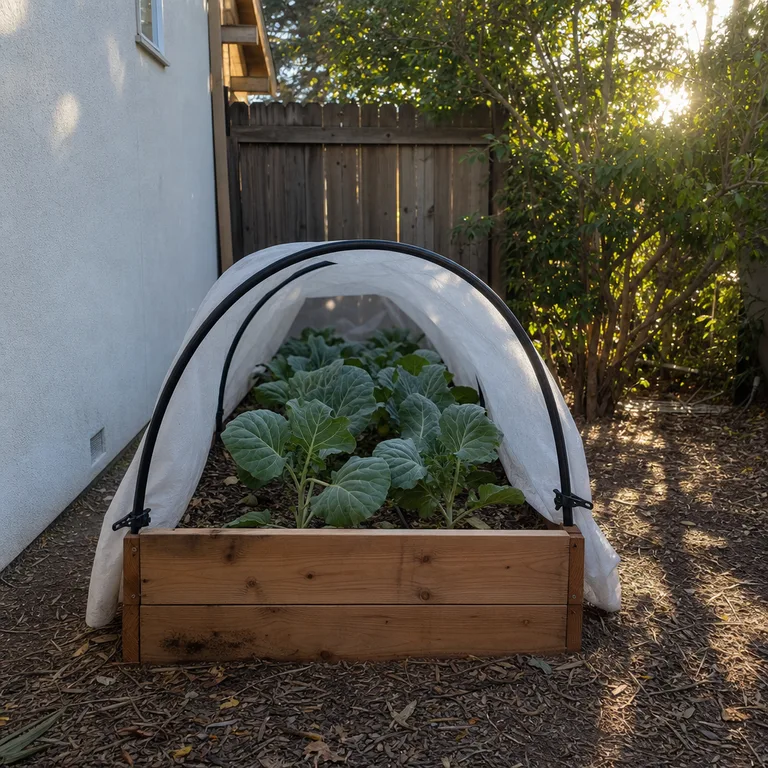
A tunnel is easier to open from one side for harvest, watering, and pest inspections. It also makes a more reliable seasonal barrier for crops that commonly attract leaf-feeding insects, provided the ends and lower edges are secured.
Use clips or ties that can be removed without tearing the fabric, and weigh down the bottom edge against wind. Open the tunnel during unusually warm weather if heat builds up, then reseal it once conditions cool.
Worth knowing: Hoops add setup work and can be awkward in a very narrow bed or an exposed, windy yard.
3.Use Fine Insect Mesh on Hoops for Squash Seedlings
Cover young squash or cucumber plants with fine insect mesh stretched over low hoops. The mesh creates a physical barrier while keeping the leaves off the material and allowing rain and air to pass through more freely than solid fabric.
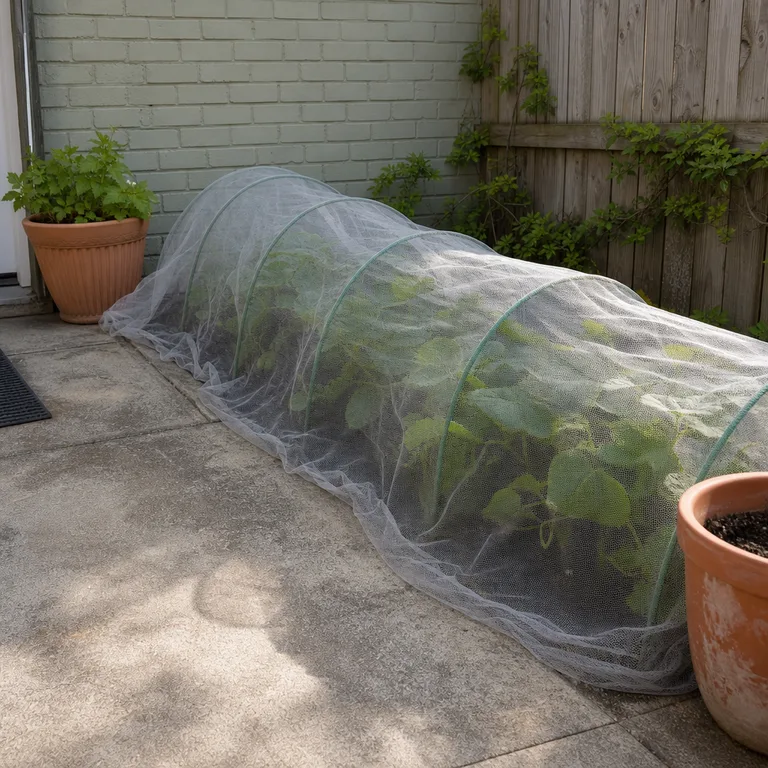
This setup is most useful during the early growth period, when protecting a few plants can be more manageable than treating a whole garden. Check the leaves regularly anyway, because a cover can trap pests inside if they were present when it was installed.
Open or remove the mesh when the crop begins flowering if it needs insect pollination, unless hand pollination is part of the plan. In hot climates, monitor plants closely under any cover, particularly on bright still days.
Worth knowing: Mesh must be opened or removed at flowering for many squash and cucumber crops, so it is not a hands-off solution all season.
4.Cover One Vegetable Container With a Drawstring Mesh Bag
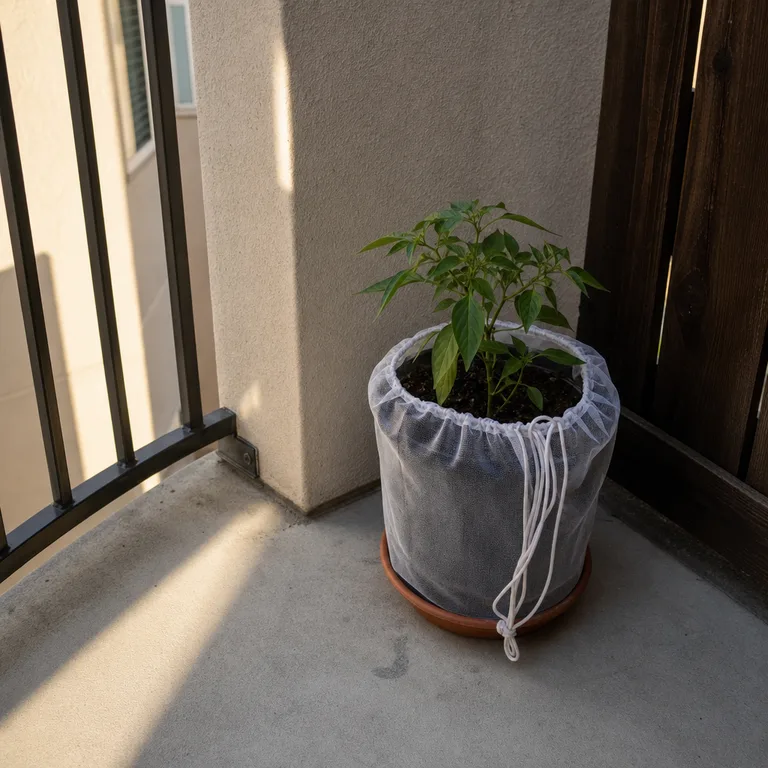
Place a roomy drawstring mesh bag over a single container-grown pepper, eggplant, or leafy vegetable, then cinch it around the pot rim rather than around the stem. This isolates one crop without adding a frame to a patio or balcony.
A bag cover is easy to lift off for watering, pruning, and harvesting, making it practical when only one plant needs protection. It is also a temporary choice for renters who cannot install permanent garden structures.
Keep enough space between the mesh and foliage so leaves are not constantly rubbed by the material. Container plants dry at a different rate in sun and wind, so check the potting mix rather than assuming rainfall has watered the plant adequately.
Worth knowing: A drawstring bag offers limited room for a mature plant and may need to come off once the crop starts flowering or becomes too tall.
Related: 9 Hand Watering Setups That Make a Small Container Garden Easier to Maintain
5.Build a Removable Mesh Lid for a Small Raised Bed
Make a simple wood frame that sits on top of a compact raised bed, then fasten fine insect mesh across it. A flat lift-off lid works well over short crops such as carrots, beets, lettuces, and young greens.
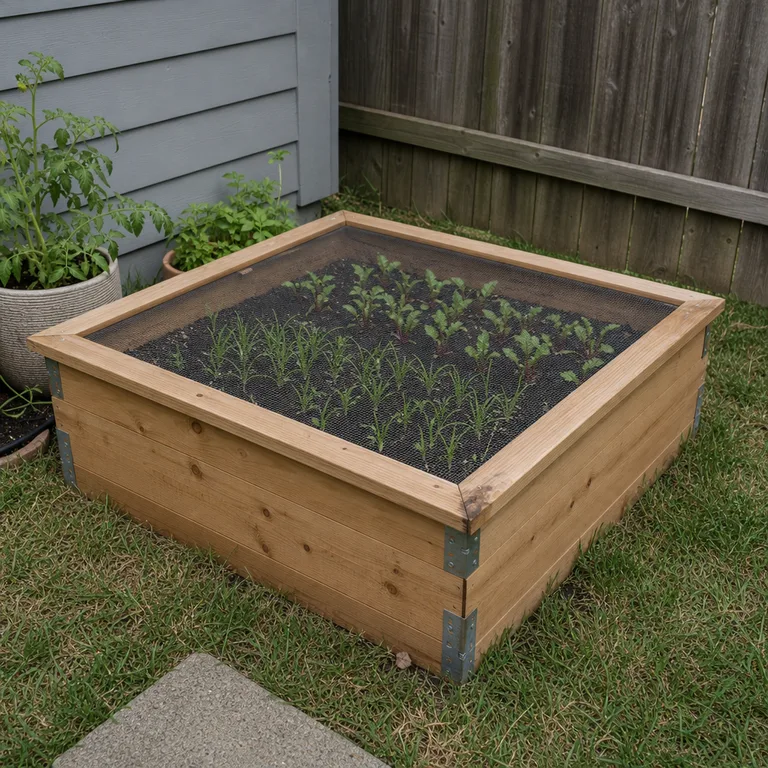
The frame gives the bed a neater, reusable cover than loose fabric and makes the barrier easy to remove in one piece for thinning, weeding, and harvesting. Use rot-resistant materials suited to outdoor exposure, and fasten the mesh firmly so wind cannot lift or tear it.
Build the frame to rest securely on the bed edges without scraping seedlings when it is moved. A slightly raised frame can give low plants more clearance, but it should still be light enough for one person to handle safely.
Worth knowing: A rigid lid has limited height, so it is unsuitable for crops that grow tall or need regular access for tying and training.
6.Anchor a Direct Cover Over Newly Sprouted Seedlings
For a short row of newly sprouted seedlings, lay lightweight cover gently over the plants and seal the entire perimeter with soil, wood strips, or reusable weights. The edge seal matters as much as the cover itself, since small openings can let insects reach the crop.
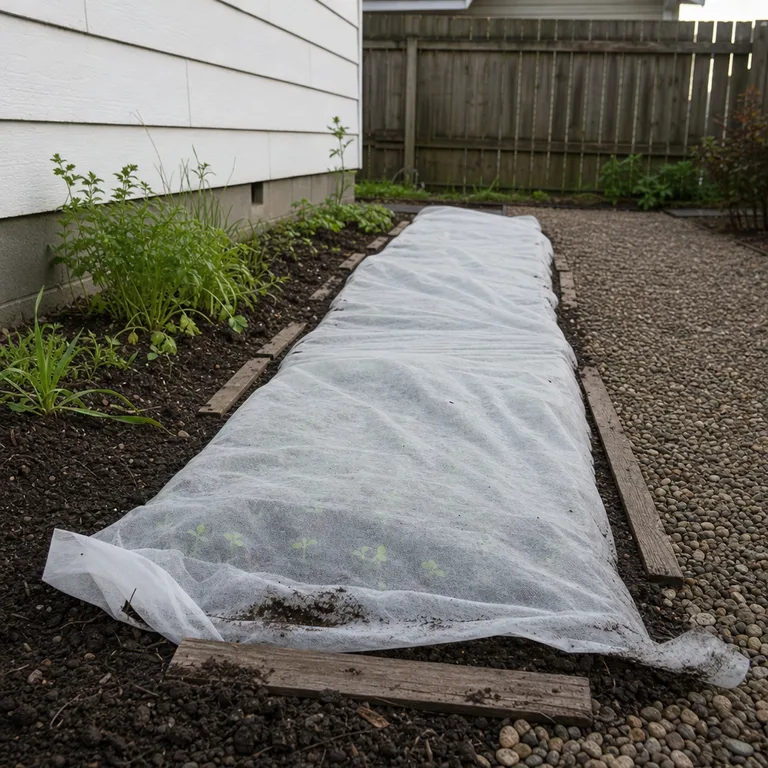
This low-cost approach is useful for a brief vulnerable stage, when seedlings are too small to justify a larger structure. It can be installed quickly after sowing or transplanting and removed as plants gain size.
Inspect the cover after rain, wind, or animal activity, smoothing folds and closing any new gaps. Lift it carefully to water and check growth, then replace it without pulling tender stems or burying leaves under heavy soil.
Worth knowing: Newly sprouted plants are easy to flatten under a cover, so this setup needs frequent checks and is only practical for a short period.
About the author
Dana Ruiz, Senior editor
Dana writes about small-space living, storage and low-cost decorating.
Keep reading

7 Narrow Foundation Bed Layouts for the Front of a Small House
October 31, 2026
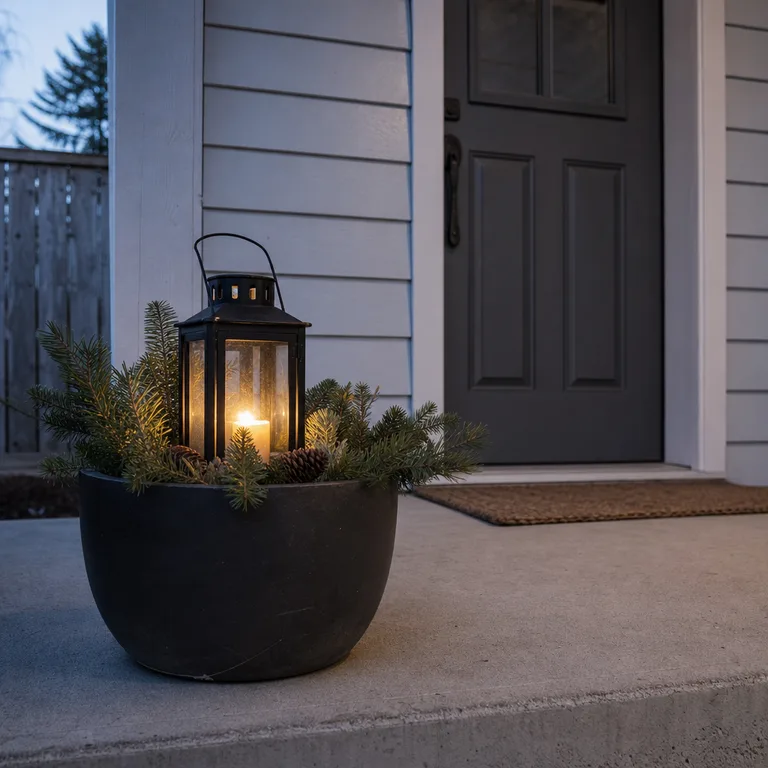
8 Christmas Porch Planters Using Empty Summer Pots
October 29, 2026

8 Small Front Yard Layouts for a Plain Rectangular Lawn
October 29, 2026
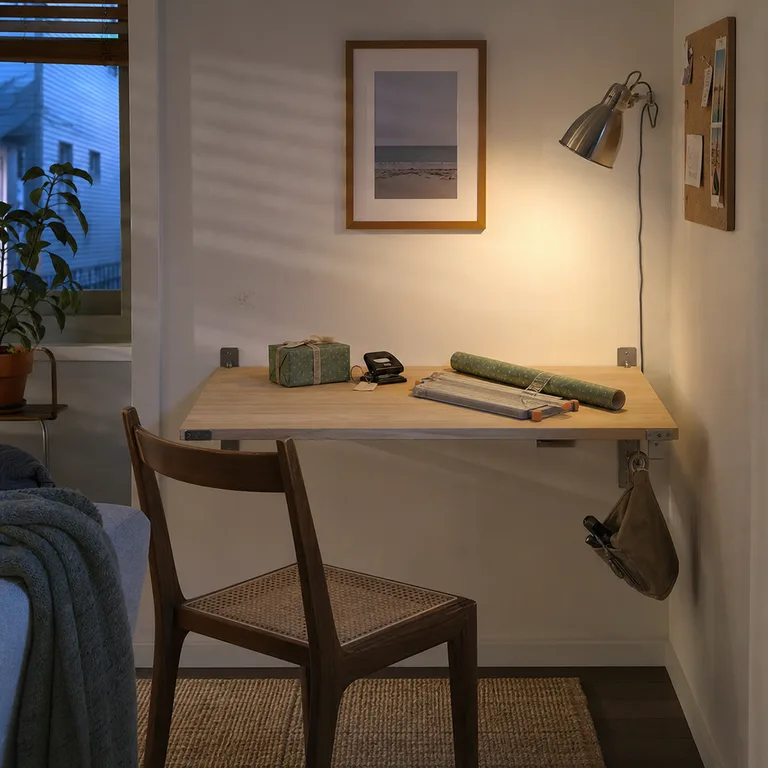
8 Christmas Gift-Wrapping Stations That Pack Away in a Small Home
October 31, 2026