10 Small Raised-Bed Garden Ideas for Beginners on a Budget
A small raised-bed garden gives new gardeners a defined place to learn soil, watering, and sunlight without taking on the whole yard. These compact layouts fit ordinary patios and lawns, with enough room to grow a few useful plants while keeping upkeep manageable.
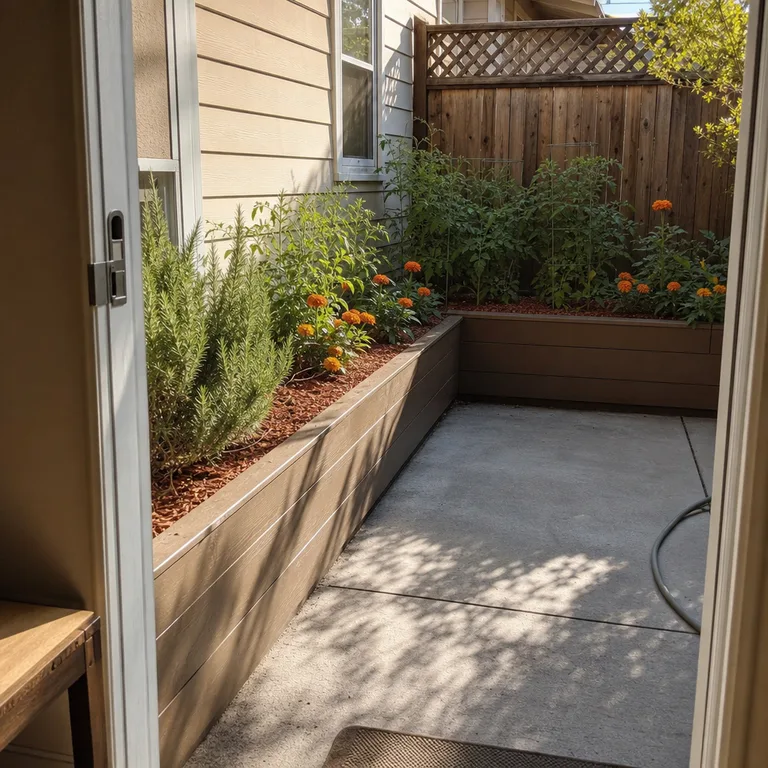
1.Start With One 4-by-4-Foot Wooden Bed Near the Back Door
One square wooden bed near a back door, patio, or kitchen entrance makes a sensible first growing area. It keeps watering, checking for pests, and clipping herbs close to daily routines instead of at the far end of the yard.
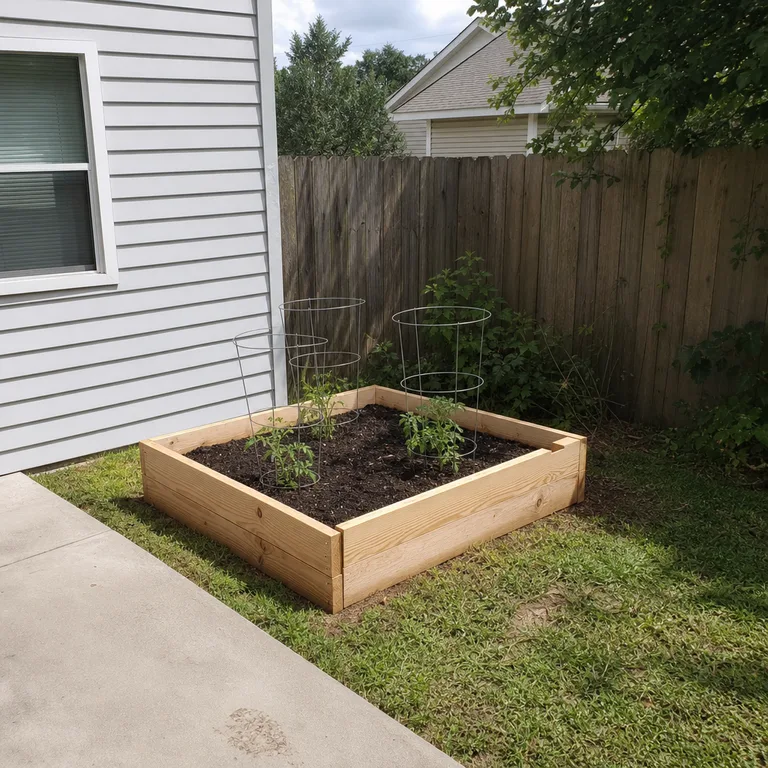
Choose the sunniest nearby spot that receives enough direct light for the crops you want to grow. A simple untreated or naturally decay-resistant wood frame is usually easier to build than a larger layout, and a clear walking strip around it keeps the soil from being compacted.
Worth knowing: A bed placed too close to the house may receive less sun than expected and can be affected by roof runoff or foundation drainage.
Related: 12 Container Garden Ideas for a Small Patio on a Budget
2.Use Two Narrow Beds With a Mulched Path Between Them
Two narrow beds with a path between them make it possible to reach the middle of each bed without stepping into the soil. This arrangement works well along a fence or at the edge of a small yard where one large bed would feel awkward.
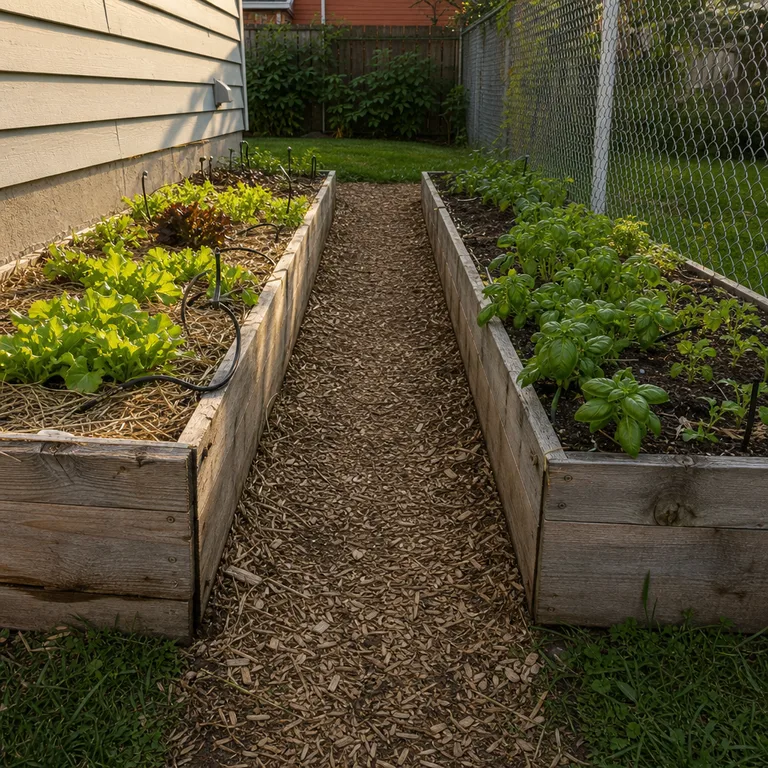
Cover the walkway with wood chips, shredded leaves, or another permeable mulch available locally. The path helps limit mud and weeds, while the narrow beds leave room for salad crops, herbs, bush beans, or a few compact vegetable plants.
Worth knowing: Loose path mulch breaks down over time and may need replenishing, especially in wet climates.
Related: 15 Budget Landscaping Ideas That Make a Small Yard Feel Finished
3.Build a Simple Open-Bottom Bed Over Existing Lawn
An open-bottom frame set directly on the ground is a straightforward way to begin without excavating deeply. Plant roots can eventually grow down into the native soil, and excess water has a place to drain rather than collecting in a sealed container.
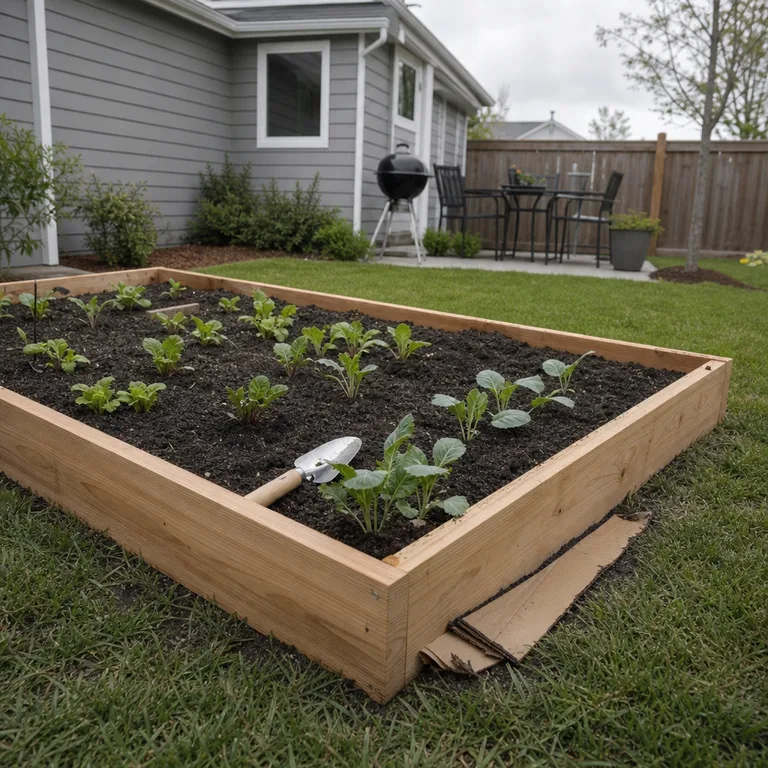
Remove the turf inside the frame or cover it thoroughly with plain cardboard before adding soil. Check the area after a heavy rain: a raised bed helps improve the growing zone, but it cannot solve a yard spot that stays saturated for days.
Worth knowing: Grass and persistent weeds can return if the lawn is not fully removed or smothered before filling the bed.
4.Choose a Shallow Salad Bed for Fast, Frequent Harvests
A low bed planted with leaf lettuce, radishes, parsley, chives, and other quick crops gives beginners frequent reasons to visit the garden. Small harvests make the space useful early in the season without requiring large plants or complicated supports.
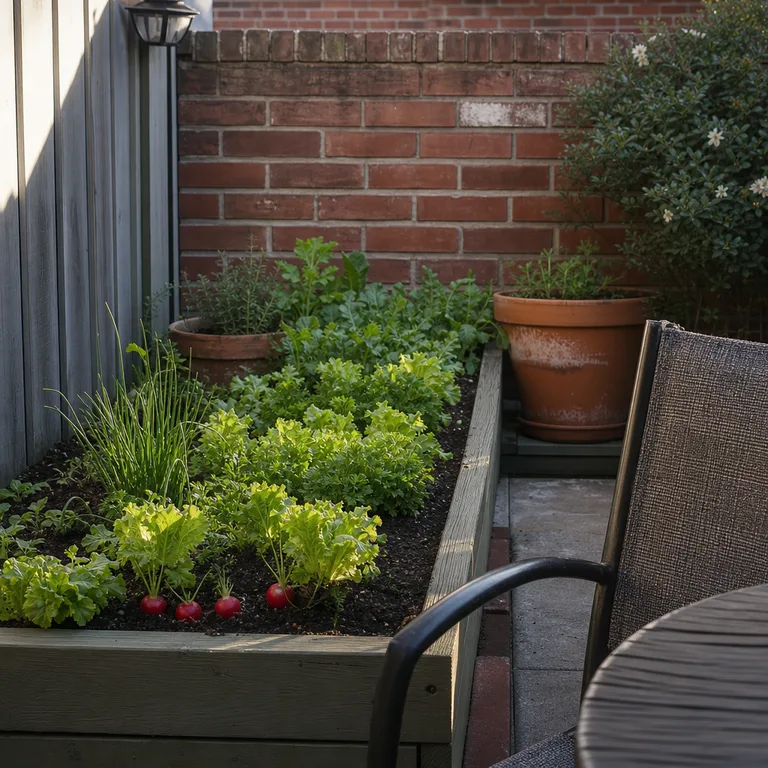
Use a loose, moisture-holding garden mix and sow short rows or small patches rather than filling the bed with one crop. Raised beds tend to dry faster than ground-level soil, so mulch lightly and monitor the bed closely during warm, windy weather.
Worth knowing: Shallow beds need more regular watering than deeper beds, particularly during hot spells.
5.Make an L-Shaped Bed Along a Sunny Patio Edge
An L-shaped bed can turn an unused patio corner into a defined planting area without taking over the whole outdoor space. The layout creates separate zones: herbs and low plants fit well on the shorter run, while taller vegetables can use the longer side.
Build the frame along an edge that does not block a doorway, seating area, or drainage route. Put the tallest plants where they will not cast afternoon shade on lower herbs and flowers, and leave enough patio space to water and harvest comfortably.
Worth knowing: A patio-edge bed can feel crowded if it narrows a main walkway or interferes with outdoor furniture.
Related: 12 Small Patio Seating Ideas on a Budget
6.Add a Trellis Bed for Beans or Cucumbers
A slim raised bed with a trellis lets beans or cucumbers grow upward, saving ground space for other plants. Vertical growth also makes foliage and fruit easier to see when checking for pests or harvesting.
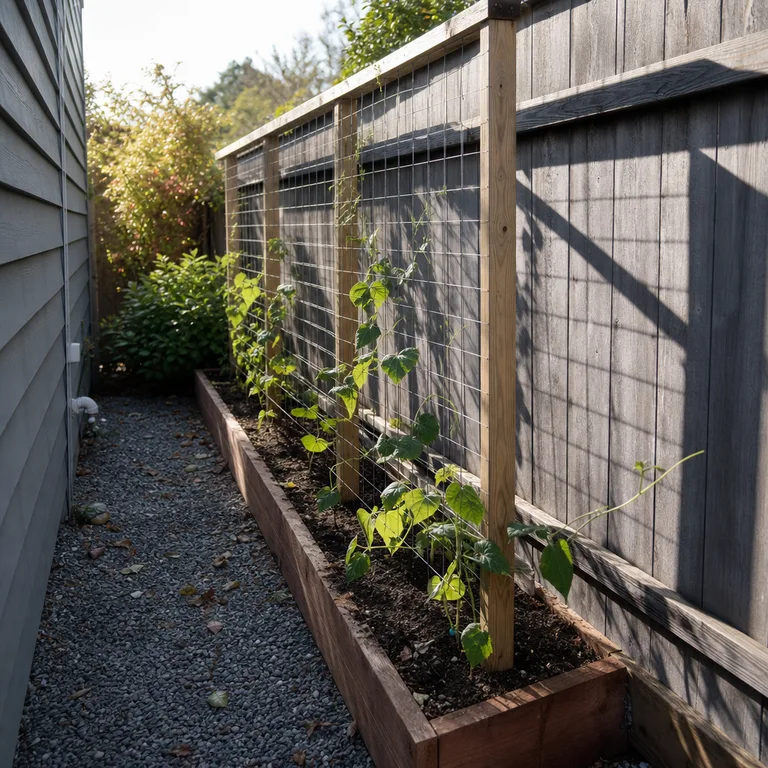
Use a simple structure made for outdoor use and secure it firmly to the bed or to posts set into the ground. In areas with summer storms, strong wind, or heavy wet vines, a lightly attached trellis can pull loose and damage the bed.
Worth knowing: Climbing crops need ongoing tying or guiding at the start, and a poorly anchored trellis may fail in windy weather.
7.Use a Taller Bed Where Bending Is Difficult
A taller raised bed brings soil closer to standing or seated height, making planting and harvesting less demanding on knees and backs. It can be a practical choice near a patio where a level, firm path is already available.
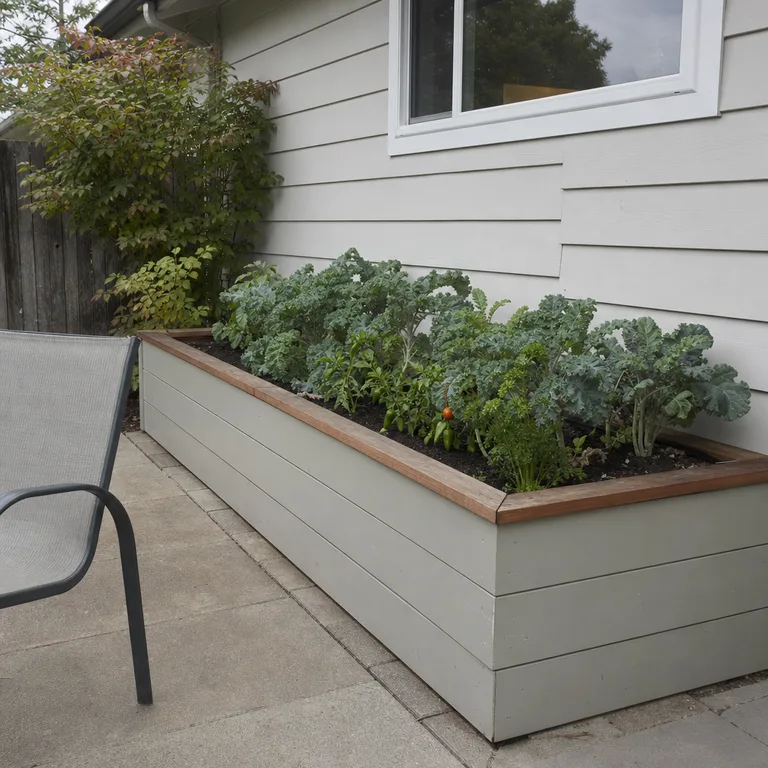
Keep the footprint modest to limit the amount of soil needed, and use strong framing with well-supported corners. A soil mix that holds moisture without becoming dense is especially important because the exposed sides of a tall bed can dry out faster.
Worth knowing: Tall beds require substantially more filling material and sturdier construction than low open-bottom frames.
8.Set a Fabric Grow Bag Cluster on a Sunny Rental Patio
Fabric grow bags create a flexible growing area for renters or anyone who does not want to build a permanent bed. Grouping several bags together can make a small patio feel like one garden while allowing different crops to have their own soil space.
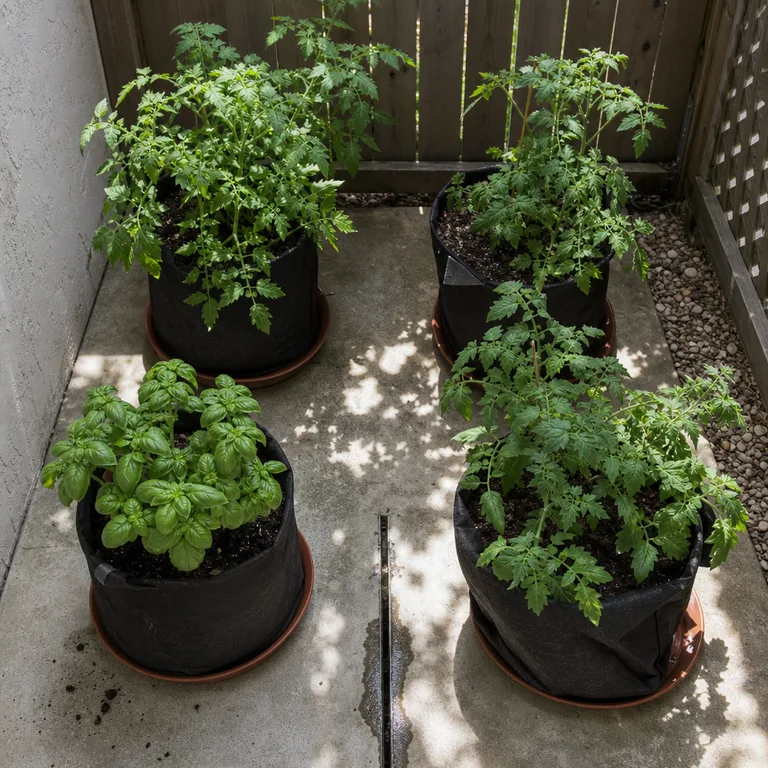
Set them where water can drain safely and where the patio surface will not stay constantly wet. Grow bags are easy to move when empty, but they dry quickly in sun and may need more frequent watering than a bed connected to the ground.
Worth knowing: Rental rules and patio drainage can limit where grow bags are allowed, particularly above another unit or near shared walkways.
9.Create a Pollinator Border Around One Vegetable Bed
A narrow border of low flowering plants around a vegetable bed adds color and gives pollinators a reason to visit the area. It also softens the plain edges of a new wooden frame without adding another major garden project.
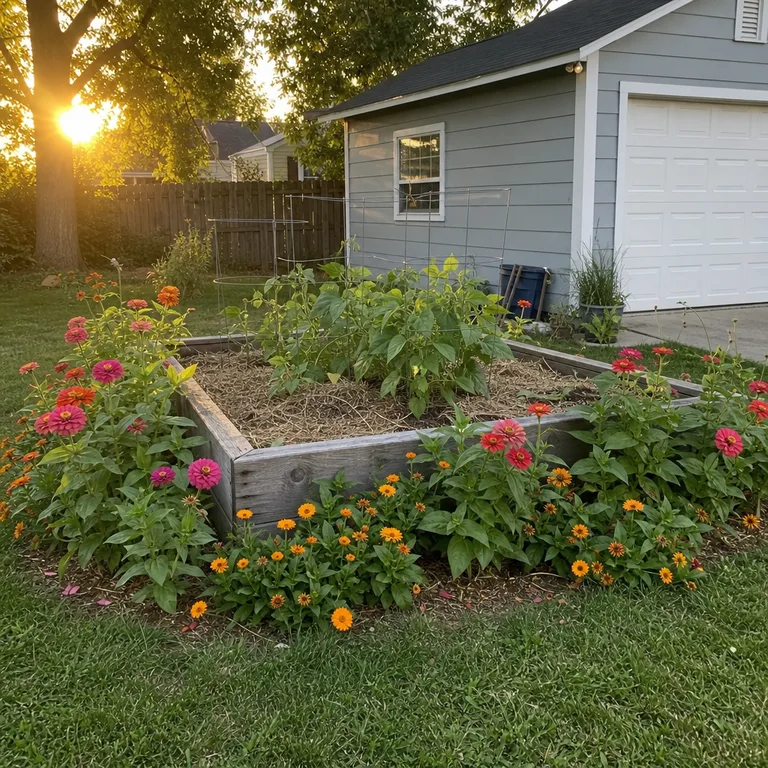
Choose flower types that suit the local growing season, and place taller varieties on the side that will not shade vegetables. Starting with a few easy annual flowers keeps the border simple; reseeding or replacing plants can be adjusted in later seasons.
Worth knowing: Flowers need deadheading, watering, or seasonal cleanup, so the border adds some maintenance beyond the vegetable bed itself.
10.Leave Space for a Rain Barrel and Watering Access
A small bed is easier to maintain when it sits within easy hose reach or near a permitted rain-collection setup. Convenient water access matters because raised soil can dry faster than in-ground soil, especially during heat, wind, or stretches without rain.
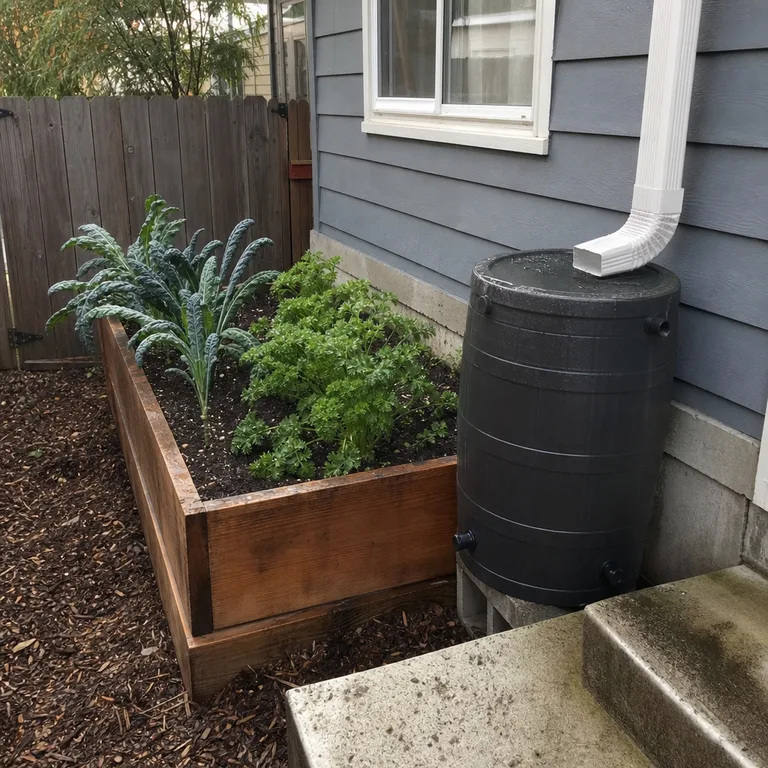
Keep the bed out of the direct path of downspout discharge so roof runoff does not flood the roots. Rain-barrel rules vary by location and property type, so local regulations and rental requirements should guide placement and overflow handling.
Worth knowing: A rain barrel may not provide enough water through a long dry period, and unmanaged overflow can create drainage problems near the house.
About the author
Dana Ruiz, Senior editor
Dana writes about small-space living, storage and low-cost decorating.
Keep reading
10 Ways to Tidy a Bare Dirt Corner Without Building a Patio
October 4, 2026
10 Garden Tool Storage Ideas When You Don't Have a Shed
October 4, 2026
10 Small Backyard Zone Ideas for Play and Quiet Seating
October 2, 2026
10 Fall Porch Planter Ideas Using Pots You Already Own
October 1, 2026