10 Seasonal Clothes Storage Ideas for Homes With One Closet
A single closet can handle two seasons of clothing when the current season stays within reach and the rest moves into protected, clearly defined storage. These renter-friendly ideas use existing furniture, overlooked vertical space, and removable organizers while keeping clean, dry garments away from damp or sun-heavy spots.
1.Store the off-season in labeled under-bed bins
Slide shallow lidded bins beneath the bed for folded shirts, jeans, sleepwear, and other durable off-season basics. This moves a large category out of the closet without adding a bulky piece of furniture to the room.
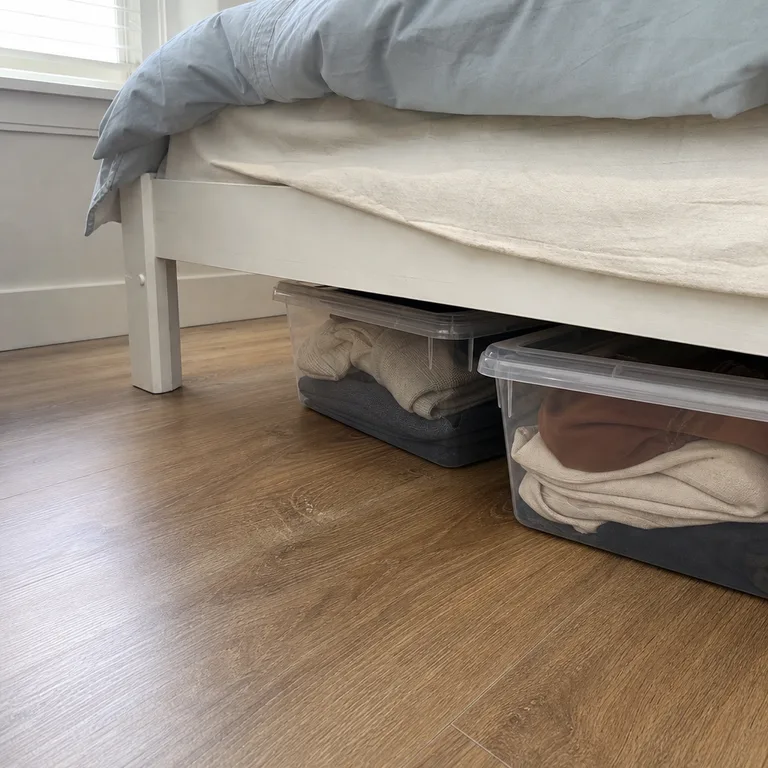
Choose bins that clear the bed-frame supports and can be pulled out without catching on a rug or floor transition. Fold only clean, completely dry clothes, group them by season or type, and add a simple label on the outward-facing end.
Worth knowing: This only works if the bed has enough open clearance; bins can also be awkward to access in a very narrow bedroom.
2.Use the top closet shelf for sealed fabric bins
Put lightweight folded clothes on the top closet shelf in lidded fabric bins. This is a good place for items that will stay packed until the weather changes, such as lighter layers during winter or cold-weather accessories during summer.
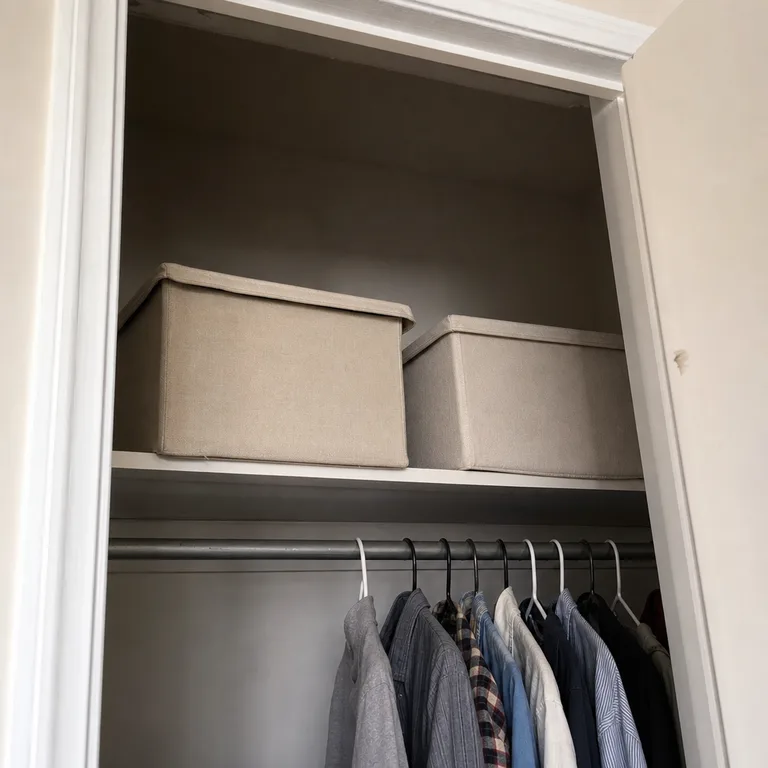
Use similarly sized bins so the shelf stays stable and each container can be lifted down without disturbing the rest. Keep the most often-used category closest to the closet opening, and avoid overfilling bins so lids close without crushing the fabric.
Worth knowing: A high shelf is not practical for heavy loads or clothes that need frequent access, especially without a stable step stool.
Related: 15 Small Closet Organization Ideas Without a Custom System
3.Divide one closet rod into current and stored sections
Keep daily clothing in the middle of the closet rod and shift less-used or off-season hanging pieces to one end. A removable rod divider, a ribbon marker, or a distinct group of hangers makes the boundary clear without changing the closet itself.
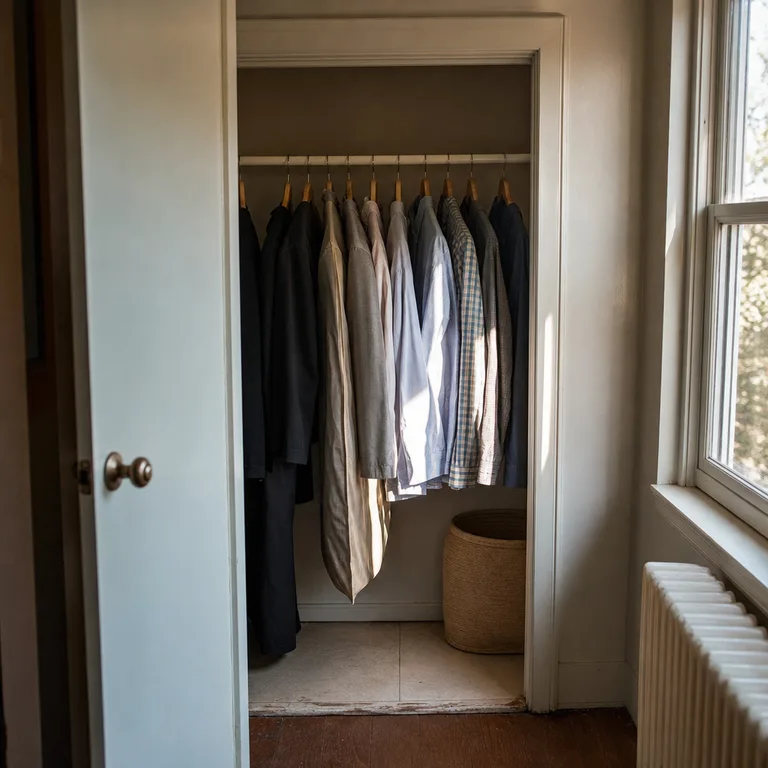
Use breathable garment covers for coats, dresses, and structured pieces that benefit from hanging. Leave some space between covered garments so air can circulate, rather than packing the entire rod tightly from end to end.
Worth knowing: This preserves hanging storage but does not create much extra capacity in a closet that is already full.
4.Turn a suitcase into a seasonal storage container
An unused suitcase can hold a compact group of folded off-season clothes while taking up no additional storage footprint. It works especially well for items that are easy to fold, including denim, T-shirts, casual trousers, and scarves.
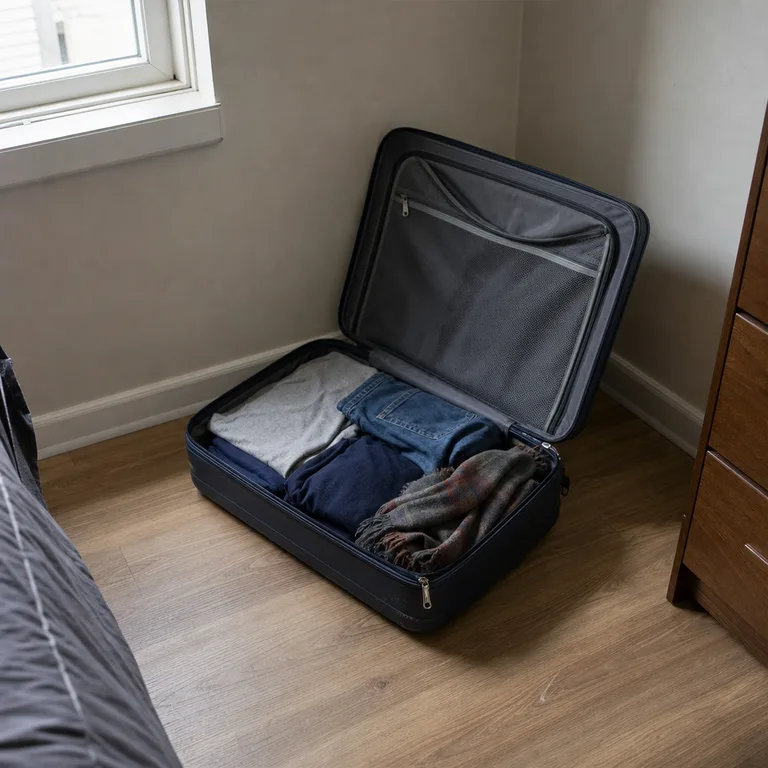
Pack garments clean and fully dry, then place a removable label on the handle or outer shell. Store the suitcase under a bed, on a sturdy shelf, or at the back of a closet, depending on its size and how often it will need to come out.
Worth knowing: A suitcase is less breathable than fabric storage, so it is not the best choice for damp items or clothes put away before they are fully dry.
5.Use a slim rolling cart for the next rotation
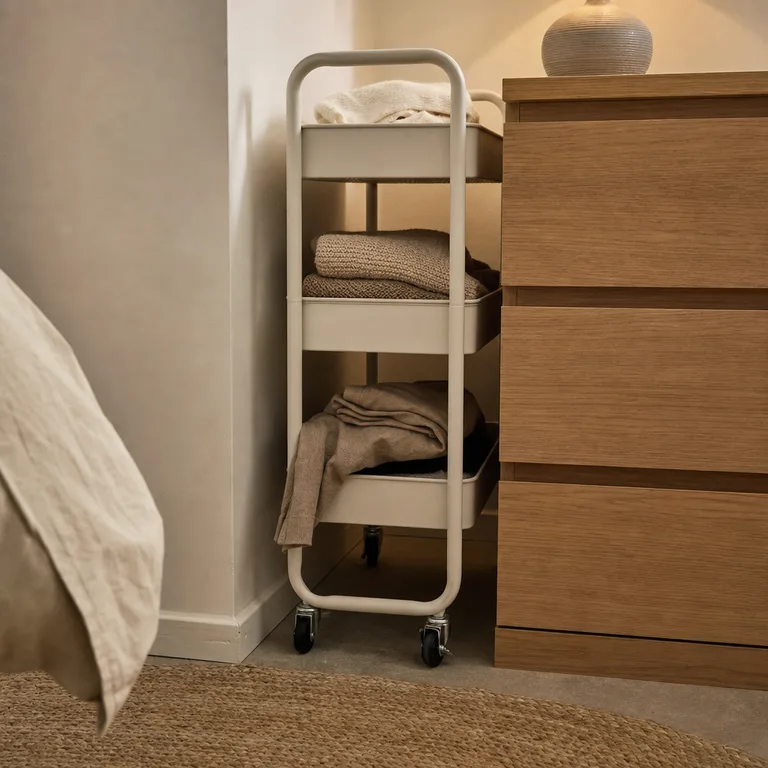
Set a narrow rolling cart beside a dresser or in an unused wall gap for the clothes most likely to return first. It can hold a small transition group, such as a few sweaters, rain layers, or warm-weather basics, without opening a large storage bin every time the temperature shifts.
Use the upper shelf for the next items to wear and the lower shelves for folded pieces still waiting their turn. A cart is also easy to roll closer to the closet during a seasonal swap, then tuck back into its usual spot.
Worth knowing: A rolling cart takes visible floor space and can make a tight bedroom feel more crowded if there is no clear parking spot.
6.Add removable hooks for garment bags behind the door
Use over-door hooks to hang a few breathable garment bags behind a bedroom or closet door. This keeps coats, occasionwear, dresses, and tailored pieces off the closet rod while helping them keep their shape.
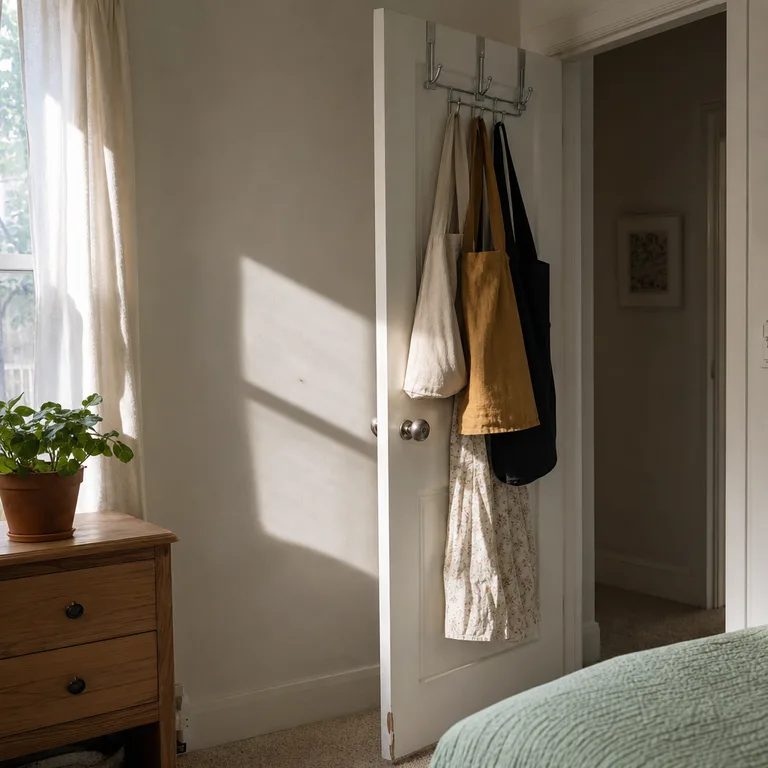
Check that the hooks fit the door thickness and that the door can still close without scraping the frame. Renters should also check lease terms before using adhesive hardware, and avoid loading hooks with more weight than the door or hook design can handle.
Worth knowing: Door storage can interfere with door swing, and it is not suitable for a large collection of heavy garments.
7.Fold heavy knits into breathable storage bags
Fold sweaters, cardigans, and other heavy knits into breathable zippered fabric bags instead of hanging them. Folding reduces stretched shoulders and frees rod space for pieces that truly need hangers.
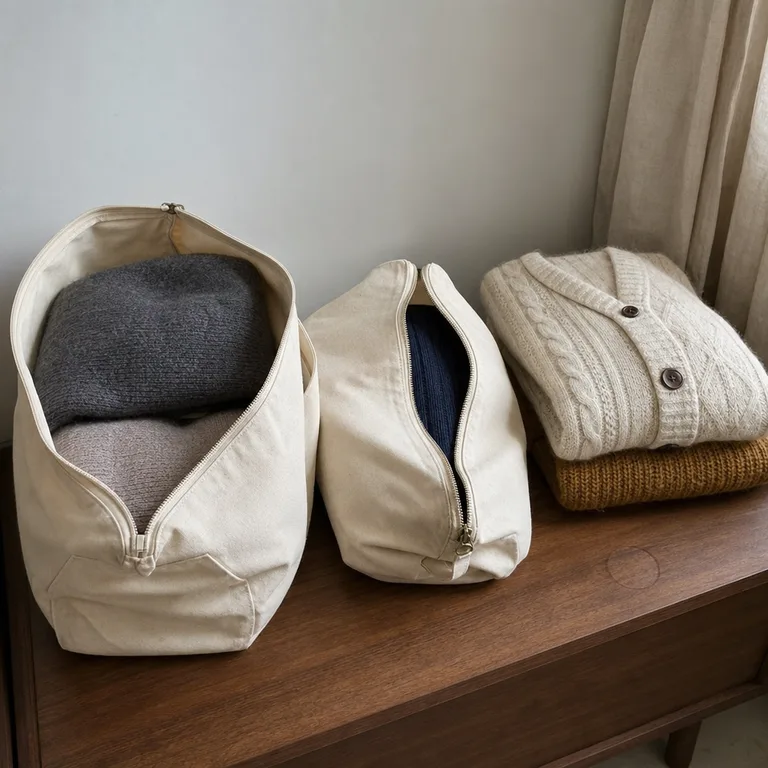
Follow the garment care label, particularly for wool, cashmere, and delicate blends. Avoid tight compression when the label cautions against it, and choose a dry storage spot away from direct sun and damp exterior walls.
Worth knowing: Fabric bags protect from dust but may not provide the same barrier as a rigid lidded container in a dusty or humid room.
8.Store seasonal clothes in a lidded ottoman
Use a lidded storage ottoman at the foot of the bed for lighter off-season layers and accessories. It gives scarves, hats, swimwear, or lightweight tops a defined home while also working as a useful seat for getting dressed.
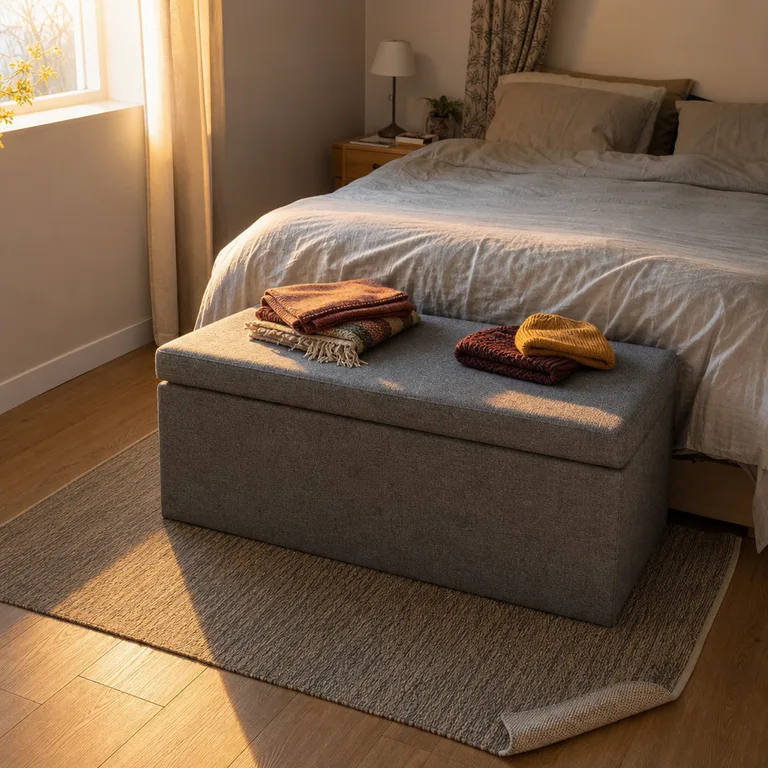
Keep the contents limited to soft, folded items so the lid closes easily and the ottoman remains comfortable to use. A washable liner or simple fabric bag inside can separate categories and make the next rotation quicker.
Worth knowing: An ottoman has limited capacity and may not suit a bedroom with too little space at the end of the bed.
9.Use drawer dividers to rotate small seasonal layers
Reserve one dresser drawer for small seasonal clothing such as gloves, base layers, swimwear, lightweight scarves, or sleepwear. Adjustable dividers keep these categories visible, so they do not migrate into the closet or get lost at the bottom of a bin.
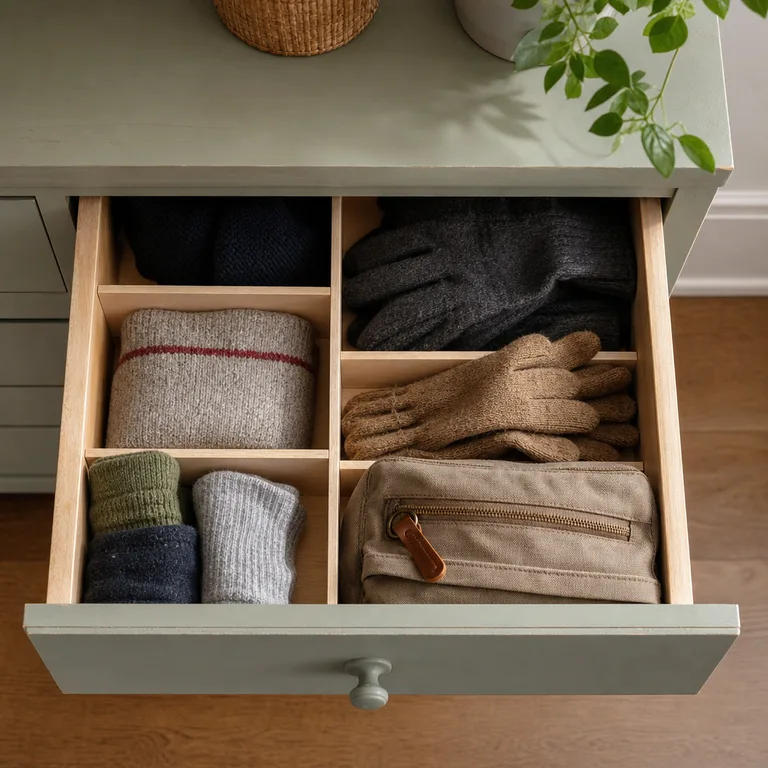
Change the drawer's contents with the season rather than trying to store every accessory there all year. Fold items to fit the divider sections and keep the current-season group at the front for easier daily access.
Worth knowing: This method depends on having a spare drawer and will not solve storage for bulky sweaters, coats, or large bedding-like items.
10.Keep a labeled rotation basket near the closet
Place one open basket near the closet for clothes being washed, repaired, donated, or moved between seasons. It contains the in-between stage of a closet swap, so clean clothes do not sit on a chair or spread across the floor.
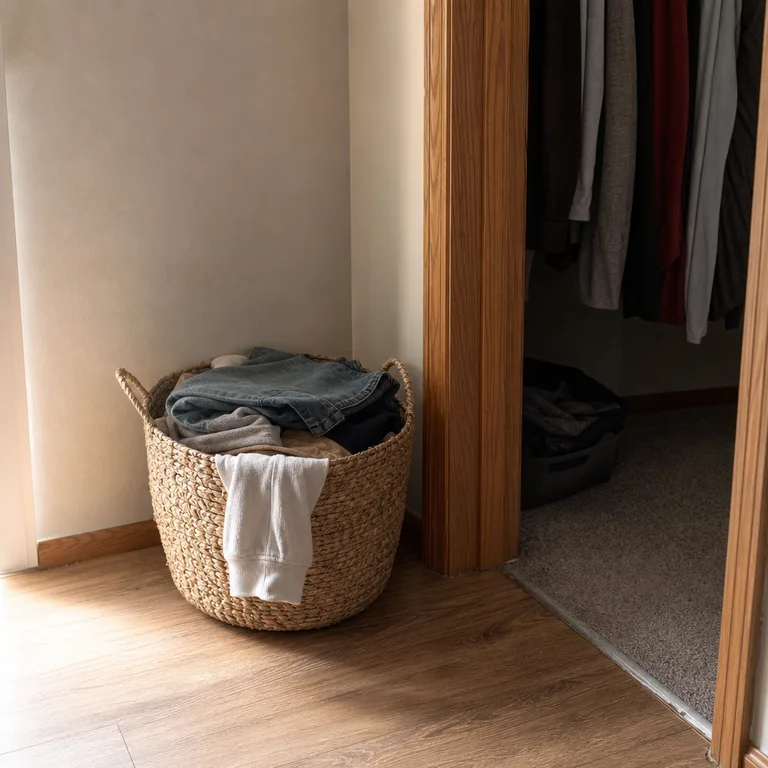
Use a tag or label to define its purpose and empty it regularly once the rotation is complete. A basket also makes it easier to carry a small batch of clothing to a laundry area or another storage spot without mixing it with everyday laundry.
Worth knowing: An open basket does not protect clothes from dust and should only hold short-term rotation items, not long-term off-season storage.
About the author
Dana Ruiz, Senior editor
Dana writes about small-space living, storage and low-cost decorating.
Keep reading
12 Small Desk Organization Ideas That Clear Your Work Surface
September 20, 2026
12 Under-Sink Storage Ideas That Work Around Pipes
September 19, 2026
12 Small Bathroom Storage Ideas When You Have No Linen Closet
September 19, 2026

15 Small Pantry Organization Ideas Without Matching Containers
September 19, 2026