10 Handbag Storage Ideas That Help Bags Keep Their Shape
These handbag storage ideas sort everyday bags where they are easy to reach while giving occasional bags protected space in the bedroom. Each approach uses existing shelves, drawers, doors, or under-bed clearance, with gentle support for soft bags and no weight hanging from delicate straps.
As an Amazon Associate I earn from qualifying purchases.
1.Divide one closet shelf into handbag bays
Add adjustable shelf dividers to create separate upright bays for clutches, shoulder bags, and medium structured purses. The dividers stop bags from leaning into each other, which helps corners and sides stay straighter.
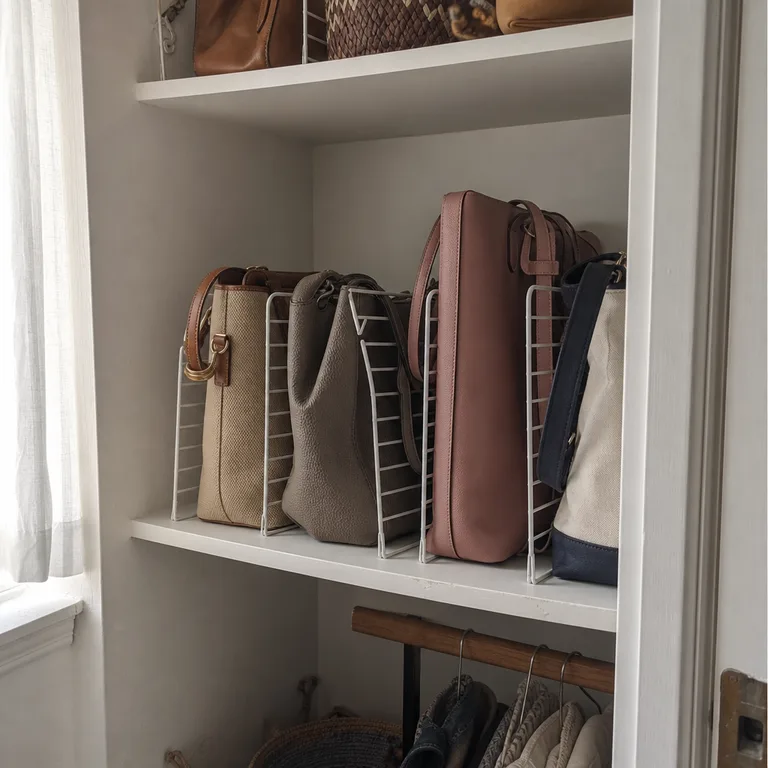
Group bags by height, with taller totes at one end and smaller bags where they remain visible. Wire dividers are a simple option for an existing shelf, while felt or acrylic inserts can be useful where bag surfaces may rub against metal.
Worth knowing: This works best on shelves deep enough for bags to stand without their handles being bent against the closet wall.
Related: 15 Small Closet Organization Ideas Without a Custom System
2.Keep structured bags in open cube compartments
Give larger structured bags their own cube compartment when possible. Separate compartments protect firm corners, handles, and hardware from getting caught on neighboring bags.
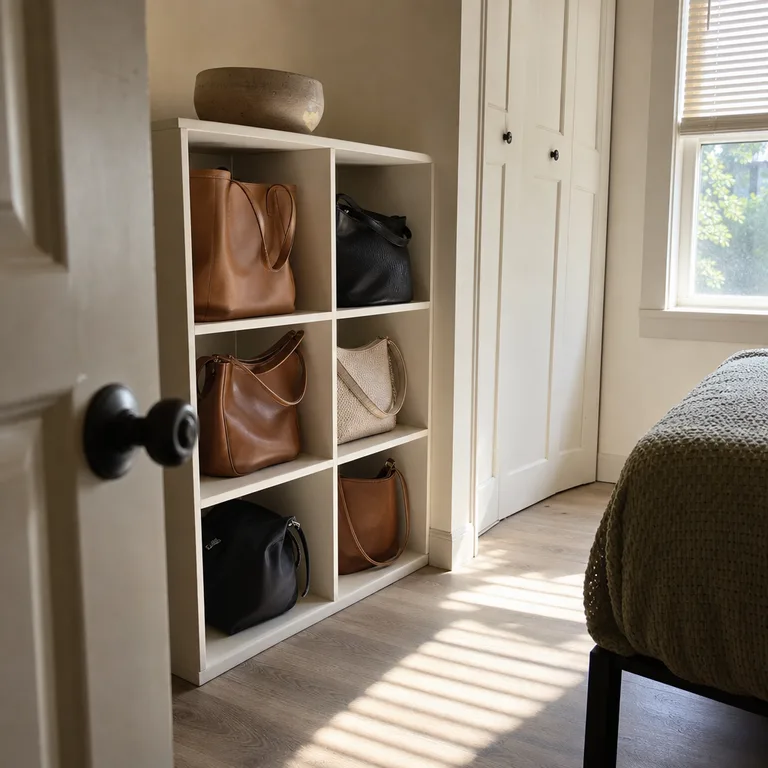
Use an existing bookcase or closet cube organizer rather than adding a dedicated handbag cabinet. A piece of non-slip shelf liner can keep a smooth bag from sliding forward, especially on slick laminate shelves.
Worth knowing: Cube storage can waste space if the compartments are much larger or smaller than the bags being stored.
3.Fill soft bags before storing them upright
Support hobo bags, slouchy shoulder bags, and soft totes with lightweight purse pillows, clean unprinted tissue, or folded cotton fabric. Gentle filling helps the bag stand without stretching its seams or forcing its shape.
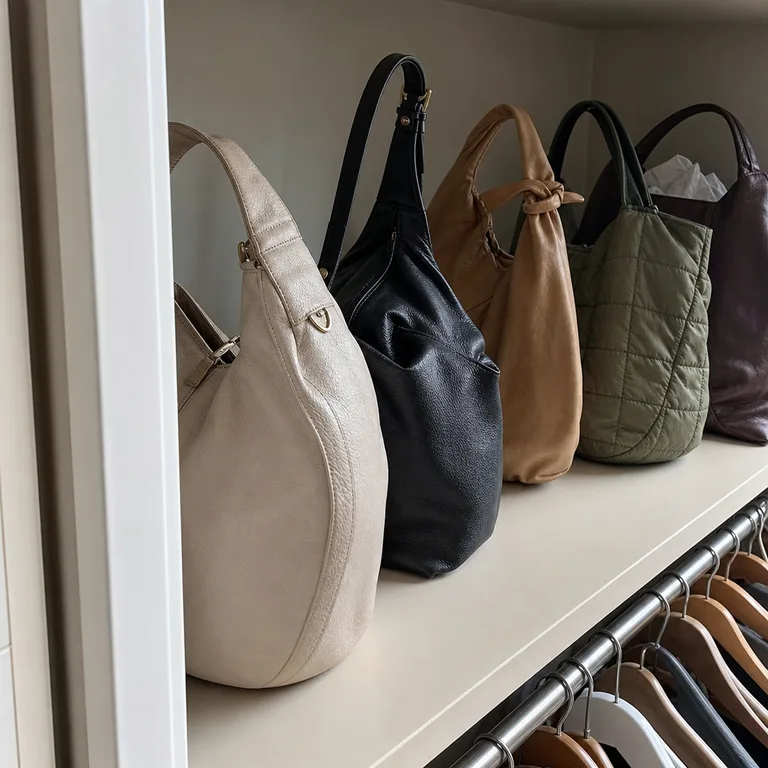
Arrange the widest soft bags at the back of a shelf and smaller ones in front, leaving a little breathing room between them. Avoid overfilling; the goal is to support the body of the bag, not make it rigid.
Worth knowing: Tissue and soft fillers need occasional checking, since they can shift or become crumpled when bags are moved often.
4.Slide infrequently used bags into breathable dust covers
Put special-occasion bags and seasonal purses into individual breathable dust covers on an upper closet shelf. Covers reduce dust buildup while keeping hardware from rubbing against nearby bags.
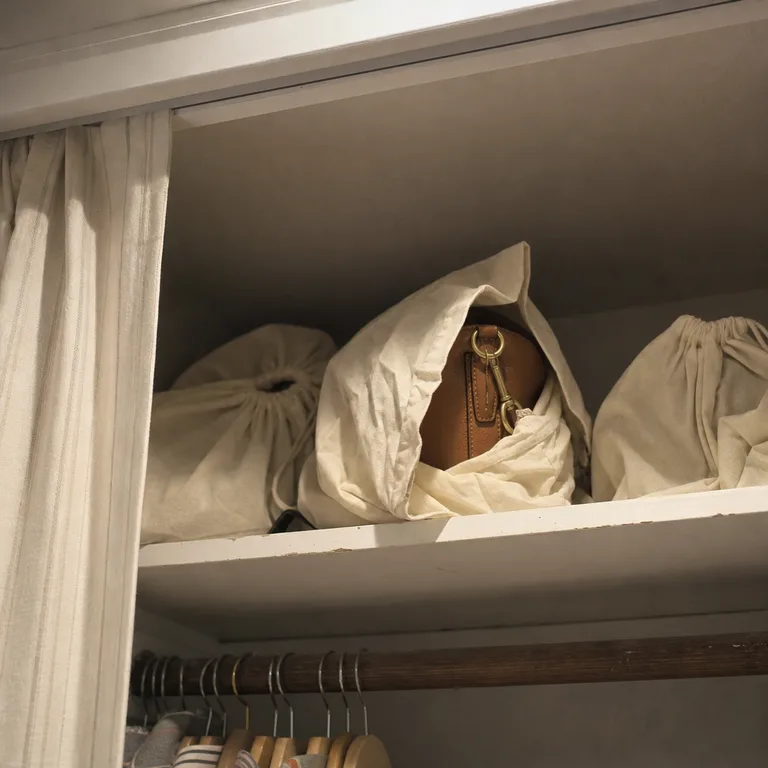
Lightly fill each bag first, then leave enough space so buckles, chains, and clasps do not press into another bag. Cotton or canvas covers are generally better suited to long-term closet storage than airtight plastic, particularly in rooms that can feel humid.
Worth knowing: Covered bags are less convenient to browse, so label covers simply or reserve this method for bags used only occasionally.
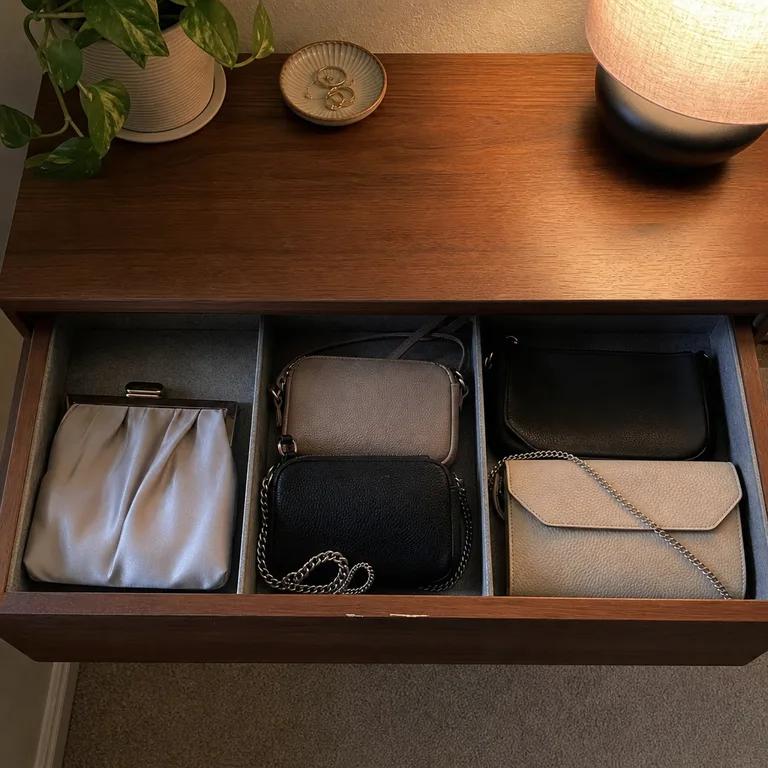
5.Use a shallow drawer for clutches and crossbody bags
Store flat clutches, wallets on chains, and small crossbody bags in a shallow dresser drawer. Laying them flat keeps delicate straps from bearing weight and makes small bags easier to see at a glance.
Line the drawer with felt or a folded fabric liner, then use low dividers to separate each bag. Coil chain straps loosely inside their own bag or a soft pouch so they do not tangle with buckles and zippers.
Worth knowing: A drawer must be deep enough for the bag to lie flat without pressing against the drawer above it.
6.Store tote bags in a tall laundry hamper
Stand canvas totes, market bags, and other unstructured carryalls in a tall empty hamper or basket near the closet. Larger totes can form an outer ring that helps smaller bags remain upright and easy to pull out.
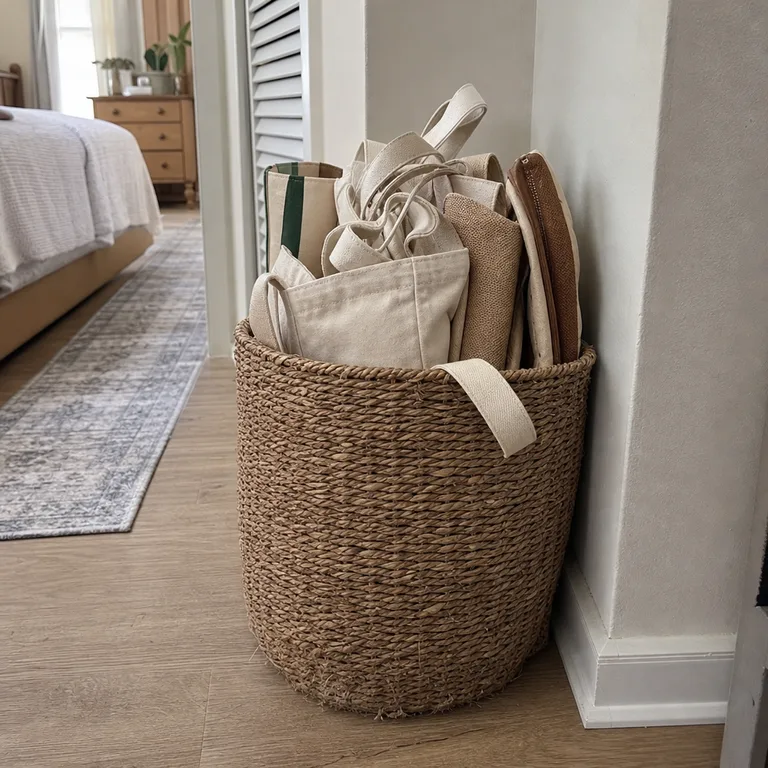
This is an affordable way to contain bags that collapse on a shelf and create a messy pile. Keep the basket in a dry room, and fold handles inward rather than leaving them sharply creased over the rim.
Worth knowing: A deep hamper can turn into a hard-to-search bin if it holds too many bags at once.
7.Turn an under-bed box into seasonal bag storage
Use low lidded containers for purses that are rotated by season or saved for formal events. Wrap metal hardware in soft cloth and separate each bag so clasps and chains do not scratch the bag beside them.
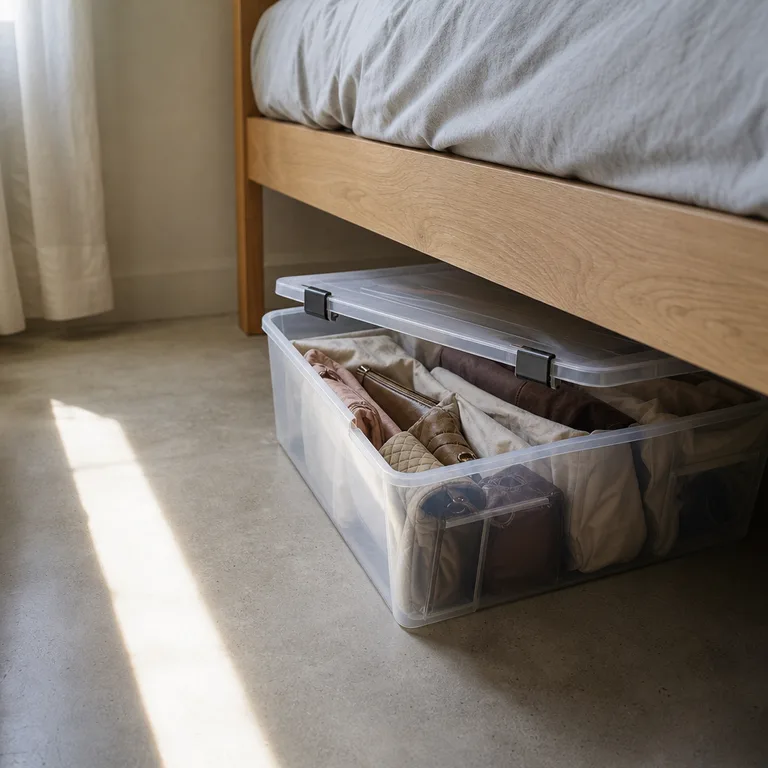
Choose a box that slides out without snagging on the bed frame, and avoid packing bags tightly enough to flatten them. Under-bed storage is most useful in a clean, dry bedroom rather than an area prone to dampness or dust.
Worth knowing: This option is less practical for handbags needed regularly because retrieving and repacking the box takes extra effort.
Related: 10 Under-Bed Storage Ideas That Are Easy to Reach
8.Use a door-mounted pocket organizer for lightweight bags
Put small nylon bags, fabric crossbodies, and lightweight foldable purses into deep pockets on the back of a closet door. The pockets use otherwise unused vertical space and keep everyday small bags from disappearing behind larger ones.
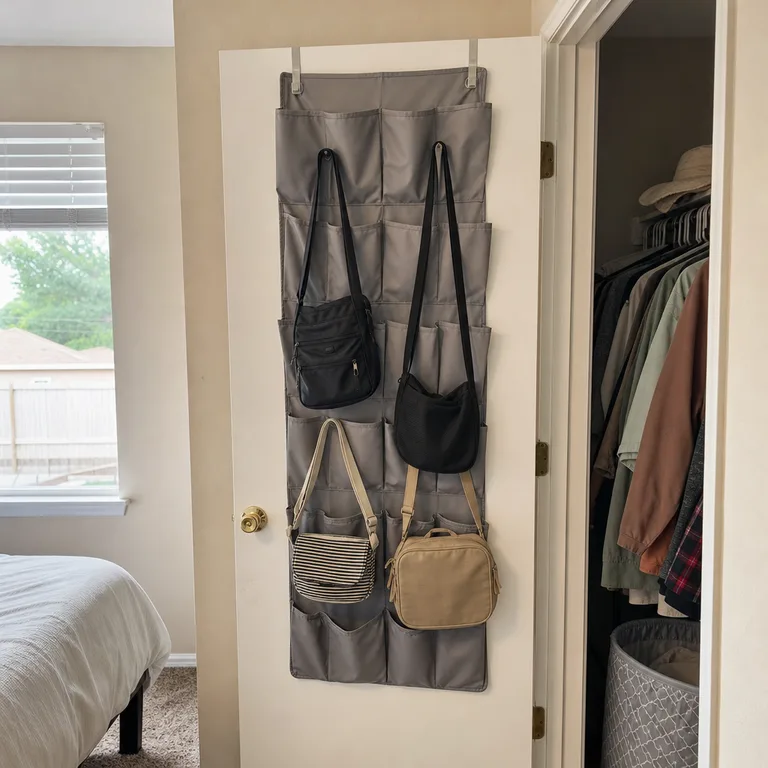
Choose an organizer with sturdy attachment points and pockets deep enough to hold each bag securely. Keep heavy purses, leather bags with delicate straps, and structured bags on shelves instead, since hanging weight can pull at straps and distort the organizer.
Worth knowing: Door organizers may interfere with a closet door that already fits tightly or has limited clearance behind it.
9.Add a narrow shelf above a dresser for display bags
Use a slim wall shelf above a dresser for a small group of handbags used most often. Spacing bags apart makes the collection look intentional while preventing handles and corners from catching on each other.
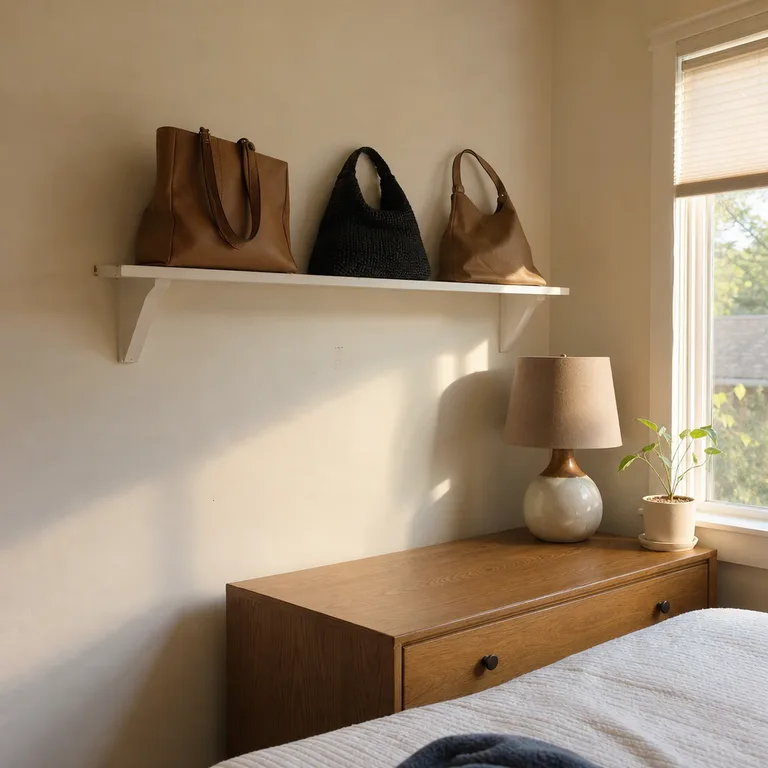
Install the shelf into suitable wall framing or use hardware designed for the wall material and the expected load. This approach is especially useful for attractive everyday bags, but it also keeps them exposed to household dust and direct sunlight.
Worth knowing: Renters may need landlord approval or a damage-free alternative before drilling into walls.
10.Group travel bags in a suitcase on the closet floor
Use an empty suitcase to hold travel pouches, foldable bags, and rarely used larger handbags. It turns a bulky item that already needs storage into a protected container for other occasional-use pieces.
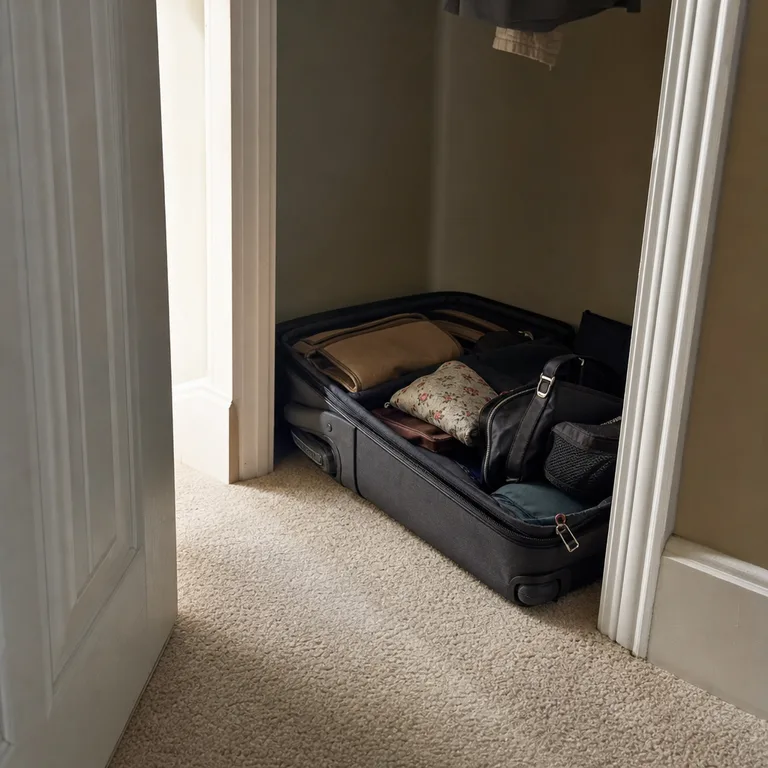
Nest items loosely with fabric between metal hardware and bag surfaces. Keep the suitcase on the closet floor only if the area stays dry, and avoid forcing a bag into a tight space that leaves permanent creases.
Worth knowing: A suitcase is not a good choice for structured bags that need to stand upright in their natural shape.
About the author
Dana Ruiz, Senior editor
Dana writes about small-space living, storage and low-cost decorating.
Keep reading
10 Baking Sheet Storage Ideas for Narrow Kitchen Cabinets
October 6, 2026
10 Charging Station Organization Ideas That Hide Everyday Cable Clutter
October 6, 2026
10 Blanket Storage Ideas for a Living Room Without Spare Closets
October 6, 2026
10 Food Container Storage Ideas That Keep Every Lid Easy to Find
October 4, 2026