10 Easy Decluttering Wins for a Home That Feels Too Full
A home can feel lighter through a few contained decisions rather than a whole-house purge or another set of bins. These ten categories focus on things that are often easy to identify, while protecting essentials, prescriptions, legal records, and items with a realistic use or repair plan.
As an Amazon Associate I earn from qualifying purchases.
1.Recycle Expired Paper Notices From the Living Room Catchall
Start with the coffee-table tray, entry bowl, or sideboard pile where paper tends to collect. Recycle expired coupons, old event flyers, past school notices, and appointment cards that no longer serve a purpose.
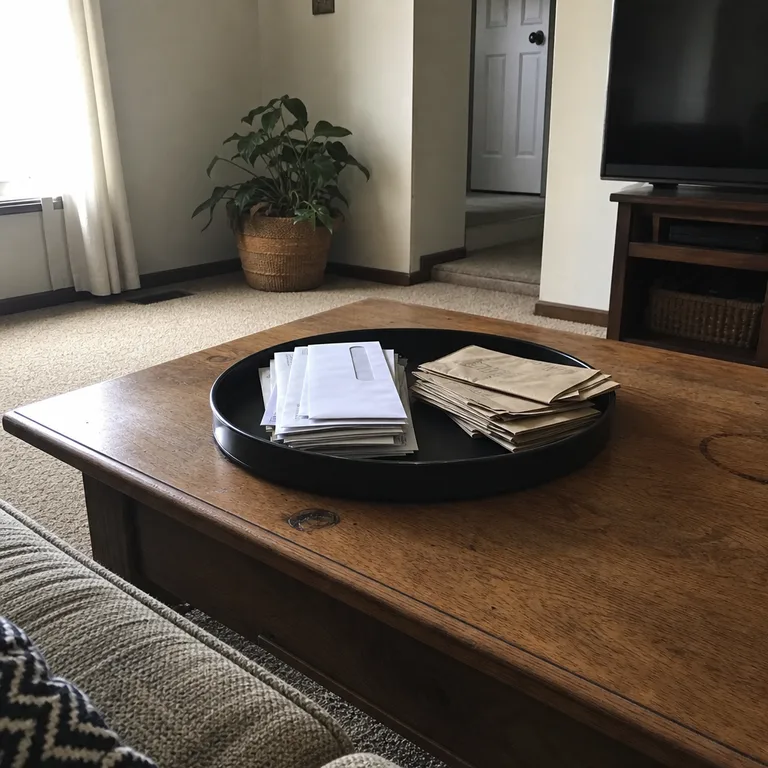
Keep current mail and paperwork that needs action in one small, visible spot. Legal records, tax documents, medical information, and anything still needed for an active account should stay out of the recycling stack.
Worth knowing: Paper can contain sensitive information, so shred it when needed rather than placing it in regular recycling.
2.Keep One Working Set of Duplicate Kitchen Tools
Open one crowded utensil drawer and pull out obvious repeats: several whisks, can openers, spatulas, measuring sets, or peelers. Keep the version that works best and is comfortable to use, then group clean usable duplicates for donation.
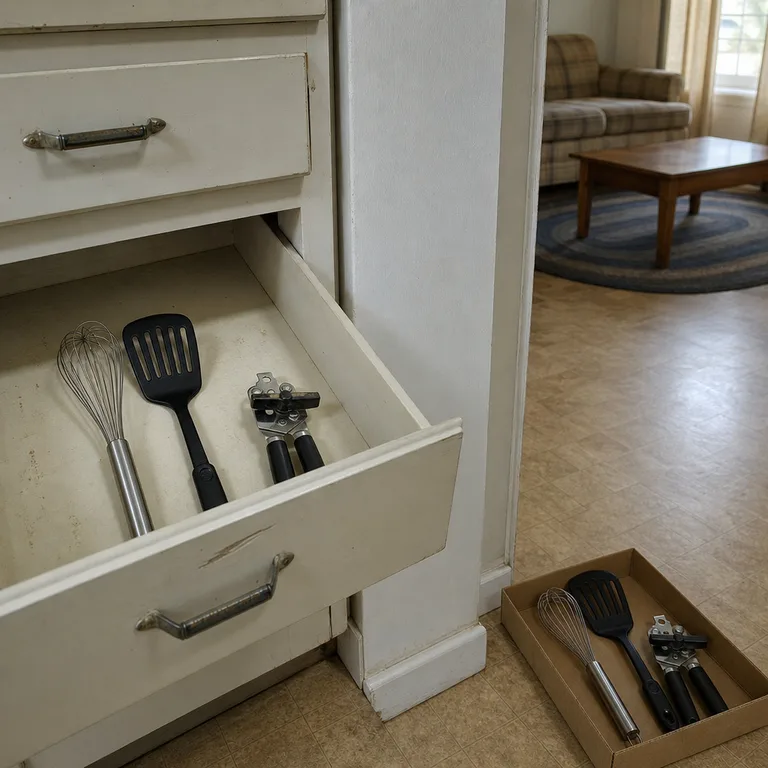
A drawer with fewer loose tools is easier to close, clean, and use while cooking. This is a practical clear-out because the retained items still cover ordinary kitchen tasks without requiring a new organizer.
Worth knowing: Keep extras that genuinely serve separate cooking areas, frequent group cooking, or a backup need that comes up regularly.
3.Rehome Promotional Mugs You Never Reach For
Look at the mugs pushed to the back of a cabinet or displayed on a beverage shelf. Keep the ones used for daily drinks, guests, or a specific memory, and set aside clean promotional mugs that are always passed over.
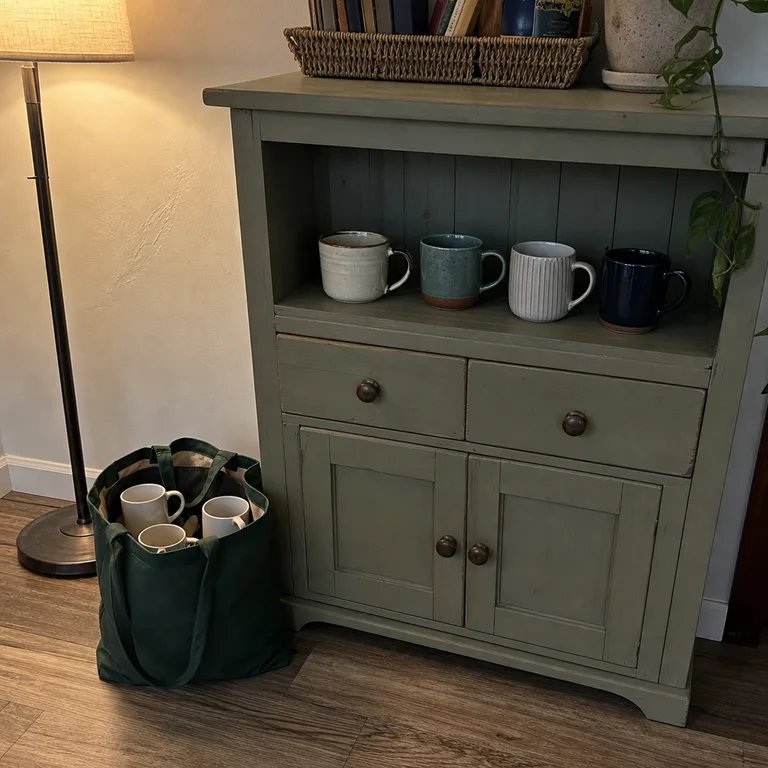
Removing a few unused mugs makes cabinet shelves easier to reach and gives the remaining collection a more intentional look. A sturdy tote or box can hold donation items until a suitable drop-off is available.
Worth knowing: Donation centers may decline chipped or cracked mugs, so check their condition and local acceptance rules first.
4.Break Down Empty Packaging Kept for No Reason
Flatten shipping boxes, product packaging, and paper mailers once any return period has passed and there is no real reason to keep them. Clearing these bulky items can open up a closet corner, living-room floor area, or space beside a desk quickly.
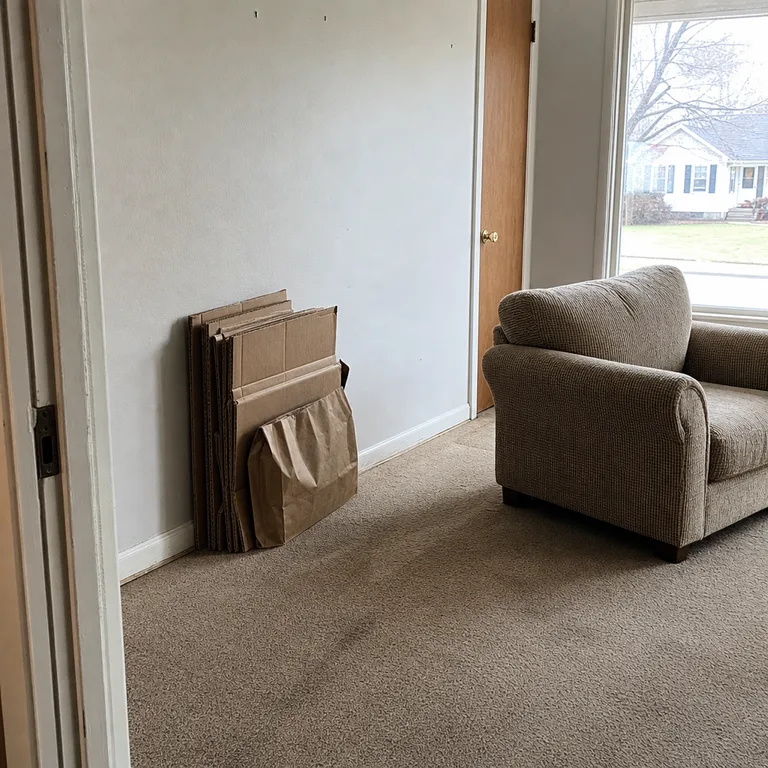
Save packaging only when it has a clear job, such as protecting an item for a planned move, return, or warranty-related shipment. Store that limited group flat and together rather than letting every box become a possible future use.
Worth knowing: Do not discard packaging needed for an active return, a planned move, or a manufacturer requirement that has been confirmed.
5.Sort Damaged Accessories That Have Gone Unworn
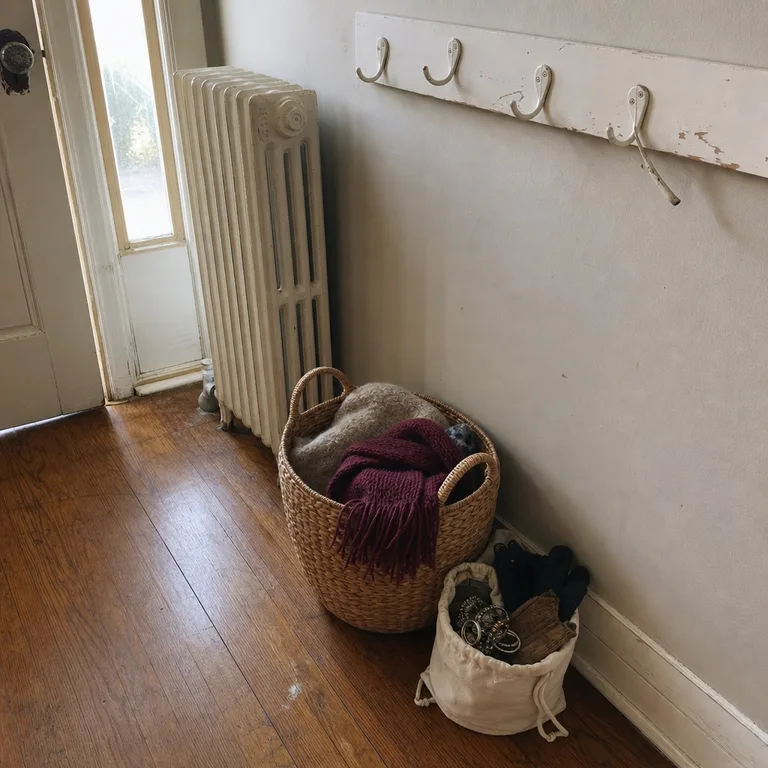
Check the entry basket, coat closet, or dresser drawer for scarves with heavy wear, unmatched gloves, broken costume jewelry, and accessories that have not been usable for a long time. Keep pieces with a specific repair path, a matching mate, or real sentimental importance.
This category often takes little space on its own but creates visual clutter when damaged items mingle with things that are ready to wear. Use a small pouch to separate items for textile recycling, accessory recycling, or repair instead of returning them to the everyday pile.
Worth knowing: Textile and accessory recycling options vary by area, and some materials may need to go in regular trash if no local program accepts them.
6.Remove Decorative Fillers That Only Collect Dust
Consider artificial fruit, loose vase beads, dried moss, tired faux greenery, and other small decorative fillers that no longer add anything to the room. Keep only the pieces that still suit the space and can be cleaned without becoming another chore.
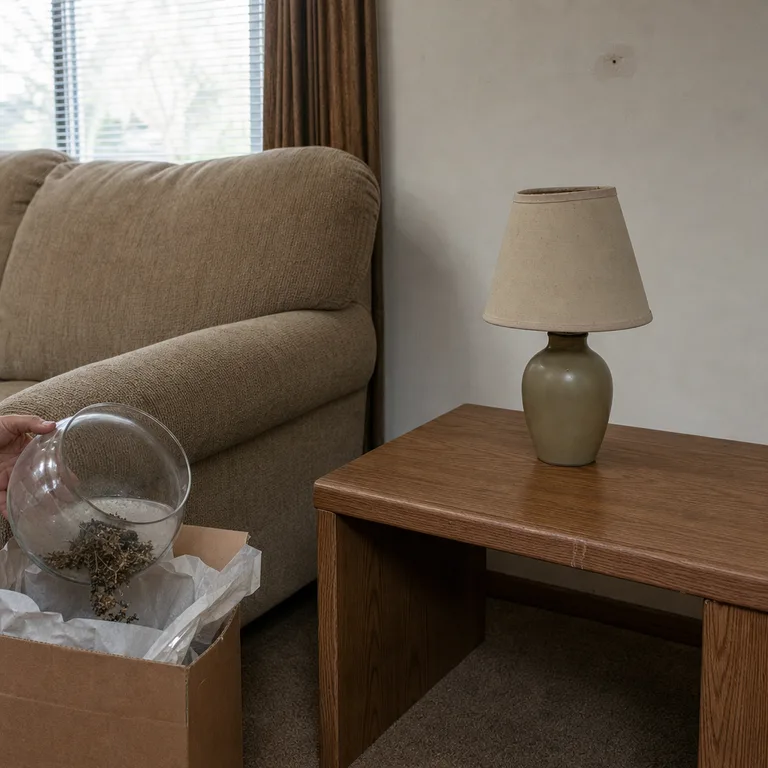
A cleared side table, shelf, or bowl can look calmer with fewer objects, not more replacements. Gather unwanted filler in one box for donation, reuse, or disposal based on its condition and material.
Worth knowing: Some seasonal or sentimental decor may be worth keeping if it has a defined storage place and is used consistently.
7.Let Go of Reusable Containers That No Longer Fit Your Routine
Pull together food containers and match each base with a lid. Keep a workable set for leftovers, lunches, and the way the household actually eats, then separate warped, stained, cracked, or lidless extras.
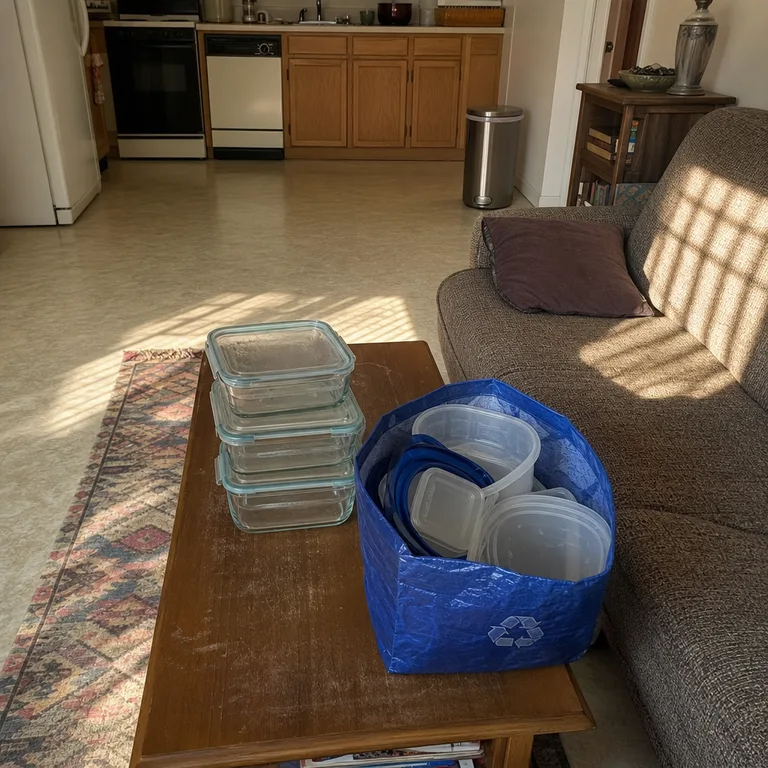
A shorter stack of matching containers is easier to put away and less likely to spill into nearby cabinets. Glass, plastic, and silicone all need different care, so follow local recycling rules rather than assuming every container can go in curbside recycling.
Worth knowing: Keep containers needed for regular batch cooking, packed lunches, or freezer storage, even if they are not used every day.
8.Release Hobby Starter Kits Left Unused
Look for unopened or lightly used hobby kits that were bought with good intentions but no longer appeal. Keep supplies for an activity with a realistic next step, enough usable material to begin, and a place where it can be done.
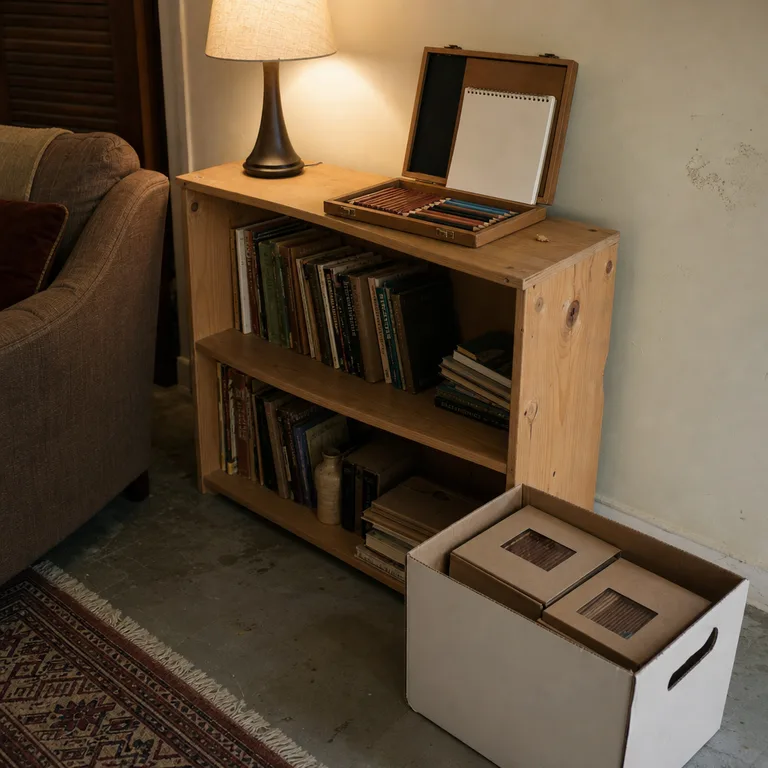
Unused kits can take up valuable shelf and closet space because they are often stored as a promise rather than an active interest. Unopened and complete kits may be useful to a school, community group, friend, or donation center if accepted.
Worth knowing: Avoid donating items with dried-out, leaking, or unsafe materials; dispose of those according to local guidance.
9.Recycle Duplicate Instruction Manuals After Checking Online Copies
Sort manuals from products that are still in use, then keep only the instructions that are hard to replace or useful for troubleshooting. Duplicate booklets and manuals for items that are gone can usually leave once an online copy is confirmed or no longer needed.
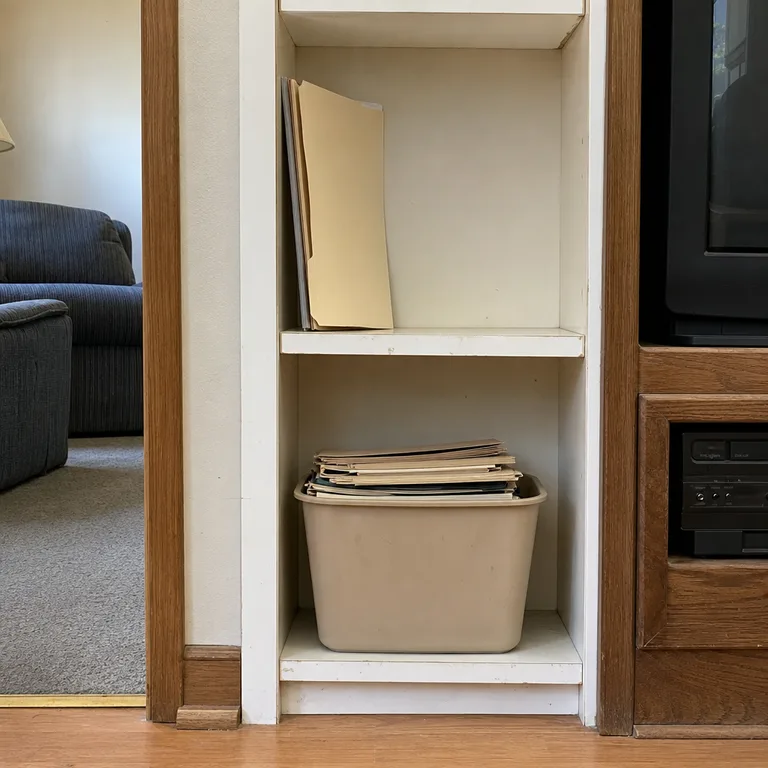
A slim folder for necessary appliance information takes less room than a mixed stack of old paperwork on a shelf or in a drawer. Label the folder by product type so important instructions are easy to find without holding onto every booklet.
Worth knowing: Keep manuals that contain model details, warranty information, or safety guidance that cannot be reliably accessed online.
Related: 10 Ways to Decorate Around a TV Without Buying a New Console
10.Decide Whether Broken Items Have a Realistic Repair Plan
Set aside broken lamps, remotes, frames, and small household objects, then ask whether the needed part, repair skill, and time are actually available. Keep an item only when there is a specific plan, rather than returning it to a drawer or shelf for an undefined future repair.
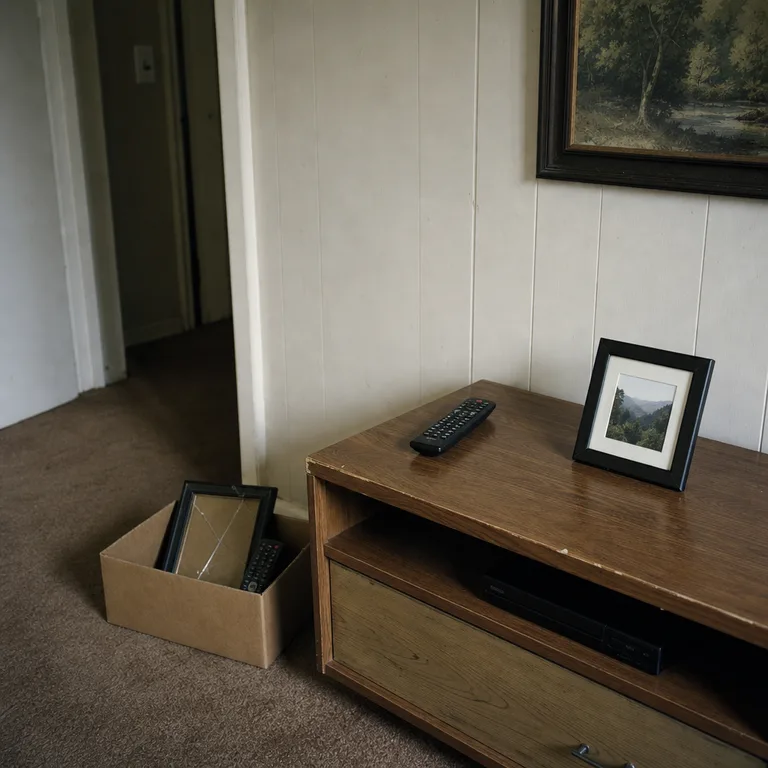
Items without a realistic repair path can be recycled, donated for parts where accepted, or disposed of properly. Separating working items from broken ones immediately makes a media console, entry table, or closet feel more functional.
Worth knowing: Electronics, batteries, and hazardous materials need appropriate disposal routes, so do not place them in household recycling unless local rules allow it.
About the author
Dana Ruiz, Senior editor
Dana writes about small-space living, storage and low-cost decorating.
Keep reading
6 Budget Umbrella Storage Ideas to Keep a Small Entryway Dry
November 6, 2026
8 Budget Baseball Cap Storage Ideas That Avoid Crushing
November 6, 2026
8 Budget Ways to Organize a Small Chest Freezer
November 5, 2026

10 Cottagecore Decor Ideas That Bring Collected Charm to a Plain Room
November 6, 2026