9 Budget Garden Focal Point Ideas With Secondhand Finds
A single sturdy secondhand object can give an existing bed, patio edge, or bare corner a clear focal point without turning the garden into a collection of small containers. Choose weather-suitable materials, keep the object stable, and let one restrained planting or seasonal detail support its shape.
As an Amazon Associate I earn from qualifying purchases.
1.Set a Weather-Suitable Chair Beside One Planted Pot
A solid metal, hardwood, or painted outdoor chair can give a quiet bed a clear destination. Set it at the back or side of the planting, angled toward a path so its shape is visible as people approach.
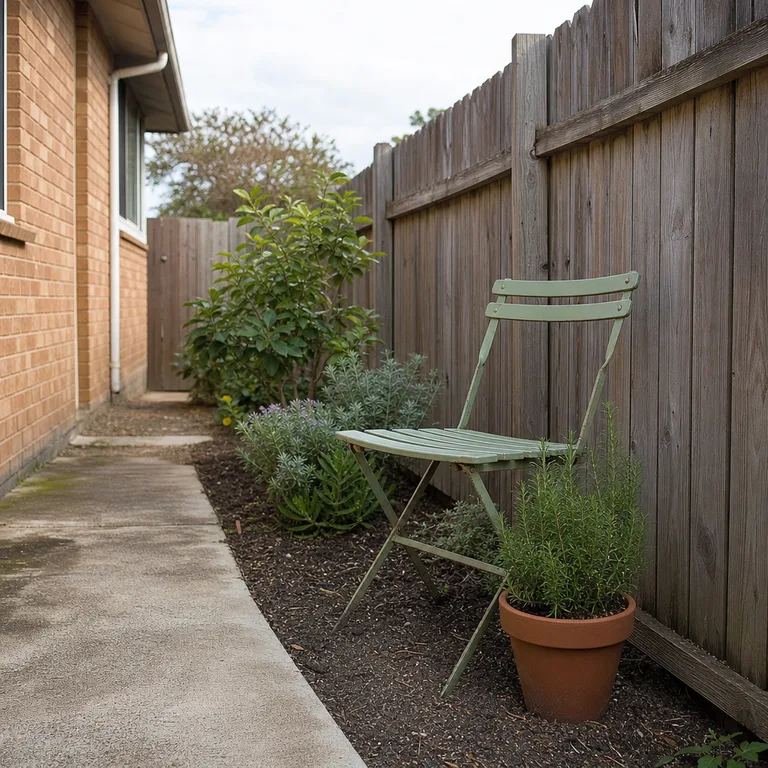
Pair the chair with one generously sized planted pot rather than several small containers. An upright herb, compact shrub, or architectural foliage plant gives the chair a reason to be there without hiding its lines.
Check for loose joints, sharp edges, flaking material, and water damage before bringing a secondhand chair outside. Rubber caps under the legs can help keep it from sinking into soft soil or scratching a hard patio surface.
Worth knowing: Skip upholstered, wobbly, or badly rusted chairs; they will deteriorate quickly and may not be safe to sit on.
2.Fill a Large Salvaged Bowl With Dry Seasonal Material
A wide stoneware, concrete, or metal bowl sits low in a border and creates a grounded focal point among grasses or spreading plants. Its broad rim gives the eye a simple shape to land on, especially in a bed that otherwise lacks structure.
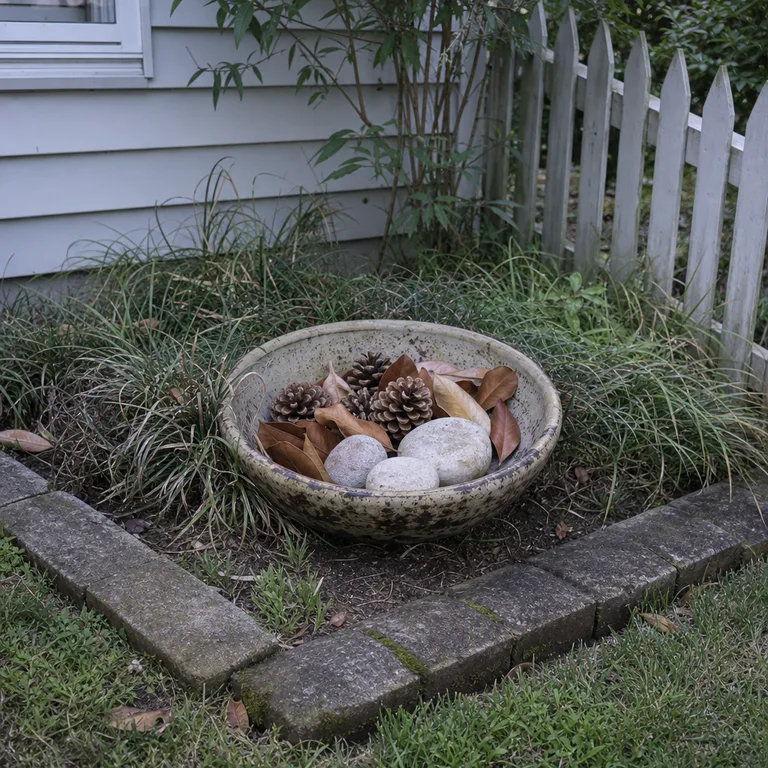
Fill the bowl with dry material such as pinecones, seed heads, fallen leaves, or smooth stones. Keeping the contents restrained lets the bowl read as one object rather than another planted container.
Use an intact bowl with drainage if it will be exposed to rain, or choose dry contents that can be removed after wet weather. In damp climates, clear out leaves and debris regularly so water does not remain trapped inside.
Worth knowing: A bowl without drainage can collect standing water, so it is not a good choice for a rainy, poorly draining spot.
3.Make an Old Watering Can the Center of a Small Planting
A sound galvanized watering can works well as a small sculptural object in a low planting. Position it near the front of a bed and point the spout across thyme, groundcover, or other low foliage to lead the eye through the space.
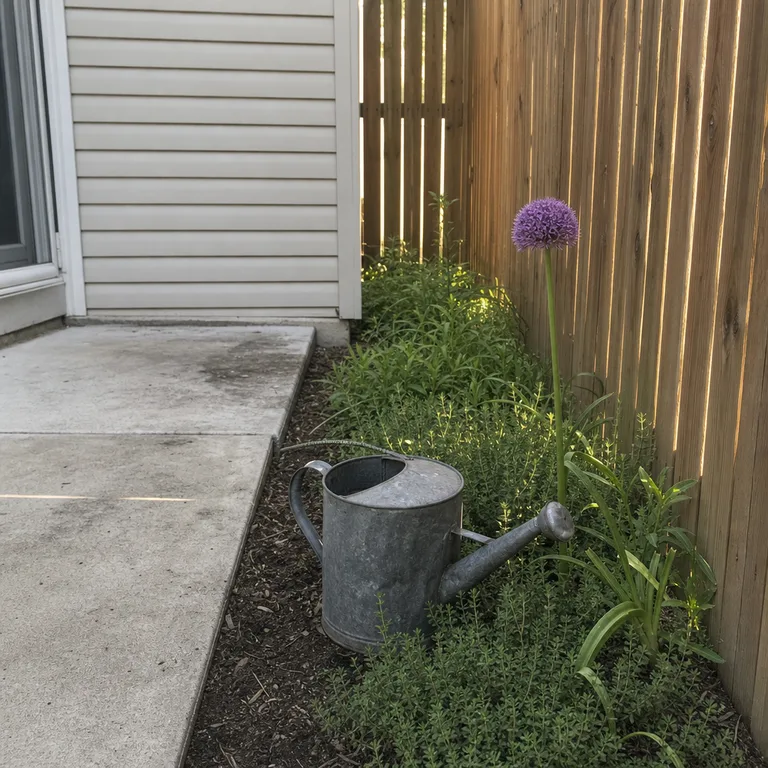
The dull metal finish offers contrast against green leaves and flowers without needing a large display. Use one can only, with open soil or mulch around it, so it feels intentional instead of like stored garden equipment.
Inspect the handle, seams, and spout for sharp rust or loose pieces. This idea works best where the can can sit on stable ground and remain decorative, rather than being used as a planter or a working tool.
Worth knowing: Heavily corroded cans can stain paving and soil, and rough edges make them unsuitable near a walkway.
4.Stand an Empty Frame Behind a Simple Garden View
An empty exterior-grade wood or metal frame can outline a clump of foliage, a painted wall, or a distant section of fence. Place it behind the planting so the frame creates a view rather than becoming an obstacle in front of it.
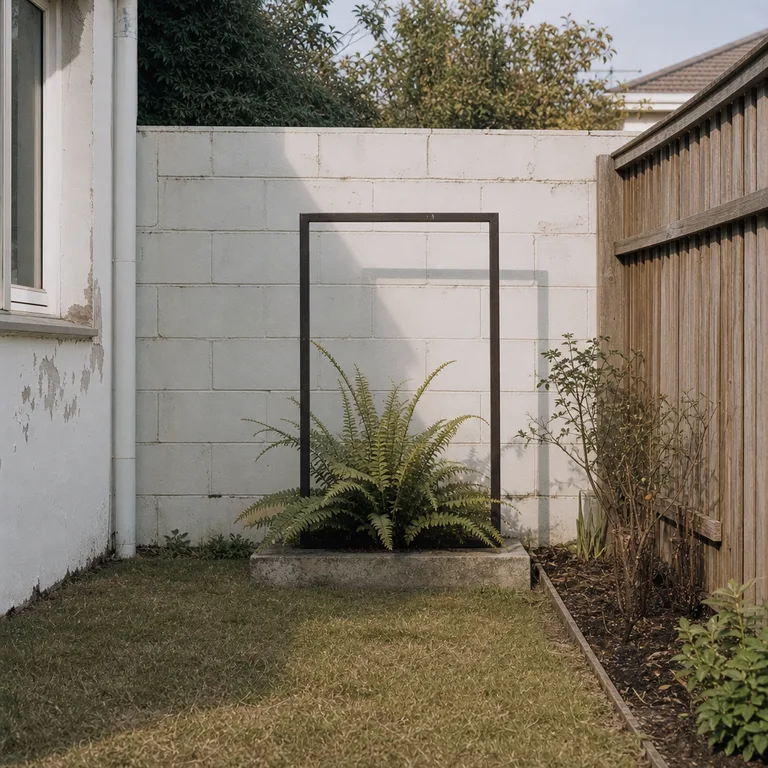
A dark frame is especially useful against a pale wall or airy foliage, while a weathered wood frame can soften a plain timber fence. Keep the opening empty; adding mirrors, signs, or extra ornaments can make a small garden feel busy.
Set the frame on a broad, stable base and secure it for the level of wind exposure in the garden. Keep it low and away from paths, gates, and play areas where a freestanding piece could be bumped.
Worth knowing: This is not suited to exposed, windy gardens unless the frame can be safely stabilized without creating a structural installation.
5.Use a Sound Low Bench as a Quiet Garden Vignette
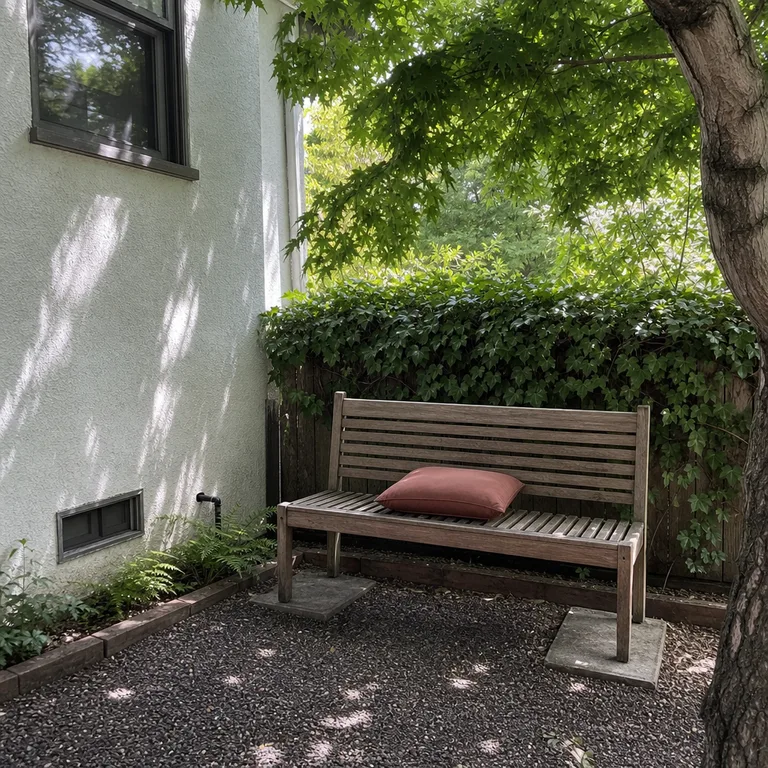
A low outdoor bench can make the edge of a bed feel like a deliberate pause in the garden. Place it parallel to a border, against a fence, or under a tree where its horizontal shape balances taller planting.
Keep the styling spare with one outdoor cushion or folded weather-resistant throw. The bench itself should remain the main object, while nearby foliage softens its legs and helps it settle into the setting.
Test joints, fasteners, and the underside before placing a bench where anyone might sit. Set the legs on flat pavers or another firm surface when the ground stays damp, since direct soil contact speeds up wear.
Worth knowing: A bench in deep shade may stay damp for long periods and need more frequent cleaning and maintenance.
6.Edit One Existing Outdoor Shelf Into a Garden Display
An existing stable outdoor shelf can turn an empty stretch of fence or wall into a vertical focal point. Use it for just three weather-tolerant objects, such as a terracotta pot, a glazed jug, and a smooth garden stone.
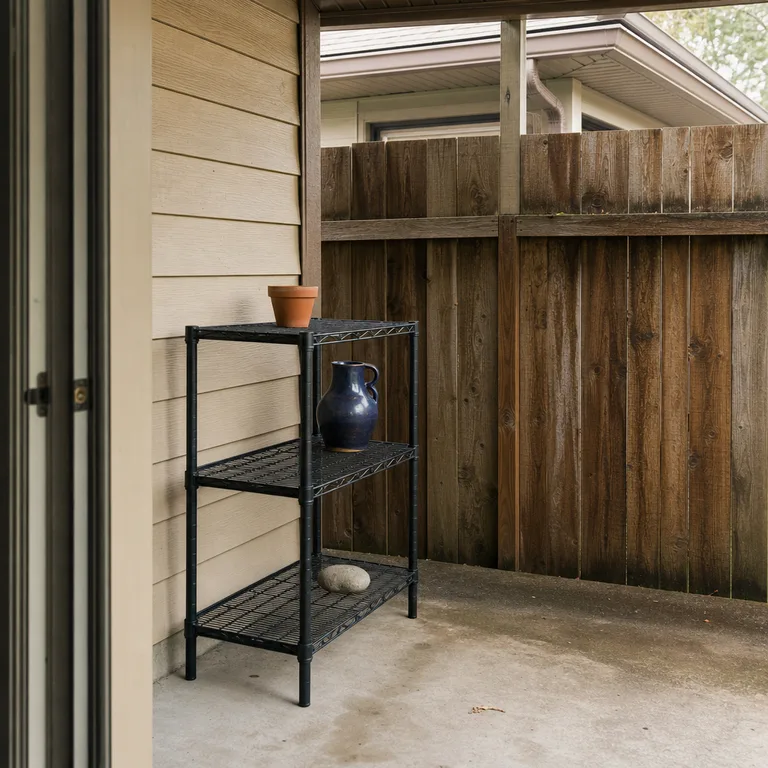
Leave visible empty space around each object so the shelf feels edited rather than crowded. Different materials give the display texture, while a limited color palette helps it relate to the garden instead of looking like indoor storage moved outside.
Confirm that the shelf is designed for outdoor exposure or has a durable finish, and make sure it is anchored where needed. Leave space beneath and behind it for drainage, cleaning, and access to the fence.
Worth knowing: A shelf can look cluttered quickly, so it needs occasional editing as weathered items and seasonal pieces accumulate.
7.Top a Worn Outdoor Table With One Seasonal Object
A small weatherproof table can turn an unused patio corner into a garden focal point. Choose a simple table with a level top, then place one substantial seasonal object at its center, such as a crock of bare branches, a lantern, or a single gourd.
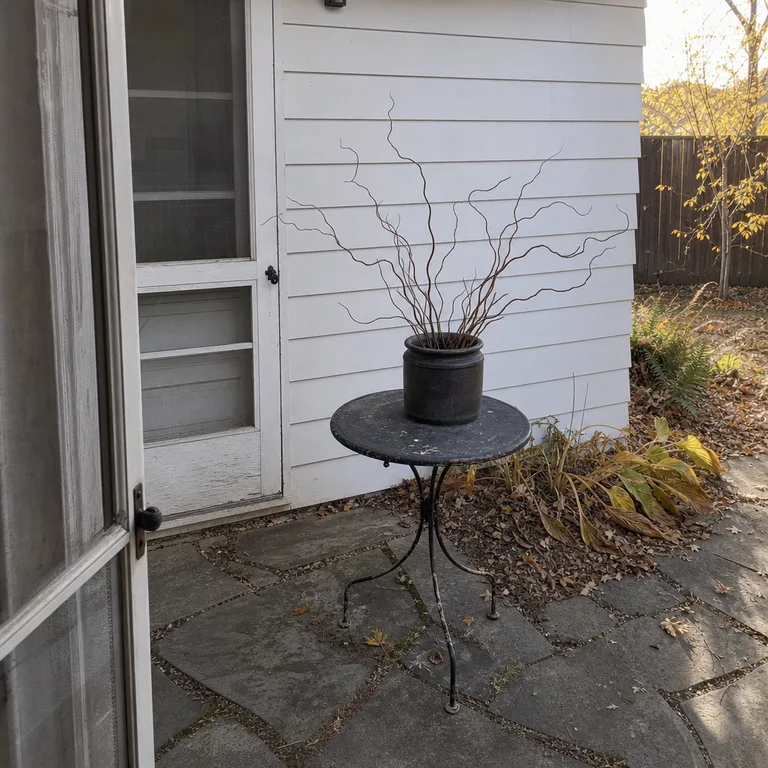
This approach gives changing seasons a place in the garden without requiring a full tablescape. The worn finish of an older metal or wood table can add character, especially beside a loose-edged planting bed or screen door.
Keep the table out of the main route through the yard so it does not become an obstacle. Check that its feet sit flat, and use furniture pads or a stable base if it rests on uneven flagstone or concrete.
Worth knowing: Lightweight café tables can blow over or shift in exposed areas, particularly when topped with tall branches.
8.Let a Weather-Suitable Ceramic Urn Stand Alone
One ceramic urn can mark the end of a bed, a turn in a path, or the corner of a porch garden. Let it stand alone rather than pairing it with matching containers, which keeps the focus on its color and silhouette.
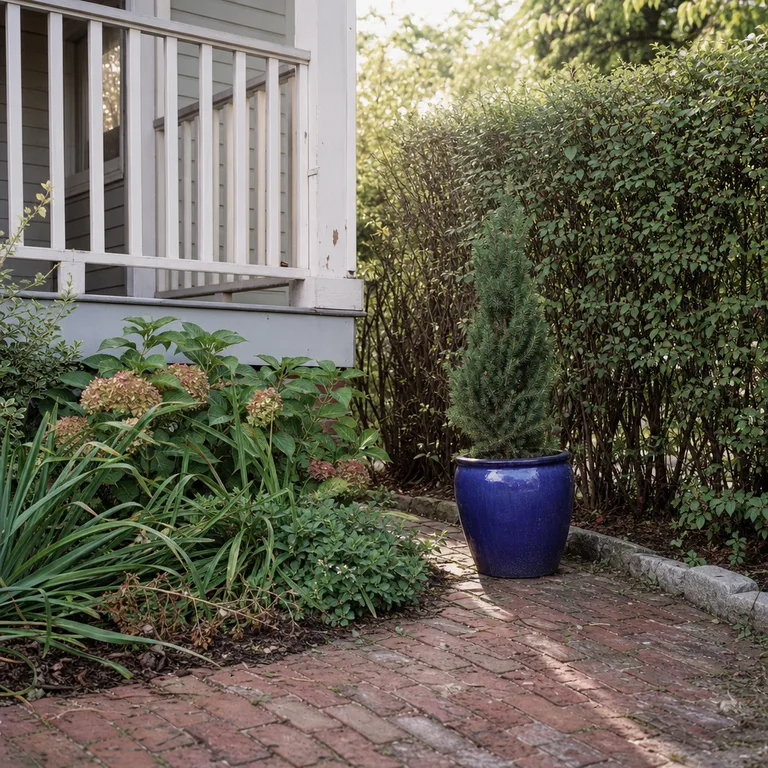
Leave the urn empty for a sculptural look, or add one durable plant with a simple shape. A compact evergreen, grass, or upright perennial can support the form of the urn without turning it into a crowded arrangement.
Look for an urn without cracks and with a drainage hole. In places with freeze-and-thaw weather, use only pottery rated for outdoor winter conditions, and avoid leaving water trapped inside.
Worth knowing: Not all ceramic finds can tolerate freezing weather, and a cracked urn may fail after repeated wet and cold conditions.
9.Place an Outdoor-Safe Trough as a Decorative Feature
A sound galvanized, stone, or rot-resistant wood trough can give a bare fence line a long, low focal point. Fill it with gravel, a few drought-tolerant plants, and one piece of driftwood or another natural accent for a simple landscape-style display.
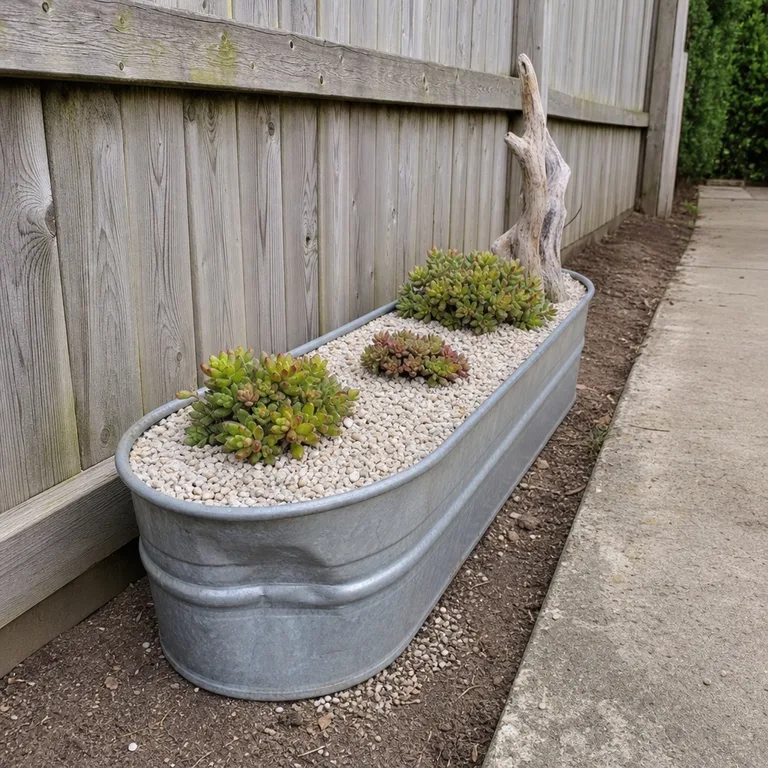
The trough shape helps organize a narrow strip without requiring a new bed or permanent construction. Keep the planting sparse so the material of the trough remains visible and the whole piece reads as one feature.
Use only containers with a known, outdoor-safe history and avoid former utility or industrial vessels. Make sure water can drain freely, especially in rainy climates, and place the trough where it will not block fence maintenance or access.
Worth knowing: Unknown containers may have held unsuitable materials, so they should not be used for edible plants or placed where contamination is a concern.
About the author
Dana Ruiz, Senior editor
Dana writes about small-space living, storage and low-cost decorating.
Keep reading

8 Budget House Number Displays for an Easy-to-Find Entrance
November 6, 2026
7 Easy Ways to Host Outdoors With Indoor Furniture
November 5, 2026
8 Easy Decisions for a Low-Maintenance Garden
November 5, 2026
9 Easy Ways to Refresh an Overgrown Garden Bed
November 5, 2026