8 Budget Ways to Make a Shared Kids’ Bedroom Feel Fair
A shared kids’ bedroom can feel more balanced when each child has a visible say in personal touches and clear agreements for the areas they use together. These ideas focus on repeatable routines and small zones that suit different preferences without changing furniture or treating one side of the room as better.
As an Amazon Associate I earn from qualifying purchases.
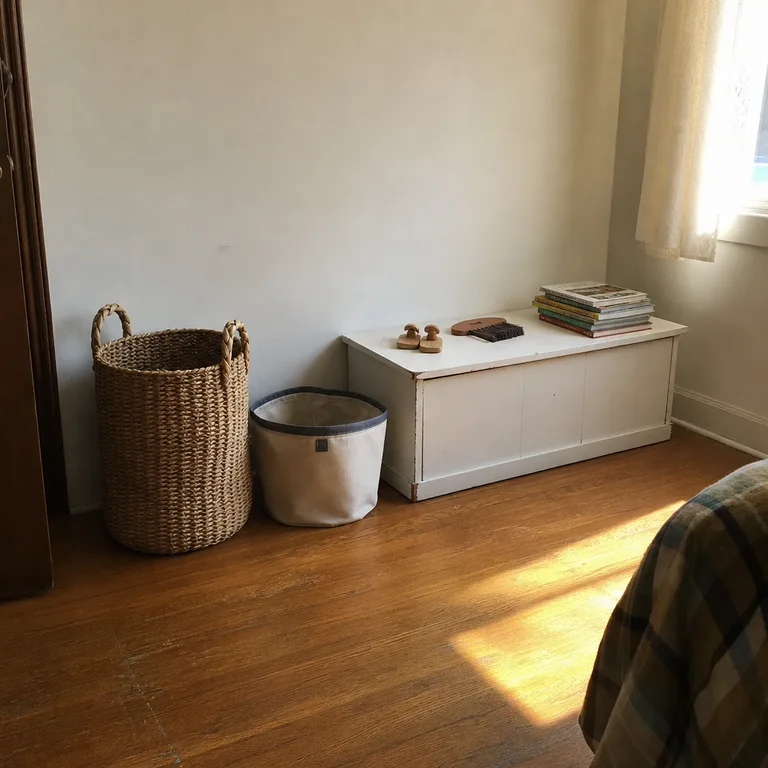
1.Let Each Child Choose One Personal Accent
Choose one matched category that each child controls, such as a pillow cover, a small framed picture, or the color of a storage bin. One child might choose rust while the other chooses blue, with the larger bedding and walls kept neutral enough to tie the room together.
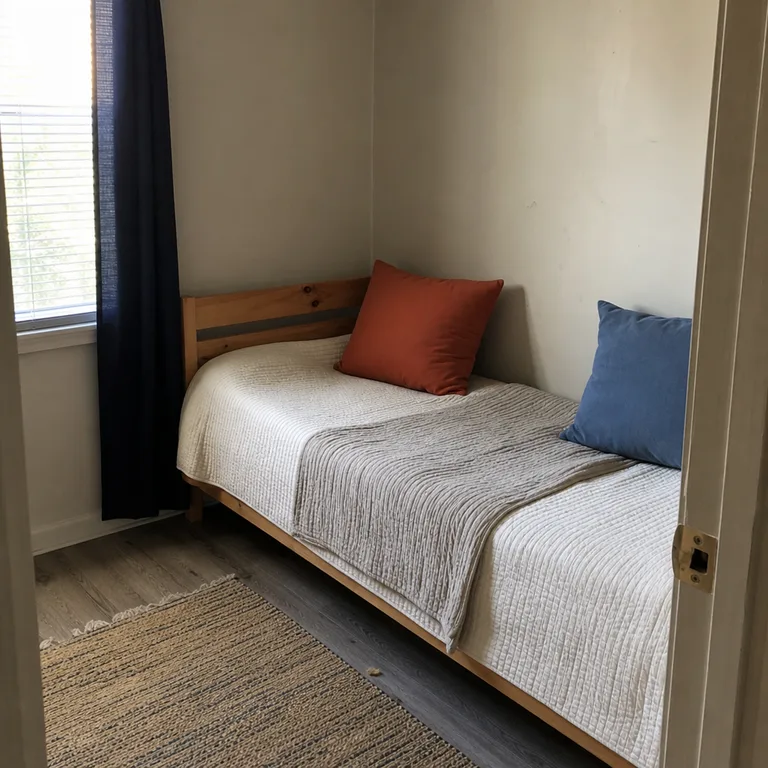
This gives both children a visible personal mark without turning the room into two competing decorating schemes. Keeping the choices within the same category also makes the arrangement feel equal, even when their tastes are very different.
Use existing pillows, simple removable covers, or artwork they already own before adding anything new. For a rental, avoid changes that mark walls or alter the furniture.
Worth knowing: A single accent will not settle every decorating disagreement, so larger shared choices still need a family decision.
2.Assign a Clearly Labeled Personal Shelf
Reserve the same amount of reachable shelf space for each child’s books, small collections, or keepsakes. Two equal middle shelves on one bookcase are often easier to keep fair than giving one child a high shelf and the other a low one.
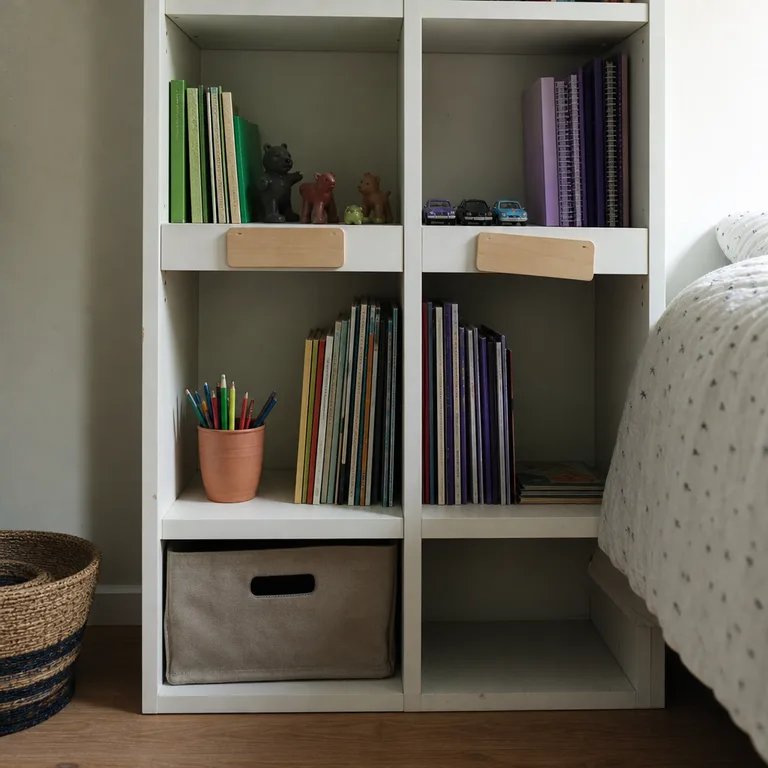
A defined shelf stops personal belongings from spreading into the other child’s area. It also gives children a simple place to put away the smaller items that otherwise collect on beds, floors, and shared surfaces.
Use removable picture labels, a color dot, or a simple symbol instead of permanent markings. Avoid overloading shelves, and make sure any tall freestanding bookcase is already safely secured according to its instructions and rental rules.
Worth knowing: Shelf space may need to be reassigned as collections change or one child begins keeping more books than the other.
3.Rotate the First-Choice Display Spot
Create one prominent spot for a current drawing, certificate, photo, or small collection. A narrow picture ledge, the top of a low dresser, or one frame on a wall can work as long as both children know it belongs to them in turns.
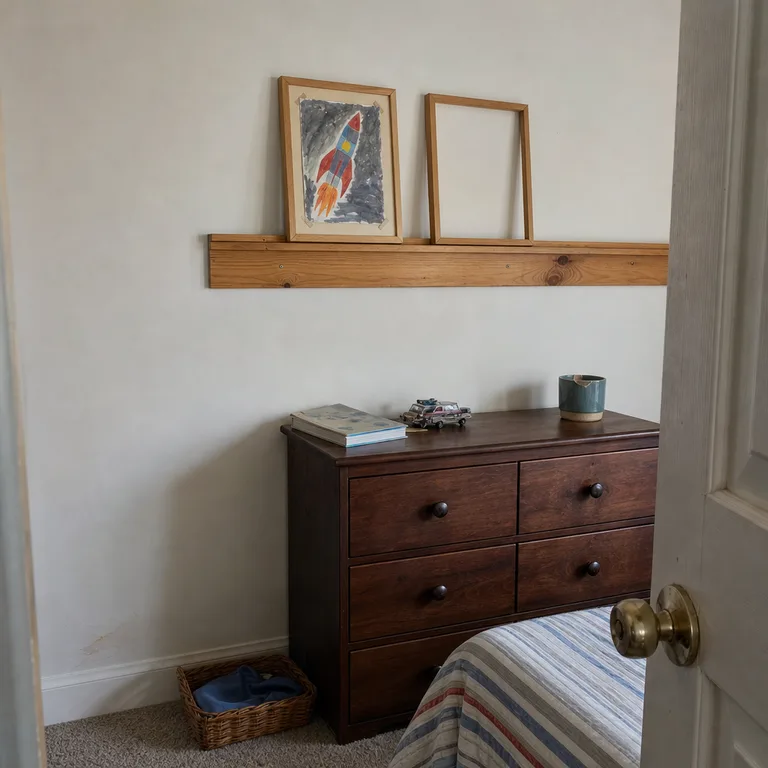
The best display location can easily become a source of tension because it signals whose things get noticed first. A regular rotation makes that spot shared rather than permanently claimed.
Choose a simple handoff point, such as the start of a new month, a school break, or the next room tidy-up. Keep the display small so it does not become a crowded gallery that needs constant rearranging.
Worth knowing: A rotation only works if an adult helps keep the schedule visible until it becomes routine.
4.Keep Separate Bedside Essentials Within Reach
Give each child a matching caddy, basket, or small bin for the things needed at bedtime: a book, water bottle, comfort item, and reading light where appropriate. The containers can hang from bed rails or sit in another reachable place without changing the beds themselves.
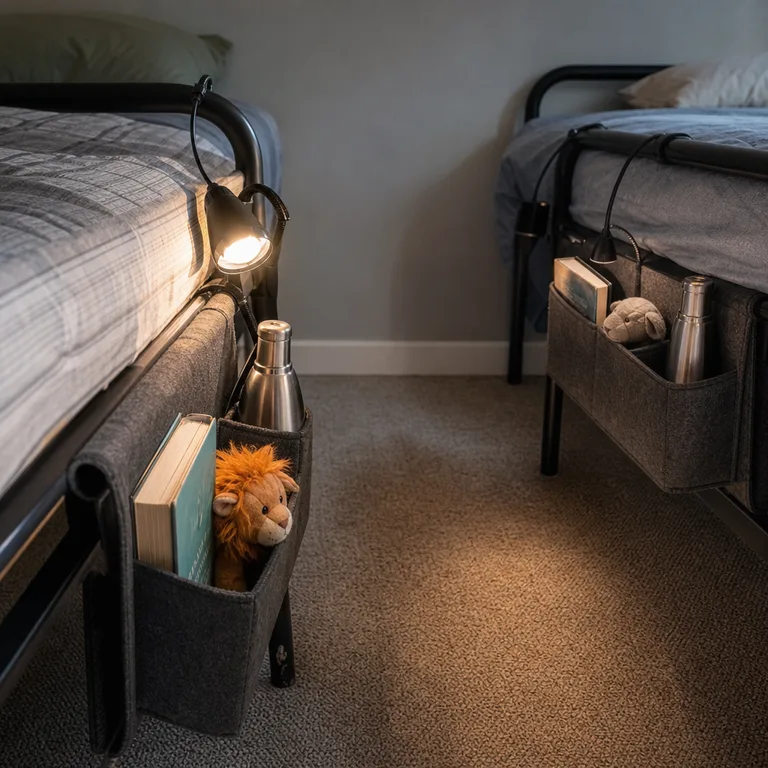
Separate bedside supplies reduce the daily scramble over whose book, light, or favorite small item is missing. Matching containers reinforce that each child has the same kind of access, even if the contents are different.
Felt caddies and lightweight bins are easy to move and can work well in a rental because they do not require installation. Keep cords, clip lights, and water bottles arranged so they do not create a tripping hazard or interfere with safe sleeping space.
Worth knowing: A caddy can hold only a few essentials, so larger toys and books still need another storage home.
This approach recognizes that both children use the room’s central areas. It can also prevent one child from feeling responsible for the whole floor simply because their belongings happen to be closer to it.
Make the jobs concrete and easy to see: hamper, bookshelf, shared supply basket, or clear floor area. Small blank tokens or picture cues can help younger children remember the task without adding a large written chart.
Worth knowing: Some tasks are naturally messier or harder to reach, so the jobs should be reviewed and switched when they are no longer equally workable.
6.Protect One Active Project Space for Each Child
Give each child one portable container for an unfinished puzzle, model, craft, or collection in progress. Flat lidded boxes, trays that fit on a dresser, and project bags allow the activity to pause without taking over a shared surface.
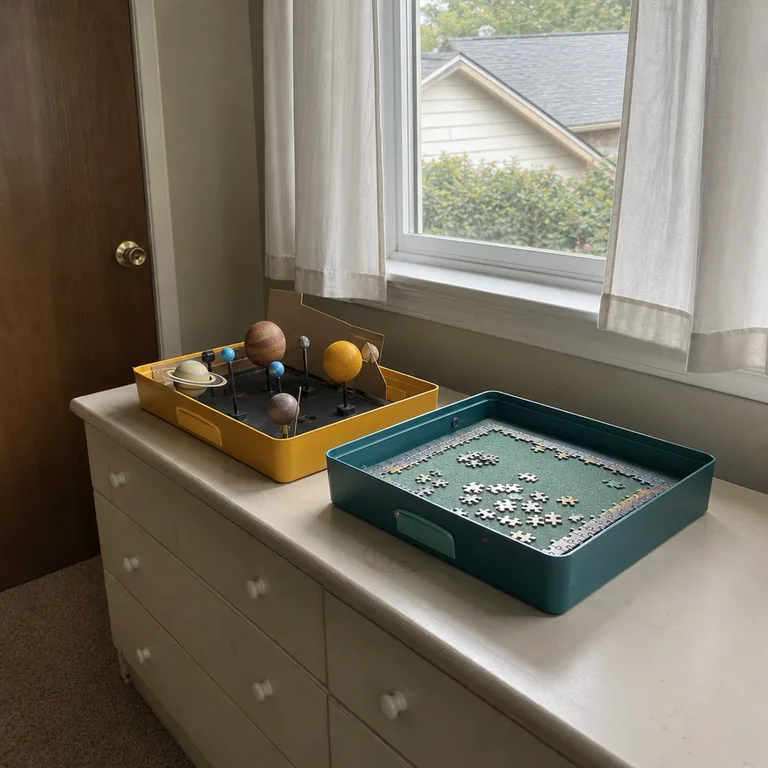
A protected project space tells each child that their current interest will not be cleared away just because the room needs to function for both people. It also makes cleanup faster when the floor or dresser is needed for something else.
Use containers that are easy for the children to carry and store in the same general location. Avoid making the project zone a permanent craft station if the room is small, since the container needs to move when shared space is needed.
Worth knowing: Large or fragile projects may not fit safely in a portable box and may need a different household storage plan.
7.Set One Agreed Place for a Visiting Friend
Choose one place that can become a visiting-friend spot when needed, such as a folded floor mat, a cleared rug area, or a small open section beside a dresser. Both children should agree that this is the temporary guest space rather than assuming one child must give up their usual area.
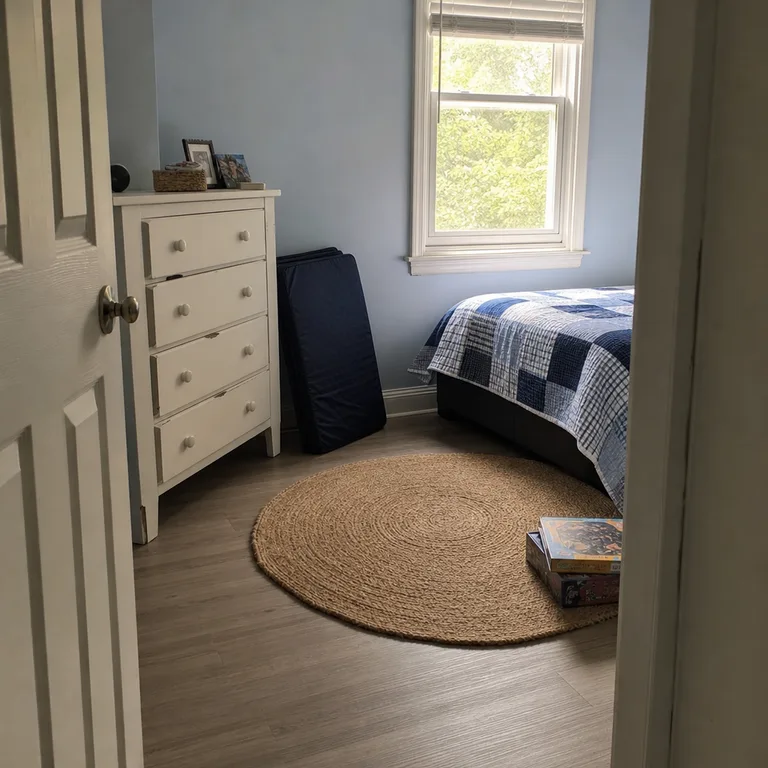
A clear plan can make visits feel less disruptive in a room where every surface already has a purpose. It also avoids last-minute arguments over who moves belongings, who shares a bed, or where games can be played.
Keep the setup portable so the room returns to normal afterward. Household rules, adult supervision, and the available floor space should guide whether a play visit or sleepover is appropriate.
Worth knowing: A small shared bedroom may not have enough safe open floor area for an overnight guest.
8.Hold a Short Seasonal Room Review
At the start of a new season, have both children make one choice about a shared area: something to keep, store, move, or donate with adult approval. Use blank cards, objects placed into labeled piles, or a brief conversation instead of a permanent rules poster.
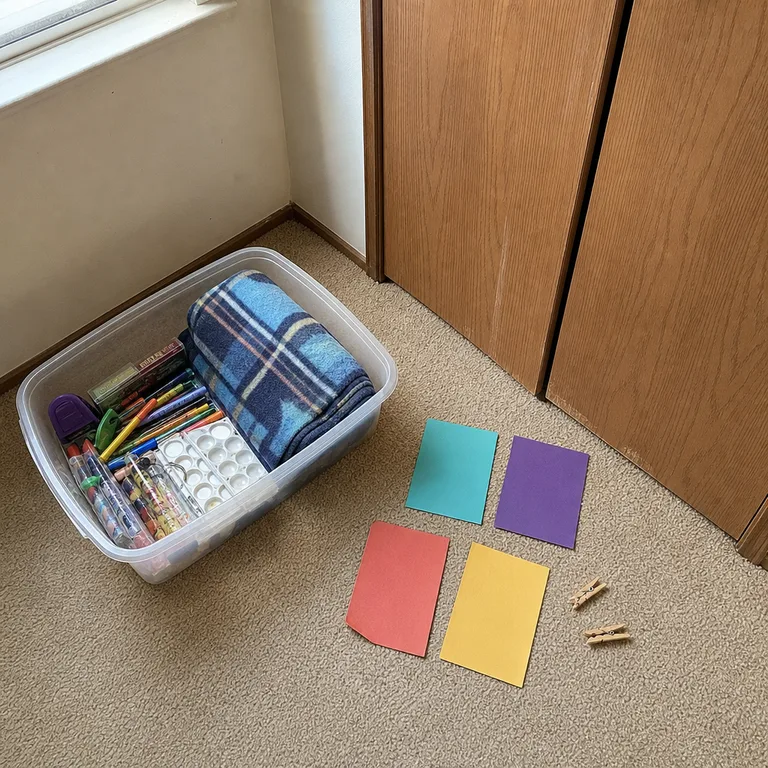
This gives each child a regular chance to raise problems before clutter or resentment builds up. The review can cover shared shelves, the display spot, project boxes, and items that no longer fit the room.
Keep the meeting short and focused on one or two decisions per child. A simple storage bin nearby makes it easier to move outgrown supplies or seasonal bedding without turning the review into a major room overhaul.
Worth knowing: Children may need help making decisions about sentimental belongings or items that belong to the whole household.
About the author
Dana Ruiz, Senior editor
Dana writes about small-space living, storage and low-cost decorating.
Keep reading
8 Budget Furniture-Buying Mistakes in a Small Apartment
November 8, 2026
8 Budget Ways to Clear Kitchen Counters Without Organizers
November 9, 2026
8 Budget Vintage Bedroom Decor Ideas That Mix Old and New
November 9, 2026
8 Easy Ways to Decorate With Pattern Without a Busy Room
November 8, 2026