8 Budget Ways to Clear Kitchen Counters Without Organizers
Kitchen counters often become holding areas for things that are useful somewhere, but not useful while cooking. This inventory helps sort common counter clutter into items to keep nearby, relocate to a workable storage spot, or rehome when they no longer serve the household.
As an Amazon Associate I earn from qualifying purchases.
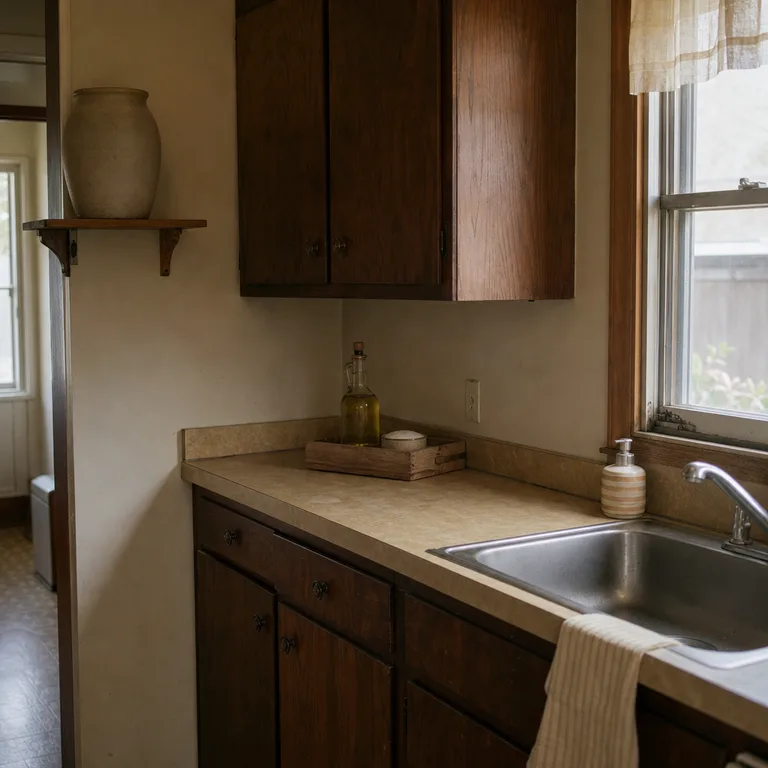
1.Move Rarely Used Appliances Out of the Cooking Zone
Leave out only the appliances used most days, such as a coffee maker or toaster. An occasional stand mixer, slow cooker, blender, or specialty appliance can take up a useful stretch of counter without helping with everyday cooking.
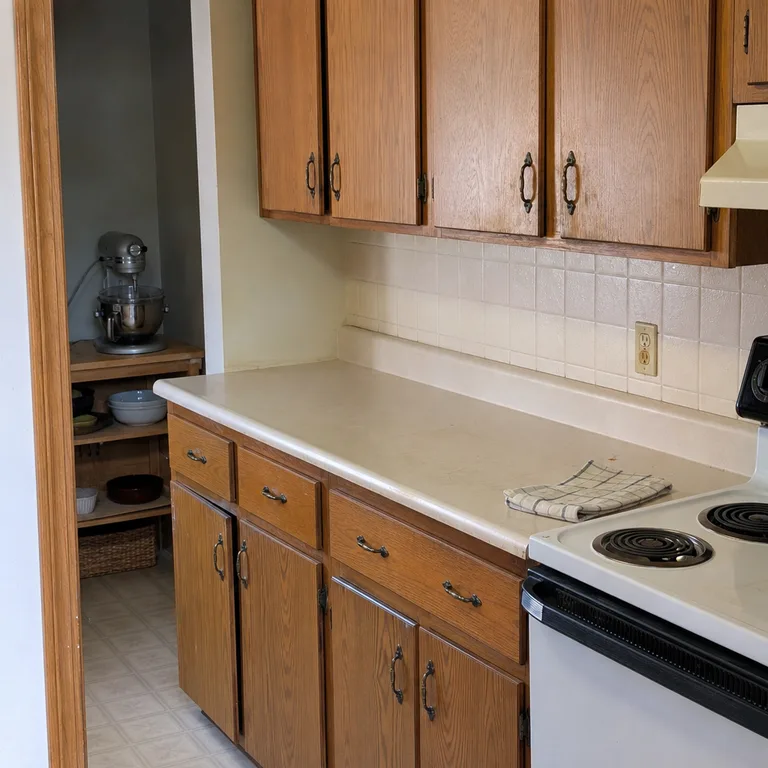
Give each appliance a reachable home in a lower cabinet, pantry shelf, or sturdy closet shelf. A non-slip mat or sliding tray can make a heavier item easier to pull forward, but the storage spot should not require lifting it down from overhead.
Worth knowing: This works only if the new shelf is easy to reach; heavy appliances should not be stored high up or behind too many other items.
2.Reduce Utensil Jars to the Tools Used at the Stove
One utensil crock near the range can be practical when it holds the tools used constantly: a turner, spoon, tongs, whisk, and spatula. Several full jars create visual clutter and make it harder to find the tool needed during a meal.
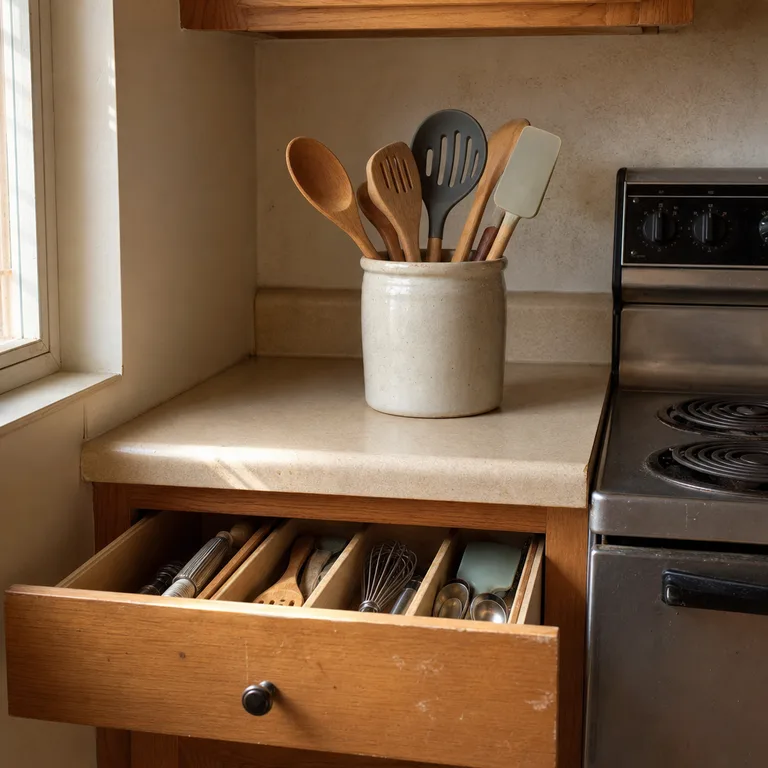
Move specialty spatulas, duplicate whisks, serving utensils, and baking tools into a divided drawer near the stove. The drawer does not need matching inserts; simple sections that stop tools from becoming one loose pile are enough.
Worth knowing: A drawer that is far from the stove can make this setup less convenient during active cooking.
3.Give Mail and Forms a Stop Outside the Kitchen
Bills, school notices, receipts, and forms often land on the counter because it is near the door. They do not need kitchen storage, especially when the pile spreads into the area used for unpacking groceries and chopping food.
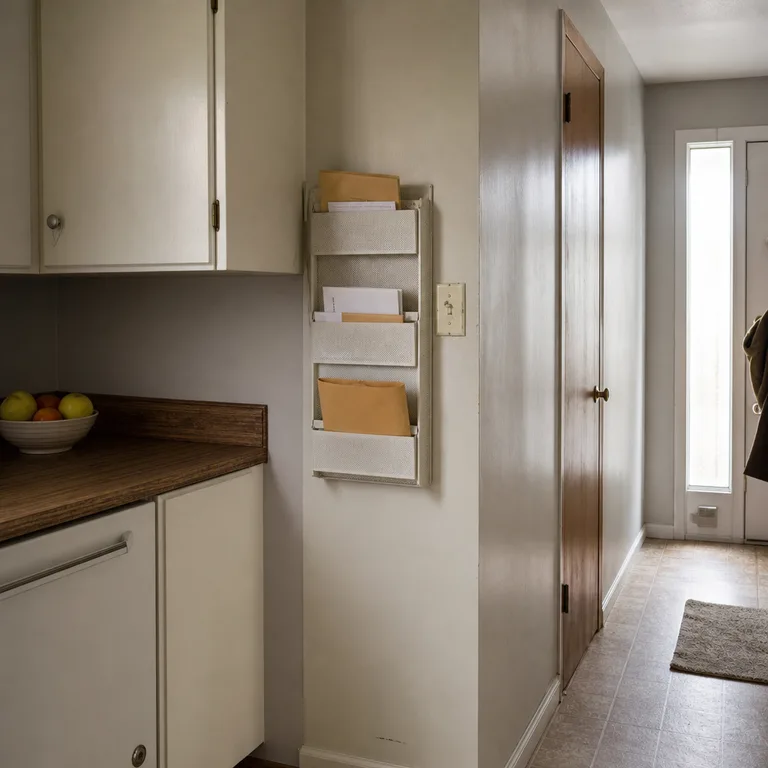
Use a wall file near the entry, a desk tray, or a designated household-paper drawer instead. Keep only the one document that needs attention that day in view, then file, act on, or recycle it when the task is done.
Worth knowing: This needs a household routine for sorting papers, or the new mail spot can become another unattended pile.
4.Discard Empty Food Packaging as Soon as It Is Finished
Empty boxes, delivery bags, rinsed jars, and finished containers can sit on a counter because their next destination has not been decided. Recycle or discard packaging promptly rather than letting it become a delayed-decision collection.
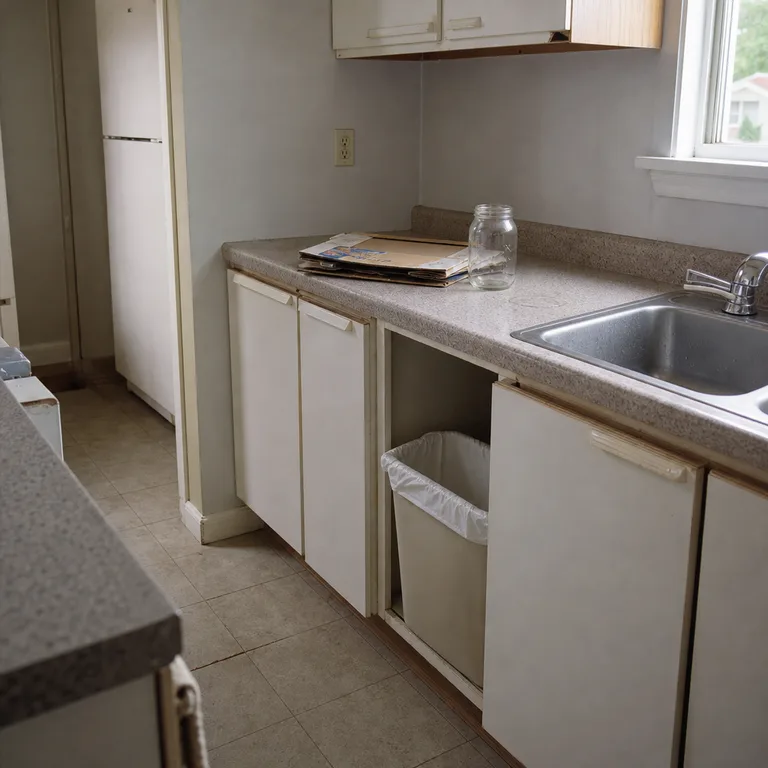
Keep reusable jars and tins only when they have a specific job, such as holding a regular pantry staple or leftovers. Place recycling near the sink or kitchen exit where it is convenient, while leaving enough clearance for cabinet doors and under-sink access.
Worth knowing: Recycling rules vary by area, so check what local collection accepts before saving containers for that purpose.
5.Remove Decorative Pieces That Do Not Earn Their Counter Space
Counter decor works best when it has a daily function. A fruit bowl, small tray for oil and salt, or crock for everyday tools can look settled while still helping the kitchen work.
Move oversized vases, display objects, and purely decorative pieces to an open shelf or another room if they fit there. If there is no useful display spot and the item stays boxed or displaced, rehoming it may make more sense than creating new storage for it.
Worth knowing: A bare counter can feel stark in a large kitchen, so retain one or two functional pieces where they do not interrupt prep space.
6.Consolidate Duplicate Drink Supplies
Keep the drinks and vessels used every day close to the kettle or coffee maker. Extra mugs, travel cups, loose tea, spare water bottles, and duplicate drink accessories are better grouped together in a cabinet or pantry bin.
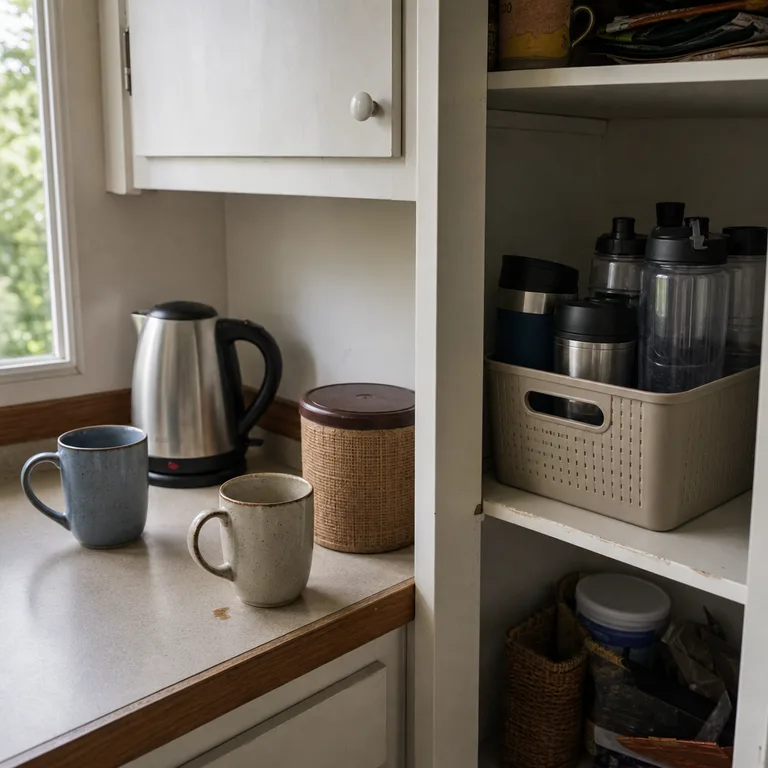
Check travel-cup seals and water-bottle lids while sorting. Incomplete sets and leaking lids are rarely worth storing, while usable extras can be kept upright in a handled bin or rehomed if the household already has enough.
Worth knowing: Avoid moving everyday mugs or bottles so far away that family members return them to the counter out of convenience.
Related: 9 Water Bottle Storage Ideas That Keep Bottles and Lids Together
7.Return Items That Belong in Another Room
Batteries, craft supplies, handbags, pet gear, and children’s belongings can all pass through the kitchen without belonging there. Put each category back in its actual home rather than containing it permanently on the counter.
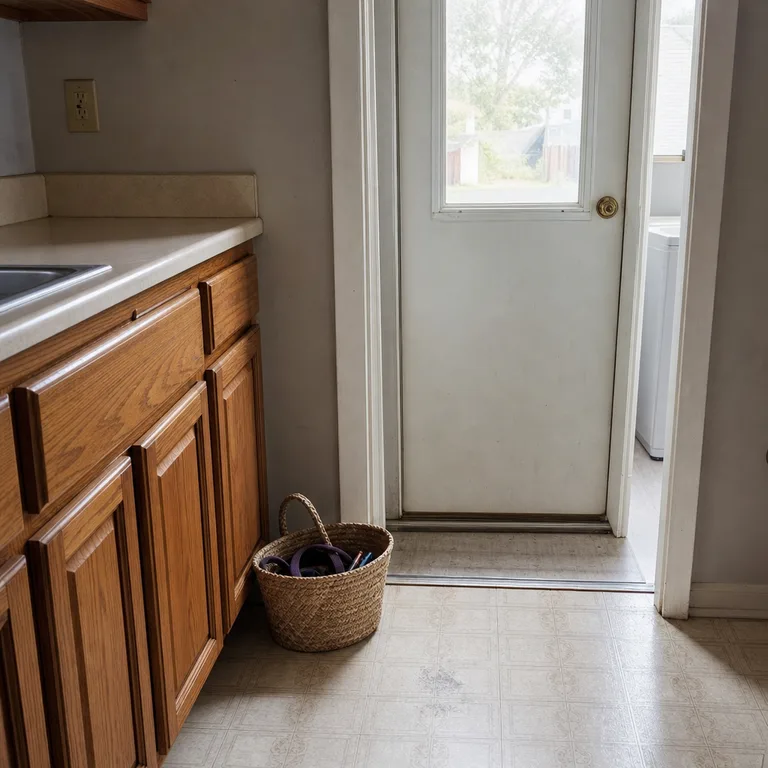
A small carry basket can collect items headed to another room during the day. Set it on a low shelf, by a back door, or in a utility area rather than on the counter, then empty it during a regular reset.
Worth knowing: A carry basket is only useful as a short-term route; if it is never emptied, it becomes a portable clutter pile.
8.Store Bulk Reserves in a Cool, Dry Backup Zone
Keep the open package or near-term supply accessible, then move reserve paper goods, canned food, and unopened pantry staples out of the kitchen work zone. A dry pantry shelf, closet, or cabinet can hold backups without turning counters into storage.
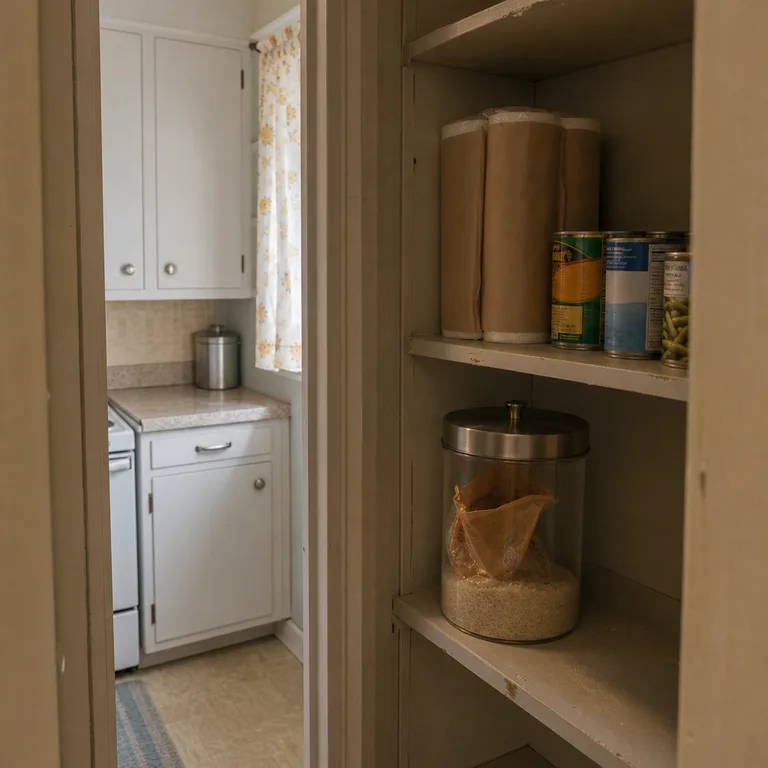
Choose a location that stays cool and dry, and keep food away from direct sun, moisture, and pest-prone areas. Use bins or shelf sections only when they make reserves easier to see and retrieve, not simply to hold more than the space can handle.
Worth knowing: A garage, damp basement, hot sunroom, or other unstable environment may not be suitable for food storage.
About the author
Dana Ruiz, Senior editor
Dana writes about small-space living, storage and low-cost decorating.
Keep reading
9 Easy Bedroom Reset Ideas That Make Mornings Easier
November 8, 2026
10 Easy Backpack Storage Ideas for a Clear Small Entryway
November 7, 2026
8 Budget Vintage Bedroom Decor Ideas That Mix Old and New
November 9, 2026
8 Budget Ways to Make a Shared Kids’ Bedroom Feel Fair
November 9, 2026