8 Budget Ways to Make a Gravel Garden Look Intentional
A plain gravel patch can look deliberate when planting, containers, seating, and open space are arranged as a clear composition rather than scattered additions. These eight approaches work with an existing suitable gravel surface, while leaving room to account for local climate, sun exposure, drainage, mature plant size, and rental rules.
As an Amazon Associate I earn from qualifying purchases.
1.Anchor the Gravel With One Large Container
Set one generously sized planter near the back or least-used edge of the gravel, rather than scattering several small pots across the space. A compact evergreen shrub or small tree gives the eye one clear place to land and makes an open patch feel composed.
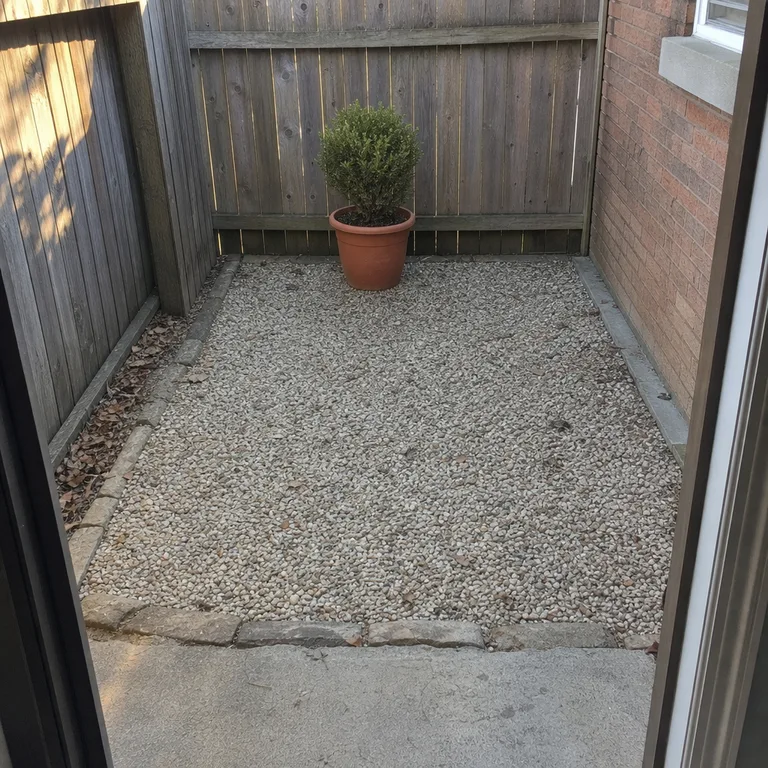
Choose a pot shape and finish that suits the house, such as weathered terracotta for a softer look or a dark matte planter for a cleaner one. A single container is also easier to water, repot, and move than a collection of mismatched pieces.
Worth knowing: The plant must suit the site’s sun, winter temperatures, and wind exposure, and the pot cannot obstruct the main route through the gravel.
Related: 12 Container Garden Ideas for a Small Patio on a Budget
2.Build Three Repeated Planted Islands
Create three small, separate clusters along one edge of a long gravel area, using the same plant combination in each. For example, repeat a blue-green grass with low silver foliage in matching containers or existing planting spaces.
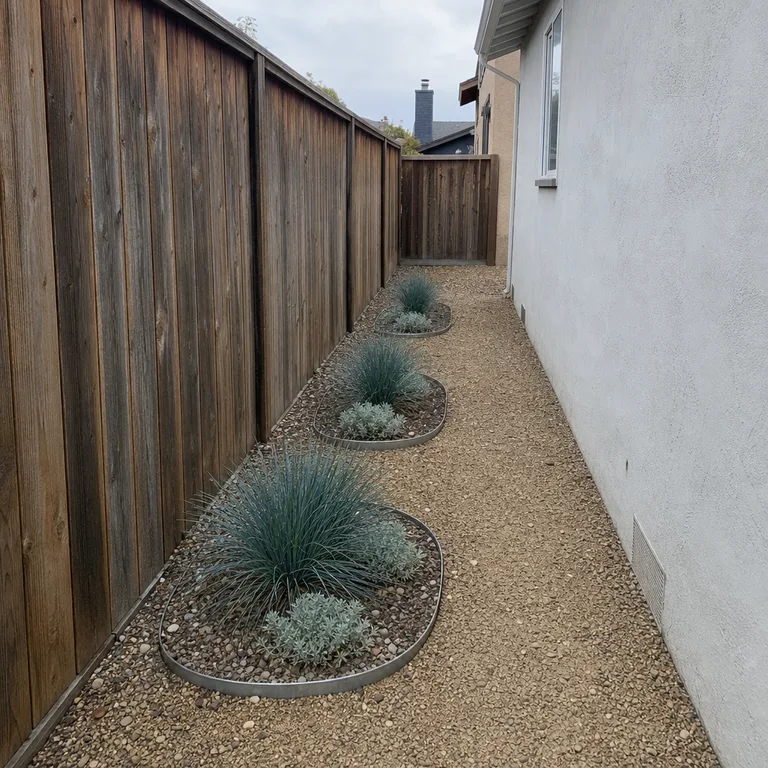
The repetition gives a narrow patch rhythm without turning it into one continuous border. Keep the center or house-side portion open so the gravel still works as a walking surface and remains easy to rake.
Worth knowing: Allow for the mature width of every plant, or the separate clusters will merge and make a narrow space harder to use.
3.Limit Planting to Two Foliage Colours
Use only two main foliage colours throughout the area, such as deep green and silver, and repeat them in every pot or planted section. This makes varied gravel, fencing, and older surfaces read as part of one restrained scheme.
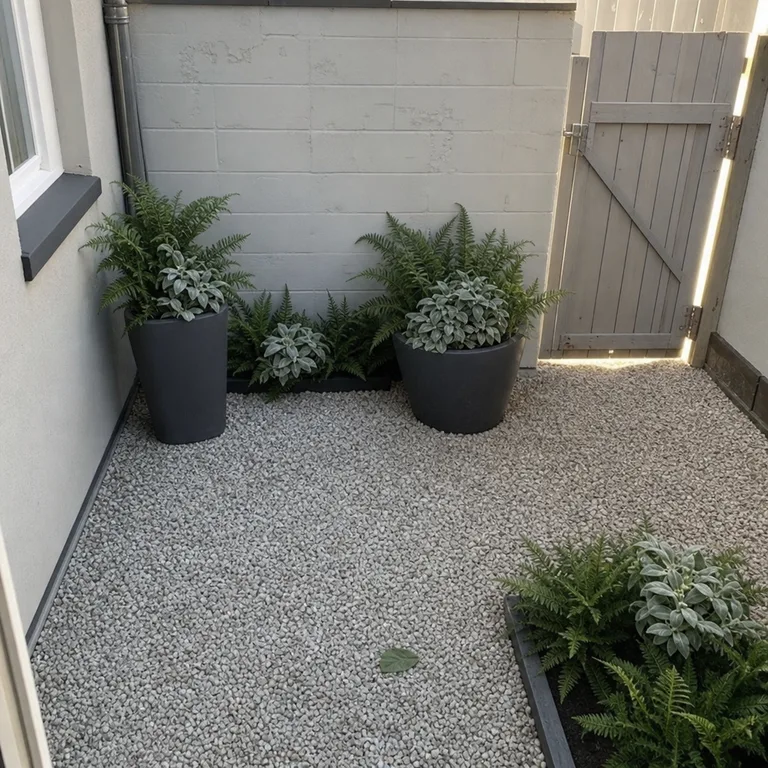
Foliage does the work even when flowering is brief, which is useful in a compact courtyard where many flower colours can look busy. Choose plant types for the actual light level instead of forcing sun-loving silver plants into a shaded corner.
Worth knowing: A tightly limited palette can look sparse if containers and plants are placed too far apart, so the arrangement still needs a clear focal area.
4.Leave a Straight Clear Access Strip
Keep a direct strip of bare, raked gravel from a gate to a door, then group pots and low planting along one side or at the edges. The uninterrupted line makes a functional side yard look orderly instead of accidental.
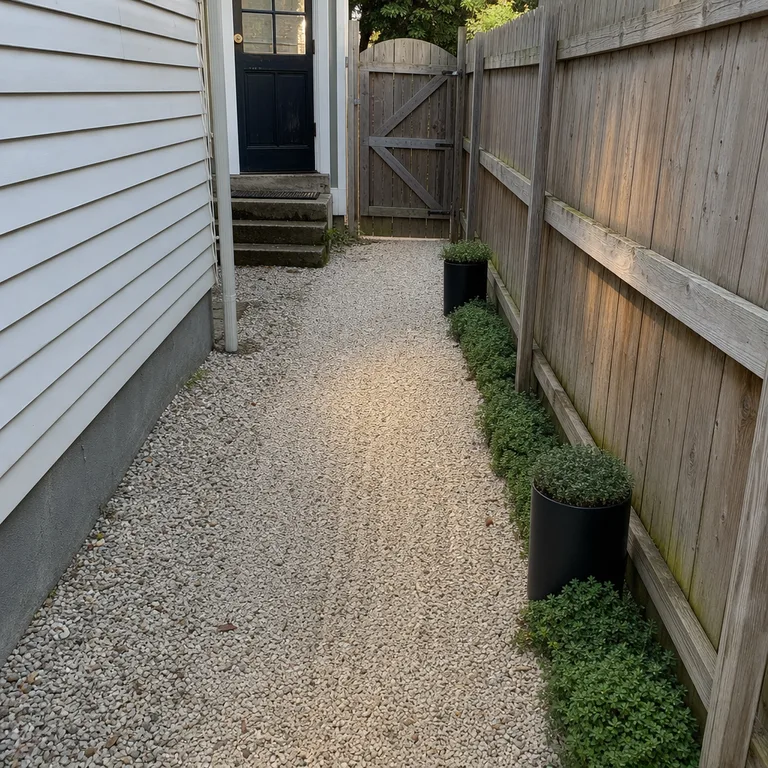
Use small containers and low-growing plants that stay within their allotted edge. This arrangement is especially practical where bins, garden tools, or a mower need to pass through regularly.
Worth knowing: The clear route has to remain wide enough for gates, bins, and routine maintenance, so it will not suit a space already crowded by large containers.
5.Group Existing Stones Into One Feature
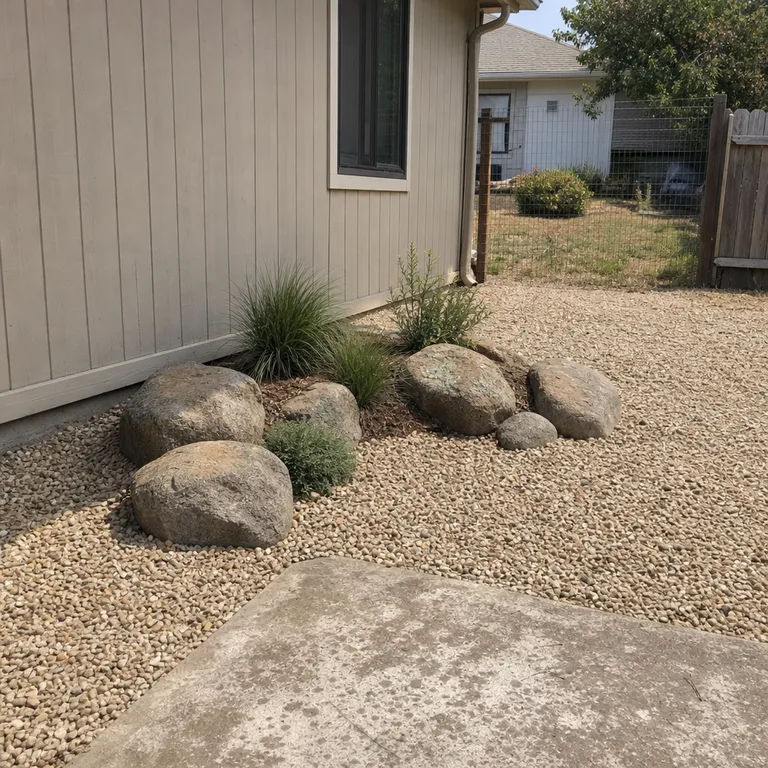
Gather loose stones already on the property into one off-center crescent or low mound, rather than leaving them scattered across the gravel. Add only a few drought-tolerant plants around the group and leave the rest of the surface open.
A concentrated stone feature gives the gravel a focal point with material already at hand. Varying stone size can look natural, but arranging all of it in one defined shape keeps the result from reading as leftover rubble.
Worth knowing: Keep stones away from walls, drainage paths, and walking edges, and do not create an unstable pile or a trip hazard.
6.Plant One Low Band of Contrasting Foliage
Run one low, continuous band of foliage along a fence or boundary, using a texture that clearly contrasts with the gravel. Blue-green grasses against warm tan stone, for example, create a clean edge and give a flat area more depth.
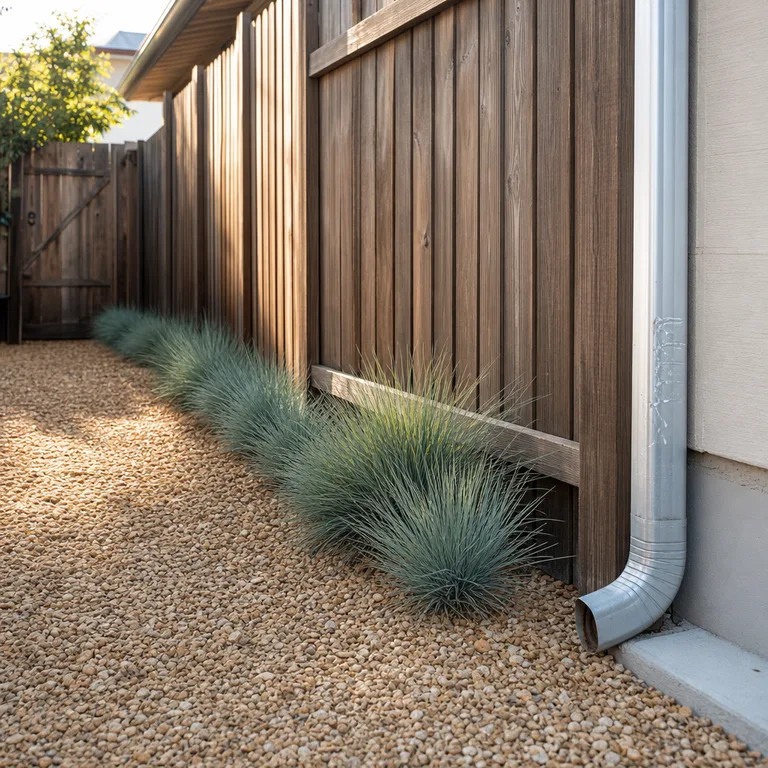
Repeat one plant type or a closely related group rather than mixing many shapes. A simple band is cheaper to fill gradually and easier to maintain than a deep, mixed border with plants competing for space.
Worth knowing: This works best where the plants receive suitable light and have enough room to mature without spilling into the walking area.
Related: 8 Ways to Expand a Small Flower Bed With Divisions From Existing Perennials
7.Make a Small Seat-and-Pot Vignette
Place one weather-resistant chair, a small side table, and one planted pot at the quietest edge of a level gravel patch. This creates a destination and makes the space feel used without covering the whole area in furniture.
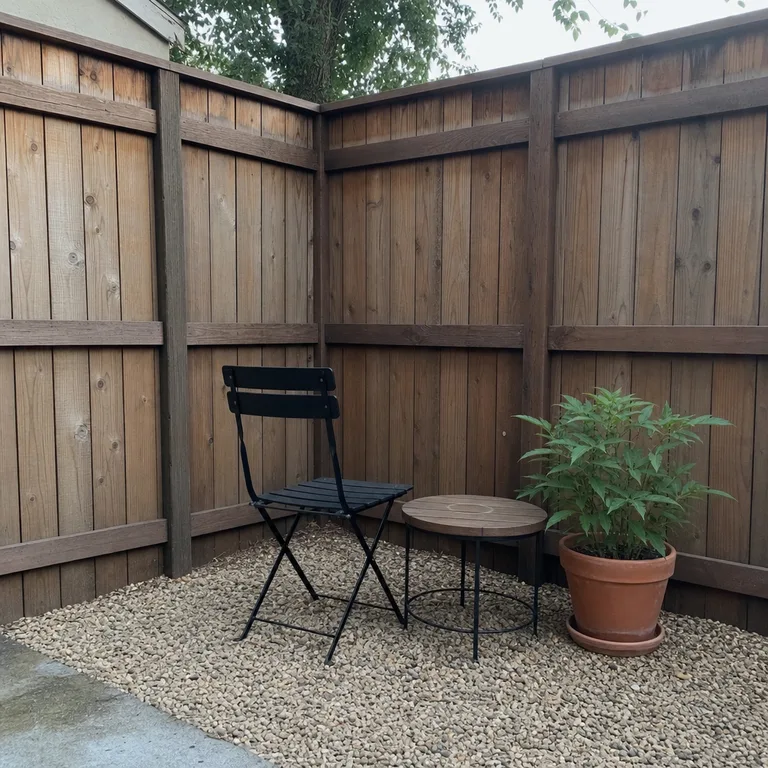
Choose freestanding pieces that can be rearranged or taken with you if the property is rented. A simple chair-and-pot grouping also leaves the rest of the gravel clear for circulation and seasonal garden tasks.
Worth knowing: Chairs can wobble on loose gravel, and outdoor furniture may need storing or covering during harsh weather.
8.Repeat Tall Narrow Containers Along One Edge
Place a loose row of tall, narrow containers along a blank wall or fence, using one upright plant form in each. Repeated vertical shapes give an open gravel area structure while keeping most of the surface available.
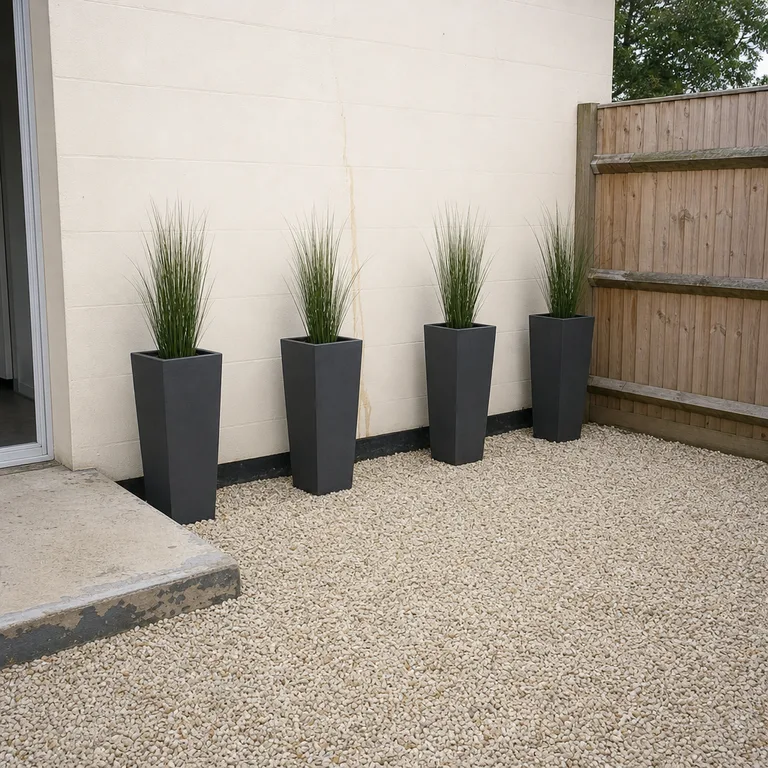
Matching planters are ideal, but similar containers in one colour family can also work. Choose upright grasses or other plants with a narrow mature habit, and set the containers on stable, level spots rather than loose sloping gravel.
Worth knowing: Tall pots can become unstable in exposed or windy locations, and their plants still need enough root space and regular watering.
About the author
Dana Ruiz, Senior editor
Dana writes about small-space living, storage and low-cost decorating.
Keep reading
7 Budget Outdoor Christmas Lighting Layouts for Small Homes
November 7, 2026
8 Budget Ways to Add Winter Color to a Small Garden
November 7, 2026
9 Budget Garden Focal Point Ideas With Secondhand Finds
November 6, 2026
8 Budget House Number Displays for an Easy-to-Find Entrance
November 6, 2026