8 Small Lettuce Container Garden Plans for a Patio or Balcony
These eight container layouts keep lettuce close to the kitchen while matching the crop to available patio or balcony light, shallow roots, and repeat harvests. Use food-safe pots with drainage, fresh container mix, and local planting times, since lettuce is best suited to cooler conditions and may need afternoon shade in warm weather.
As an Amazon Associate I earn from qualifying purchases.
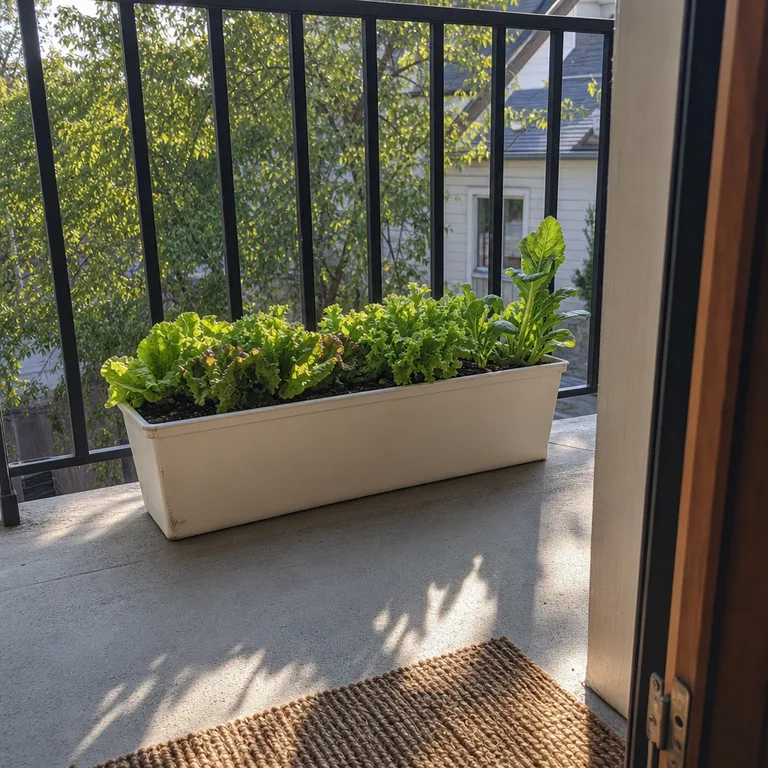
1.Single Wide Pot for Loose-Leaf Lettuce
Give one broad, low pot to a loose-leaf lettuce variety rather than crowding it with flowers or larger vegetables. Place it close to the door or patio steps so picking a few outer leaves is an easy part of meal preparation.
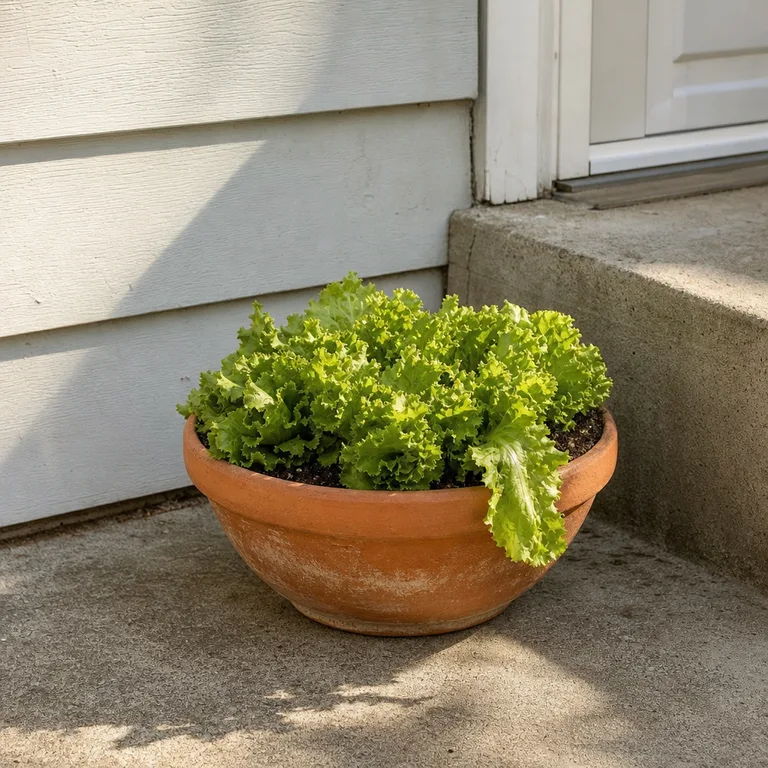
Fill the pot with fresh container mix and sow or transplant with room for each plant to develop. Pick the larger outside leaves first and leave the center intact; in hot climates, move the pot into gentle afternoon shade to slow stress and bolting.
Worth knowing: A single pot is simple to manage, but all of its plants may mature at roughly the same time unless new seed is added later.
Related: 12 Container Garden Ideas for a Small Patio on a Budget
2.Two Pots for Staggered Lettuce Sowing
Use two similar containers as a small rotation: one holds established lettuce while the other starts a later sowing or a few young transplants. This separates the crop into stages without making the patio look crowded.
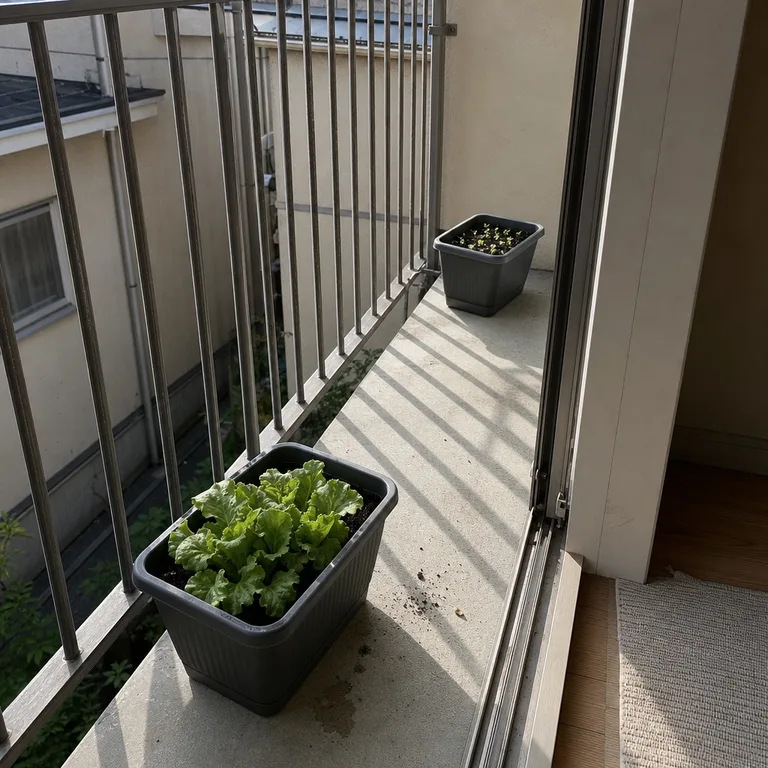
Start the second pot after the first has settled in, then continue alternating as space opens up. Put both where they receive usable light, but remember that nearby walls and railings can shift shade patterns quickly on a balcony.
Worth knowing: This plan needs regular attention to sowing dates, or the two pots can still catch up and reach harvest together.
3.Shallow Trough for a Cut-and-Come-Again Mix
A long, shallow trough suits a dense sowing of baby-leaf lettuce, especially on a bench, ledge, or narrow patio edge. The low profile keeps the planting within reach and makes a small crop read as one tidy green strip.
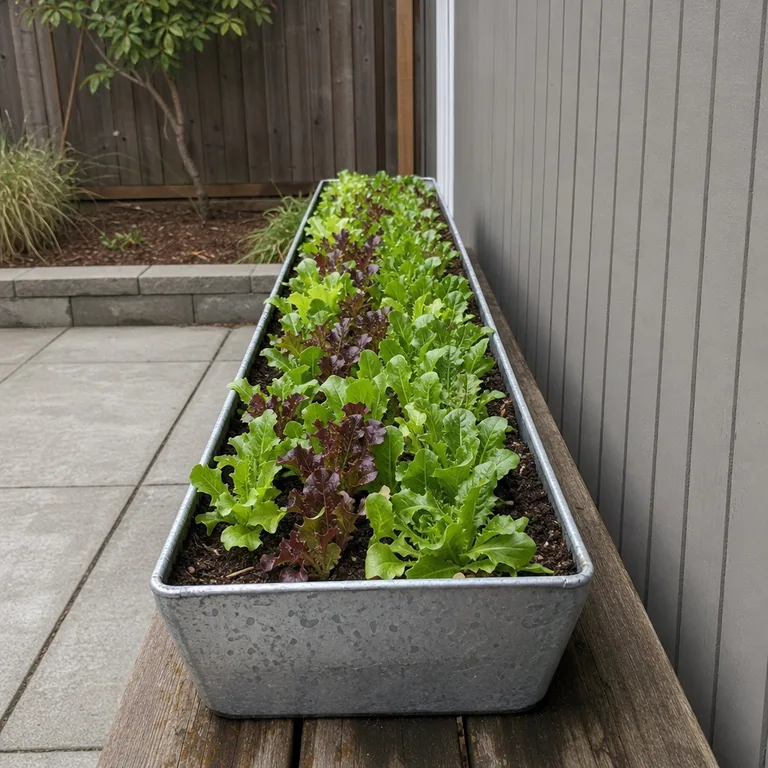
Sow a lettuce mix across the surface of moist container mix, then harvest young leaves by cutting above the base instead of pulling plants out. Check moisture often because shallow containers dry faster than deeper pots, particularly in wind.
Worth knowing: Baby-leaf plantings are productive for a shorter period than larger individual plants and need prompt re-sowing after harvests slow.
4.Fabric Grow Bag Beside a Sunny Patio Wall
Set a fabric grow bag in a patio corner where lettuce can receive morning sun and avoid the hardest afternoon heat. Its soft sides and movable form make it useful where a permanent planter would be awkward.
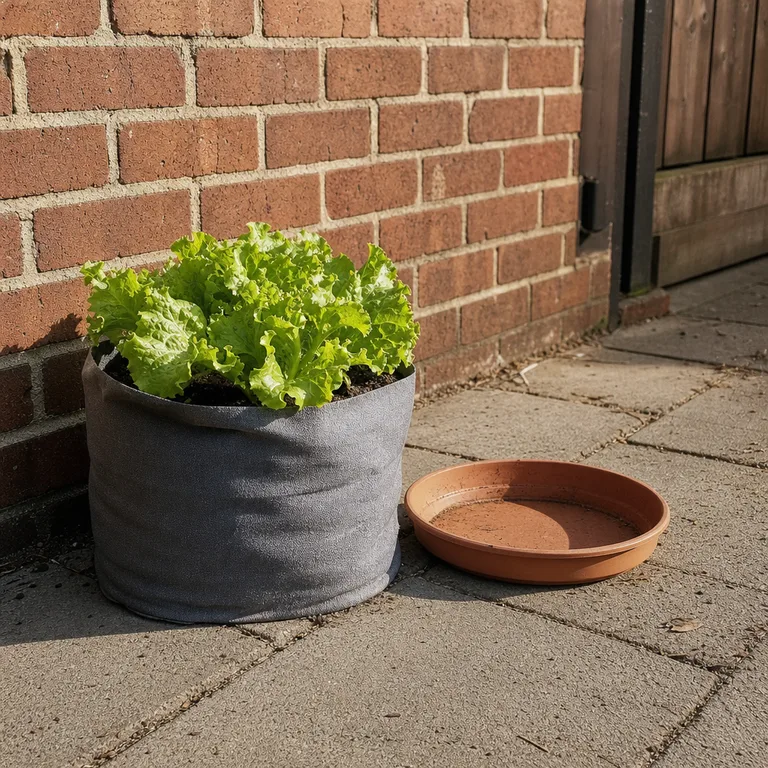
Use a bag with drainage and support it on a tray only when needed to protect the surface below. A wall can hold warmth well into the day, so shift the bag farther from heat-reflecting brick or paving if leaves begin to wilt.
Worth knowing: Fabric bags can dry quickly in warm or windy weather, so they may need more frequent watering than heavier containers.
5.Ground-Level Window Box Along a Balcony Railing
Place a window-style planter on the balcony floor inside the railing to create an accessible row of compact lettuce. Keeping it on the floor avoids the installation issues of hanging boxes while still using the bright edge of the balcony.
Choose a planter with reliable drainage and keep its outlets clear of the balcony's own drainage route. Apartment and condo rules may limit where planters can sit, so confirm that the box will not obstruct access, drip onto another unit, or create a safety concern.
Worth knowing: A floor-level planter can take up valuable walking space on a narrow balcony.
Related: 12 Budget Balcony Ideas for a Comfortable Outdoor Corner
6.One Pot of Red and Green Lettuce Varieties
Plant red and green loose-leaf lettuces together in one broad container for a crop that is easy to scan and pick from. The color contrast also makes gaps, pest damage, and fading leaves more noticeable during routine watering.
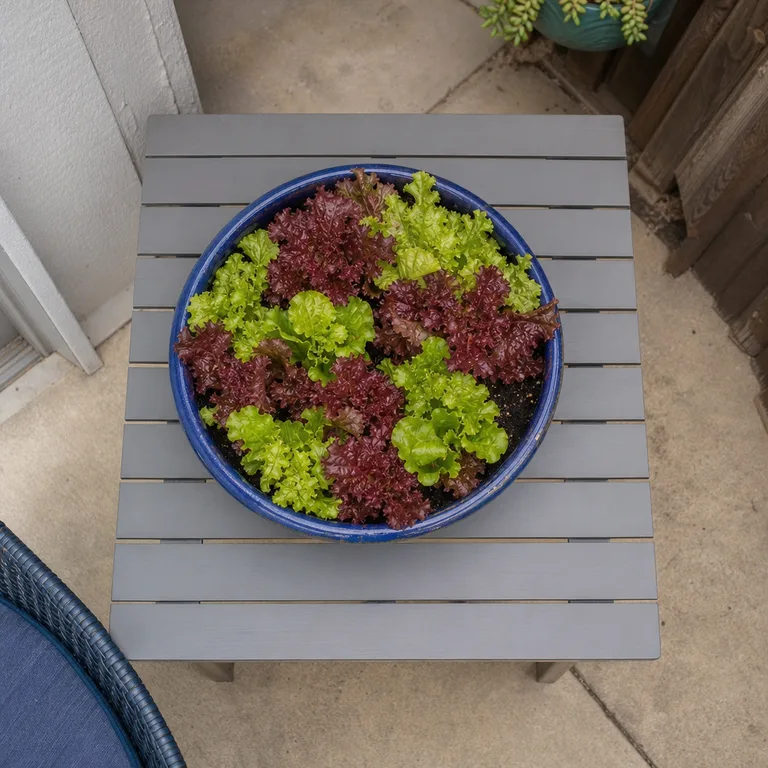
Choose varieties with similar cool-season needs and avoid packing them tightly together. Leave open space around the plants so foliage can dry after rain or watering, which is especially useful during damp spells.
Worth knowing: Different varieties may grow at different speeds, so the pot will not always look evenly filled.
7.Separate Shallow Tray for Baby Lettuce Leaves
Reserve a shallow tray for lettuce that will be harvested young, rather than using it for head-forming types that need more root room. The tray can sit on a sturdy outdoor table or shelf where cutting leaves is convenient.
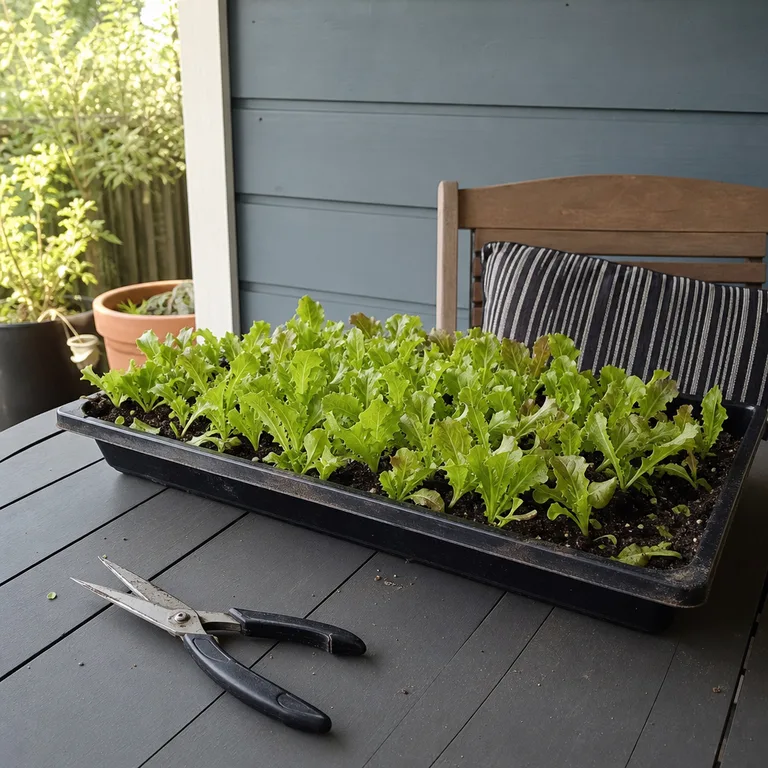
Sow closely in fresh mix, keep the surface evenly moist, and snip leaves cleanly when they reach a useful salad size. Replant the tray soon after the first planting loses vigor, using a sheltered spot if heavy rain can flatten tender seedlings.
Worth knowing: Shallow trays are vulnerable to drying out and can be knocked over more easily than larger pots.
8.Nursery Pot Row for Ongoing Replacement Plants
Line up several plain nursery pots with lettuce at different stages, from newly started plants to nearly harvest-ready leaves. When one plant bolts or is finished, remove that pot and bring a younger one forward without disturbing the rest of the row.
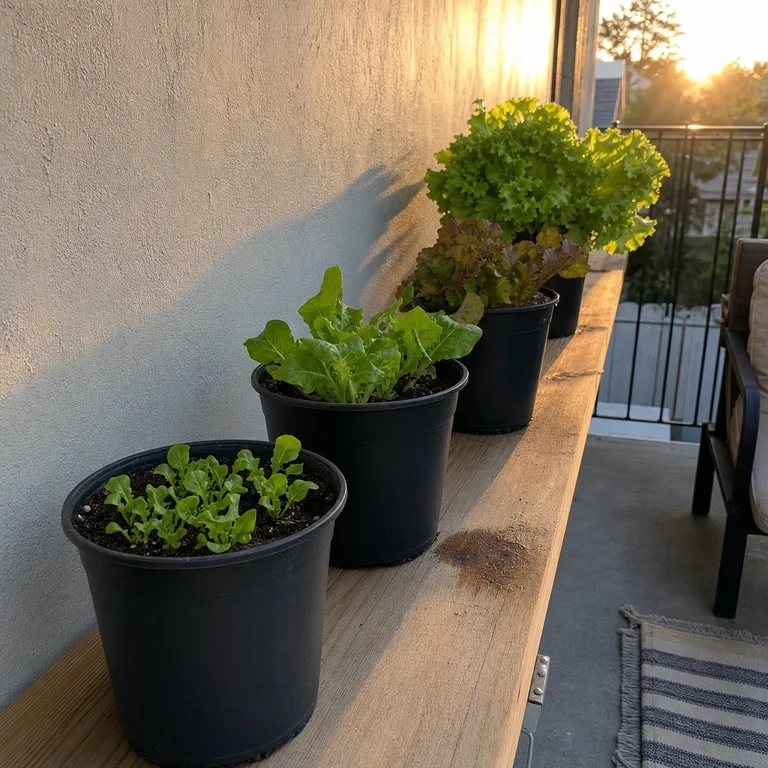
Reuse clean pots with drainage holes and label varieties or sowing times if several lettuces look alike. A narrow shelf can make this layout work in a small area, but make sure it is stable, weather-suitable, and allowed by the building if used on a balcony.
Worth knowing: Many small pots create more individual watering and maintenance tasks than one larger container.
About the author
Dana Ruiz, Senior editor
Dana writes about small-space living, storage and low-cost decorating.
Keep reading
6 Container Pond Setups for a Small Garden Without Digging a Large Pond
October 18, 2026
8 Christmas Garden Fence Decorations That Keep Gates Easy to Open
October 16, 2026
10 Christmas Advent Calendar Displays for Small Homes
October 18, 2026
6 Entryway Parking Ideas for a Folded Stroller in a Small Apartment
October 18, 2026