7 Dish Drying Setups for a Small Kitchen With Almost No Counter Space
A small kitchen needs a drying setup that manages wet dishes immediately, then clears away so the counter can return to food prep. These seven options use the sink, a narrow edge, or a fold-flat surface while keeping drainage direction, faucet clearance, and cleanup in view.
As an Amazon Associate I earn from qualifying purchases.
1.Use a Compact Draining Board Rack Beside the Sink
A compact rack paired with a draining board gives hand-washed plates, cups, and cutlery one controlled place to land. It works best on the side of the sink that is not needed for immediate prep, with the board angled so water returns to the basin.
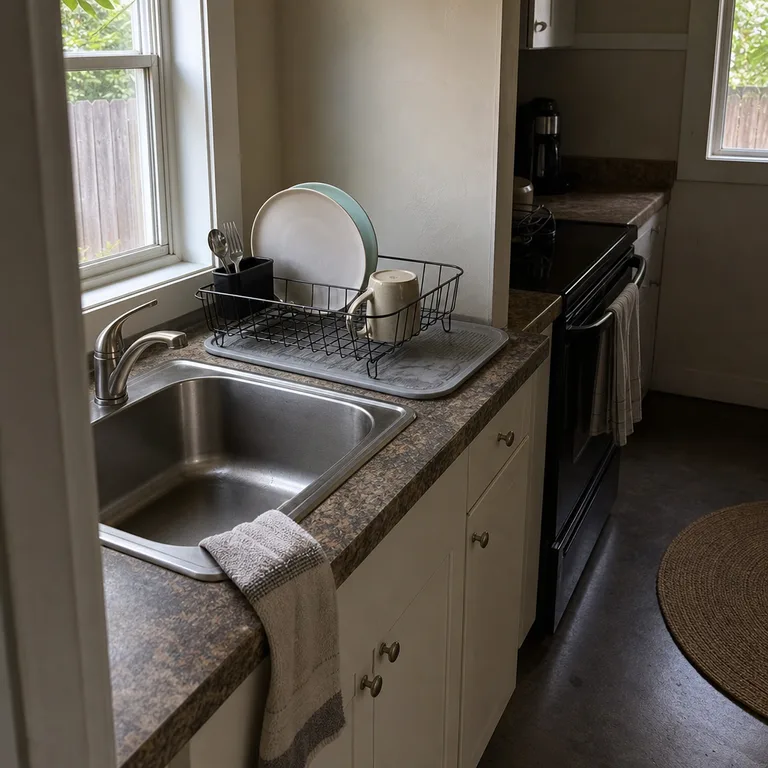
Choose a small rack that handles the dishes used most often rather than trying to hold a full load. Reuse a shallow tray or draining board if it directs water safely; otherwise, look for a removable board with a clear drip path and an easy-to-clean utensil cup.
Keep the board dry underneath and wipe the counter edge regularly, especially where water could reach a cabinet seam.
Worth knowing: This setup still takes up a section of counter while dishes are drying, and a poorly aimed drain spout can leave standing water on the worktop.
2.Set a Removable Rack Across the Sink Basin
An over-sink rack puts wet dishes above the basin, so drips fall where they belong and the surrounding counter remains available. It suits a narrow kitchen where even a small countertop rack would interrupt chopping or serving space.
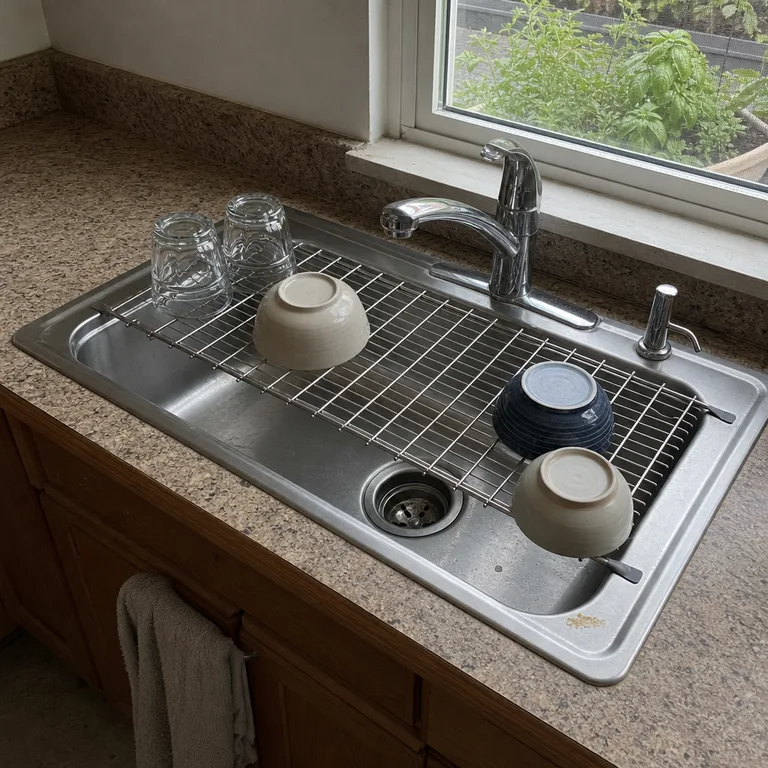
Measure the inside width of the sink, the rim shape, and the area around the faucet before choosing a rack. A simple removable model is easier to lift away after washing than a large fixed organizer, and silicone or rubber contact points help protect the sink rim.
Load heavier bowls and cookware carefully, and leave enough open space to reach the drain when needed.
Worth knowing: A rack that does not sit firmly on the sink edges can shift under a wet, uneven load, and some faucet shapes leave too little clearance.
3.Roll Out a Foldaway Drying Mat Only When Needed
A drying mat is useful for a small batch of glasses, utensils, or a saucepan lid when there is no room for a permanent rack. Once the dishes are put away, the mat can be folded, rolled, or hung so the counter becomes usable again.
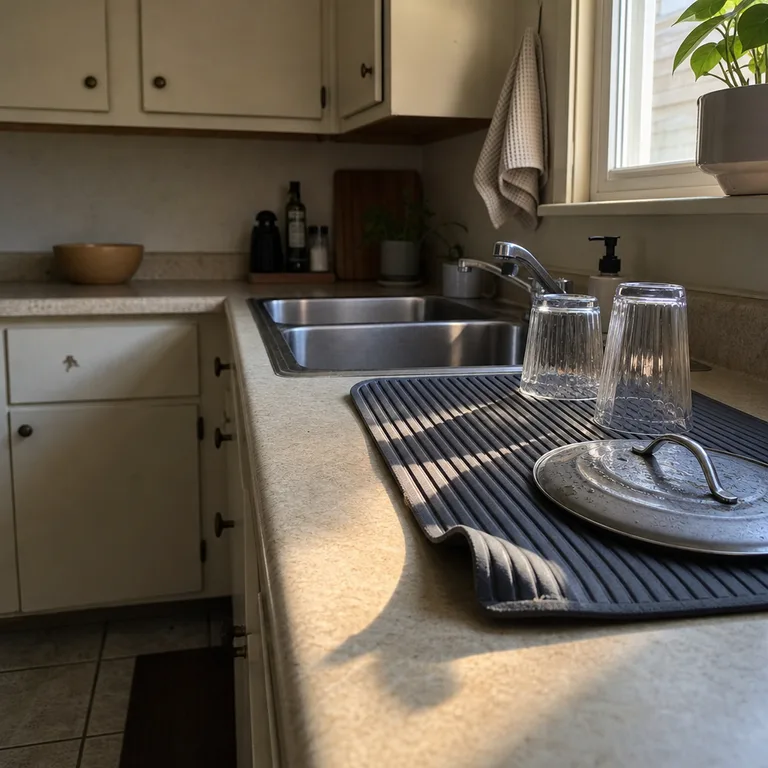
Use a ribbed silicone mat for water drainage or an absorbent fabric mat for lighter loads, depending on what is easier to wash and dry in the kitchen. Set it beside the sink only while washing, then rinse or launder it as appropriate and let it dry fully between uses.
A hook, towel bar, or narrow cabinet handle can provide a simple storage spot without giving up a drawer.
Worth knowing: Mats can trap moisture underneath or develop odors if they are stored damp, so they need more frequent washing and drying than a hard rack.
4.Drain Small Items in an In-Sink Basket
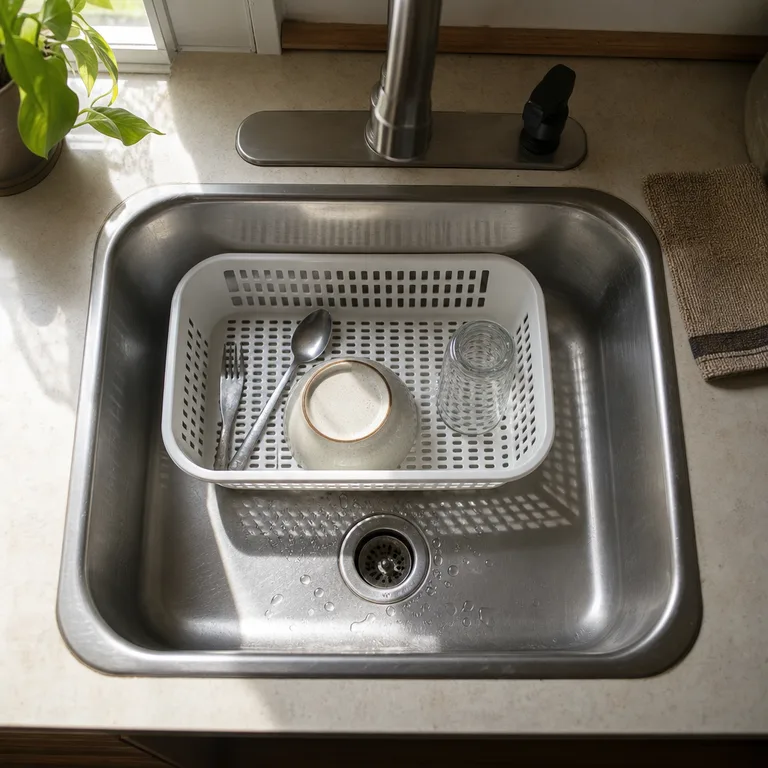
A perforated basket inside the sink keeps cutlery, small cups, and lightweight cookware from spreading across the counter. Water drains straight into the basin, and the basket can be removed as soon as the items are dry enough to put away.
Use a basket with openings small enough that utensils will not slip through, but open enough to rinse clean easily. A sink-corner caddy or shallow perforated bin can work when a full-size basket would take up too much of the basin.
This option is especially practical for a quick wash-up of a few items rather than a large meal's worth of dishes.
Worth knowing: The sink remains partly occupied until the basket is removed, which can be inconvenient in a kitchen with only one small basin.
5.Fill a Narrow Counter Strip With a Slim Side Rack
A slim rack can turn the unused strip beside or behind a sink into a defined drying zone. Plates stand in a line rather than spreading outward, leaving the broader part of the counter open for food preparation.
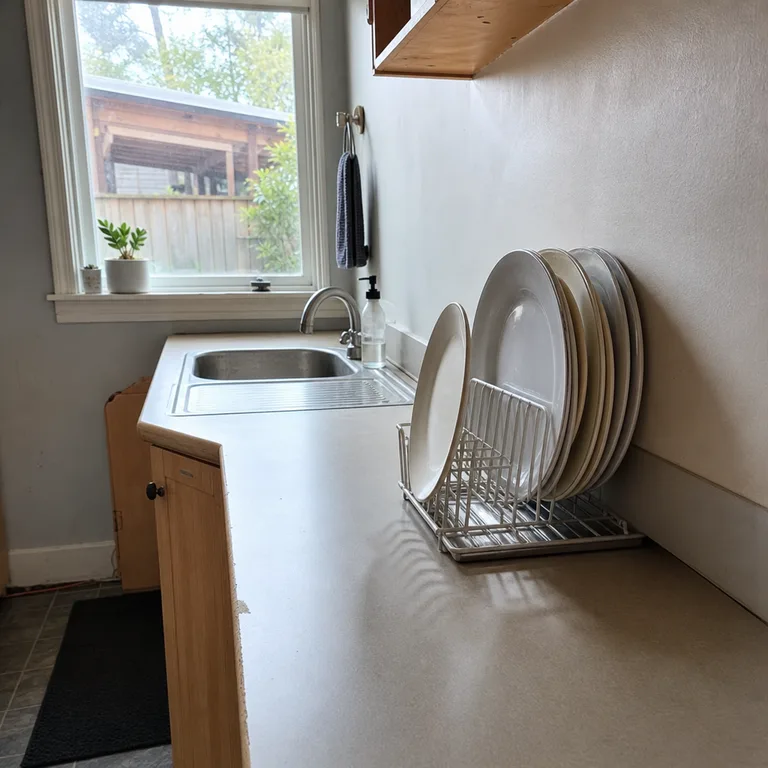
Choose the least-used side of the sink and measure its depth as well as its length; some narrow areas cannot safely hold a tray and upright plates. A separate drip tray makes the rack easier to lift for cleaning, and it helps keep runoff away from wall joints, cabinet seams, and nearby appliances.
Use the rack for everyday dishes rather than oversized pans that could tip or hang over the tray.
Worth knowing: A narrow rack has a limited load capacity, and runoff can damage vulnerable countertop edges if the drip tray is too short or poorly positioned.
6.Stand Plates Upright in a Vertical Drainer With a Tray
A vertical drainer uses height to hold a few plates in a small footprint. It can be a good fit for households that wash dishes in short batches and need the counter clear between meals.
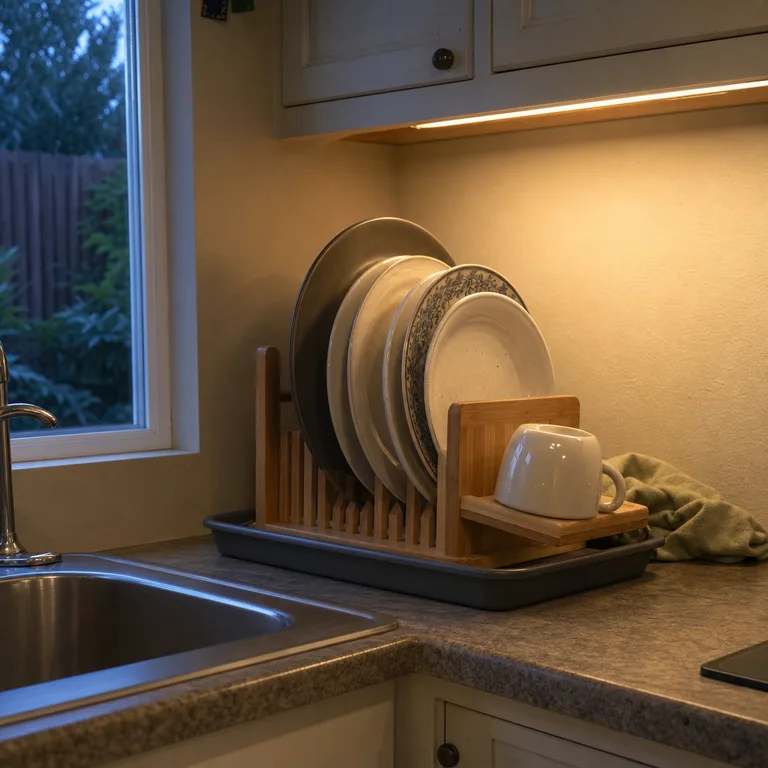
Set the drainer in a removable tray so water does not collect beneath the rack. Simple upright plate holders made from metal, plastic, or sealed wood can work, but the material should be easy to clean and able to dry thoroughly after use.
Leave enough space between plates for air to circulate, and empty the tray before water sits against the counter for long periods.
Worth knowing: Vertical racks are less useful for wide pans, mixing bowls, and larger cookware, which may need a different temporary drying spot.
7.Roll a Measured Rack Across the Sink After Washing
A roll-up rack creates a temporary bridge over the sink, allowing bowls, a colander, or a cutting board to drip directly into the basin. When the washing is finished, it rolls into a compact bundle for a drawer, cabinet, or upright storage spot.
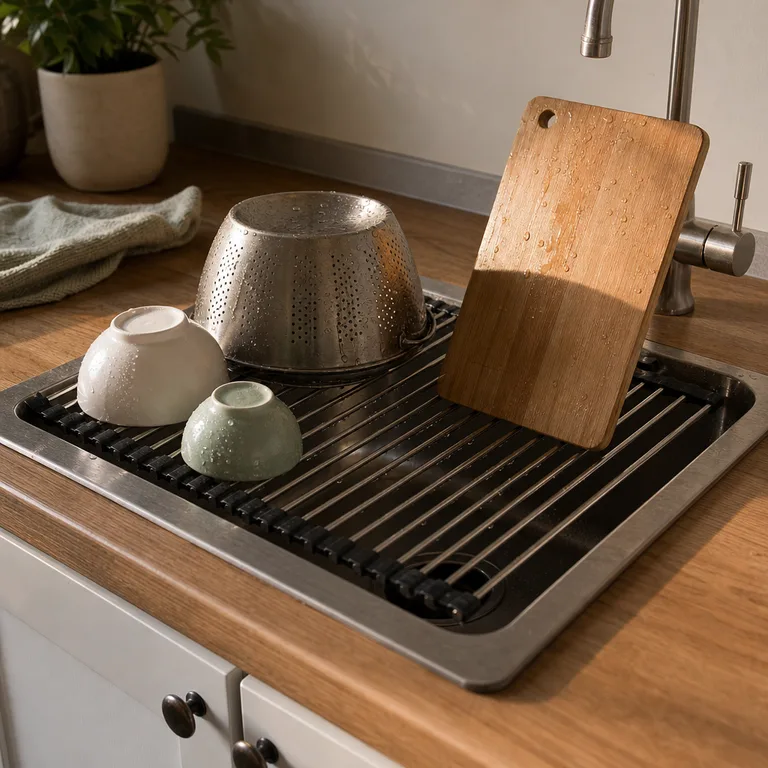
Measure the sink span carefully and check where the faucet reaches over the basin. Look for stable end grips and closely spaced rods so smaller items do not sag between them, then keep heavier cookware within the rack's stated load guidance.
This setup can also hold rinsed produce briefly, but it should not block access to a hot cooking surface or be treated as a permanent counter extension.
Worth knowing: Not every sink has a level, wide enough rim for a roll-up rack, and an overloaded rack can bow or shift into the basin.
About the author
Dana Ruiz, Senior editor
Dana writes about small-space living, storage and low-cost decorating.
Keep reading
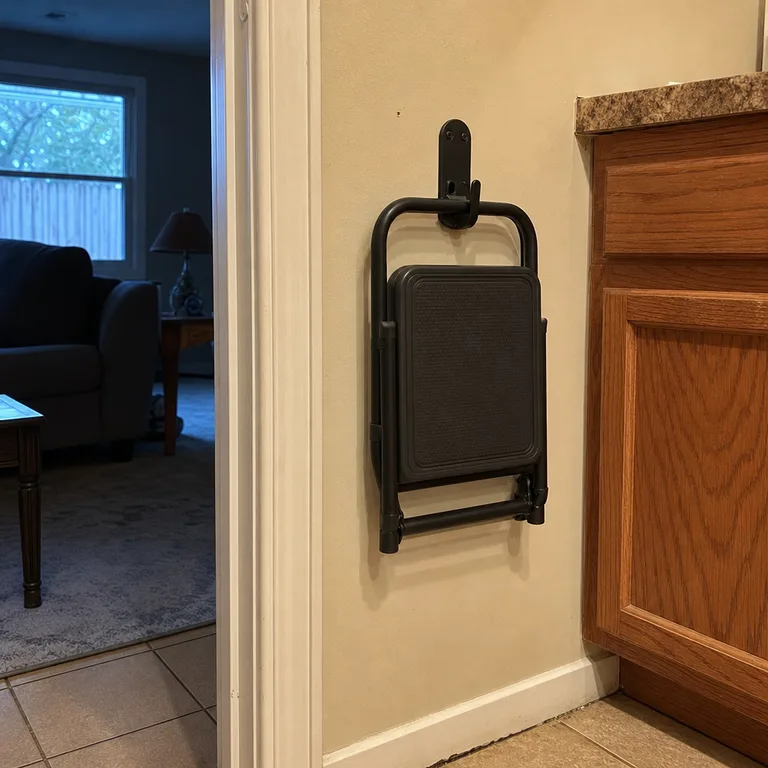
6 Parking Spots for a Folding Step Stool in a Small Kitchen
October 19, 2026
10 Christmas Advent Calendar Displays for Small Homes
October 18, 2026
8 Christmas Chair Back Decorations Using Ribbon and Reusable Accents
October 21, 2026
12 Refrigerator Organization Habits That Do Not Require Matching Bins
October 20, 2026