12 Ways to Style Mismatched Christmas Ornaments on the Tree You Own
A mixed ornament collection can look intentional when color, finish, size, and placement follow a few simple repeats rather than a matching set. These twelve arrangements work with inherited pieces, handmade decorations, and basic fillers already on hand while keeping the tree safe for daily household use.
As an Amazon Associate I earn from qualifying purchases.
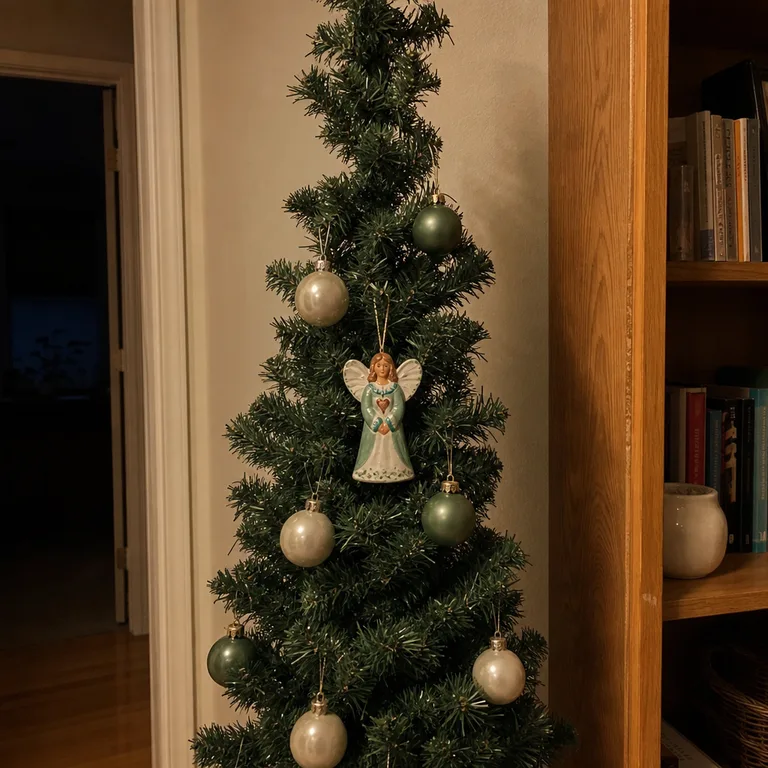
1.Repeat One Ribbon Color Through the Branches
Choose a ribbon color that already appears in several ornaments, then run it through the tree in loose vertical paths. The repeated color gives unrelated glass, wood, and handmade pieces a common thread.
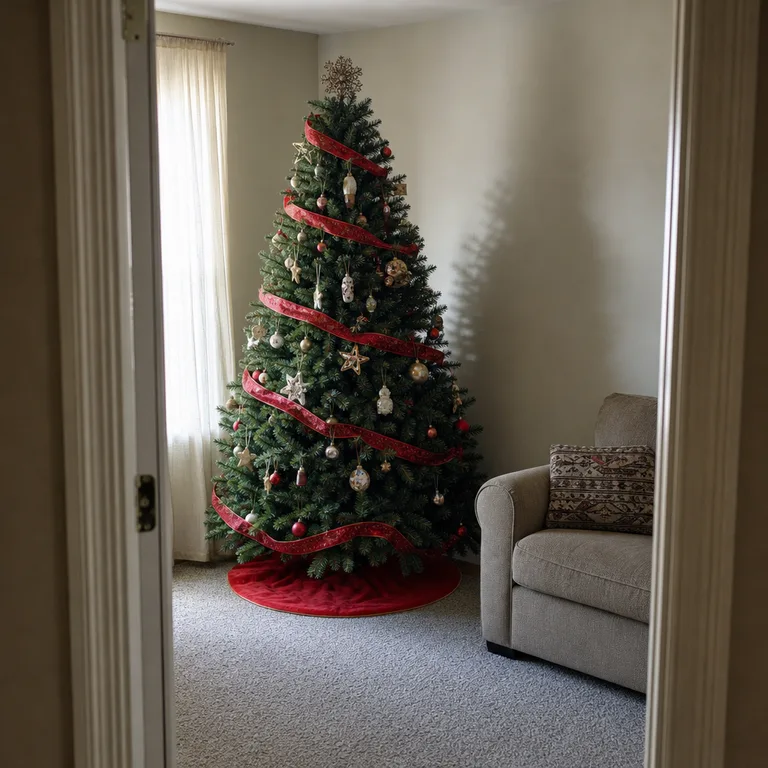
Use lengths of ribbon saved from past holidays, gift wrap, or storage bins, and tuck rather than tightly wrap them around branches. Keep the loops uneven and soft so the ribbon supports the ornaments instead of becoming another busy layer.
Wired ribbon is easier to shape, but lighter ribbon can be secured with small ties or tucked into sturdy branch joints.
Worth knowing: Ribbon can catch on fragile ornament hooks, so adjust it gently and keep it clear of tree lights.
2.Spread Large Ornaments Across the Whole Tree
Hang the largest ornaments in separate zones rather than collecting them on one side or only near the bottom. Place one, step back, then add the next where the tree looks comparatively light.
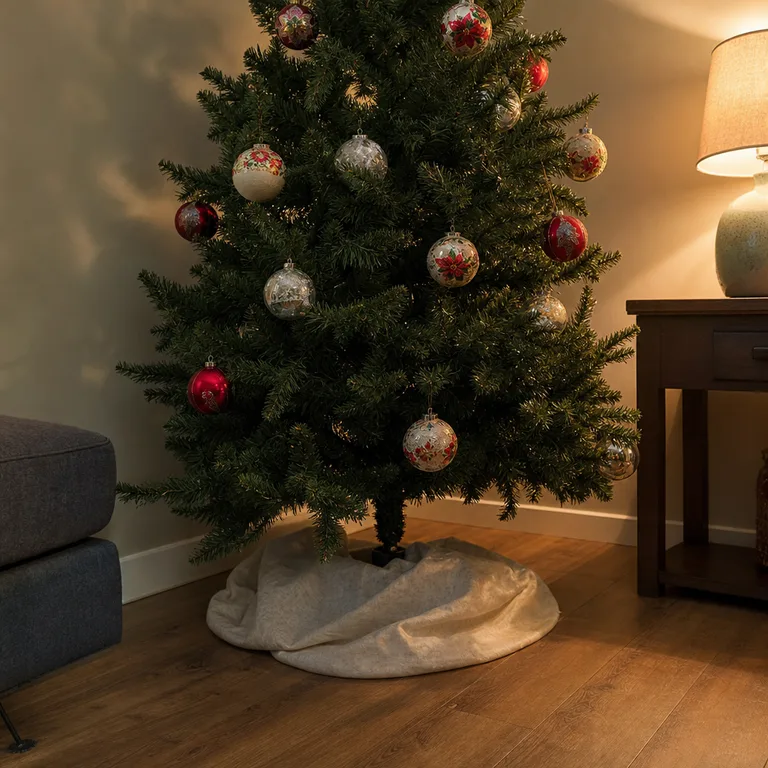
This gives the tree an even outline and prevents a few oversized keepsakes from making one area feel crowded. Large pieces also act as visual anchors for smaller ornaments nearby.
Use the strongest branches for heavier items and place them closer to the trunk when a branch starts to dip. A larger ornament does not need to hang at the branch tip to be seen.
Worth knowing: Very heavy ornaments may not be suitable for a slim tree or weak artificial branches, even when spaced evenly.
3.Group Small Ornaments in Little Clusters
Put tiny bells, miniature figures, and small keepsakes in clusters of three or five. Hang them close enough that they read as one detail, with a little space between the individual pieces.
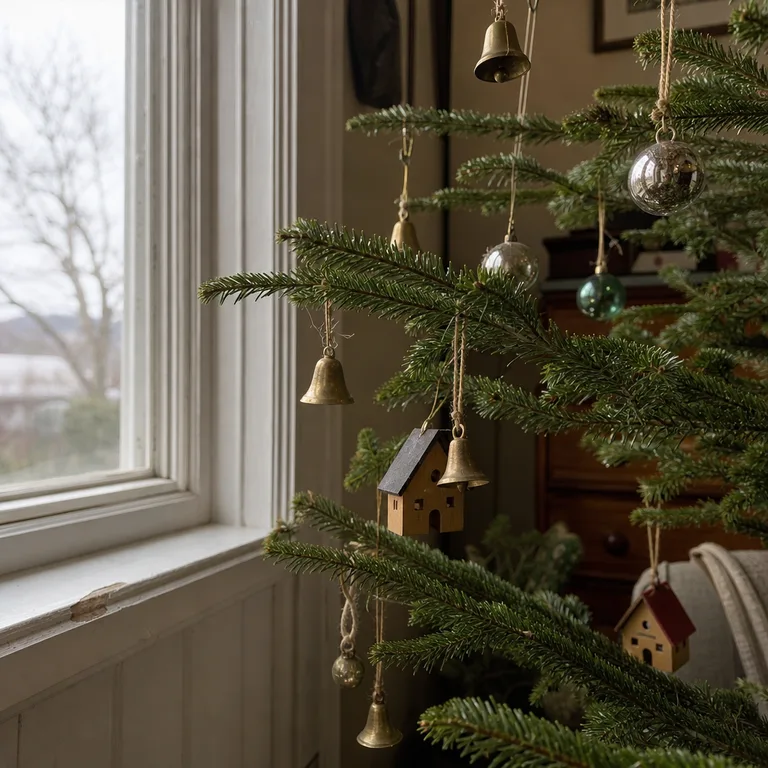
Clusters make small ornaments visible from across the room and give the eye a reason to pause. They also stop a collection of miniatures from looking scattered or lost in dense greenery.
Combine pieces with a shared material or mood, such as little wooden ornaments with bells, or several tiny painted decorations. Use secure hooks and avoid overloading a single thin branch.
Worth knowing: Clusters can look cluttered on a small or narrow tree, so leave open branches around them.
4.Alternate Shiny and Matte Finishes
Pair glossy ornaments with matte painted, felted, clay, wood, or natural-finish pieces along the visible branches. A reflective ball beside a soft or dull surface makes both finishes easier to notice.
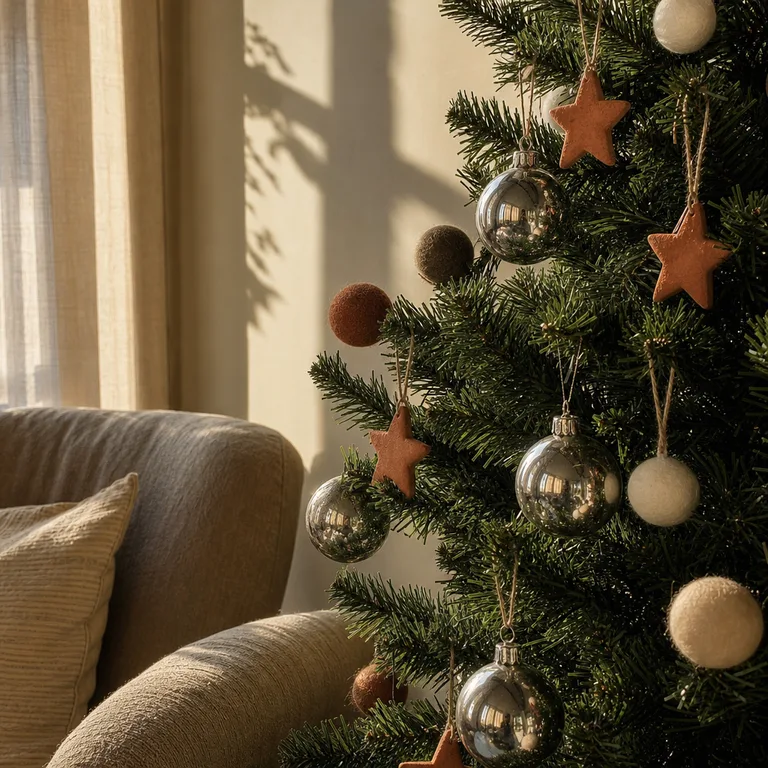
The contrast adds depth without requiring a strict color palette. It is especially helpful when most ornaments are similar shades but come from different years and collections.
Move a few shiny ornaments toward dimmer areas of the tree where they can catch room light, while matte pieces can fill brighter sections without glare. Avoid placing every reflective piece at the outer edge.
Worth knowing: Glass ornaments near windows can produce strong glare during daylight, which may hide their color from the main viewing spot.
5.Use Plain Baubles Around Heirloom Pieces
Give a detailed heirloom ornament room by hanging plain single-color baubles around it. Cream, green, metallic, or clear basics can frame a painted ceramic piece or a sentimental handmade decoration without competing with it.
The simpler ornaments make the special piece feel intentional rather than isolated. This works well when inherited ornaments have different themes, from angels and animals to travel souvenirs.
Use any plain ornaments already in storage as quiet fillers, keeping their colors close to the tree palette. Leave a small amount of green space around the heirloom so its shape stays visible.
Worth knowing: A plain bauble should support the focal ornament, not conceal it, so avoid placing several large fillers directly in front of the keepsake.
6.Repeat One Ornament Shape in Several Areas
Look for a shape that appears more than once, such as stars, birds, hearts, teardrops, or houses. Repeat that shape in different parts of the tree, even if each version is made from a different material or color.
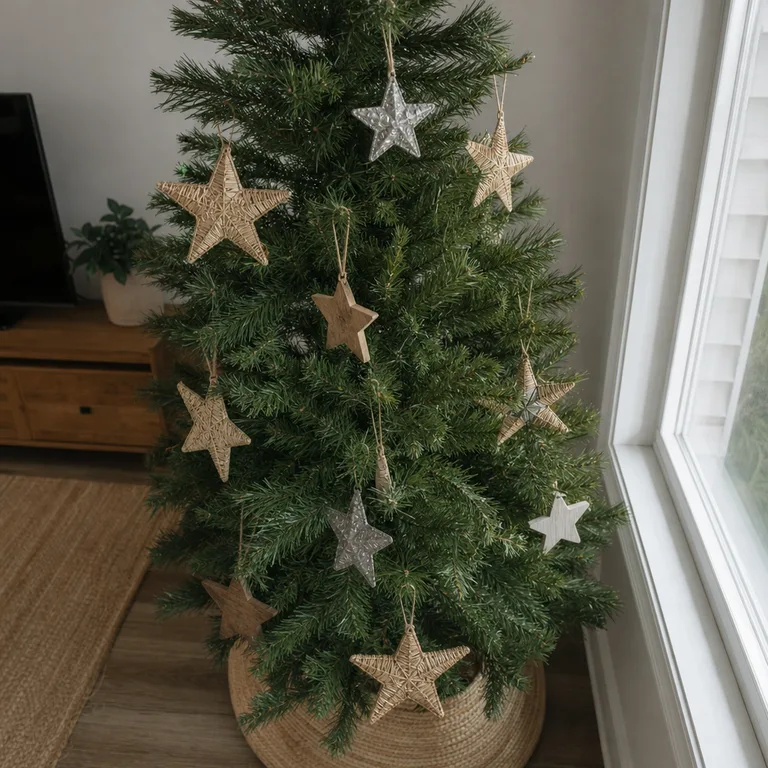
A recurring silhouette creates a pattern that is more subtle than a matched set. Tin stars, straw stars, and painted wooden stars can look connected simply because their outlines echo one another.
Place the repeated shape at different heights and depths, rather than in a straight line. This lets the pattern appear naturally as the tree is viewed from around the room.
Worth knowing: Forcing an unrelated shape into too many areas can make a limited collection look more random, not less.
7.Balance Color by Visual Weight
Treat dark, bright, and saturated ornaments as visually heavier than pale or clear ones. Spread navy, burgundy, red, or deep green pieces through several areas, then use lighter ornaments to give the eye breathing room.
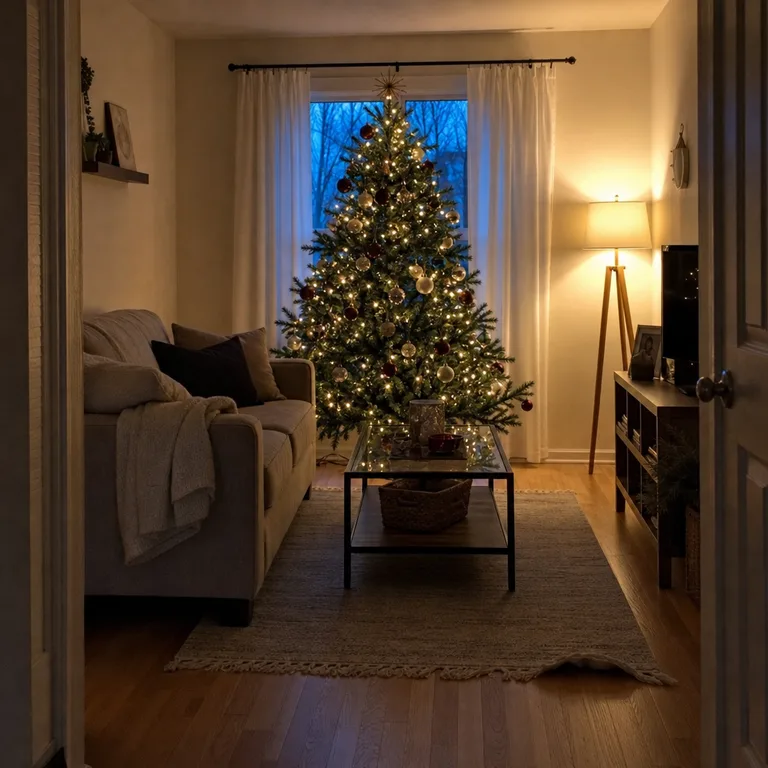
This approach works even when the collection has no single dominant color. The tree feels balanced from a distance because no one dark patch pulls attention away from the rest.
Check the tree from the main seating area and move only the colors that gather too strongly in one spot. A dark ornament set slightly farther inside the branches can still add color without dominating the surface.
Worth knowing: A tree viewed mainly at night may need a different balance than one seen in daylight, because darker ornaments can disappear in low light.
8.Hang Sturdy Ornaments on Lower Branches
Use lower branches for durable wood, fabric, plastic, and securely made ornaments. These are the areas most likely to be brushed by people, reached by children, or investigated by pets.
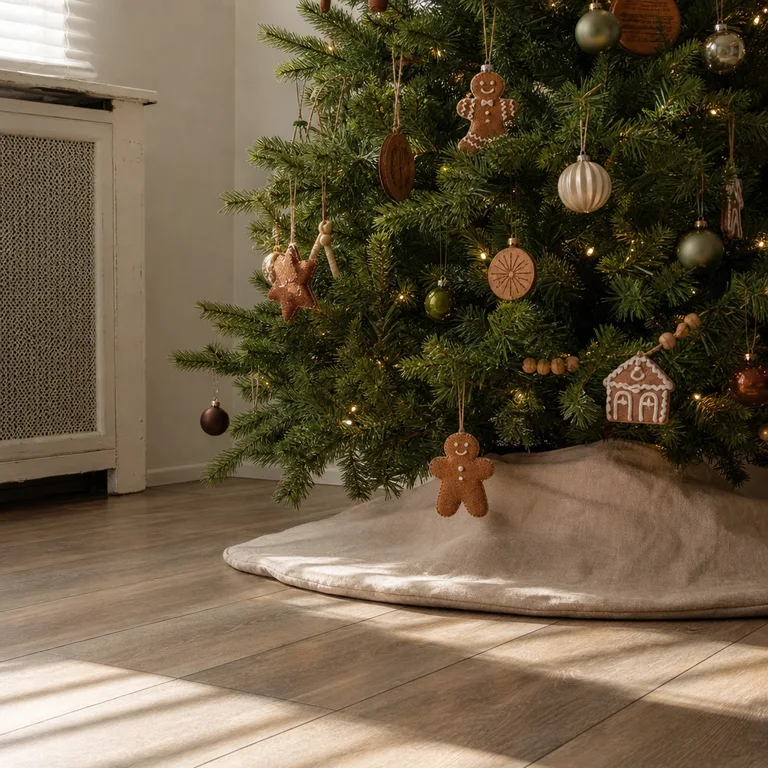
The lower third can still look finished when it holds softer handmade pieces, shatter-resistant balls, and lightweight family decorations. Keeping delicate items higher also reduces worry during everyday use of the room.
Check that every lower ornament is firmly attached and does not hang where it can snag a passing sleeve. Choose inner or higher branches for anything with small loose parts.
Worth knowing: No ornament placement fully prevents access by determined pets or young children, so household supervision and tree stability still matter.
9.Keep Fragile Keepsakes Higher Up
Reserve upper and inner branches for thin glass, ceramic ornaments, and delicate inherited pieces. These locations keep them farther from foot traffic while letting them catch light among the upper branches.
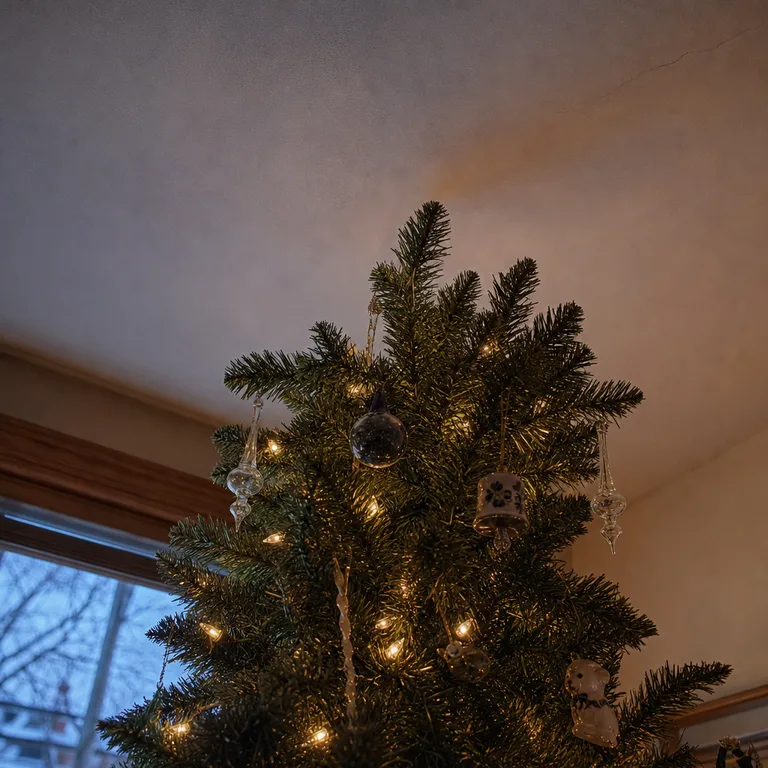
Hanging fragile pieces inward also creates depth, making the tree look layered instead of decorated only on its outer surface. Use a closed hook or secure hanging loop, and confirm the branch can hold the ornament without bending.
Place the most meaningful fragile items where they can be seen from the main view but are not at eye level for children or near an active doorway. Keep them away from hot bulbs if the tree uses lights that produce noticeable heat.
Worth knowing: High placement can hide small keepsakes, especially on a tall or densely decorated tree.
10.Set Lightweight Ornaments Near Branch Tips
Hang paper snowflakes, felt shapes, light plastic pieces, and other low-weight ornaments near the outer tips of branches. They add movement and dimension without pulling the branch line downward.
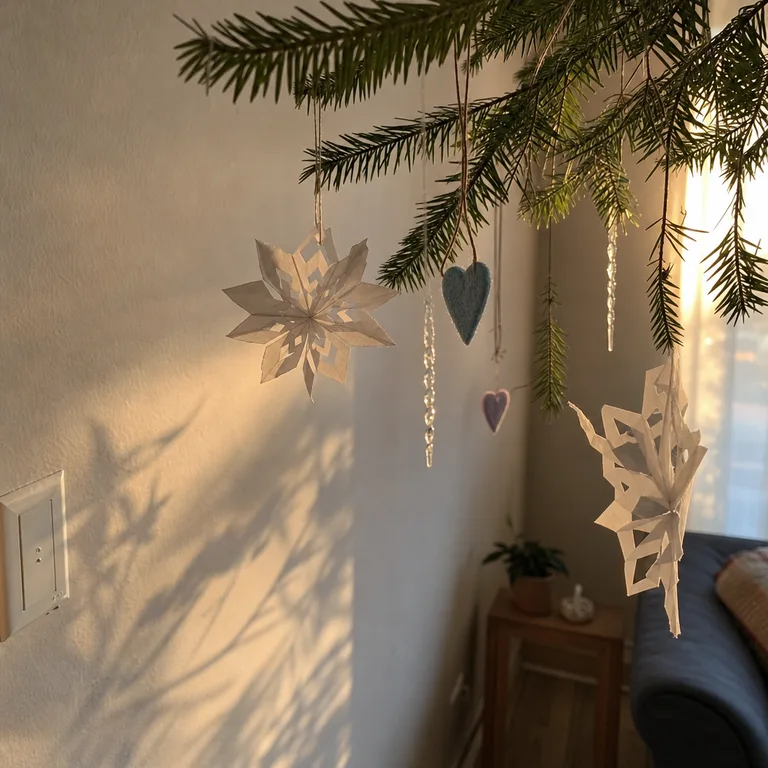
These light decorations soften the tree’s edge and help an older or sparse artificial tree look fuller. Their texture also breaks up a collection dominated by hard, round baubles.
Use thread, thin loops, or small hooks that do not tear paper or stretch felt. Keep paper ornaments away from damp windows, fireplaces, and areas where pets can chew them.
Worth knowing: Paper and felt can fade, crease, or absorb moisture over a season, particularly near sunny windows or humid entryways.
11.Leave Green Gaps Between Busy Areas
Leave visible pockets of branches between dense ornament groupings instead of filling every open spot. The greenery gives colorful collections a pause and helps favorite pieces stand out.
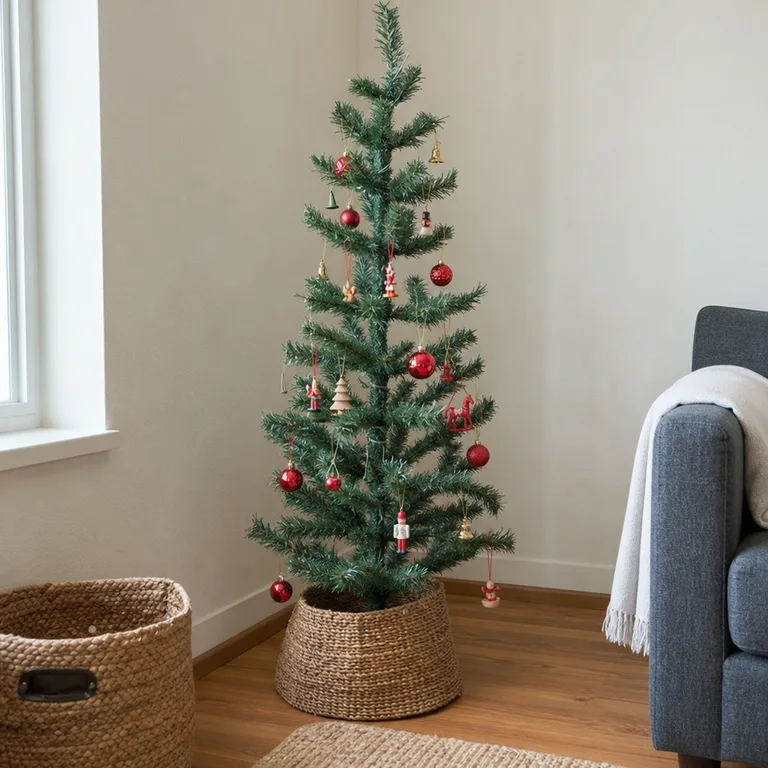
This is useful on smaller trees, where too many ornaments can flatten the shape and hide the branch structure. Open sections make clusters and color repeats look deliberate rather than accidental.
Work from the widest view first, then add only where the tree looks truly bare. If a branch already has several textures, colors, and shapes, let it stay finished.
Worth knowing: A very sparse tree may need more coverage overall, so the gaps should look intentional rather than unfinished.
12.Check the Arrangement From the Doorway
View the completed tree from the doorway or the spot where it is first seen when entering the room. That wider view reveals bare areas, crowded patches, and favorite ornaments hidden behind branches.
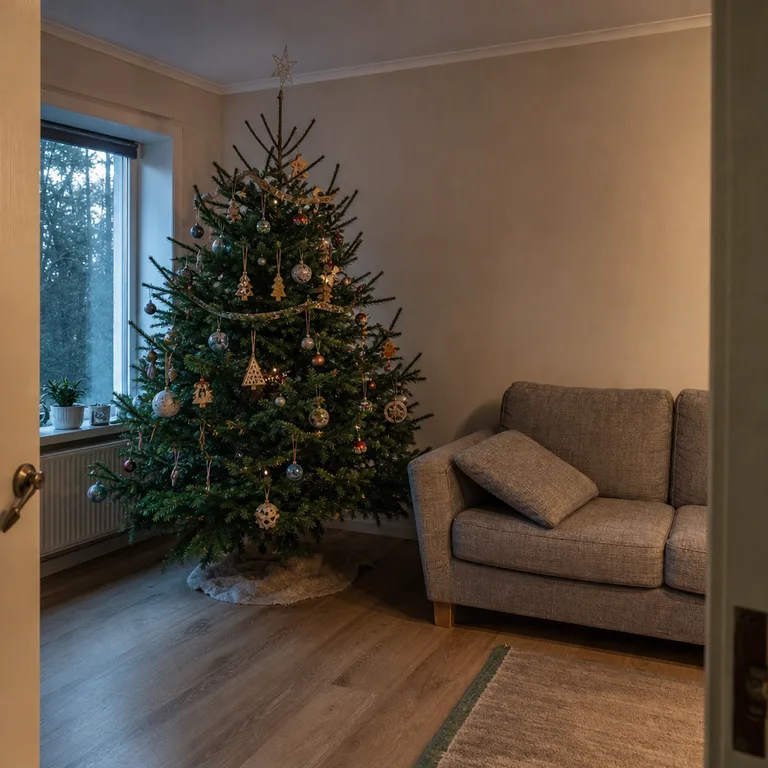
Make small adjustments rather than starting over: shift one large ornament, separate two similar colors, or bring a meaningful piece slightly forward. This keeps the arrangement natural and preserves the variety that makes a mixed collection personal.
Check the main sightline in both daylight and evening light if the tree is used at different times of day. Turn off and unplug lights before reaching deep into a wired tree to reposition ornaments.
Worth knowing: A tree can look balanced from the doorway but less polished from the side, so prioritize the view the household uses most.
About the author
Dana Ruiz, Senior editor
Dana writes about small-space living, storage and low-cost decorating.
Keep reading
6 Lampshade Swaps That Refresh a Table Lamp Without Replacing Its Base
October 16, 2026
9 Open Kitchen Shelf Styling Ideas Using Dishes You Actually Use
October 16, 2026
10 Shower Curtain Color Schemes That Work With Dated Bathroom Tile
October 16, 2026
7 Ways to Pair Mismatched Bedside Lamps So They Look Collected
October 16, 2026