8 Cabinet Hardware Looks That Refresh a Kitchen Using Existing Holes
Replacing approved cabinet hardware can change a kitchen’s mood while keeping the existing doors and drill holes intact. Each option depends on matching the current hole spacing, screw length, and door thickness, and renters should keep the original fittings for reinstalling when needed.
As an Amazon Associate I earn from qualifying purchases.
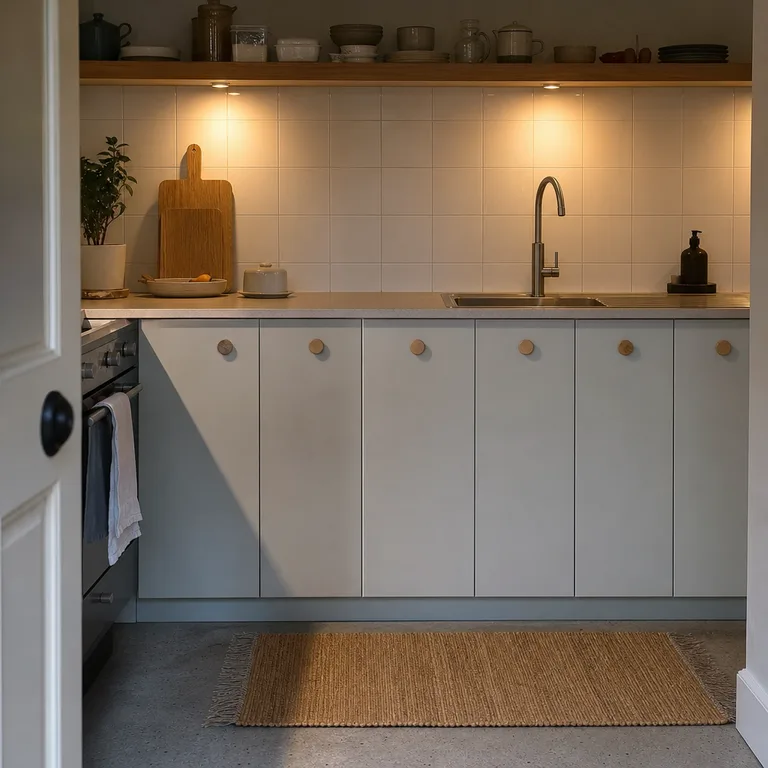
1.Matte Black Bar Pulls for Clear Contrast
Matte black bar pulls put a clean dark line across pale laminate, painted cabinets, and lighter wood fronts. They give a plain kitchen more definition without changing the cabinet color or door style.
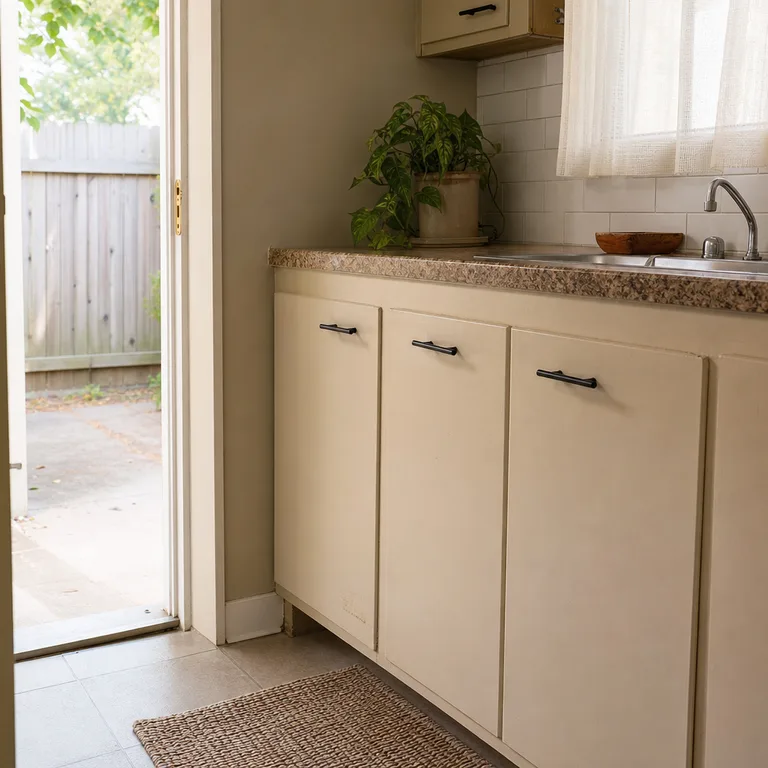
Choose a bar pull with mounting points that line up exactly with the holes already in the door or drawer. Shorter straight pulls are often the simplest fit for compact fronts, while a black finish also ties in naturally with dark faucets, appliances, or light fixtures.
Worth knowing: Matte black can show pale dust, dried water spots, and scratches more clearly than a brushed metal finish.
2.Brushed Stainless Pulls for a Quiet Utility Look
Brushed stainless pulls have a restrained, practical appearance that suits gray, white, blue, and cool-toned wood kitchens. Their soft directional texture is less reflective than polished metal, so the hardware does not become the strongest visual feature in the room.
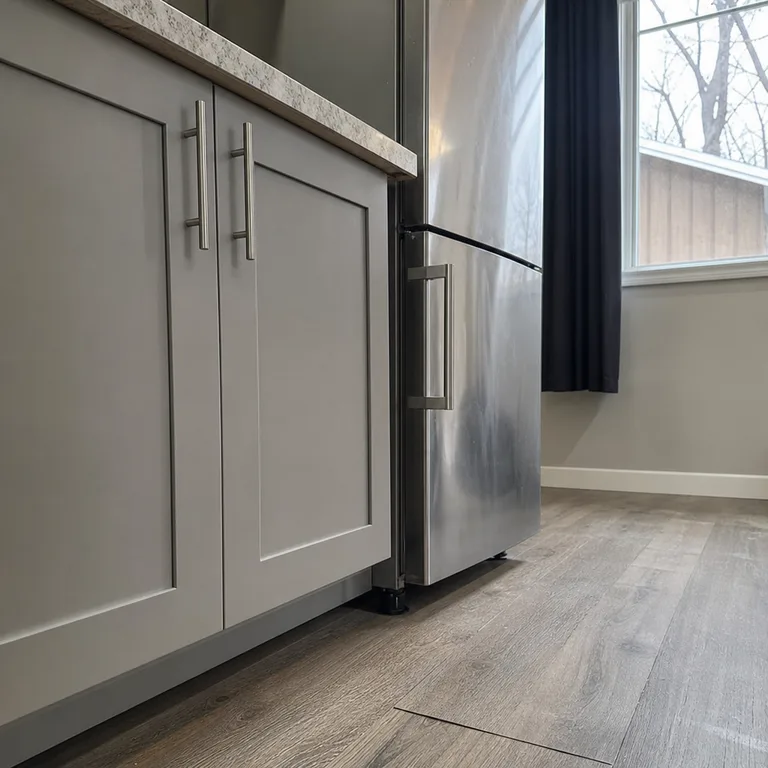
This finish works especially well where stainless appliances are already part of the kitchen. Compare the new pull’s mounting centers with the old fitting rather than relying on its overall length, then use screws suited to the cabinet door thickness.
Worth knowing: Stainless and brushed nickel can look slightly different beside one another, so a kitchen with visible appliance handles may not look fully matched.
3.Warm Brass Pulls Against Deep Cabinet Colors
Muted brass pulls warm up navy, forest green, charcoal, and medium wood cabinet doors. A brushed or aged-looking brass tone is usually calmer than a highly polished finish and adds contrast without needing a larger handle footprint.
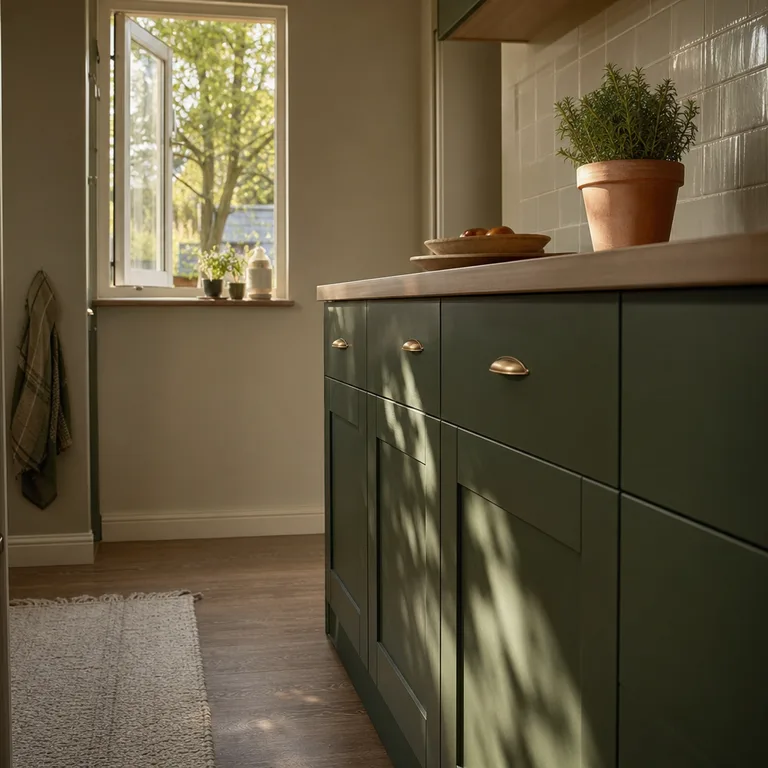
Use a simple bar or arch shape when the cabinet fronts already have two holes in the right position. Brass can also bring a warmer note to a kitchen with cool tile or stone-look counters, making existing finishes feel more intentional.
Worth knowing: Brass-toned finishes vary widely between makers, so new pulls may not coordinate closely with existing brass fixtures.
4.Small Ceramic Knobs for Cottage-Style Doors
Small ceramic knobs add a softer, more handmade detail to individual cabinet doors and drawers with one existing hole. Plain cream, white, or lightly speckled styles can suit cottage, farmhouse, and traditional kitchens without making the fronts feel overly decorated.
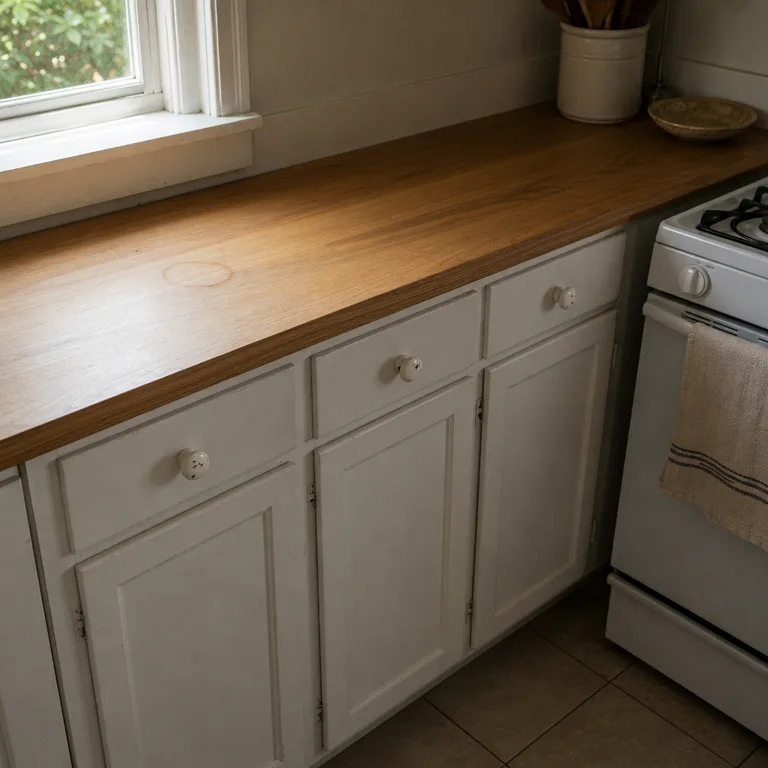
They are an affordable way to change the touchpoint of a cabinet, particularly on simple painted doors. Check that the knob’s projection clears a nearby wall, appliance edge, or another door when the cabinet is opened.
Worth knowing: Ceramic knobs can chip if struck by a pan or appliance door, and they are not a fit for doors that already have two handle holes.
5.Plain Wood Knobs for Light Natural Texture
Plain wood knobs soften the harder surfaces common in a kitchen, including laminate, tile, and flat painted cabinet fronts. They work particularly well when the room already has open wood shelving, a butcher-block-style worktop, or warm flooring.
Choose sealed wood knobs for cabinets close to a sink or cooktop, where steam and splashes are more likely. Unfinished knobs can be protected with an appropriate clear finish, but a factory-sealed option is simpler for a frequently used kitchen.
Worth knowing: Natural wood can darken, stain, or feel rough over time if it is left unsealed near moisture and cooking splatter.
6.Slim Straight Pulls for Flat-Front Cabinets
Slim straight pulls reinforce the clean horizontal and vertical lines of slab doors and drawers. Satin aluminum, nickel, or a similarly low-shine finish keeps the look light rather than making every cabinet front feel heavy.
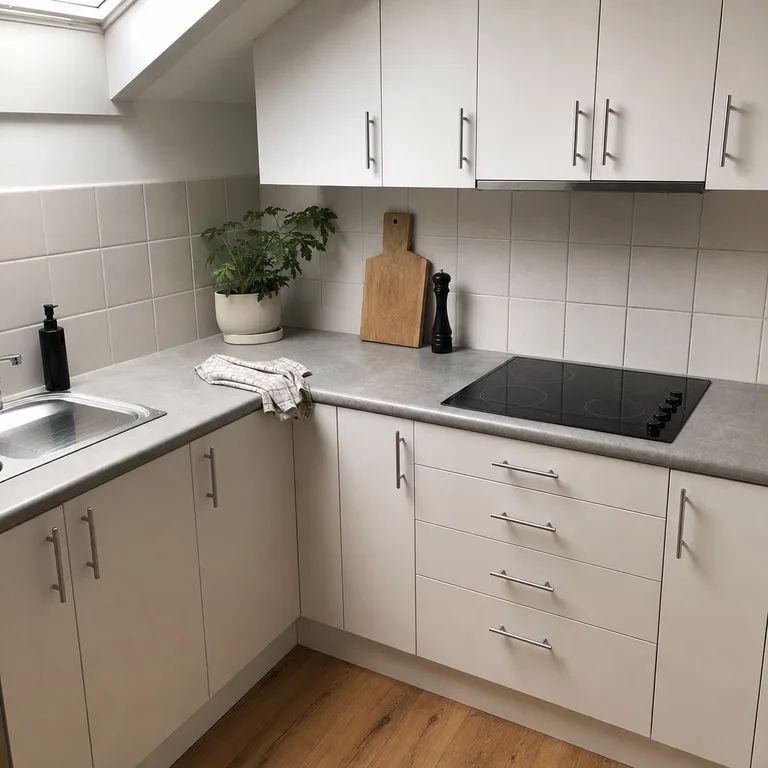
This option only works without drilling if the pull’s two mounting points match the existing holes exactly. Measure the hole centers and confirm the pull will sit comfortably within the drawer or door front, especially on narrow upper cabinets.
Worth knowing: A longer-looking pull cannot be adapted to different hole spacing without leaving old holes exposed or drilling new ones.
7.Curved Bin Pulls for Traditional Drawer Fronts
Curved bin pulls give drawer banks a familiar traditional shape and add more shadow than a flat bar handle. Aged bronze, dark nickel, and muted brass versions can make warm white, cream, and wood-look cabinets feel less plain.
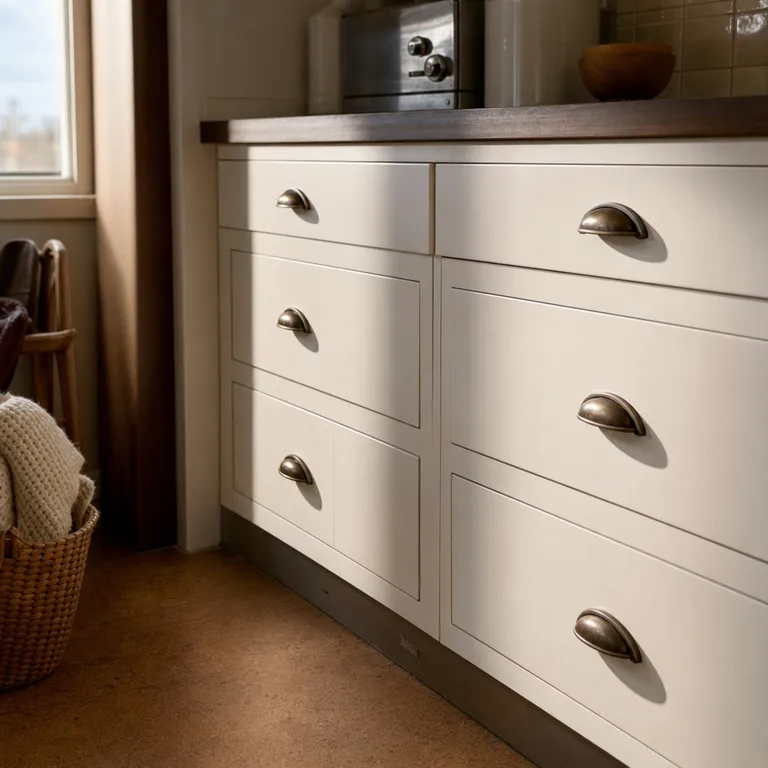
Use them on drawers that already have two holes placed for a pull, keeping the existing layout intact. Their curved form is most effective when repeated across a row of drawers, where it brings a consistent rhythm to an older kitchen.
Worth knowing: The deeper profile can interfere with appliance handles, tight walkways, or drawer clearance beneath an overhanging counter.
8.Matching Knobs and Pulls for a Consistent Layout
Using matching knobs on doors and coordinating pulls on drawers gives a mixed cabinet layout one clear visual system. This is useful in kitchens with different door sizes, where using the same shape everywhere may not be practical.
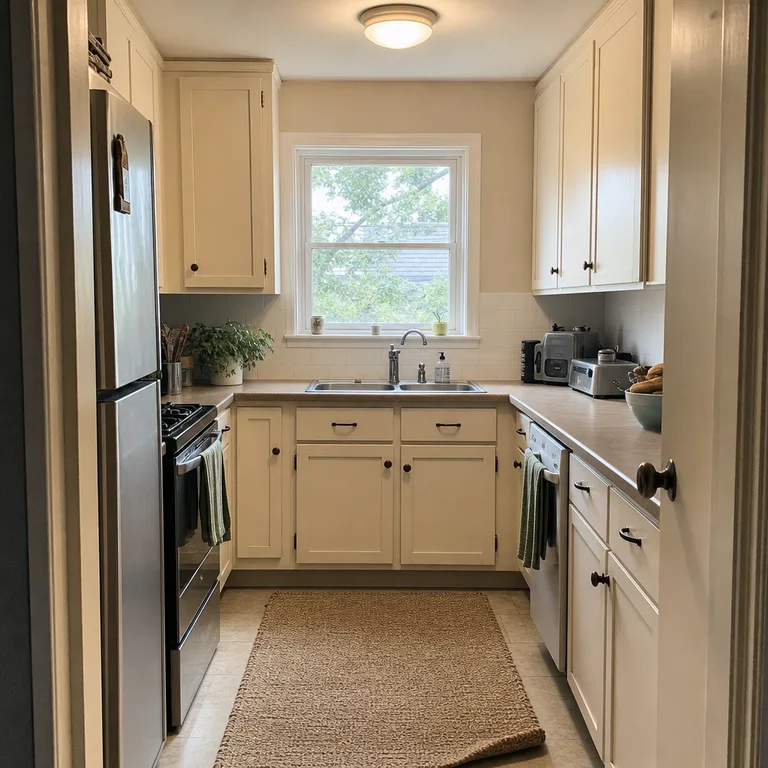
Select the knob and pull from the same finish family, then use each only where its mounting style matches the existing hole pattern. Keeping the finish consistent lets the different shapes look deliberate rather than pieced together.
Worth knowing: A coordinated set will not solve uneven doors, worn hinges, or mismatched cabinet colors that remain visible around the hardware.
About the author
Dana Ruiz, Senior editor
Dana writes about small-space living, storage and low-cost decorating.
Keep reading
8 Budget Interior Door Makeovers for Plain Flat Doors
October 29, 2026
10 Christmas Stocking Displays for Small Homes With No Mantel
October 29, 2026
8 Christmas Gift-Wrapping Stations That Pack Away in a Small Home
October 31, 2026
9 Kids' School Paper Organization Ideas That Separate Forms From Keepsakes
October 31, 2026