12 Warm Neutral Living Room Ideas on a Budget
Warm neutrals make a living room feel softer by layering cream, taupe, tan and natural-looking texture around the furniture already in place. These low-cost updates focus on covers, textiles, lighting and small styling changes rather than a remodel or a matching furniture set.
1.Drape a Cream Throw Over a Dark Sofa
A cream throw creates immediate contrast on a charcoal, navy or brown sofa. It breaks up a large dark surface and makes the seating feel lighter without changing the sofa itself.
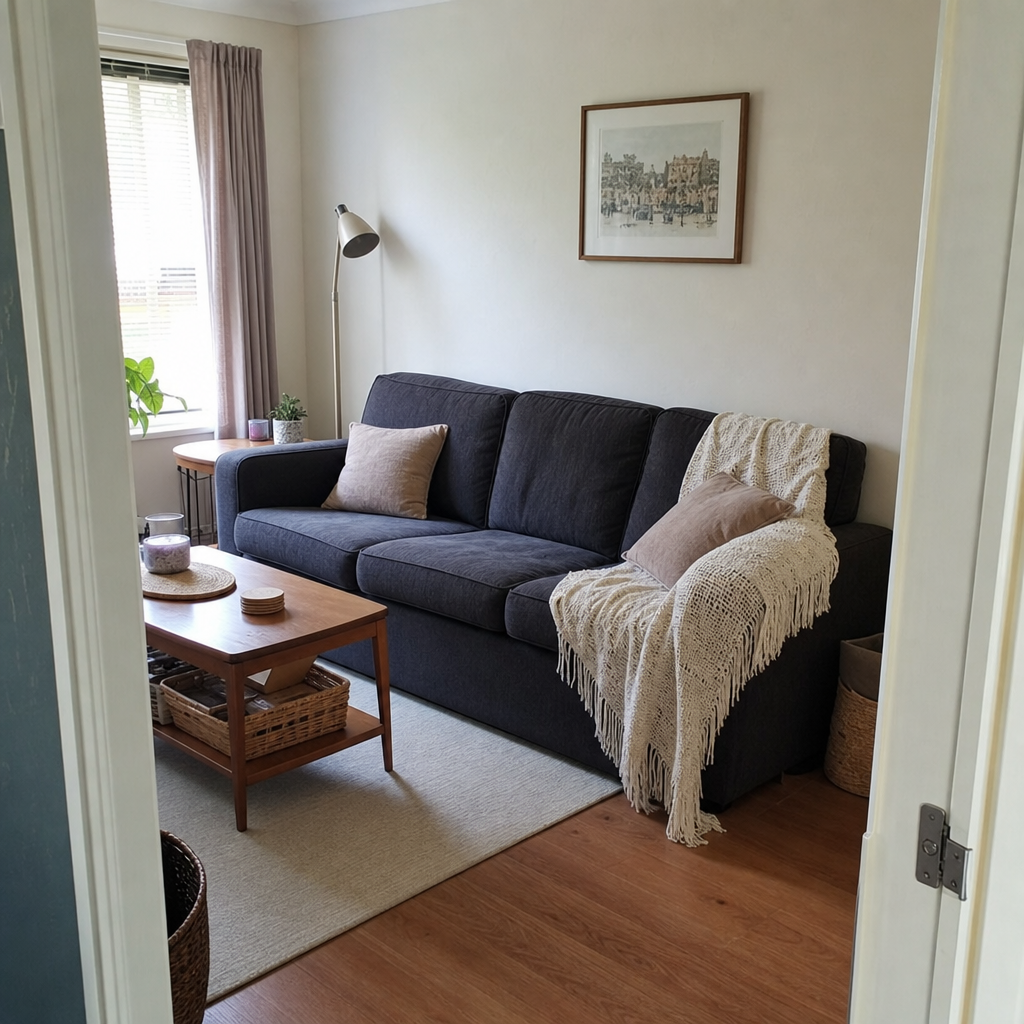
Choose a washable cotton weave, knit, fleece or quilted throw based on how the room is used. Drape it over one arm or fold it across one corner of the seat rather than covering the whole sofa, which can look untidy in a busy household.
Worth knowing: A very pale throw will show pet hair, snack crumbs and frequent use, so it needs regular washing or shaking out.
2.Use Taupe Pillow Covers in Two Textures
Taupe pillow covers add warmth without introducing a new statement color. Pairing a nubby weave with brushed cotton, ribbing or a subtle waffle texture gives a plain sofa more depth.
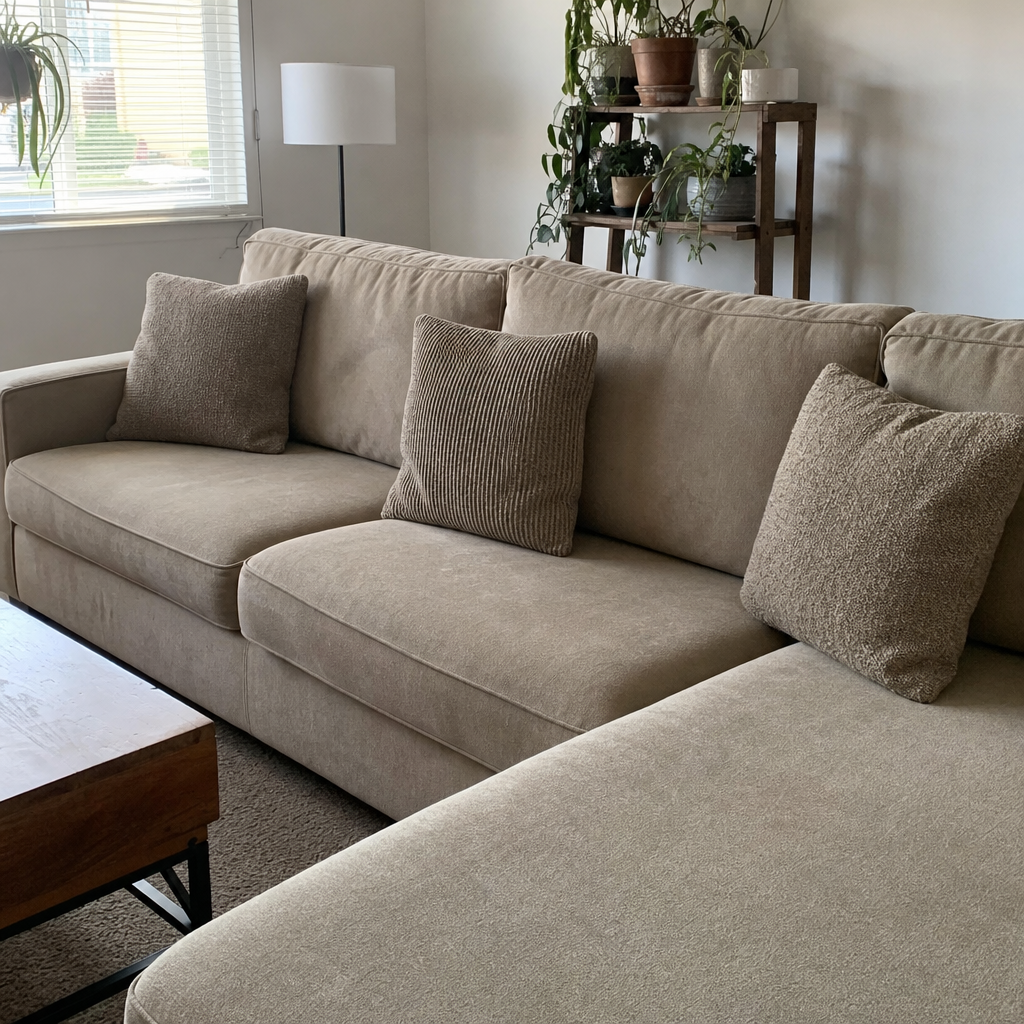
Use the pillow inserts already on hand where possible and change only the covers. Keep the taupes within a similar warm family, from mushroom to sandy brown, so the mix looks layered rather than mismatched.
Worth knowing: Texture can make inexpensive covers look richer, but thin fabrics may show the shape or pattern of the insert underneath.
3.Anchor the Seating Area With a Flecked Neutral Rug
A cream-and-taupe rug gives separate pieces of furniture a shared visual base. A small fleck, faded stripe or low-contrast pattern is more forgiving than a solid pale rug when dust and everyday marks are a concern.
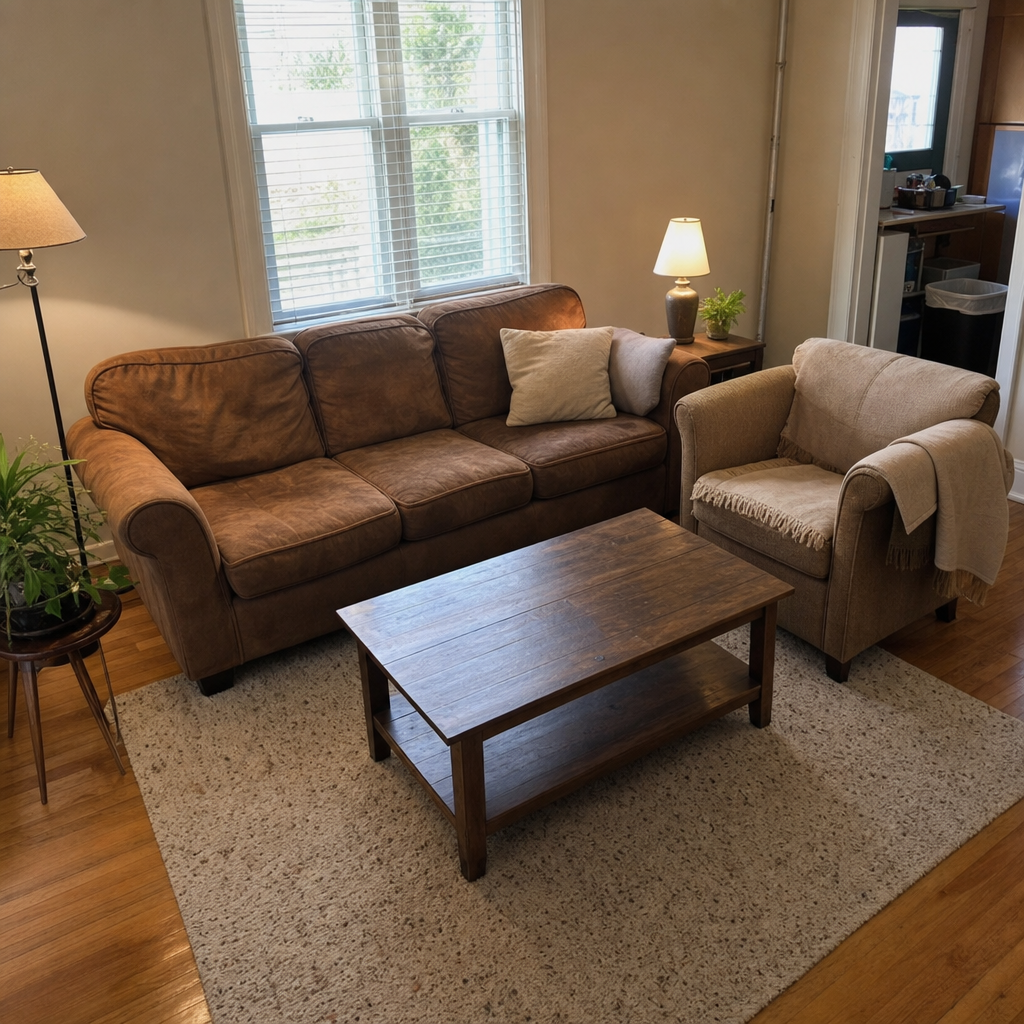
Look for a size that reaches beneath at least the front legs of the main seating, if the room allows. A secondhand rug, a washable style, or a simple flatweave can provide the effect without replacing flooring.
Worth knowing: Light rugs still need frequent vacuuming, and very low-pile options may not add much cushioning on hard floors.
4.Cover One Accent Chair in Natural Canvas
An oatmeal, cream or natural canvas slipcover can turn one dated accent chair into a deliberate part of a warm-neutral scheme. It works especially well beside an existing brown, gray or dark upholstered sofa because the chair becomes the room’s lighter counterpoint.
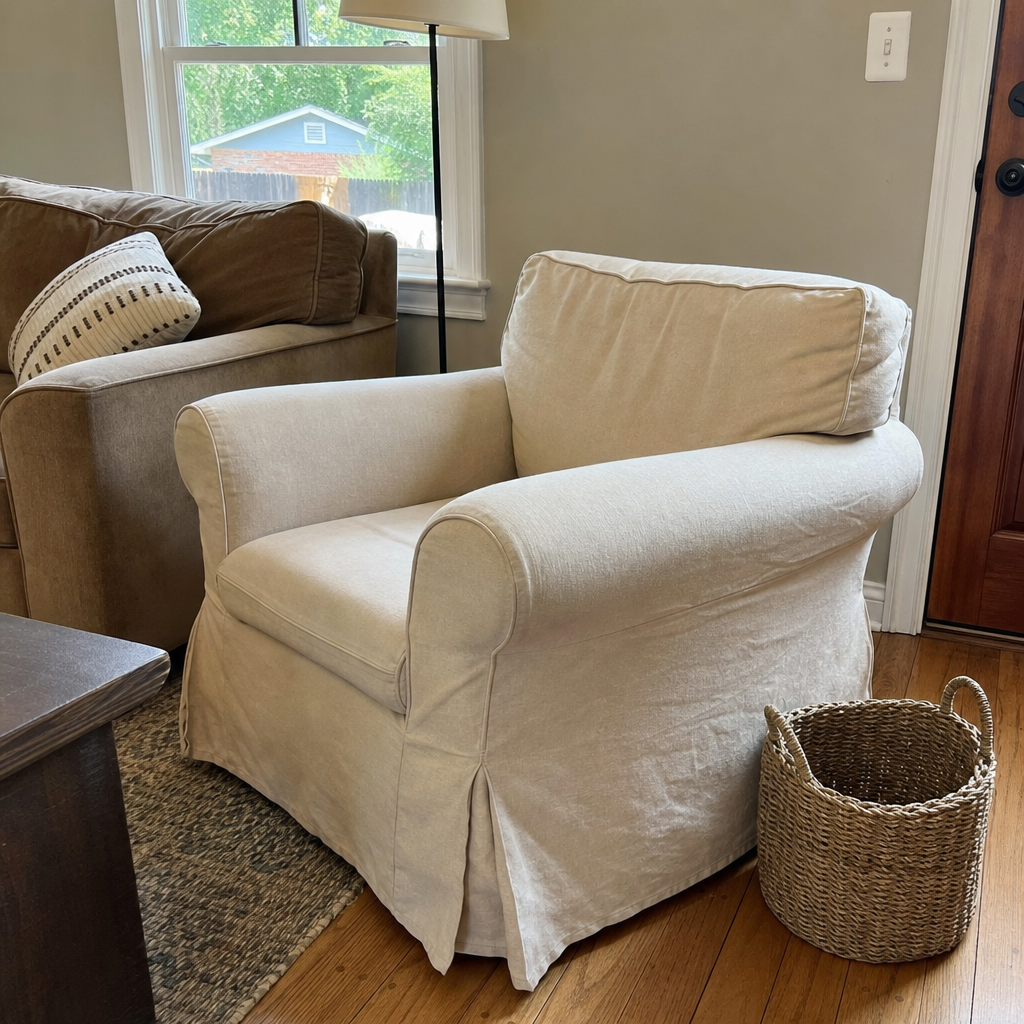
Choose a washable cover with enough fabric to tuck securely around the cushions and seat. A tailored slipcover is usually neater than a loose throw, while a simple cotton cover is often easier to remove for cleaning.
Worth knowing: Slipcovers can fit poorly on chairs with wide curved arms, attached cushions or unusual proportions.
5.Bring In a Woven Basket for Soft Storage
A woven basket adds natural texture at floor level, where a room can otherwise feel flat. Place one beside the sofa to hold extra throws, reading material or toys that tend to collect in the living room.
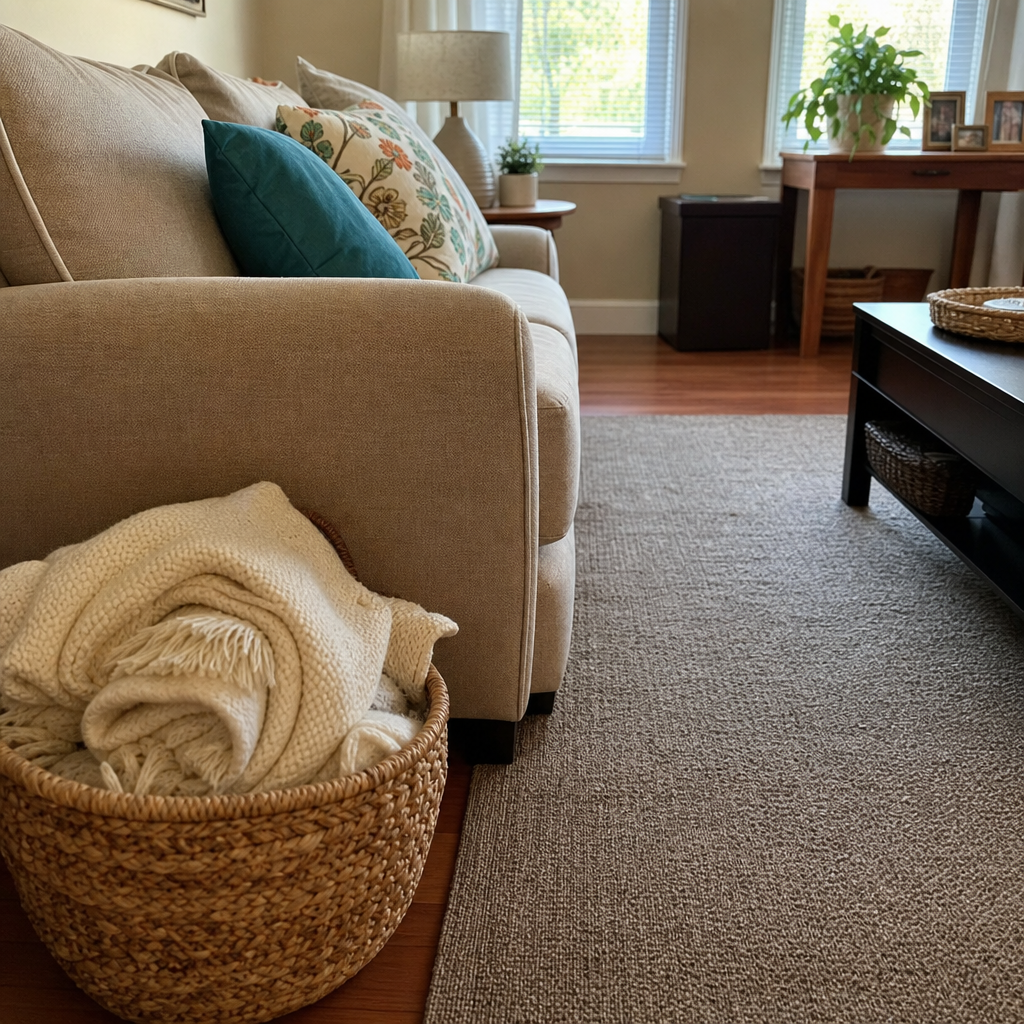
Choose a shape that suits the available space: a low wide basket can slide near a coffee table, while a taller one works beside an armchair. Woven fabric options are often gentler on wood floors than stiff natural fibers.
Worth knowing: Natural-fiber baskets can snag delicate throws and may be difficult to clean if they are used for messy children’s items.
6.Swap Cool White Lampshades for Linen-Look Shades
A cream, flax or soft beige lampshade makes an existing lamp feel less stark. The slightly uneven surface of a linen-look shade also adds texture in the evening, when textiles and wall color are less noticeable.
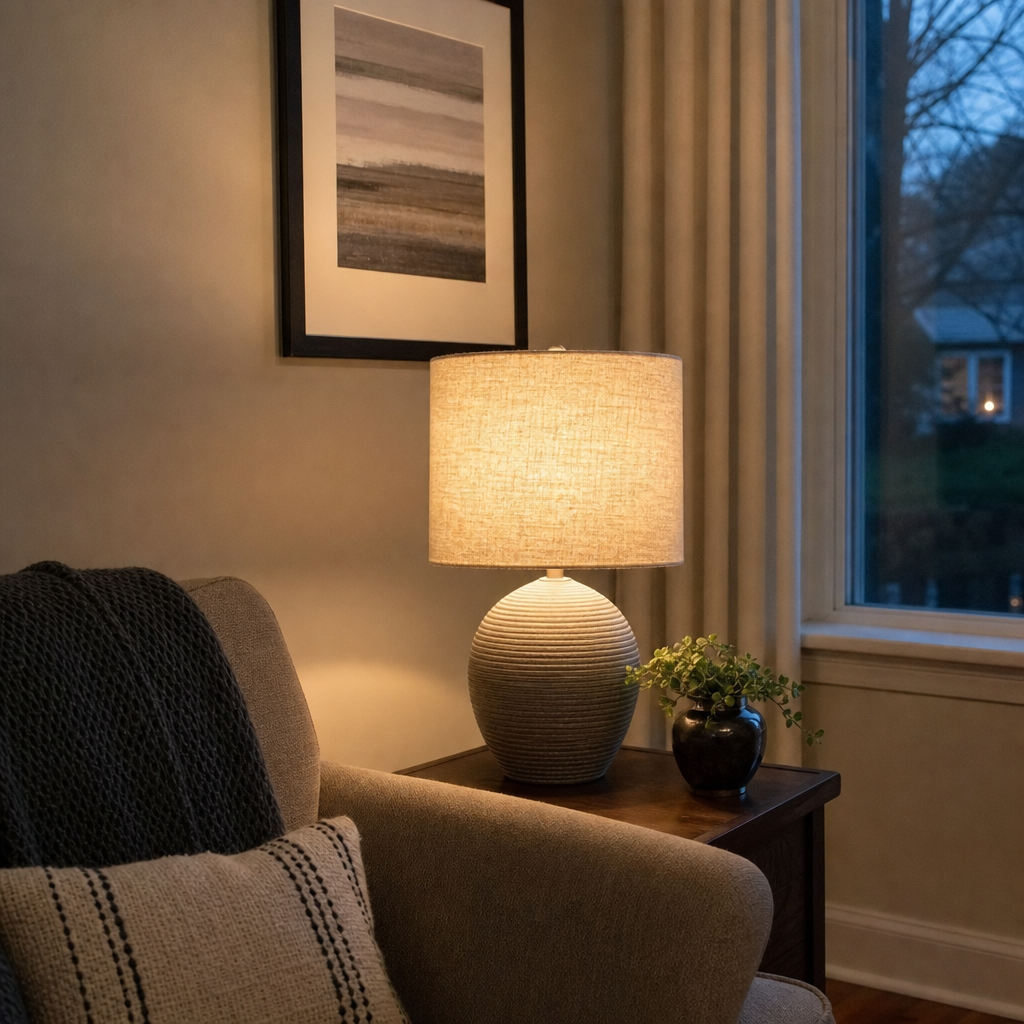
Check the lamp’s shade fitting and recommended bulb type before swapping it. Warm-toned bulbs help cream and taupe read as inviting rather than gray, while cool bulbs can make the same palette look flat.
Worth knowing: A darker or thicker shade can reduce useful task lighting for reading, puzzles or paperwork.
7.Layer a Small Jute-Style Mat Under the Coffee Table
A small woven mat brings in texture without the work of changing a full-size rug or carpet. It gives a coffee table a defined place and adds a natural note among upholstered furniture.
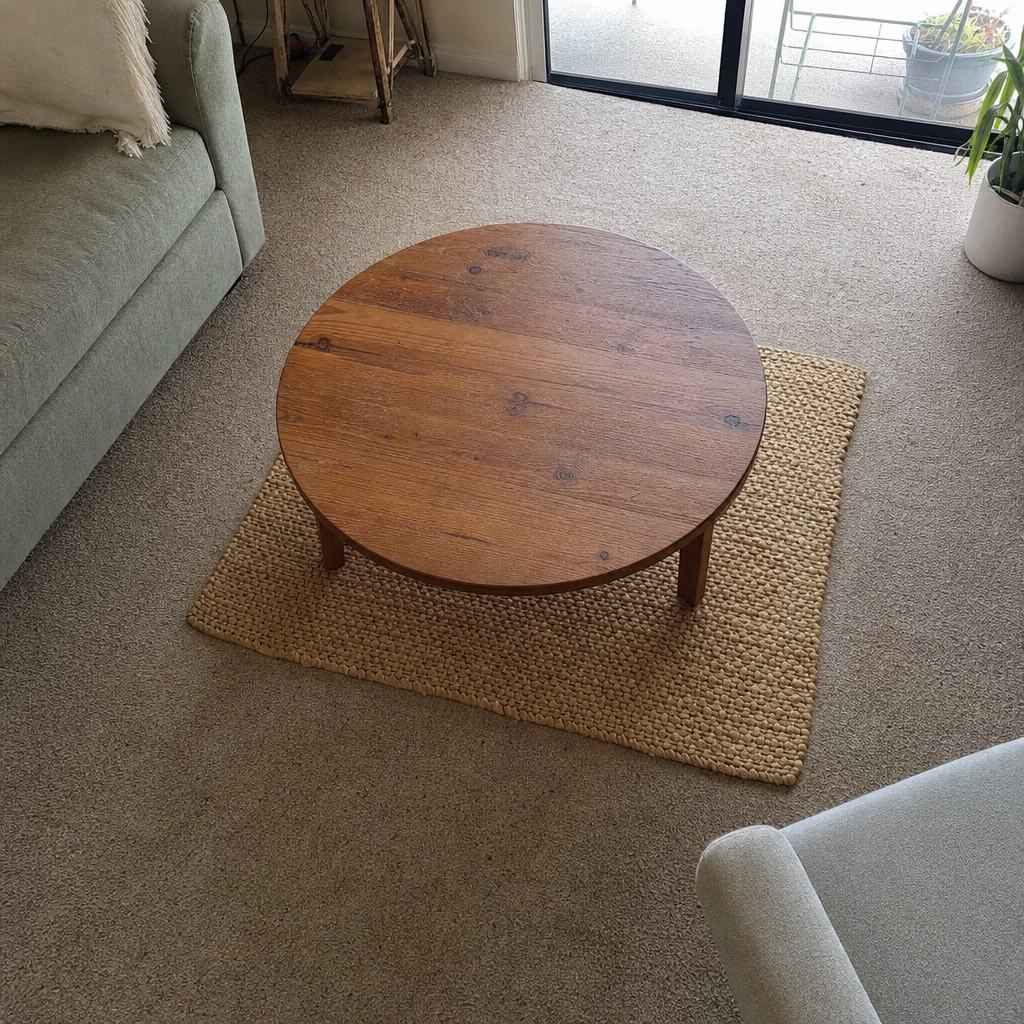
Layer it over a larger neutral rug or broadloom carpet, keeping the edges clear of main walking paths. A jute-look synthetic weave can be easier to vacuum and less prone to shedding than some natural versions.
Worth knowing: Layered rugs can shift or create a trip edge, so a suitable rug pad is important, especially in homes with children or limited mobility.
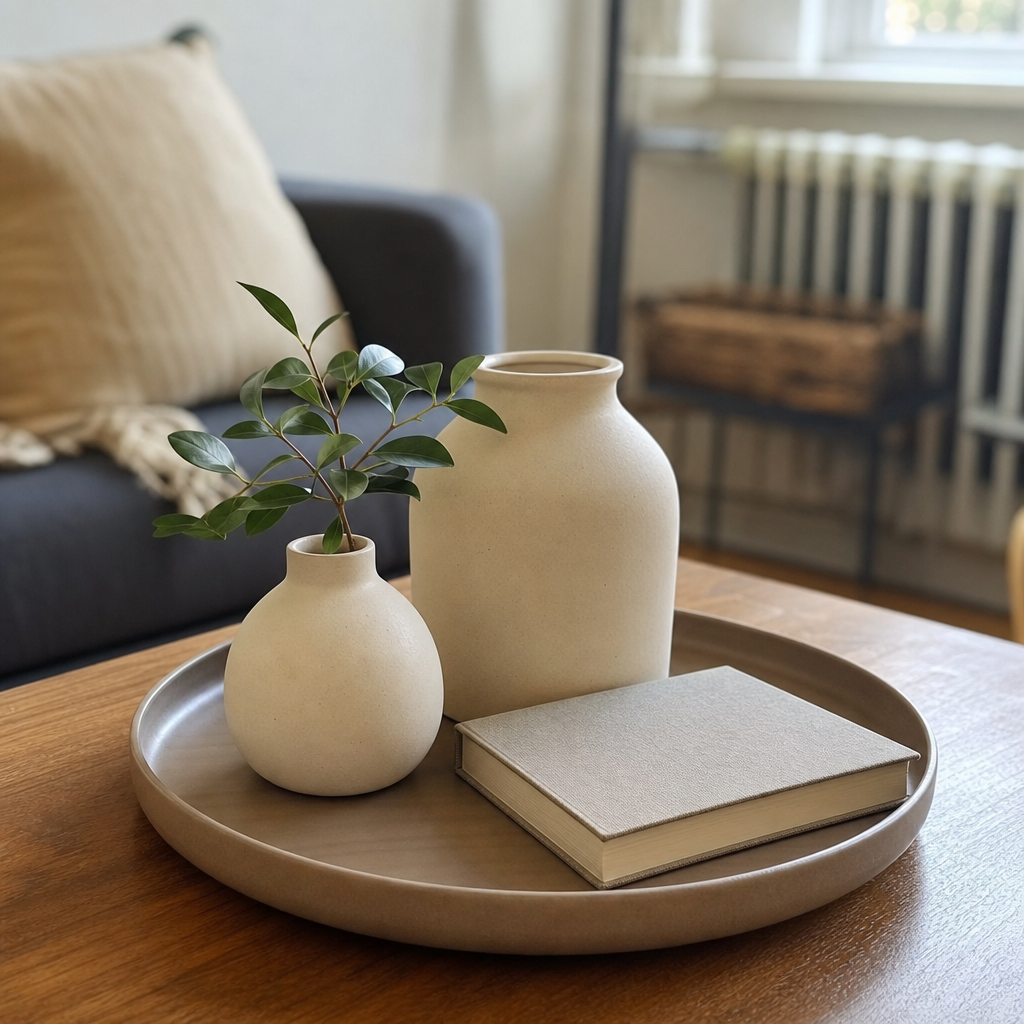
8.Group Cream Ceramic Pieces on a Coffee Table
A small group of matte cream, sand and pale taupe ceramics gives the coffee table a calm focal point. Rounded vessels soften the hard edges of a wood or glass tabletop and repeat the room’s lighter colors in a compact way.
Use pieces with different heights, then place them on a tray so they read as one arrangement. A branch clipping, a closed book or a small bowl can fill out the display without making the surface unusable.
Worth knowing: Small decorative objects need to be cleared away often if the coffee table is used for meals, games or children’s activities.
9.Hang Soft Beige Curtains Higher and Wider
Oatmeal or soft beige curtains can make an ordinary window feel more settled than bare blinds alone. Hanging the rod above the frame and extending it beyond the sides lets the panels frame the window instead of blocking its daylight.
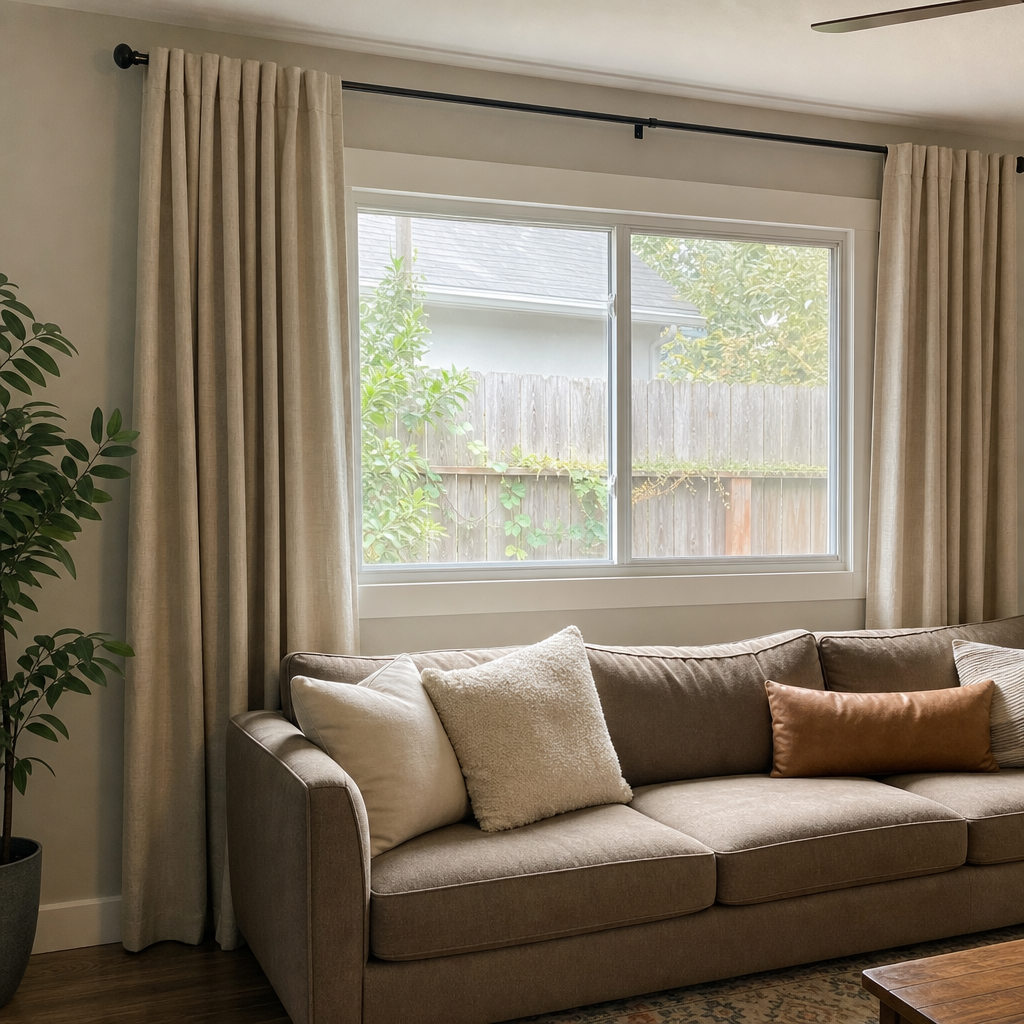
Ready-made panels can work when hemmed or clipped to the needed length. Select a light-filtering fabric for a dim room, or use lined panels where privacy and strong afternoon sun are bigger concerns.
Worth knowing: Renters may need removable hardware, and some leases require landlord approval before drilling into walls.
10.Add a Wood-Toned Tray to an Upholstered Ottoman
A wood or woven tray gives an upholstered ottoman a firm surface for drinks, remotes and a small lamp-free display. The wood tone adds a warmer solid material among the cream and taupe fabrics.
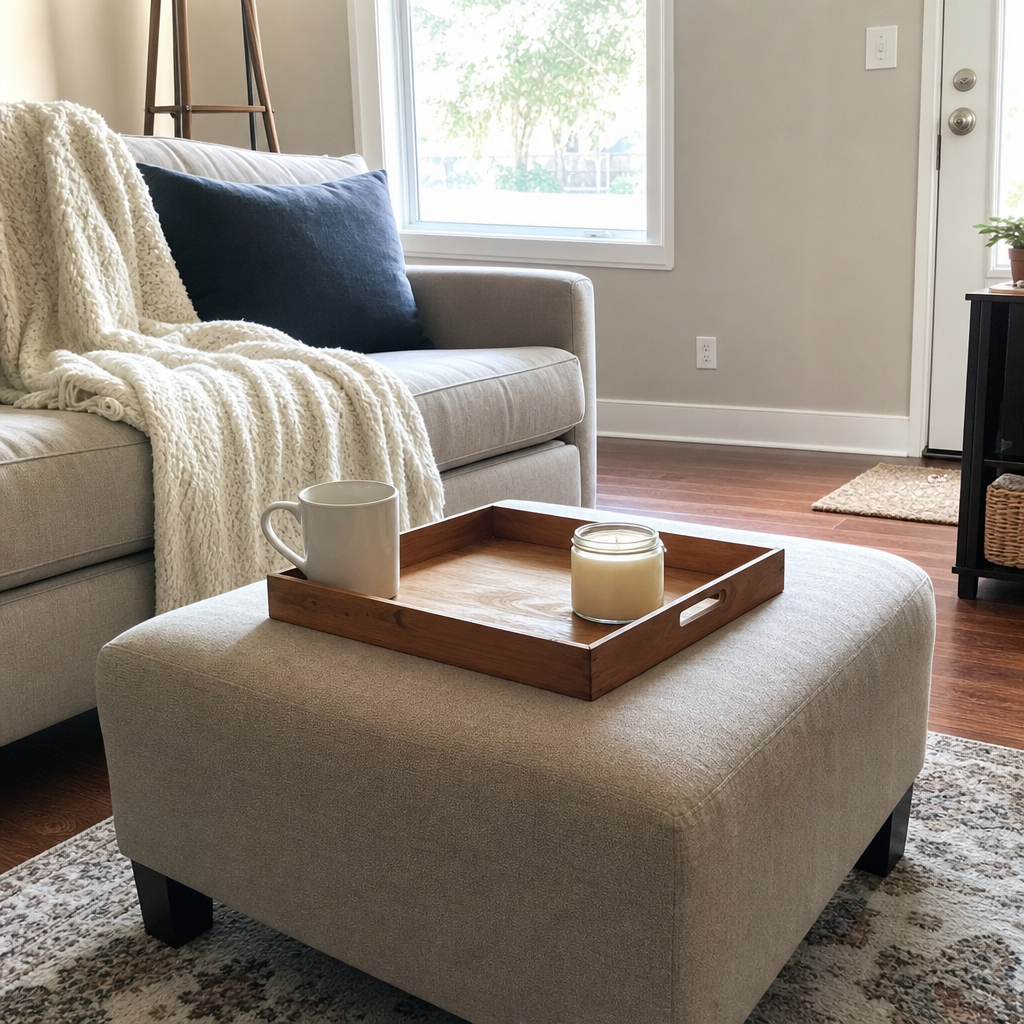
Choose a tray with raised edges and a stable, flat base. It can be removed quickly when the ottoman is needed as extra seating or a footrest, making it a flexible update for a small room.
Worth knowing: A tray is only as steady as the ottoman beneath it, so it is not ideal for very full drinks or fragile items on a soft, uneven cushion.
11.Frame Neutral Fabric or Paper for Low-Cost Wall Texture
Simple frames filled with linen-look fabric, handmade paper or softly patterned neutral paper add texture to a blank wall without requiring large original artwork. A group of cream, taupe and sand panels can make a loveseat or sofa wall feel finished.
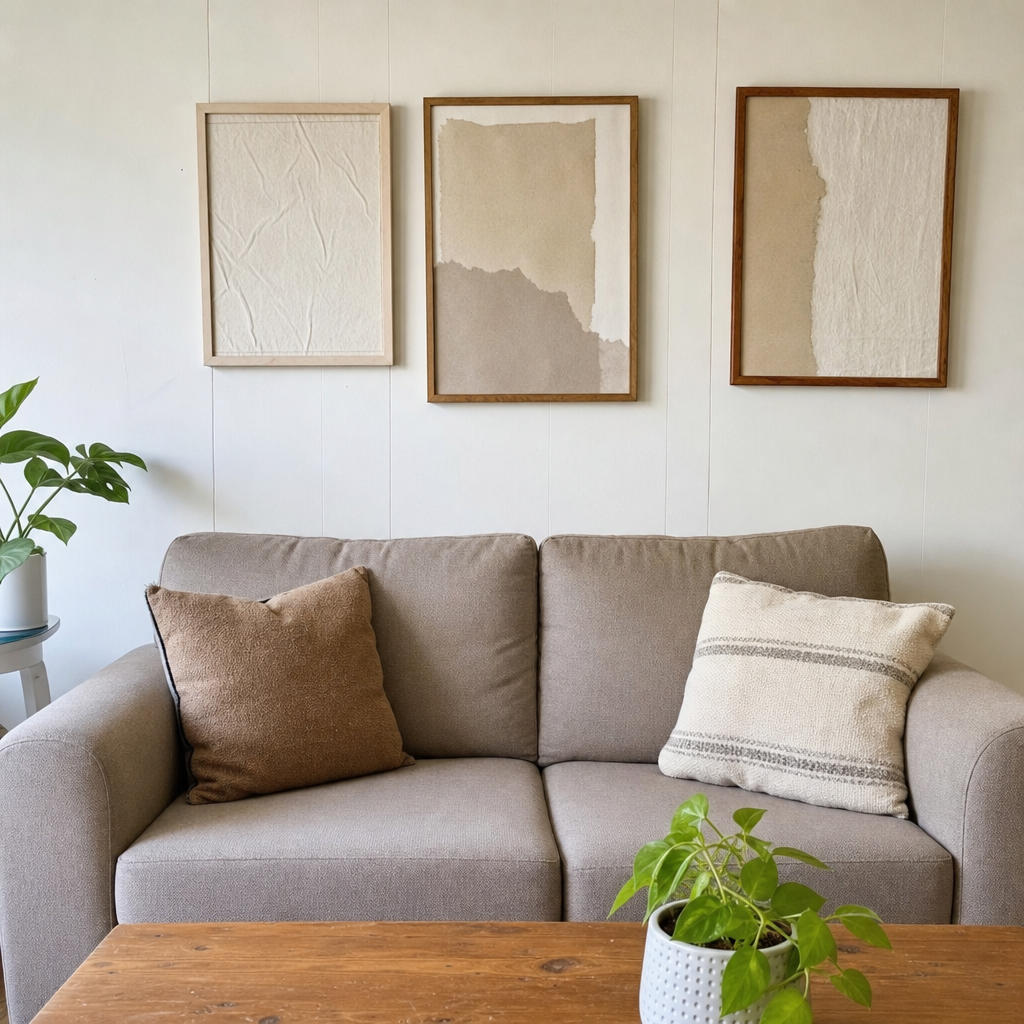
Use existing frames in a mix of wood tones, or paint mismatched frames one muted color if needed. Keep the patterns quiet and avoid readable words or busy graphics so the wall supports the room rather than becoming a focal point of its own.
Worth knowing: Paper can fade in direct sunlight, so use UV-protective glazing or place these pieces away from a strong sunny window.
12.Use Dried Branches and Pale Grass Stems as a Tall Layer
A tall floor vase with pale grass stems or branching cuttings fills an empty corner with vertical texture. It adds height near low sofas and chairs without adding another piece of furniture.
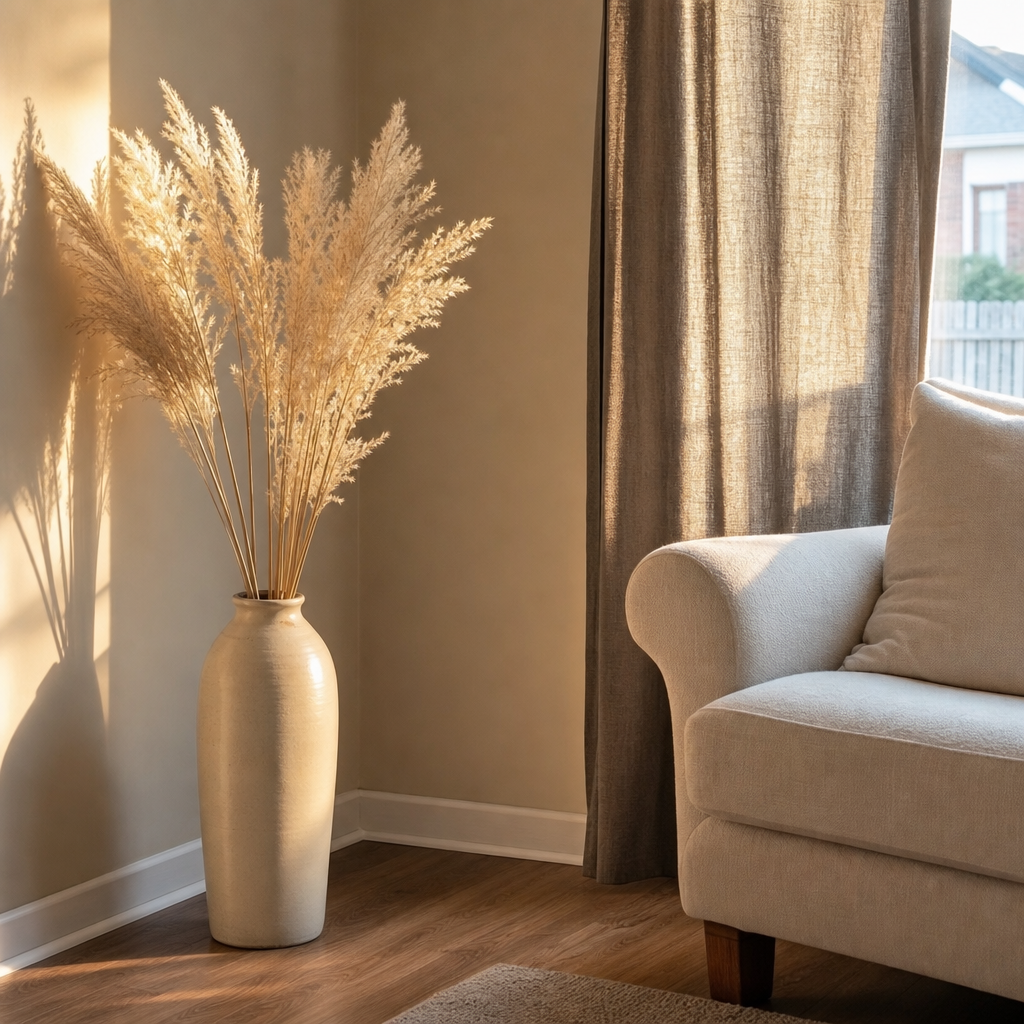
Choose a stable vase with a broad base, especially in a home with pets or young children. Dried stems can be reused across seasons, while pruned branches from the yard can offer a no-cost option when they are fully dry and clean.
Worth knowing: Real dried materials can shed, gather dust and become brittle over time, particularly in dry indoor air.
About the author
Dana Ruiz, Senior editor
Dana writes about small-space living, storage and low-cost decorating.
Keep reading
12 Sage Green and Brown Decorating Ideas That Feel Cozy
September 13, 2026
12 Thrifted Decor Ideas That Make Mismatched Finds Feel Collected
September 13, 2026
15 Budget Living Room Updates That Work With the Sofa You Already Own
September 13, 2026
15 Budget Landscaping Ideas That Make a Small Yard Feel Finished
September 11, 2026