10 Christmas Place Settings Built Around Everyday Plates
A Christmas table can feel coordinated with the plates, bowls, glasses, and napkins already in the kitchen. These individual settings use small reusable accents around—not on—food-contact surfaces, while leaving enough clear space for serving dishes and guests’ elbows.
As an Amazon Associate I earn from qualifying purchases.
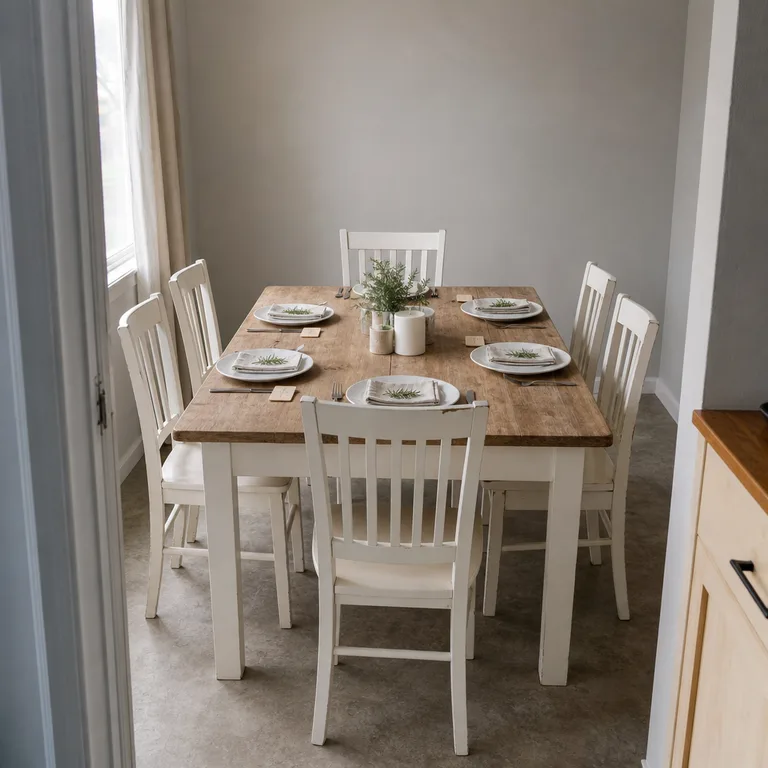
1.White Plates With Red Cloth Napkins
Lay a red cloth napkin across the lower edge of each white dinner plate, leaving the center clear for food. Set a short evergreen clipping beside the plate or near the cutlery rather than tucking it under the rim.
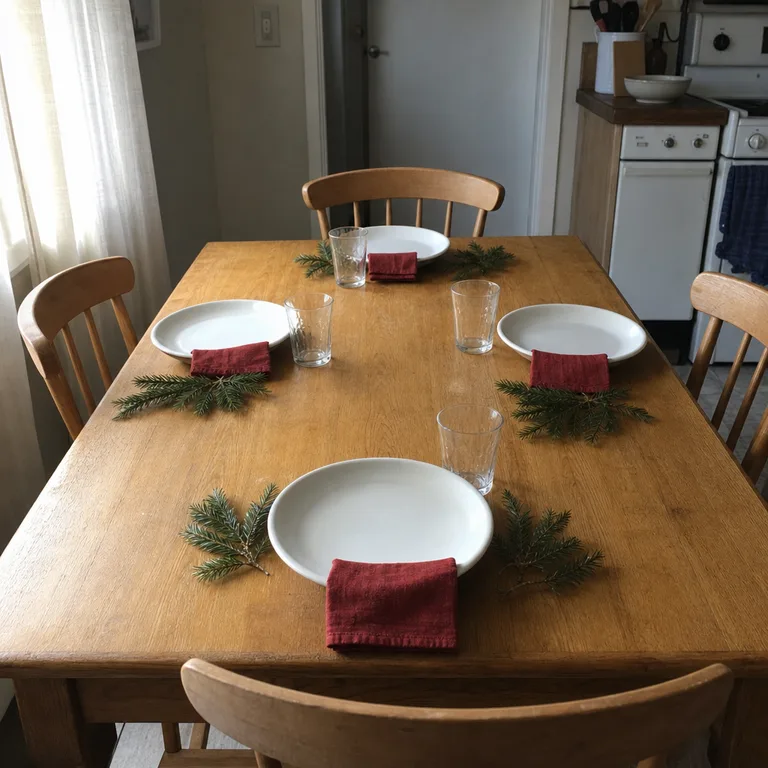
The strong red-and-white contrast makes plain dishware read as deliberate Christmas tableware. Use napkins already on hand, then repeat the same simple placement at every seat for a table that looks ordered without extra layers.
Fresh clippings should be dry and free of loose needles, especially around young children, pets, or a meal served family-style.
Worth knowing: This look depends on having enough matching red napkins; mixed red tones can look less cohesive if the table is otherwise very minimal.
2.Mismatched Plates With One Napkin Color
Keep the assorted dinner plates, but place the same napkin color and fold at every setting. Forest green, deep red, or a muted neutral can act as the shared element between different plate shapes and glazes.
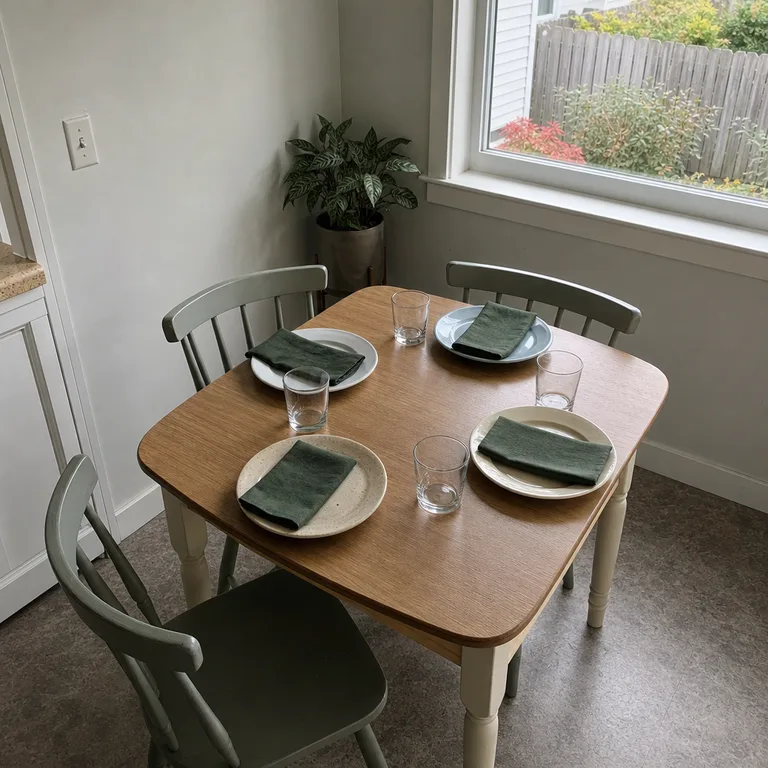
The repeated textile gives the eye one consistent detail, so everyday plates look collected rather than accidental. A basic rectangle fold works well because it does not compete with patterned or textured dishware.
Cloth napkins need laundering after the meal, so choose a color that can handle the likely spills on the menu.
Worth knowing: A single napkin color will not fully unify very busy plates with several unrelated patterns.
3.Plain Plates Tied With Fabric Ribbon
Roll or fold a cloth napkin and tie it loosely with a strip of fabric ribbon, then rest it on the plate. Keep the knot easy to undo and remove the napkin bundle before serving the meal.
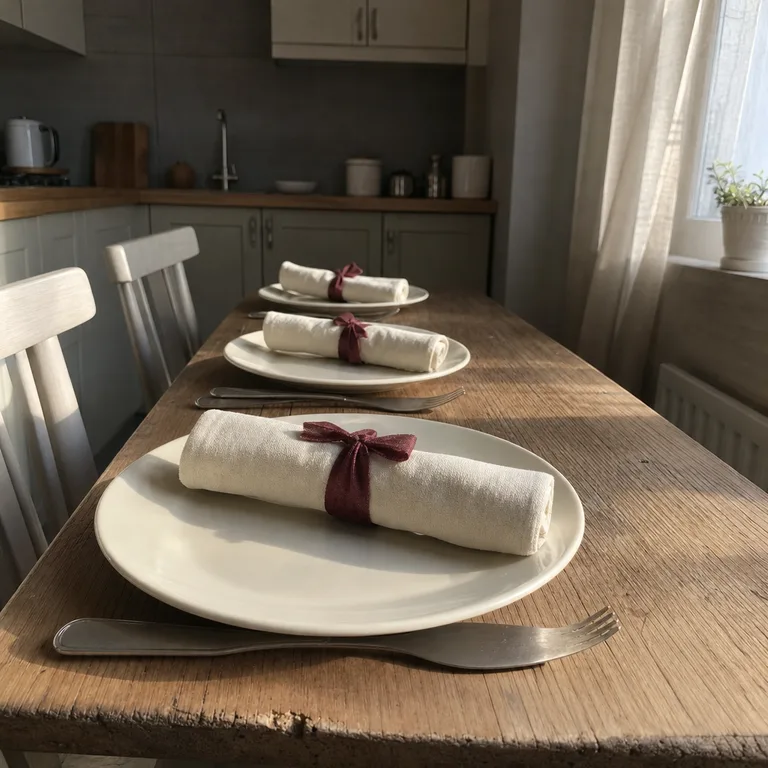
A narrow burgundy, green, or natural ribbon adds a Christmas note without requiring themed plates. Reuse cut lengths of ribbon from gift wrapping, fabric scraps, or decorations rather than buying matching napkin rings.
Avoid wired ribbon or anything that sheds glitter, and keep the ribbon off plates once food is served.
Worth knowing: This arrangement takes a little longer to reset if guests need to move their napkins as soon as they sit down.
4.Soup Bowls Over Folded Napkins
Fold a napkin into a square or rectangle and place an everyday soup bowl in the middle of each dinner plate. This works especially well when soup, salad, or a small first course is actually part of the meal.
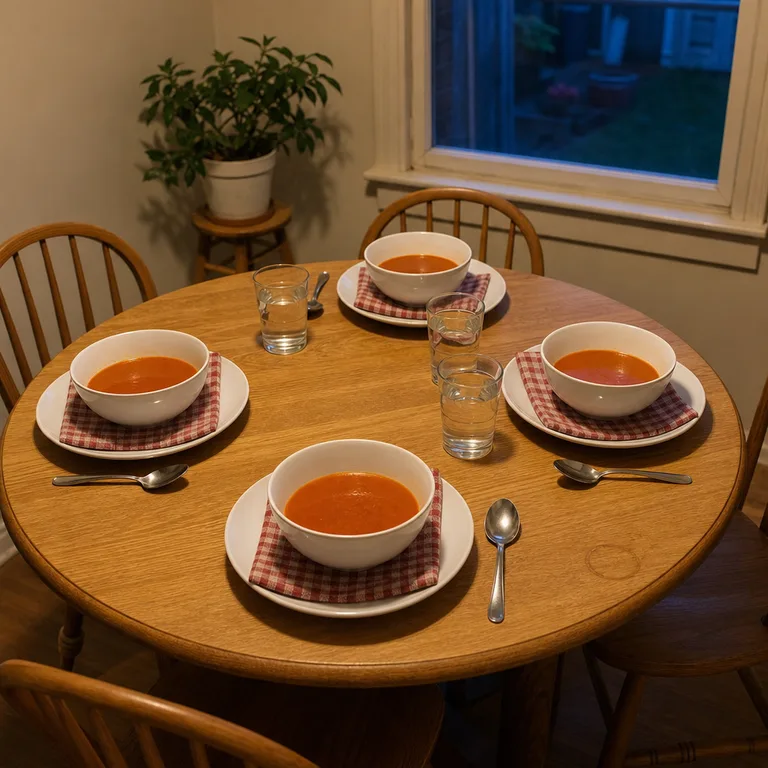
The bowl adds height and gives a simple setting a finished layered look, while the napkin softens the stack of plain dishes. Choose a low, stable fold so the bowl sits flat rather than rocking.
Keep the table clear enough for bowls to be removed easily and for hot dishes to be carried safely.
Worth knowing: Layered place settings can feel crowded on a narrow table or when several serving bowls need to stay within reach.
A small place marker helps guests find their seat and adds a personal detail without introducing disposable decorations at every setting. Pair it with a clipped rosemary sprig or another simple green accent if there is room beside the cutlery.
If using fresh herbs, keep them separate from food unless they have been washed and are intended for eating.
Worth knowing: Wood tags need to be stored carefully between holidays so names, paint, or marker ink do not transfer onto other linens or dishes.
6.Natural Linen With a Single Green Accent
Fold neutral linen or cotton napkins over off-white plates, then lay one green leaf or reusable faux stem diagonally across each napkin. The leaf should sit on the textile, not where food will be placed.
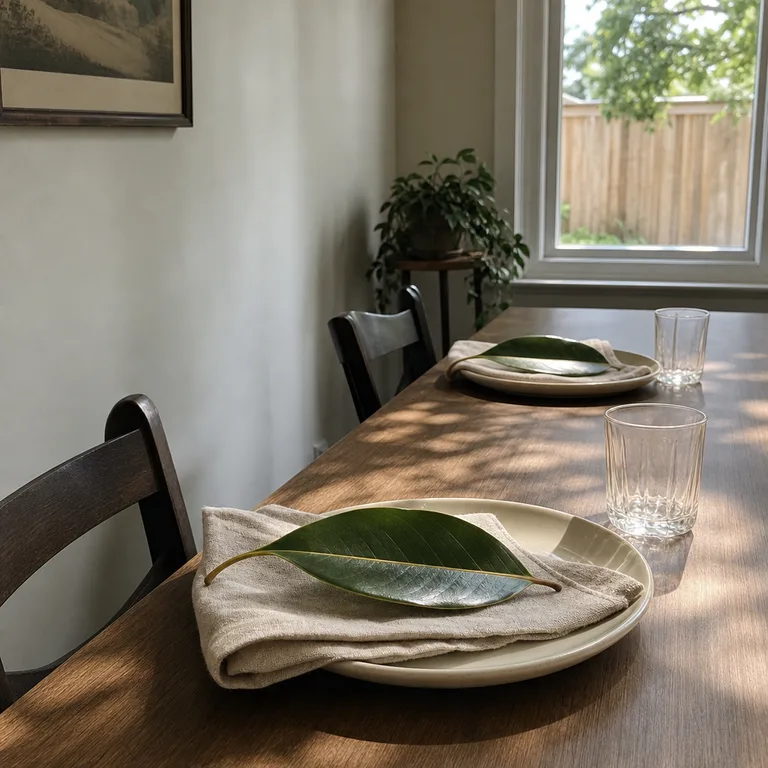
This restrained combination brings in Christmas color while letting warm wood, cream ceramics, and everyday glassware stay visible. It suits a casual meal where a full red-and-green scheme would feel too busy.
Use faux stems where fresh greenery is hard to find in winter, or where outdoor clippings may carry dirt, pests, or moisture indoors.
Worth knowing: Natural leaves can curl or discolor quickly in a warm house, particularly near radiators or sunny windows.
7.Matching Glassware on Mixed Everyday Plates
Leave mixed plates and bowls as they are, but use the same style of drinking glass at every seat. Position each glass consistently above the knife or at the same upper corner of the setting.
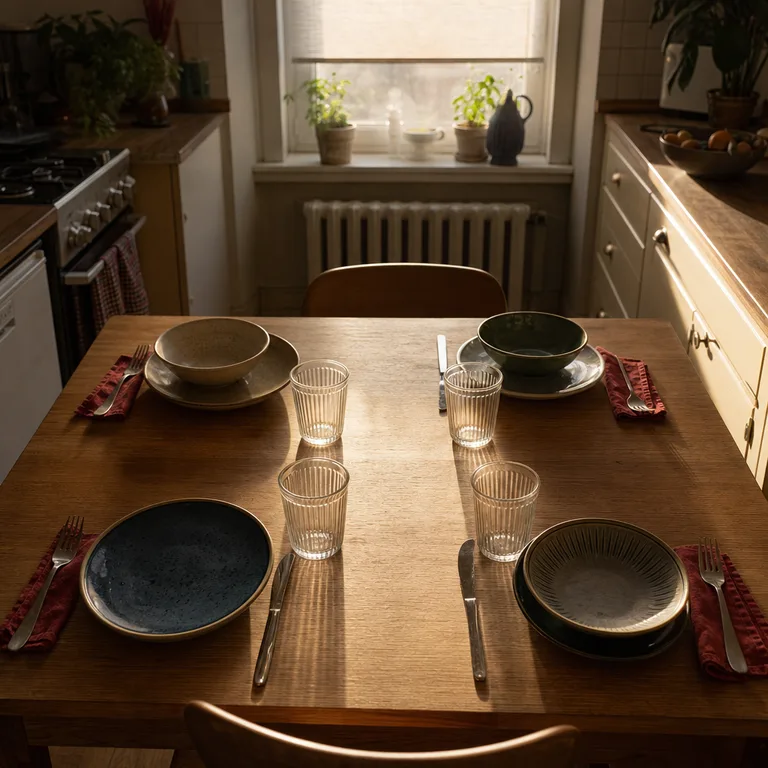
Repeated glassware creates a clear rhythm across the table, which can make a collection of unmatched dishes feel more intentional. Clear everyday tumblers work well because they do not add another competing pattern or color.
Check that the glasses fit comfortably beside serving dishes and are stable on the table surface, especially if the meal includes children.
Worth knowing: This approach only works when there are enough matching glasses in good condition for the number of guests.
Related: 12 Budget Dining Table Styling Ideas for Everyday Meals
8.One Patterned Side Plate at Each Setting
Layer a patterned side plate over plain dinner plates when enough matching pieces are available. Use the side plate for bread, dessert, or a small starter, rather than treating it as decoration that has to be moved later.
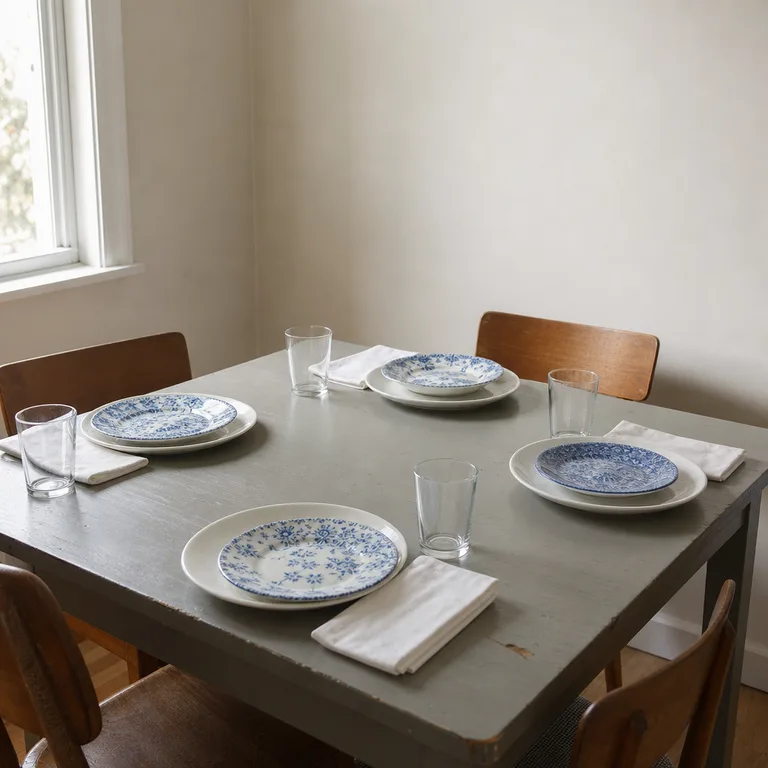
A single blue-and-white, floral, or inherited pattern can make basic white dinnerware feel more festive without requiring a complete set. Keeping the napkin and glassware simple lets the patterned plate remain the focus.
Inspect older or thrifted dishes before using them for food, particularly if the glaze is cracked, worn, or of uncertain age.
Worth knowing: Matching patterned side plates can be difficult to source in enough quantity, so this is best for smaller gatherings or existing collections.
9.Paper Placemats With a Simple Evergreen Motif
Set a flat paper placemat beneath each everyday plate, choosing a simple evergreen border or understated seasonal print. Center the plate fully on the mat and keep glasses on the table if the paper is thin or likely to wrinkle.
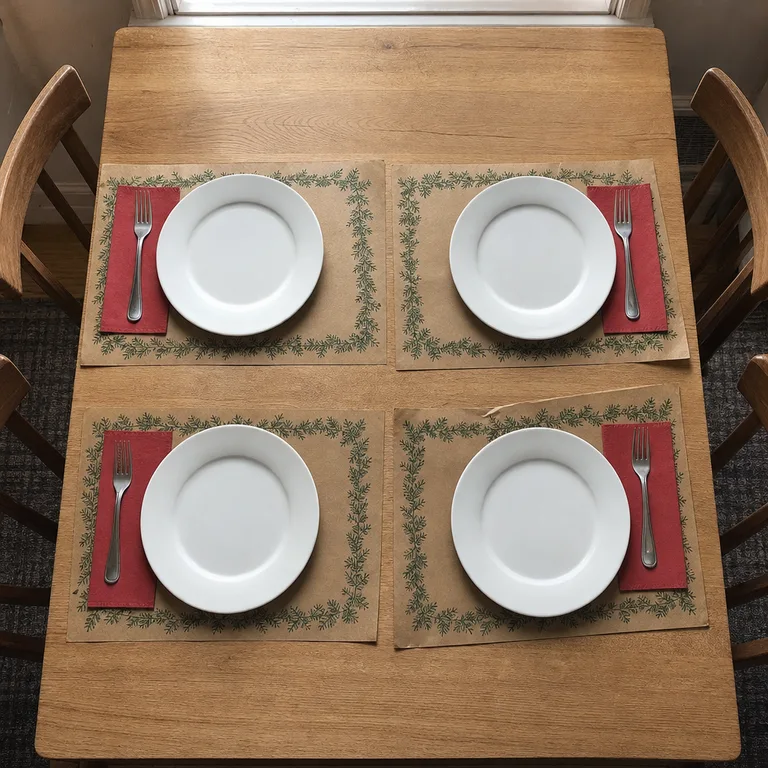
A placemat adds a contained layer of color and helps separate each place setting on a shared table. Paper versions are useful for a larger meal because cleanup is simple and the plates remain the main feature.
Choose a smooth, flat design so cutlery and glasses sit securely, and keep open flames well away from paper.
Worth knowing: Paper placemats are disposable, so they are less suitable for hosts who want every part of the table setting to be reusable.
10.A Minimal Plate-and-Napkin Christmas Setting
Set one clean dinner plate, one folded dark green or red napkin, and a small reusable ornament beside the cutlery. A bell, wooden star, or small fabric accent gives the setting a seasonal detail without covering the plate.
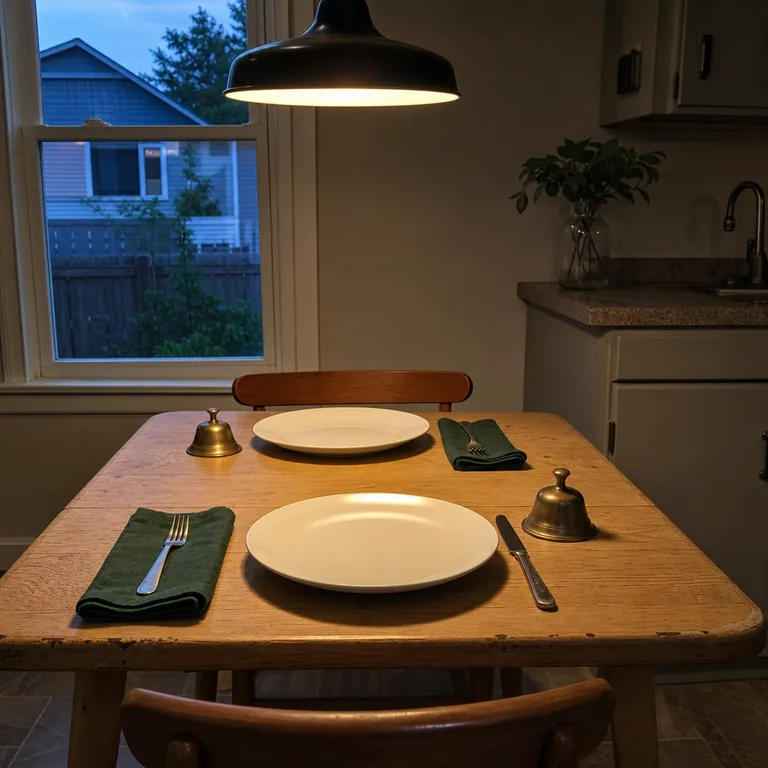
This sparse approach makes an ordinary table look calm and purposeful, particularly when the meal itself needs room for shared dishes. It also keeps the place setting easy to clear and practical for guests.
Choose ornaments without loose glitter, sharp edges, or small detachable pieces, and move them away before young children are seated.
Worth knowing: The minimal look may feel too plain for hosts who want a heavily decorated Christmas table.
About the author
Dana Ruiz, Senior editor
Dana writes about small-space living, storage and low-cost decorating.
Keep reading
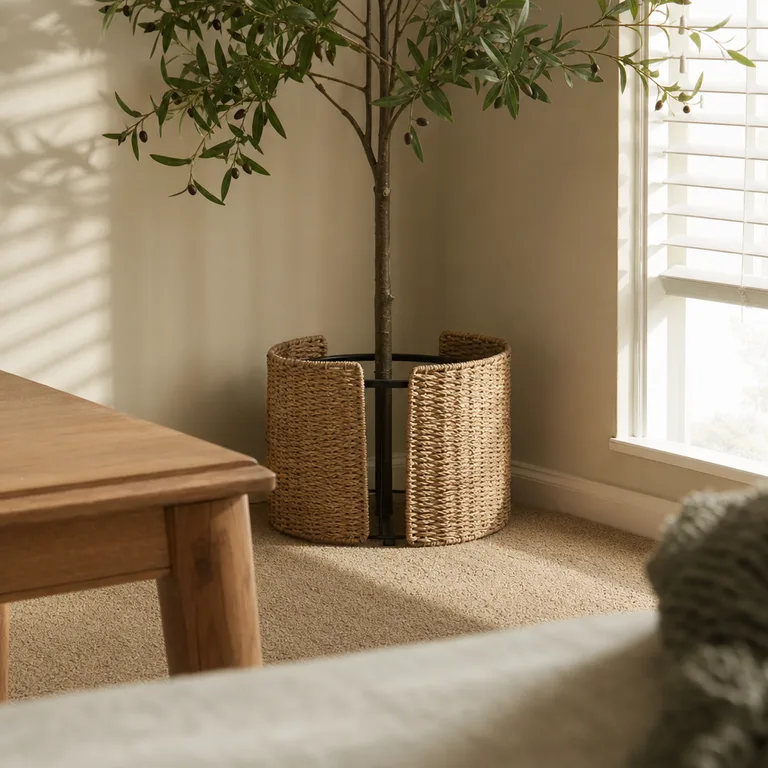
7 Christmas Tree Base Covers That Work With the Stand You Already Have
October 17, 2026
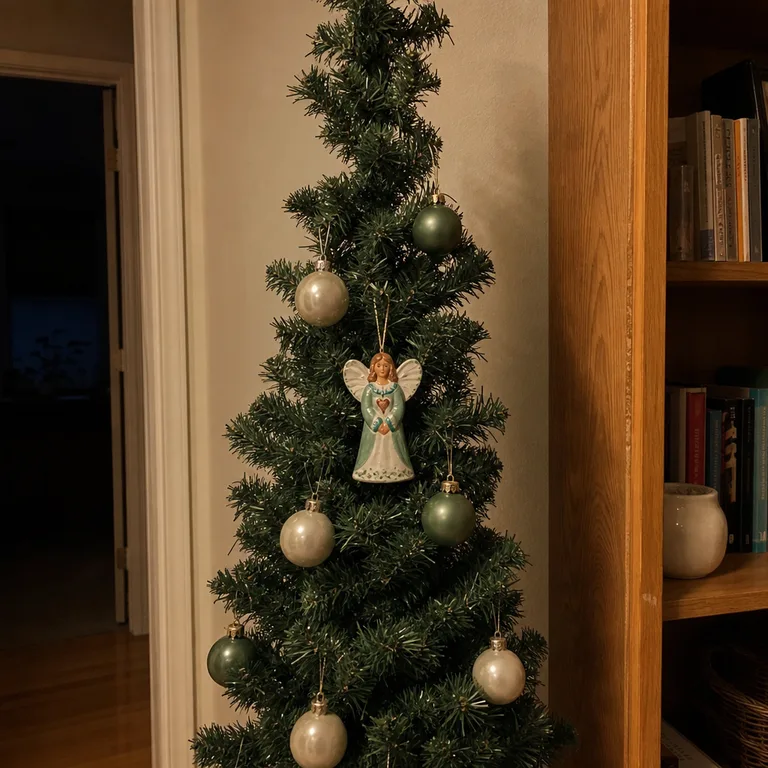
12 Ways to Style Mismatched Christmas Ornaments on the Tree You Own
October 16, 2026
8 Hair Tool Storage Ideas for a Small Bathroom After Tools Cool
October 17, 2026
8 Bath Toy Storage Ideas That Leave Room for Toys to Drain
October 17, 2026