8 Budget Ways to Display Family Keepsakes Without Clutter
Family keepsakes can add warmth to a living room when each object has a defined place, enough open space around it, and a reason for being there. These eight display methods keep selected non-photo heirlooms visible while letting the room remain easy to use and clean.
As an Amazon Associate I earn from qualifying purchases.
1.Make One Heirloom the Focal Object
Give one substantial keepsake, such as a carved bowl, vintage clock, or wooden box, a spot by itself on a mantel, console, or open shelf. The open space around it lets its shape and material stand out instead of making it read as part of a pile.
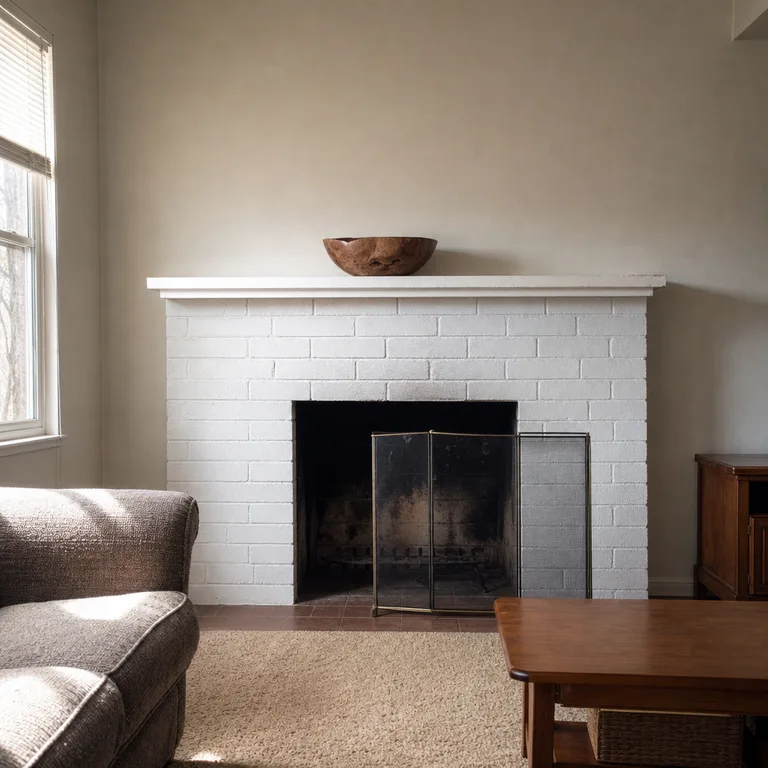
A single-object display is often cheaper than adding more decor because it relies on editing and placement. Center the piece or set it slightly to one side, then leave the rest of the surface clear except for practical items already needed in the room.
Choose a stable location away from busy walkways, direct sun, and heat sources. A small felt pad beneath the object can help protect both the heirloom and the furniture surface.
Worth knowing: This approach can make a small or visually quiet object look lost on a large wall or oversized mantel.
2.Group a Small Collection on One Tray
Gather a few related small heirlooms on one tray: brass sewing notions, match holders, tiny boxes, or a small group of travel souvenirs. The tray creates a visible edge, so the collection reads as one intentional arrangement rather than scattered clutter.
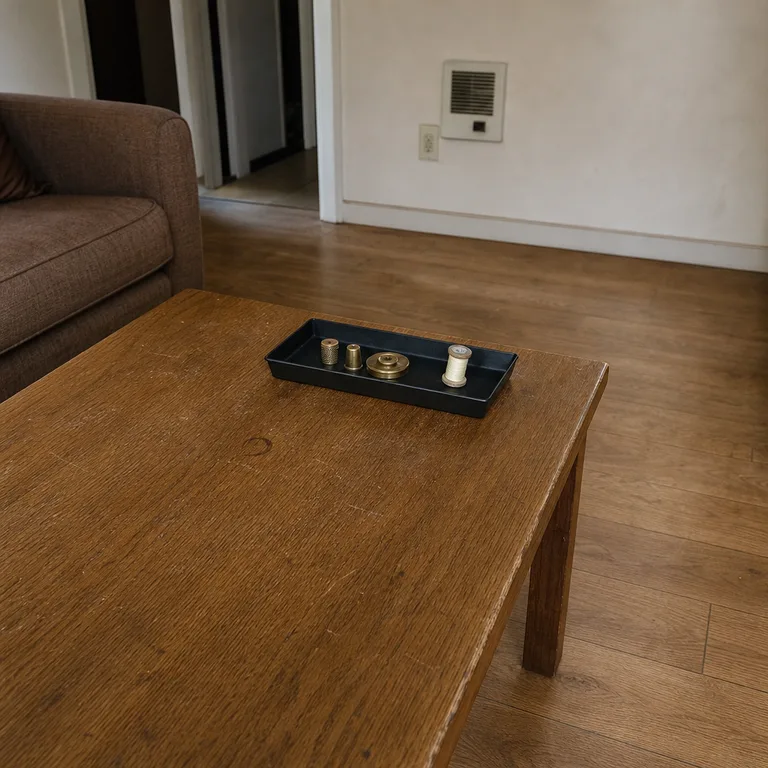
Use a tray that contrasts gently with the objects, such as dark metal beneath brass or natural wood beneath pale ceramics. Keep the group small enough that some of the tray surface remains visible, and place it at one end of a coffee table, sideboard, or dresser.
A tray also makes dusting and clearing the surface easier. Add a non-slip liner if objects slide, especially on a table that is used regularly.
Worth knowing: A tray becomes clutter again if it turns into a landing spot for mail, remotes, and unrelated small items.
3.Frame a Handwritten Recipe as Wall Art
A handwritten recipe, letter, or card can become quiet wall art when placed in a simple frame with a wide mat. It brings personal history into the room without requiring a shelf full of objects.
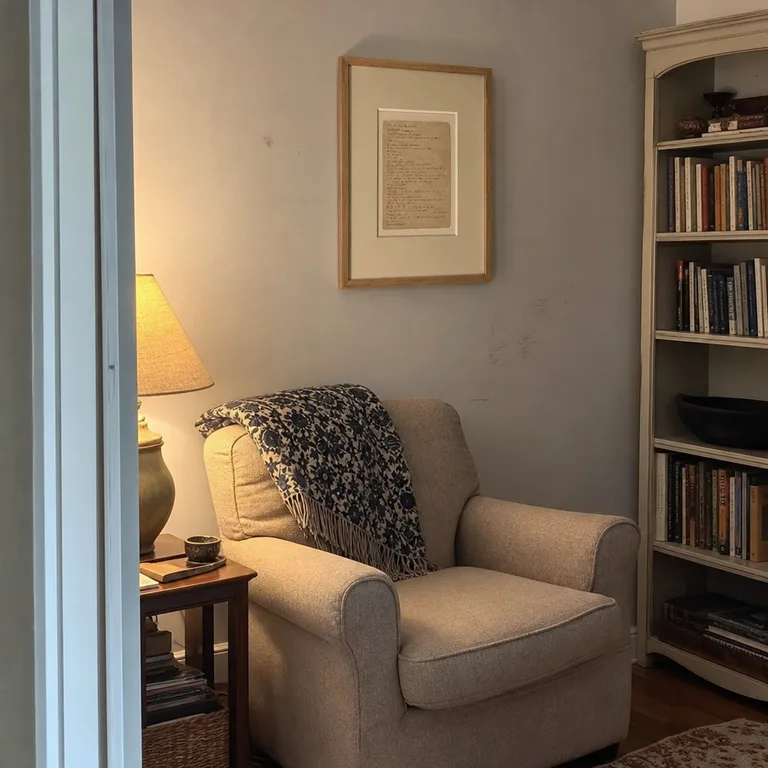
Use a frame that suits the room's existing wood tones or paint colors, rather than a heavily decorative style that competes with the paper. Keeping the document whole and visible as it is preserves the small details that make it meaningful.
Hang it in a dry area with indirect light, such as beside an armchair or along a hallway wall. Avoid bathrooms, damp spots, and windows that receive strong daylight, which can be hard on old paper over time.
Worth knowing: Very fragile, faded, or difficult-to-read documents may be better kept stored rather than displayed continuously.
4.Drape an Inherited Textile Over a Chair
Fold a sturdy inherited quilt, woven throw, or embroidered table linen over the back of an armchair. This makes the textile part of the room's color and texture while leaving the chair seat open for everyday use.
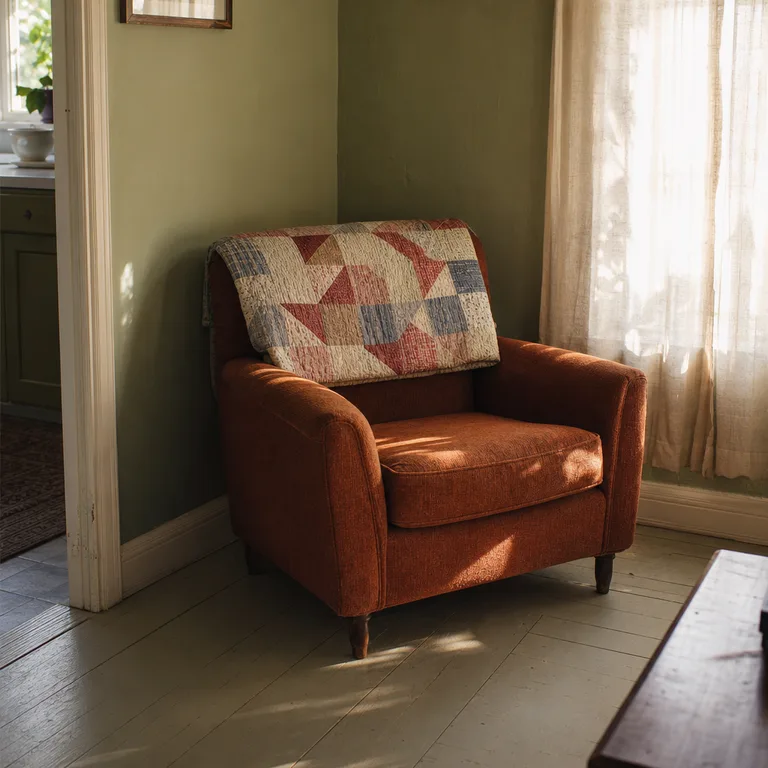
A clean fold across the upper portion of the chair looks more deliberate than a blanket tossed over the whole piece. Pull one color from the textile into a nearby pillow, lamp shade, or rug so the heirloom feels connected to the room rather than added at random.
This option works best with textiles that can handle gentle use and occasional cleaning. Keep delicate fabrics out of prolonged direct sun, and avoid placing them where pets, children, or frequent spills are likely.
Worth knowing: A fragile, light-sensitive, or highly sentimental textile may be too vulnerable for daily display on a chair.
5.Put an Inherited Ceramic to Everyday Use
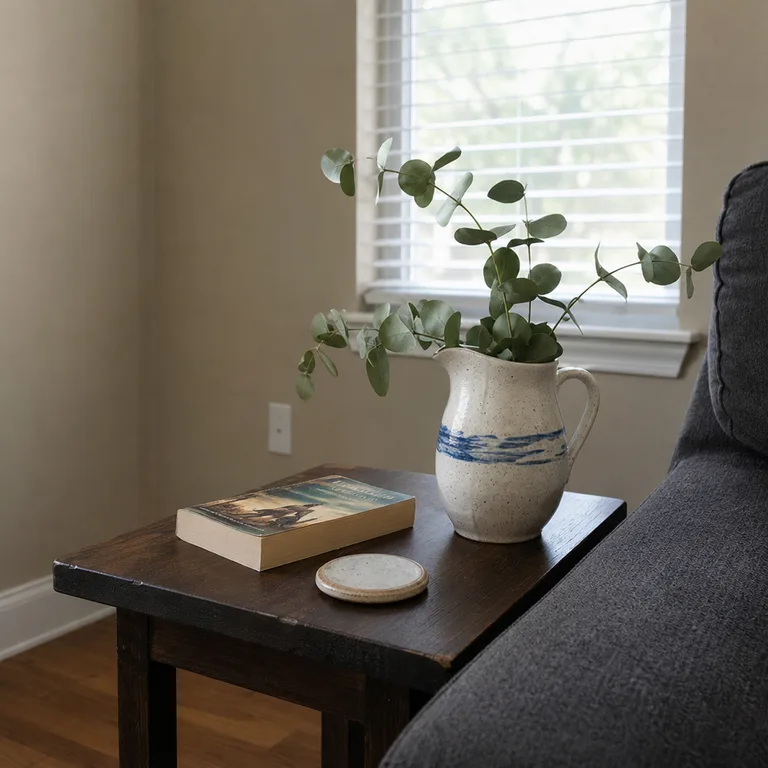
A sturdy inherited pitcher, crock, bowl, or small vase can earn its place by holding something useful. Try a pitcher with a few branches on a side table, a bowl as a catchall near the entry, or a crock for utensils in a low-traffic area.
Using one ceramic piece prevents it from feeling like a formal collection behind glass. Its age and irregular glaze can add warmth beside ordinary materials such as wood, linen, or a plain ceramic coaster.
Check the piece for cracks, loose handles, and unstable bases before putting it to work. Set it back from table edges and use a coaster or pad underneath if moisture or scratches could affect the furniture.
Worth knowing: Ceramics with cracks, chips, or weak handles should not be used for water, frequent washing, or heavy items.
6.Add a Short Story Card Beside One Object
Place a small, discreet story card beside an unfamiliar heirloom, such as a hand bell, tool, medal, or travel souvenir. A few words of context can explain why the object matters without turning the entire room into a display case.
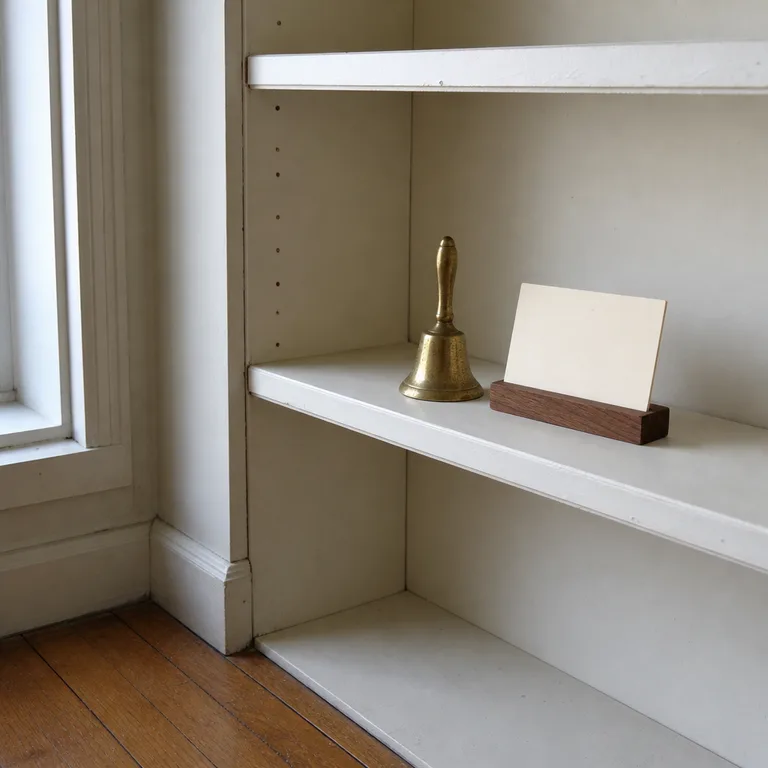
Keep the card much smaller than the keepsake and use plain wording: the person's connection, the object's former use, or the place it came from is usually enough. A simple card holder, a small folded tent card, or a label tucked behind the object can keep the presentation tidy.
This method works especially well on an open shelf where guests may notice an object but not recognize it. Leave open space around both the item and card so the label feels like an accent rather than visual noise.
Worth knowing: Several labeled objects together can make a shelf feel museum-like instead of relaxed and lived-in.
7.Reserve One Shelf for Seasonal Rotation
Set aside one shelf for a changing group of keepsakes with seasonal meaning, such as a holiday tin in winter or a garden basket in spring. The rest of the collection stays stored, which lets each displayed piece have a turn without filling every surface.
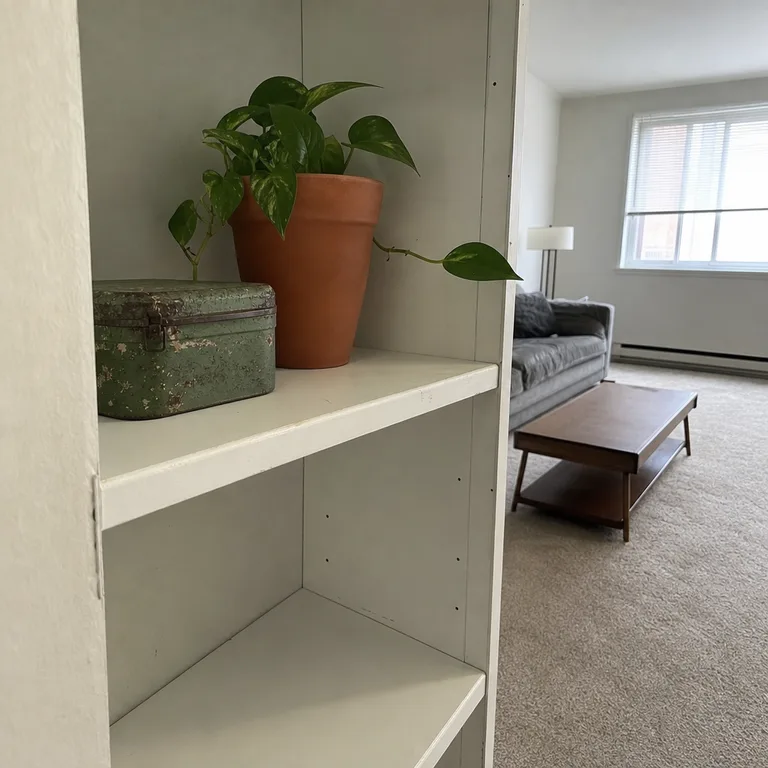
Use the shelf as a clear boundary: one or two objects at a time, plus perhaps a small plant or book already used in the room. Keeping a little empty space makes the rotation feel fresh even when the individual objects are modest.
Store off-season items together in a labeled box with tissue or soft wrapping where needed. This is especially practical for renters because the display can change without adding wall hardware or permanent shelving.
Worth knowing: This method only stays effective when there is a workable storage spot and a regular habit of swapping items out.
8.Pair a Keepsake With One Contemporary Piece
Pair one older heirloom with one simple current object, such as an aged brass candlestick beside a matte lamp or a wooden box beside a plain vase. The contrast helps the keepsake look chosen for the room rather than left over from another era.
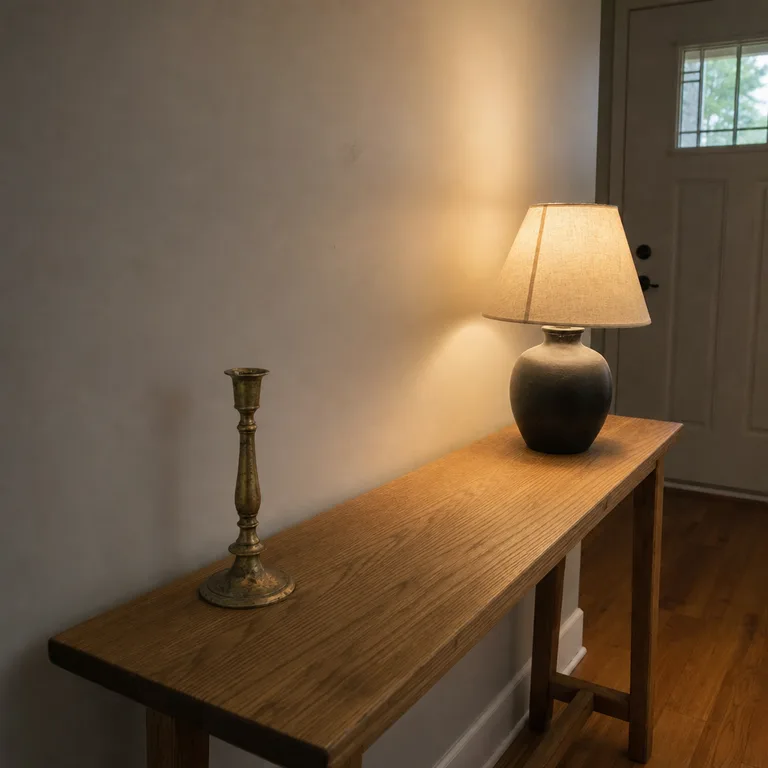
Look for a loose connection instead of an exact match. Similar warmth, weight, or color can tie the pair together: tarnished brass works with warm charcoal, while a honey-toned wood piece can sit well near an oat-colored ceramic.
Keep the center of the surface open so each item has room to register. This works well on a console, side table, or mantel where two objects can balance a wider area without creating a themed arrangement.
Worth knowing: Pairs can look overly staged if the objects match too closely in style, finish, or height.
About the author
Dana Ruiz, Senior editor
Dana writes about small-space living, storage and low-cost decorating.
Keep reading
8 Budget Christmas Decor Ideas for Homes With Cats or Dogs
November 9, 2026
8 Budget Vintage Bedroom Decor Ideas That Mix Old and New
November 9, 2026
8 Easy Ways to Decorate With Pattern Without a Busy Room
November 8, 2026
7 Budget Ways to Give a Small Home a Vintage Christmas Look
November 8, 2026