10 Small Entryway Ideas for Coats When You Have No Coat Closet
A small entry can hold everyday coats and wet outerwear when each item has a defined place that stays close to the wall or behind a door swing. These ideas use vertical space, narrow footprints, and removable options suited to apartment households without a coat closet.
As an Amazon Associate I earn from qualifying purchases.
1.Install a High-and-Low Hook Rail on the Landing Wall
Mount a long hook rail high on the wall for adult coats, then add a shorter lower rail for children, bags, or the outer layers worn most often. Staggering the rails uses the same strip of wall without letting bulky sleeves pile up at one height.
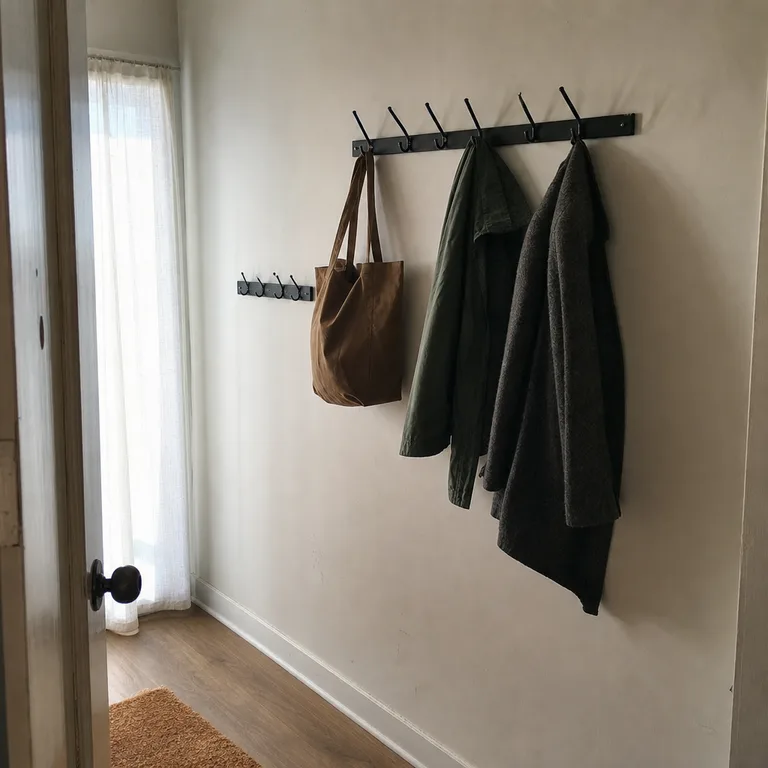
Choose hooks with enough projection to hold a hanger or a thick winter coat, but leave clear room beside the open door. A loaded hook pulls outward, so fasten the rail into studs where possible or use anchors suited to the wall material.
Worth knowing: This works best on a wall that stays outside the door swing and has enough clear width for coats to hang without brushing the floor.
Related: 12 Small Entryway Ideas for Homes With No Foyer
2.Use a Shallow Peg Rail Above a Narrow Bench
Run a simple peg rail above a slim bench to keep coats flat against the wall and give bags a place to land. The bench also makes taking off boots easier without turning a dining chair into entry storage.
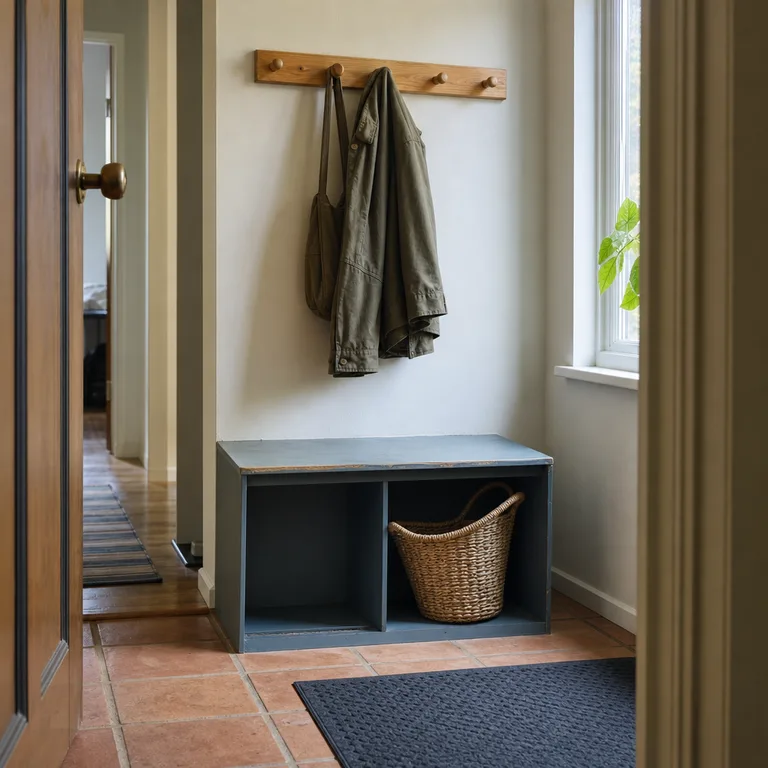
A painted board with evenly spaced pegs can be a straightforward budget-friendly rail, especially if the wall is long and narrow. Pick a bench shallow enough to preserve the walking route, and use baskets underneath for gloves or folded rain gear.
Worth knowing: A bench can quickly become a dumping spot, so it needs a regular reset in a busy household.
3.Place a Freestanding Garment Rack in an Unused Corner
A narrow garment rack makes an empty corner do the work of a coat closet without drilling into the wall. Hang coats on sturdy hangers so they air out instead of being crushed together on a chair back.
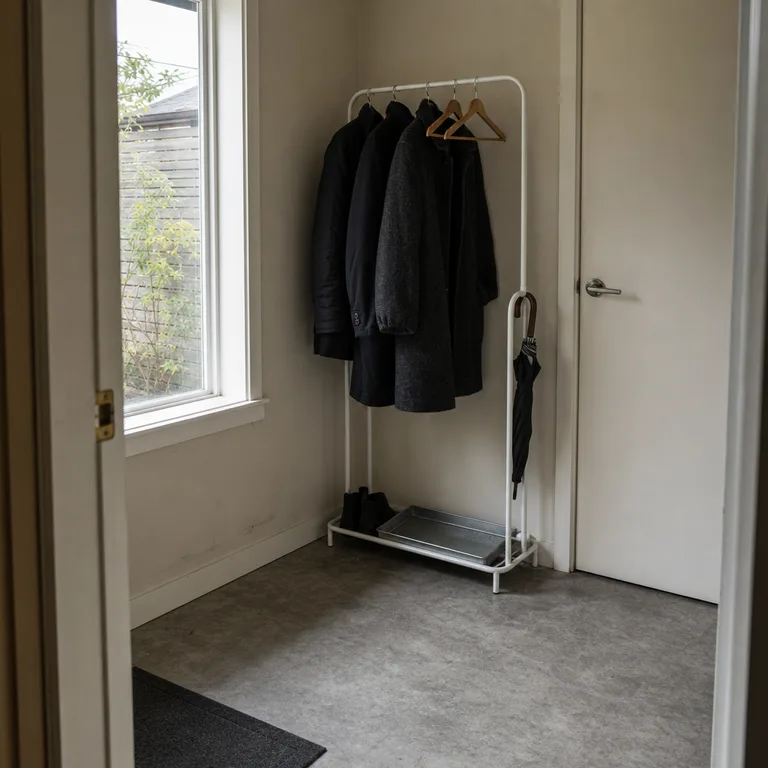
Set a low tray or waterproof mat beneath the rack for umbrellas, wet shoes, and drips from hems. Keep the rack away from radiators and heaters, since damp fabric needs airflow and should not rest against a heat source.
Worth knowing: A freestanding rack takes visible floor space and can look crowded if it holds more than the household's current-season coats.
4.Hang an Over-the-Door Rack on the Interior Door
Use the room-facing side of an interior door for lightweight jackets, tote bags, and scarves. This moves daily outerwear out of the entrance itself while keeping it close enough to grab on the way out.
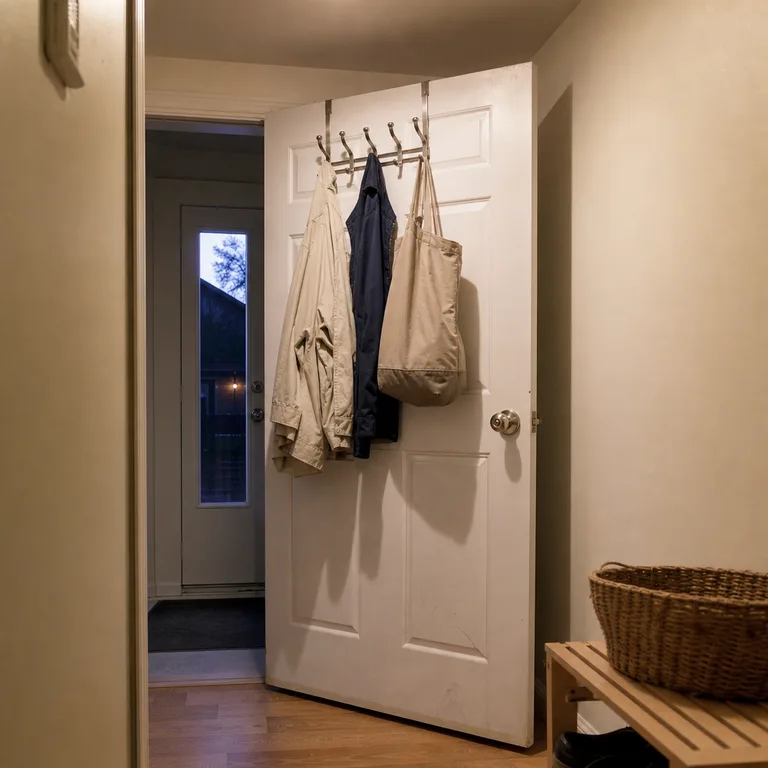
Choose a rack with slim brackets and protective pads so it does not scratch the door or prevent it from closing. Check the top gap first, especially on doors with a tight frame, a door closer, or decorative trim.
Worth knowing: Over-the-door racks are better for lighter items than heavy winter coats, which can make the door awkward to open.
5.Fit a Wall-Mounted Drying Rack Beside the Door
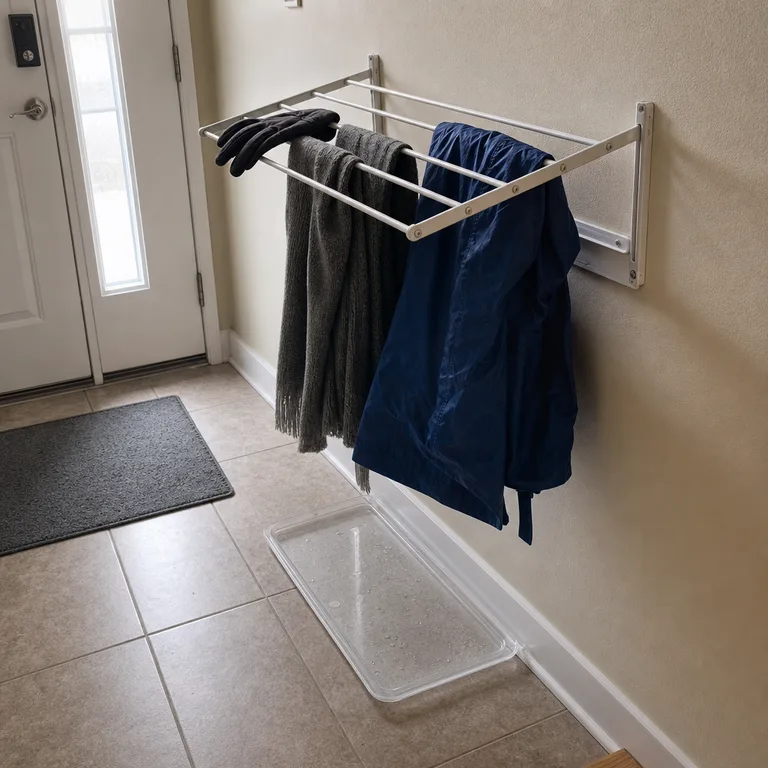
Give wet gloves, scarves, rain shells, and hats their own fold-down drying rack rather than laying them over furniture. When the items are dry, the rack folds nearly flat and restores the narrow passage.
Install it near a surface where drips can be wiped up, with a mat or tray below if needed. Keep it clear of outlets and leave enough space around the bars for air to circulate between damp layers.
Worth knowing: A drying rack handles small wet items well, but it may not have the capacity or airflow for several heavy soaked coats at once.
6.Create a Back-of-Door Coat Station With a Tension Rod
A tension rod across a recessed alcove or open interior doorway can hold a few hangers without making permanent holes. It is a useful rental option for raincoats and lighter everyday layers when there is no usable wall nearby.
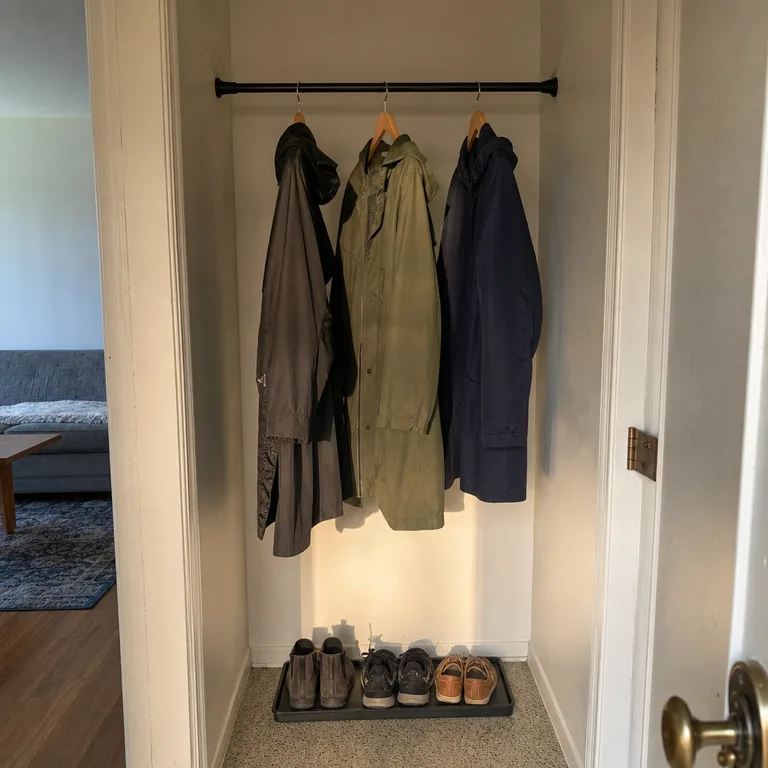
Fit the rod above shoulder height and test it with the intended load before relying on it. Place a narrow tray below for damp shoes, and make sure the rod cannot slip where it would block a door or fall into the walking path.
Worth knowing: Tension rods are not dependable for heavy coats or crowded hanger loads, particularly on smooth or uneven surfaces.
7.Add a Slim Hall Tree With a Built-In Drip Base
A slim hall tree combines hooks, a small seat, and lower storage in one vertical piece. It can contain coats, backpacks, and wet footwear more neatly than several separate items spread through the entry.
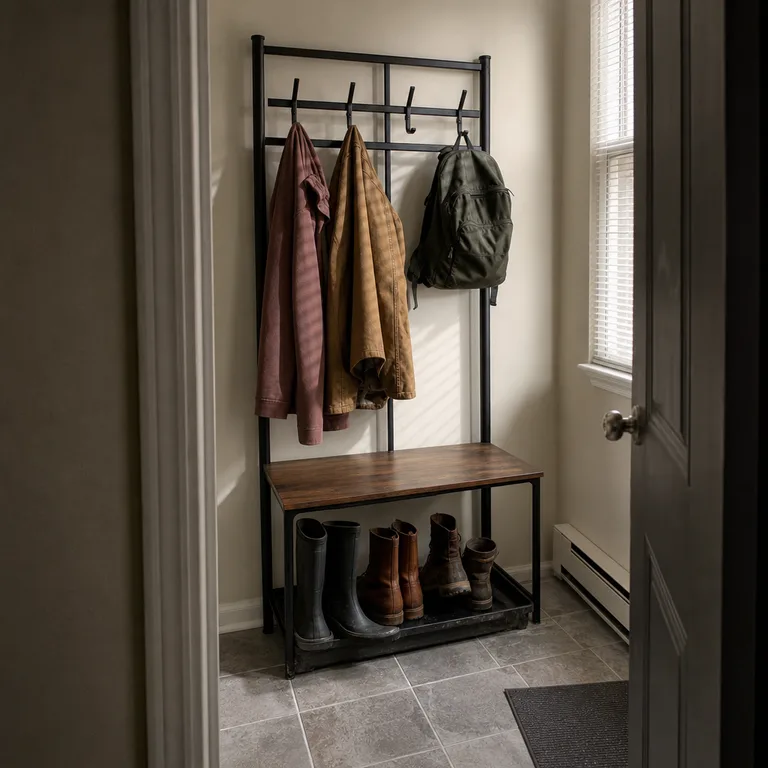
Look for an open design with a lower tray or enough space to slide a boot tray underneath. Measure the door swing, nearby radiator clearance, and the narrowest part of the route before bringing one home; secure tall furniture to the wall when the design calls for it.
Worth knowing: A hall tree is less flexible than individual wall hooks and may overwhelm a very tight entry.
8.Use a Rolling Coat Rack That Parks Outside Rush Hour
A compact rolling rack adds temporary capacity during rainy weeks, visits, or the season when everyone needs a heavier coat. Once the rush is over, it can roll into a bedroom, laundry area, or other storage spot instead of permanently narrowing the entrance.
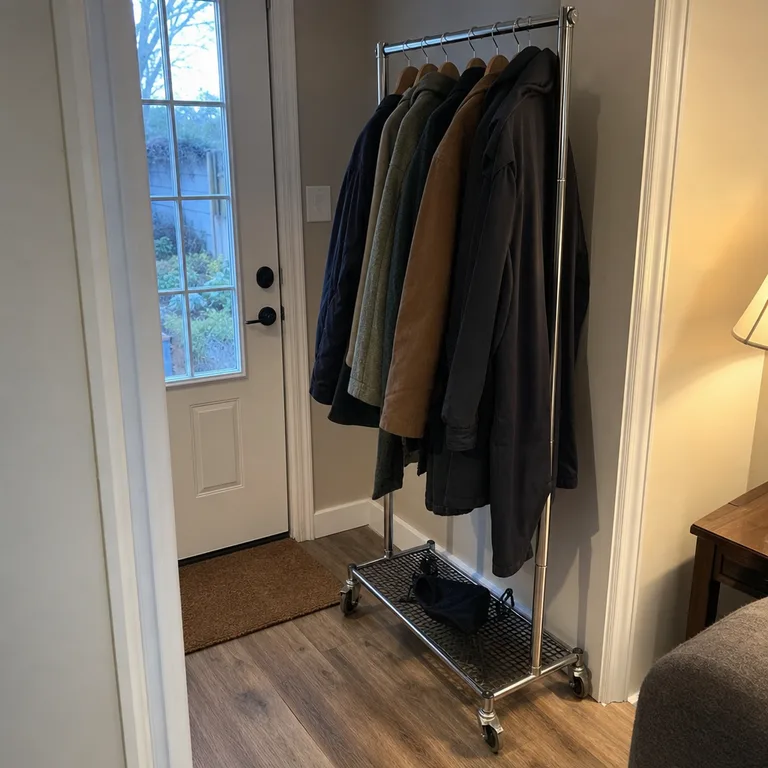
Choose locking casters that move safely on the existing floor, whether it is carpet, tile, or vinyl. A mesh shelf or tray below helps hold umbrellas and shoes, but keep wet gear from touching fabric coats.
Worth knowing: This solution depends on having another place to park the rack, and unlocked wheels can shift on hard flooring.
9.Mount Individual Folding Hooks in a Vertical Column
Use a vertical column of folding hooks on a narrow wall strip for coats, dog leashes, and bags. Alternating which hooks are used helps bulky items hang with more space between them, while unused hooks sit nearly flush to the wall.
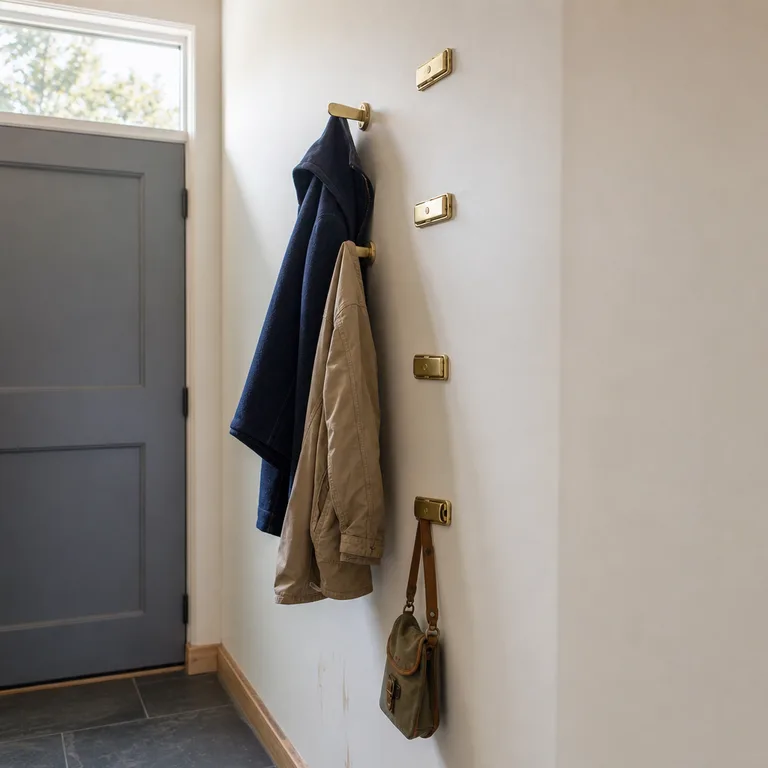
This is a good way to use wall space beside a door, near a corner, or above a baseboard where a full rail would not fit. Because each loaded hook pulls directly on the wall, attach it to a stud or use an anchor designed for the wall type and expected load.
Worth knowing: Individual hooks provide less shared hanging room than a rail, so they can become crowded in households with many bulky coats.
10.Divide a Long Wall With Labeled-Looking Color Zones Instead of More Furniture
Painted vertical bands behind grouped hooks give each household member a clear coat zone without adding another piece of furniture. The visual separation makes it easier to see where a coat, bag, or leash belongs, even in a plain hallway.
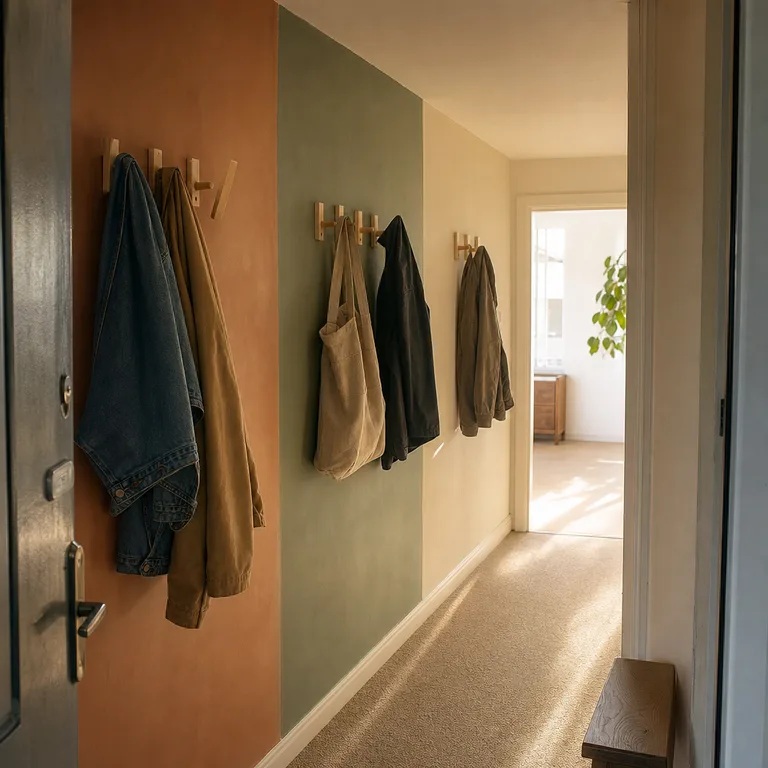
Use removable decals or renter-approved finishes if the lease requires reversible changes. Keep the colors muted enough to work with the rest of the home, and place hooks at heights that match the people using them rather than forcing every item onto one high rail.
Worth knowing: Color zones improve organization but do not add physical capacity, so the hook layout still needs to match the number of coats in use.
About the author
Dana Ruiz, Senior editor
Dana writes about small-space living, storage and low-cost decorating.
Keep reading
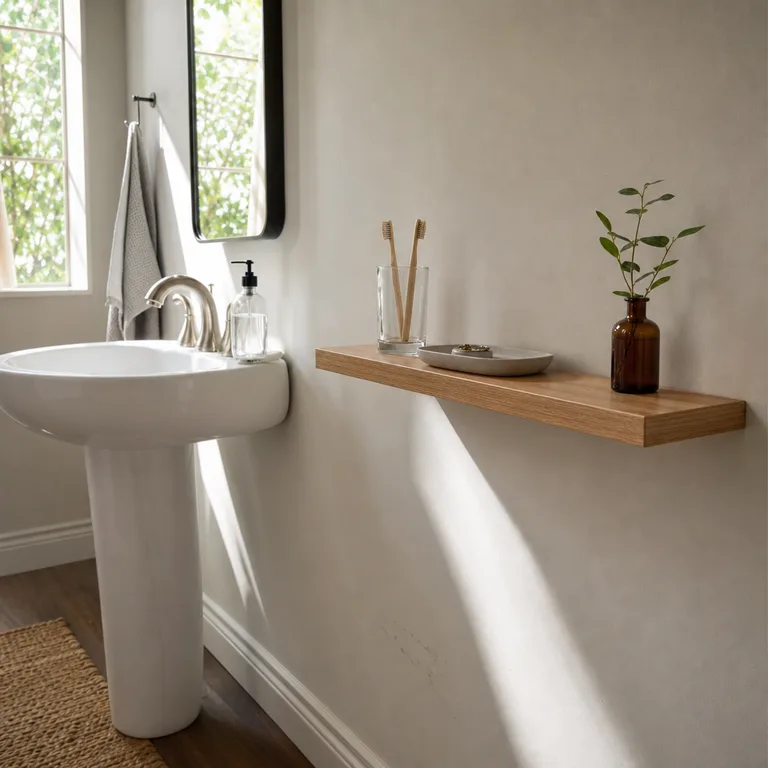
10 Pedestal Sink Ideas for Bathrooms With Almost No Counter Space
October 4, 2026
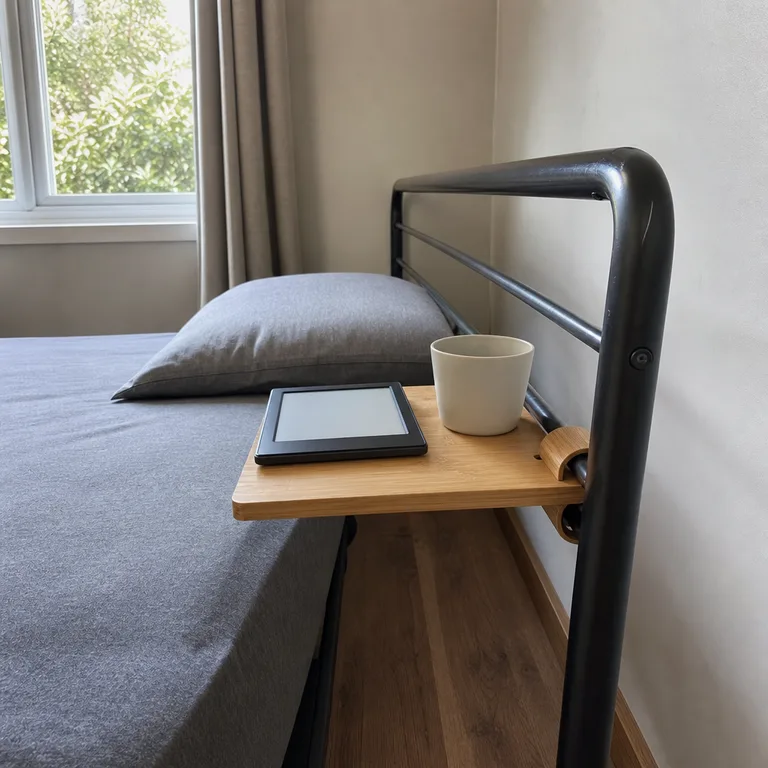
10 Nightstand Alternatives for Bedrooms With Almost No Bedside Space
October 1, 2026
10 Coffee Station Ideas for Kitchens With Very Little Counter Space
October 1, 2026
12 Family Photo Display Ideas Beyond a Matching Frame Set
October 4, 2026